
Choose the most profitable herbs to grow
Picking the right crops is the first step toward a sustainable farm. You need herbs that match your local climate, have reliable buyers, and offer a healthy margin between seed cost and sale price. Some herbs pay off quickly as fresh culinary staples, while others build value through drying or medicinal use.
Start by looking at what sells in your area. Visit local farmers markets and talk to restaurant owners. If chefs in your town are always asking for fresh basil or dill, that is a strong signal to start there. If health stores are stocked with dried lavender or echinacea, those might be better fits for a drying operation. Aligning your growing plan with existing demand reduces the risk of having unsold inventory.
Compare top options
The table below compares high-demand herbs based on profit potential, water needs, and primary market. This helps you visualize which plants fit your resources.
| Herb | Profit Margin | Water Needs | Best Market |
|---|---|---|---|
| Basil | High | High | Fresh culinary |
| Rosemary | Medium | Low | Fresh & dried |
| Lavender | High | Low | Dried & oil |
| Parsley | Medium | Medium | Fresh culinary |
| Echinacea | High | Medium | Medicinal |
Focus on culinary staples
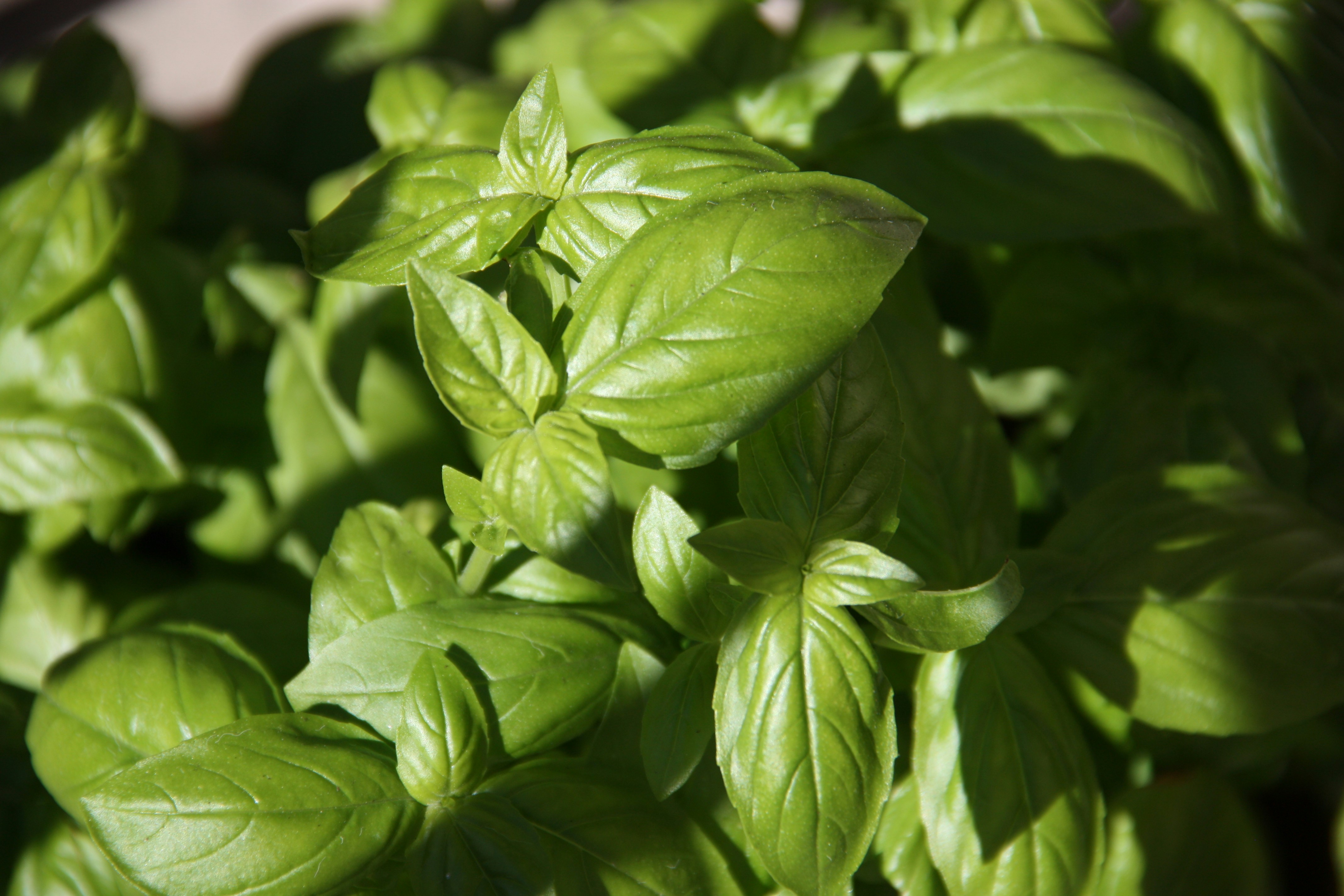
Basil, parsley, and chives are the bread and butter of many herb businesses. They grow fast, have high turnover, and are used in almost every kitchen. Basil, in particular, is often considered the most popular culinary herb and commands a premium price when fresh, especially during the peak summer months. These herbs require more water and attention but offer quick returns if you have a steady flow of customers.
Consider medicinal and dried options
For a more passive income stream, consider herbs like lavender, echinacea, or rosemary. These plants are drought-tolerant and can be dried or processed into oils and teas. Medicinal herbs such as echinacea and goldenseal are highly valued in natural health markets, offering strong profit margins despite longer growth cycles. Drying reduces weight and spoilage, making these herbs easier to store and ship to a wider audience.
Match plants to your climate
You cannot force a tropical herb to thrive in a cold climate without significant investment in greenhouses. Group your plants by their water and sun needs. For example, rosemary, oregano, and thyme all prefer dry conditions and can be grown together efficiently. Conversely, basil and parsley need consistent moisture and shade protection in hot weather. Planning your layout this way saves water and reduces labor.
Verify local demand
Before planting large quantities, test the market. Grow a small batch of your chosen herbs and sell them at a local stand or to a single restaurant. This low-risk trial tells you if your quality meets local standards and if the price point works. Adjust your variety list based on what actually sells, not just what looks good in a catalog.
Set up your growing infrastructure
Building a profitable herb business starts with the right physical setup. You need a system that protects your plants from weather while keeping labor costs low. The goal is to create a reliable environment where your most profitable herbs to grow can thrive year-round.
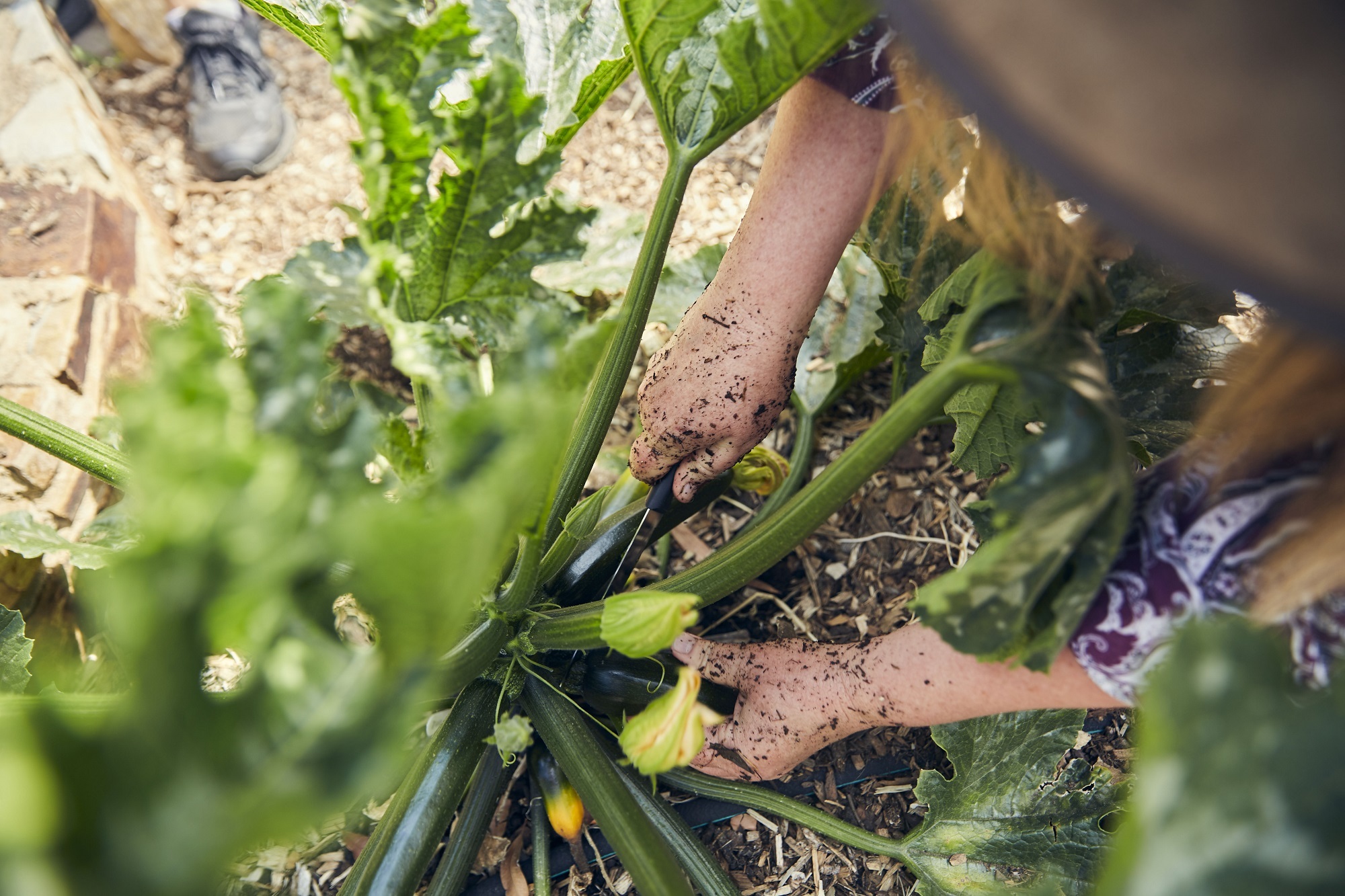
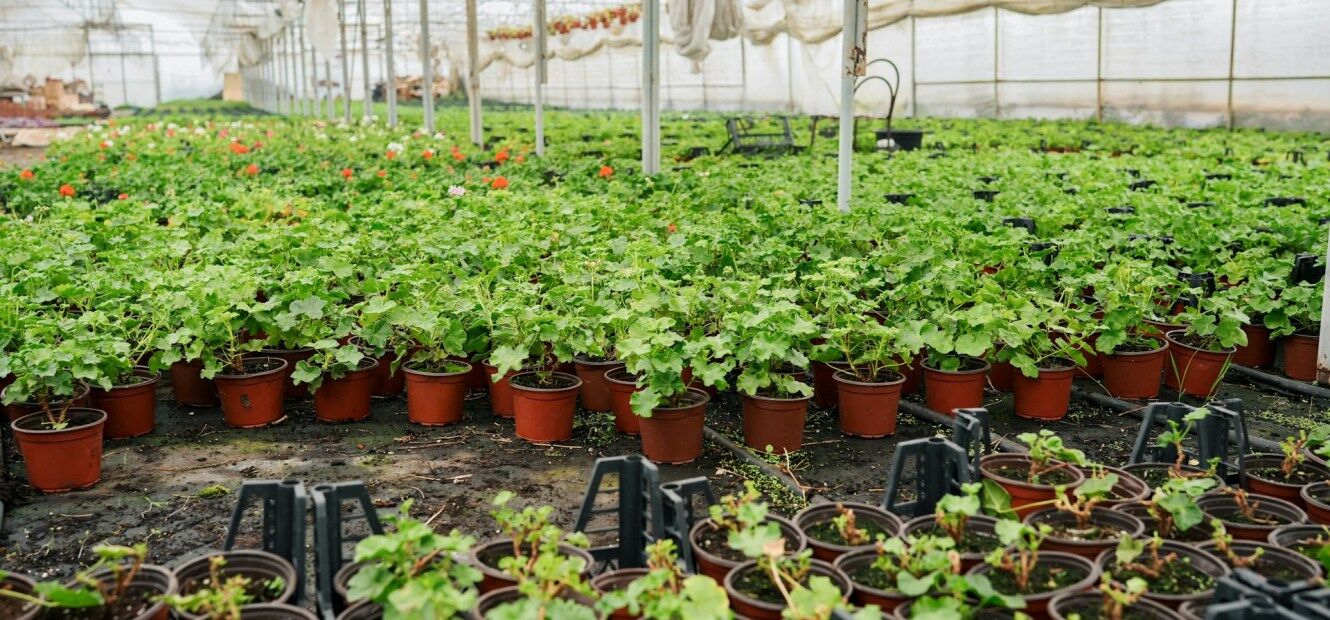
Decide between field production and protected cultivation. Field growing is cheaper to start but leaves crops vulnerable to rain and pests, which can ruin your harvest. Greenhouses or high tunnels cost more upfront but allow you to control temperature and humidity, ensuring consistent quality for buyers. For high-value herbs like basil or cilantro, protected environments often pay for themselves by reducing crop loss.
If you are planting in the ground, start by testing your soil pH and nutrient levels. Herbs generally prefer well-draining soil with a pH between 6.0 and 7.0. Amend the soil with compost to improve structure and fertility. Build raised beds to ensure proper drainage, especially if you live in a rainy climate. Good soil preparation prevents root rot and encourages strong, flavorful growth.
Consistent watering is critical for commercial herb production. Drip irrigation is the most efficient method, delivering water directly to the roots while keeping foliage dry to prevent disease. Set up a timer to maintain a steady moisture level. This automation saves you hours of labor each week and ensures your plants receive exactly what they need, even when you are busy with other tasks.
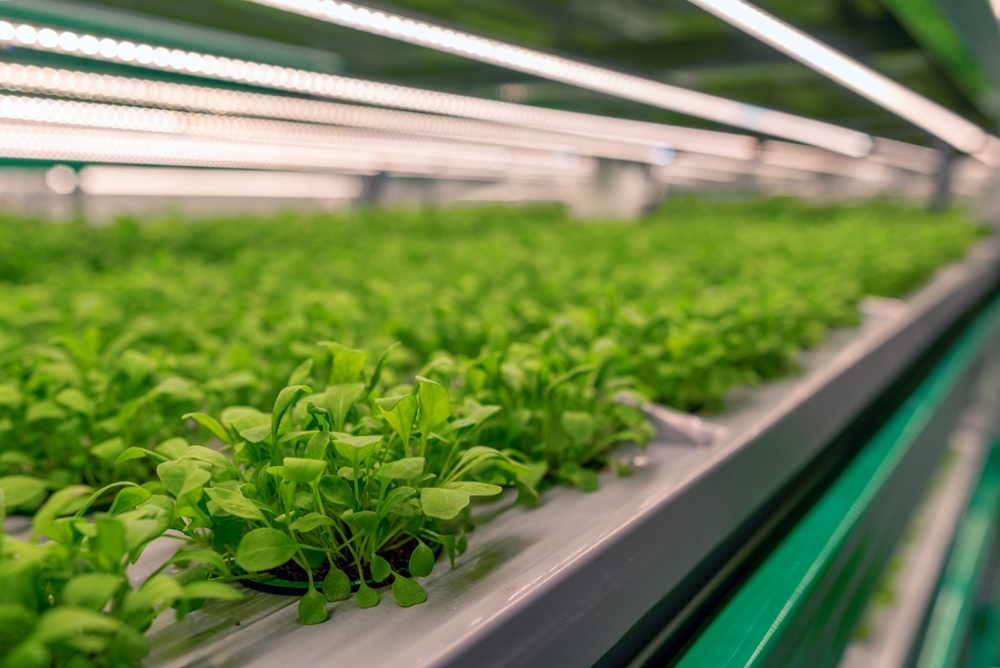
In a greenhouse or indoor setup, you need fans, heaters, or shade cloths to manage the environment. Herbs like rosemary and thyme prefer drier conditions, while basil needs warmth and humidity. Install ventilation fans to circulate air and reduce the risk of fungal issues. Monitor temperatures closely, as extreme heat or cold can stunt growth or kill your crops before they reach market size.
Harvest and package for freshness
Timing is everything when you want to sell profitable herbs to grow. Harvesting at the right moment locks in the essential oils that give your product its scent and flavor. For most leafy herbs like basil, cilantro, and parsley, early morning is best. The plants are fully hydrated from the night, and the cooler temperatures help them stay crisp until you get them to market.
After cutting, the work isn't done. You need to clean and dry the herbs gently to remove any soil or insects without bruising the leaves. A light misting or a spin dryer works well. Once clean, wrap the herbs in slightly damp paper towels and place them in breathable bags or clamshells. This method keeps them hydrated without causing rot, extending their shelf life so your customers get the freshest possible product.
Build your sales channels and marketing
Your herbs are growing, but they don't pay the bills until they leave your farm. Selling profitable herbs to grow requires a mix of local visibility and digital reach. You don't need a massive operation to start; you just need to meet buyers where they already shop.
Start with the most direct route: local farmers markets. This is where you get instant feedback on quality and build a loyal following. People who buy fresh basil or mint at a market often return for your other crops. It's a low-cost way to test which profitable herbs to grow resonate with your community.
Once you have a steady rhythm, expand to restaurant partnerships. Chefs value consistency and freshness over price. Approach local chefs with a simple proposal: deliver high-quality, cut-to-order herbs twice a week. This builds recurring revenue that stabilizes your income beyond seasonal market days.
Finally, set up an online presence. A simple website or social media page lets customers order ahead for pickup. This reduces waste and helps you plan your planting schedule. Whether you're selling at a stall or shipping online, the goal is the same: get your harvest into kitchens quickly.
Secure a spot at a local market. Bring fresh, clean herbs and clear pricing. Talk to every customer to learn what they cook with and suggest future crops.
Visit chefs during off-hours. Offer a small sample of your best crops. Propose a weekly delivery schedule for high-turnover herbs like basil, cilantro, or parsley.
Create a simple order form. Allow customers to pick up their herbs at a designated time. This helps you harvest only what is needed, keeping your produce fresh.
Common mistakes new herb farmers make
Starting a profitable herb business is exciting, but it is easy to trip up when you are just beginning. Many new growers focus too much on planting and not enough on planning. This section highlights the most frequent errors so you can sidestep them and protect your margins from day one.
Skipping market research before planting
The biggest mistake is growing what you like instead of what buyers want. You might love growing basil, but if your local farmers market is already flooded with it, your prices will drop. Research your local demand first. Talk to chefs, visit markets, and check online listings to see which herbs are actually selling.
Overproduction and waste
It is tempting to plant every available inch of soil, but more plants do not always mean more profit. Herbs are perishable. If you harvest more than you can sell within a few days, you lose money on waste. Start small. Scale up only after you have a steady stream of customers buying your specific varieties.
Ignoring true production costs
Many beginners set prices based on what they see at the store, not on what it costs to grow the herb. You must account for seeds, soil, water, labor, packaging, and market fees. If you do not calculate these true costs, you might sell a bundle of parsley for $3 when it actually costs you $4 to produce. Use a simple spreadsheet to track every expense.
Visit local farmers markets and talk to restaurant owners. Note which herbs are missing or sold out quickly. This tells you where the opportunity lies.
Plant only what you can realistically sell in the first few weeks. This prevents waste and helps you refine your growing process without financial pressure.
Keep a detailed log of seeds, water, labor, and packaging. Use this data to set prices that cover costs and leave room for profit.
Frequently asked questions about herb farming
Starting an herb business can be surprisingly lucrative if you pick the right crops. Here are answers to common questions about profitability and crop selection to help you get started.
Choosing the right herbs depends on your local market and growing conditions. Focus on what sells well in your area rather than just what grows easily.
No comments yet. Be the first to share your thoughts!