Pick the most profitable herbs to grow
Choosing the right crops is the difference between a hobby and a business. You want herbs that turn over quickly, survive the local climate, and sell for a premium. While you can grow almost anything, some plants pay better than others. Focus on varieties with high demand and reliable market rates to keep your early revenue steady.
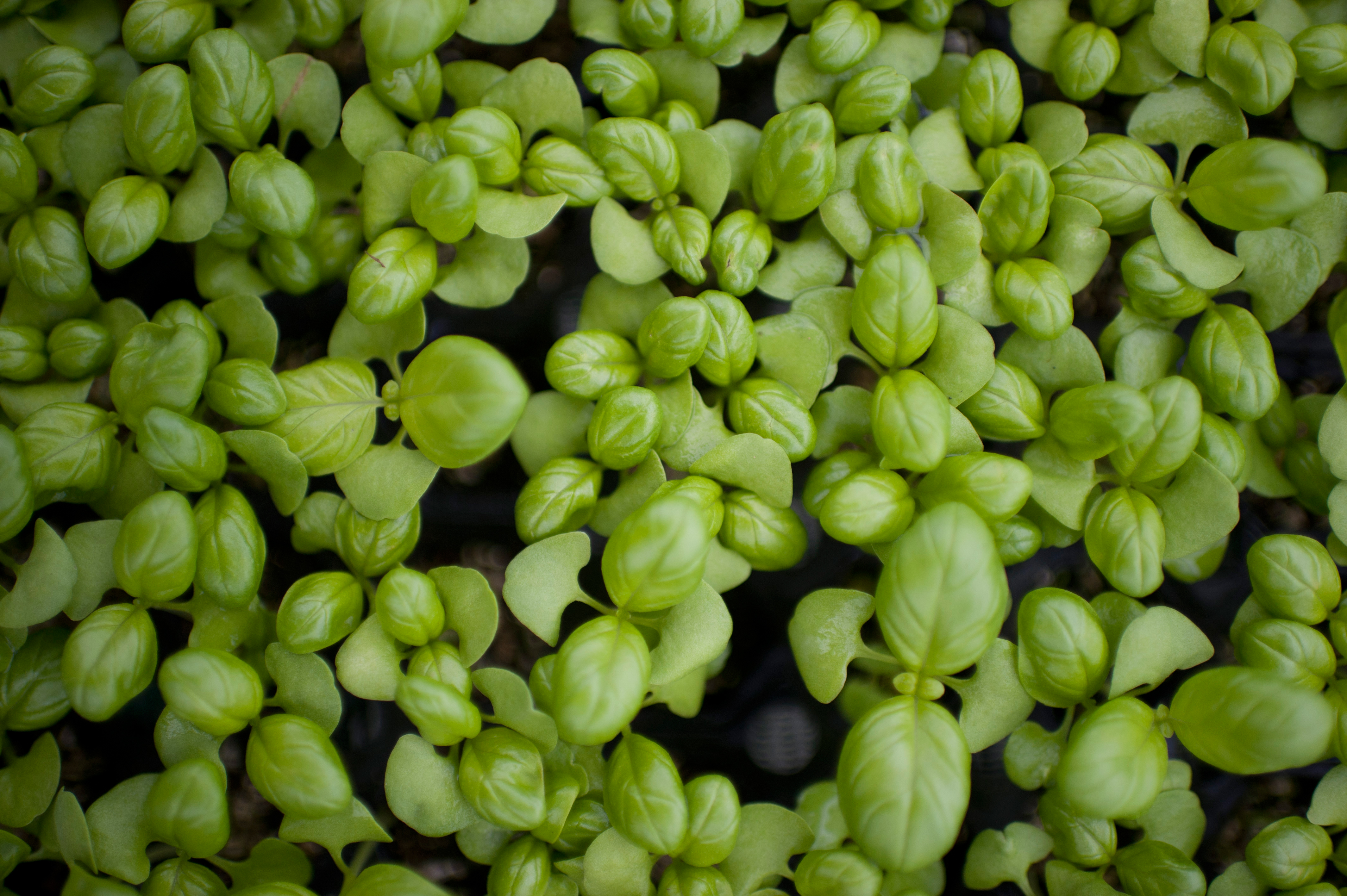
Basil is widely considered the king of profitable herbs. It grows fast, yields heavily, and is a staple in restaurants and farmers markets. Rosemary is another strong contender; it is a woody perennial that comes back year after year, reducing your replanting costs. Other reliable earners include chives, oregano, and parsley. These herbs have consistent demand and are easy to manage for beginners.
To make an informed decision, compare your options based on growth speed and market price. The table below breaks down the top contenders so you can see where the money is.
| Herb | Growth Cycle | Profit Margin | Key Advantage |
|---|---|---|---|
| Basil | Fast (4-6 weeks) | High | High volume, year-round demand |
| Rosemary | Perennial | Medium-High | Low maintenance, replants itself |
| Chives | Fast (perennial) | Medium | Hardy, cuts multiple times a year |
| Oregano | Perennial | Medium | Dries well, long shelf life |
| Parsley | Medium (6-8 weeks) | Medium | Staple for garnish and cooking |
Set up your growing infrastructure
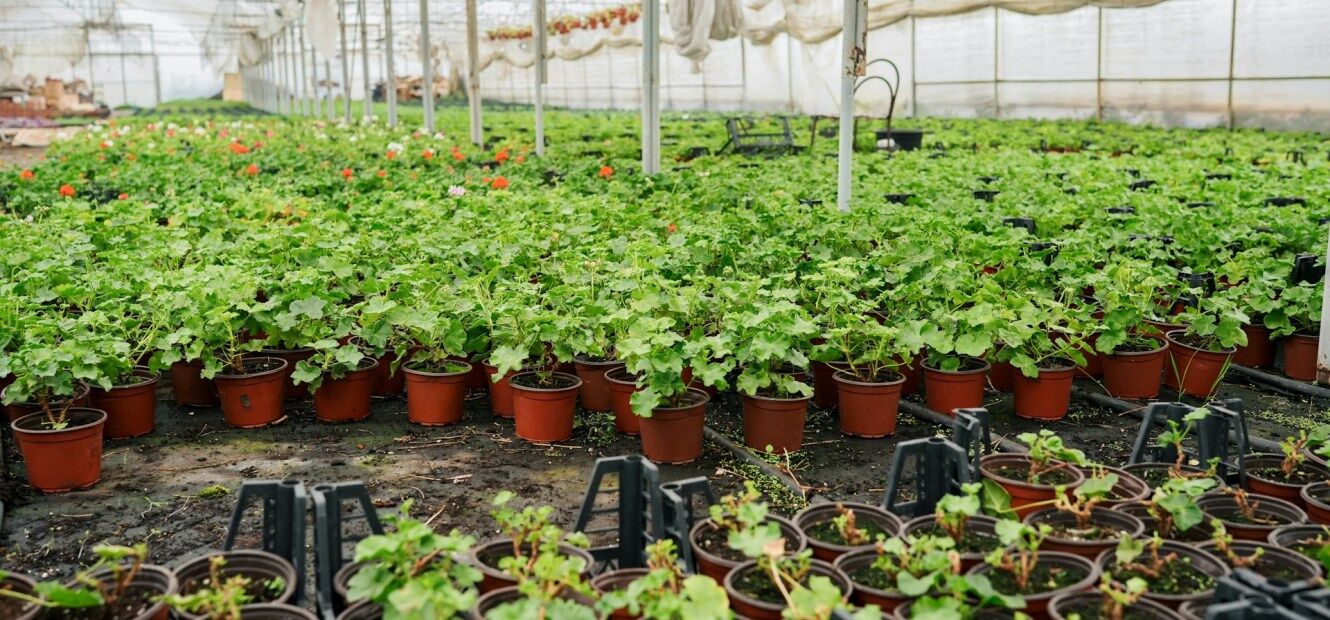
Turning a profit starts with the right physical setup. You don’t need a massive farm, but you do need a system that keeps your most profitable herbs to grow healthy, consistent, and ready for market. Whether you’re starting in a backyard greenhouse or a dedicated plot, your infrastructure needs to support the specific water and light needs of your chosen crops.
Choose your growing method
Your first decision is how you’ll root your plants. For high-turnover herbs like basil and cilantro, soil beds are reliable and forgiving. They hold nutrients well and are easier for beginners to manage. If you’re targeting year-round production or have limited space, hydroponics offers faster growth cycles and cleaner harvests. Drying herbs like rosemary and thyme can also thrive in soil if you prioritize drainage and airflow to prevent mold.
Plan your spacing and layout
Crowding is the fastest way to kill profit margins. Herbs need room to breathe. For leafy greens like parsley and basil, aim for 6 to 8 inches between plants to ensure full leaf development. Woody herbs like rosemary and oregano need more space—about 12 to 18 inches—to develop strong stems and resist disease. Group plants with similar needs together. Planting rosemary, thyme, and oregano in one zone simplifies watering since they all prefer drier conditions, while keeping basil and cilantro in a separate, more hydrated zone.
Install irrigation and lighting
Consistent moisture is non-negotiable for fresh-market herbs. Drip irrigation lines are the best investment you can make. They deliver water directly to the roots, reducing waste and keeping foliage dry to prevent fungal issues. If you’re growing indoors or in a greenhouse with limited natural light, supplemental LED grow lights are essential. They extend your growing season and ensure that your herbs don’t become leggy or weak before they hit the market.
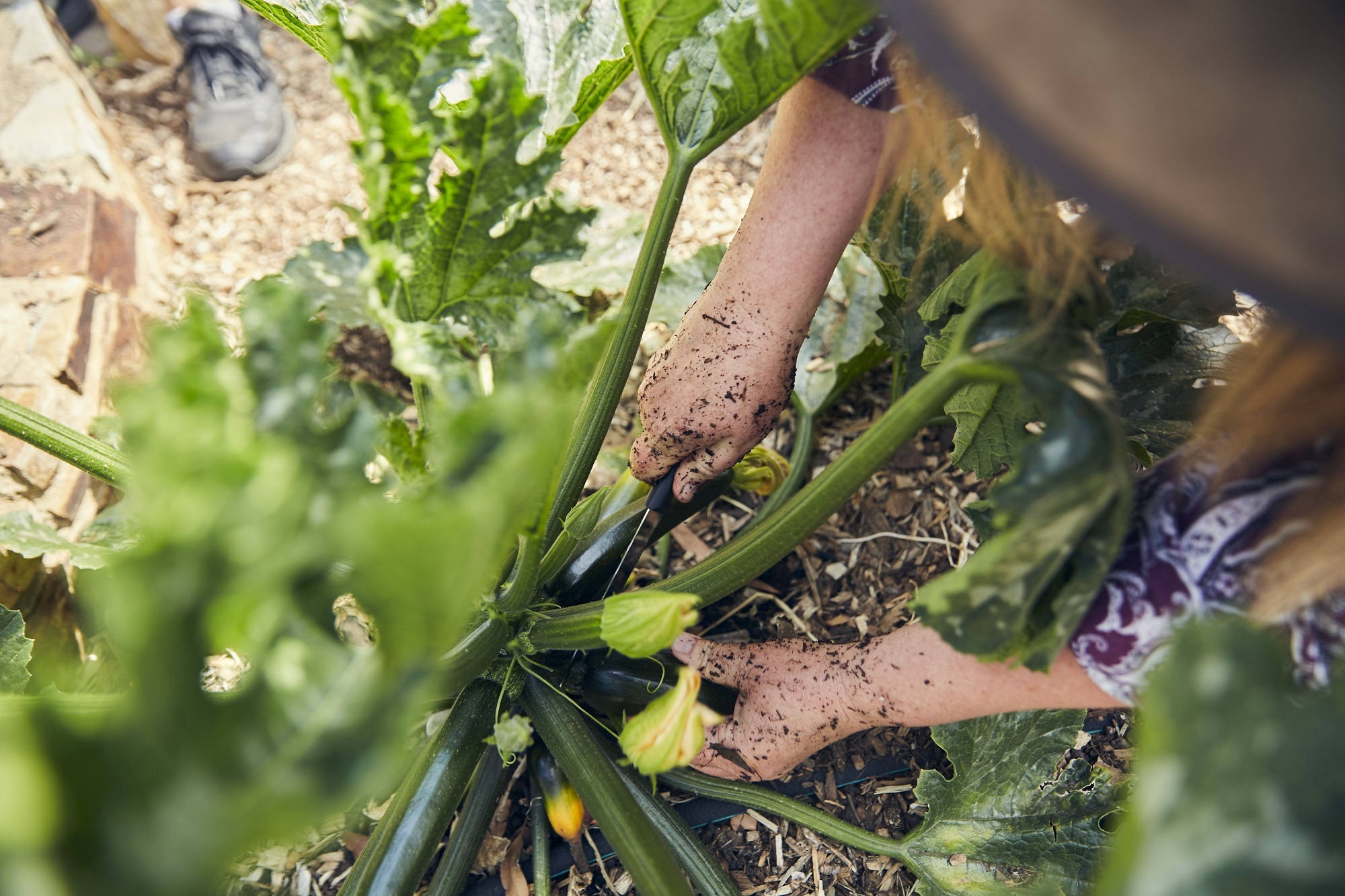
Start by filling your beds or trays with a high-quality, well-draining soil mix or sterile growing medium. If you’re using soil, test the pH levels to ensure they’re between 6.0 and 7.0, which is ideal for most culinary herbs. For hydroponic setups, rinse your rockwool or clay pebbles to remove any dust or debris that could clog your system.
Run your drip irrigation tubing along the rows of your plants. Place emitters every 6 to 12 inches, depending on your plant density. Connect the tubing to a timer so you can water automatically at dawn or dusk. This consistency reduces labor costs and ensures your herbs never wilt between harvests.
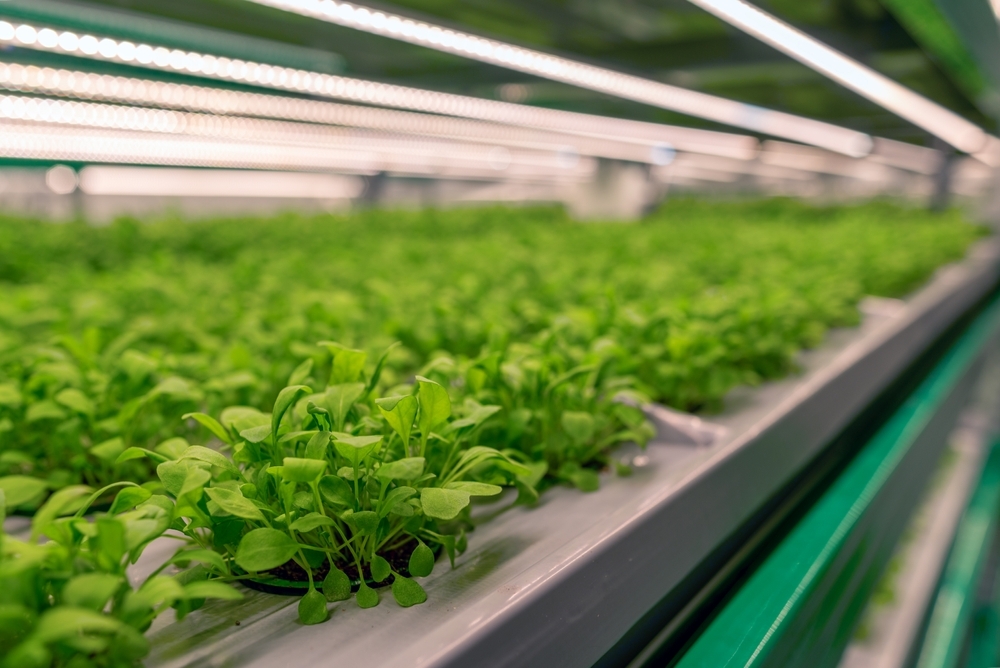
Sow your seeds or transplant your seedlings according to the spacing guidelines for each herb. Gently firm the soil around the base of each plant to eliminate air pockets. Water them in thoroughly to help them settle. Remember, basil and cilantro grow quickly from seed, while rosemary and thyme are often easier to start as young plants to give you a head start on the season.
Grow and harvest for maximum quality
Turning seeds into sales starts with how you handle the plants. Growing profitable herbs to grow isn't just about volume; it's about the flavor and appearance that makes a chef or customer choose your bunch over the competition. If the leaves are wilted or the stems are woody, you're selling compost, not cash.
Think of your herb garden like a high-end restaurant kitchen. Every step, from soil prep to the final cut, needs precision. A single mistake in watering or timing can ruin an entire batch. Let's walk through the exact steps to ensure your harvest is pristine, fragrant, and ready for the premium market.
Start with a lightweight, well-draining potting mix. Heavy garden soil compacts easily, choking off the roots of delicate herbs like basil. Mix in perlite or coarse sand to ensure water flows through freely. This prevents root rot, the number one killer of herb profits. For woody herbs like rosemary and thyme, lean even heavier on drainage elements.
Crowded plants are sick plants. Give each herb enough room to breathe. When seedlings are small, thin them out aggressively. If you're growing basil, leave at least 12 inches between plants. Good airflow reduces fungal diseases like powdery mildew, which can wipe out a crop overnight. Plan your layout based on mature size, not seedling size.
Most culinary herbs prefer to dry out slightly between waterings. Water only when the top inch of soil feels dry. When you do water, soak the soil thoroughly rather than sprinkling the leaves. Wet foliage invites disease. Mediterranean herbs like oregano and rosemary are drought-tolerant and will produce more intense flavor when slightly stressed by less water.
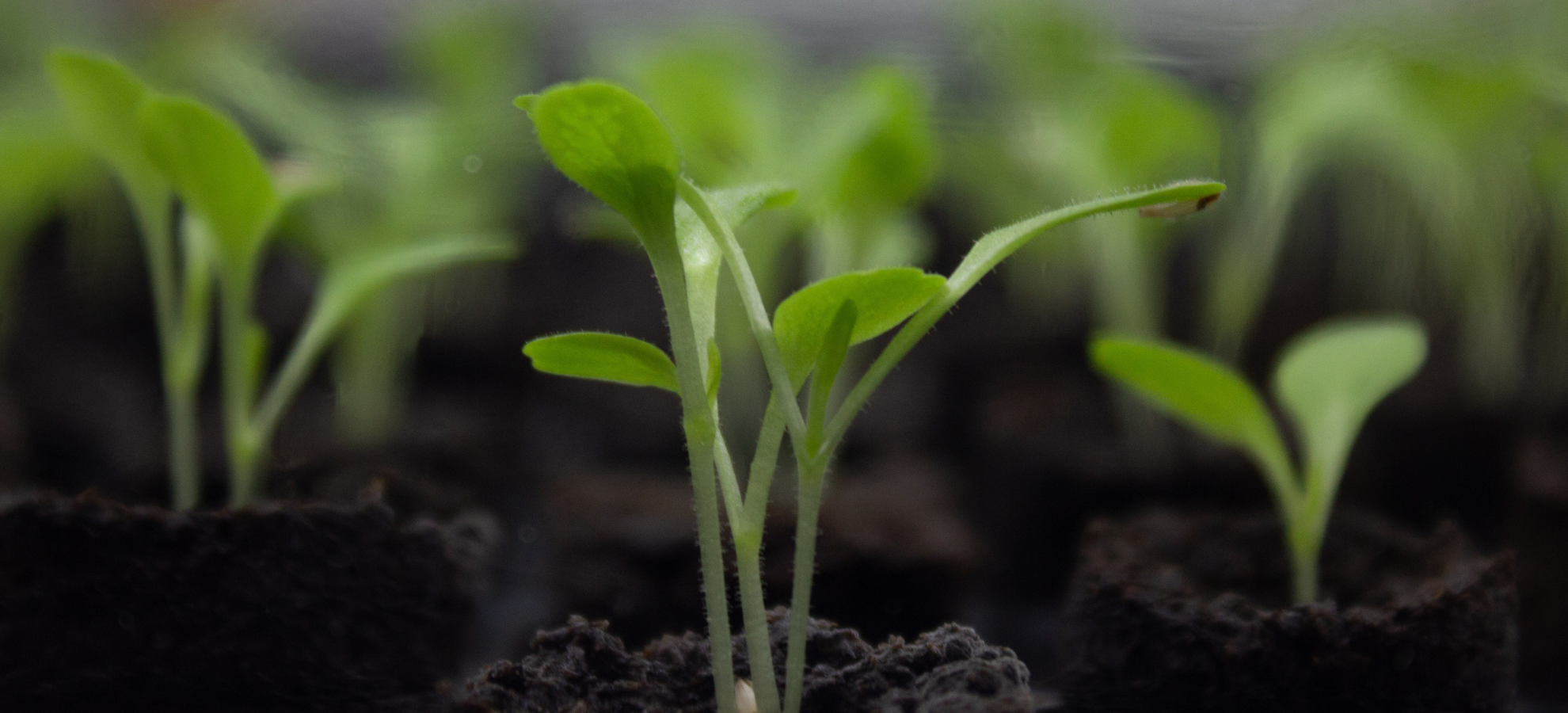
Timing is everything. Harvest herbs in the morning after the dew has dried but before the midday heat hits. This is when essential oil content is highest, meaning the strongest flavor and aroma. Use clean, sharp shears to make clean cuts. Avoid tearing stems, which can damage the plant and introduce bacteria. For basil, cut just above a leaf node to encourage bushier growth.
Once harvested, move the herbs to a cool, shaded area immediately. Heat causes rapid wilting and loss of volatile oils. Trim the stems again and place them in clean water if selling fresh, or lay them flat on racks if drying. Never stack wet herbs in a box; they will rot. Quick cooling preserves the vibrant green color and crisp texture that buyers pay extra for.
By following these steps, you transform simple seeds into a high-value product. The difference between a struggling garden and a profitable business often comes down to these small, consistent details. Treat your herbs with care, and the market will reward you.
Find buyers and sell herbs for profit
Turning your garden harvest into revenue starts with matching the right herb to the right buyer. Fresh-market herbs like sweet basil, cilantro, and flat-leaf parsley are the heavy hitters for volume, while woody herbs like rosemary and thyme offer longer shelf life for different channels.
Target local restaurants
Chefs need consistent, high-quality supply. Approach local Italian or Mediterranean restaurants with a sample of your best basil or cilantro. They value freshness over price and will pay a premium for herbs picked that morning. Build relationships by delivering weekly, ensuring your packaging keeps the leaves crisp.
Sell at farmers markets
Farmers markets are the backbone of small herb businesses. Set up a clean, inviting stall. Use clear signage to highlight your most profitable varieties. Offer small bundles that are easy for customers to grab. This channel builds brand loyalty and gives you immediate feedback on which herbs sell fastest.
Wholesale to grocery stores
For larger volumes, approach local grocery stores or co-ops. They require consistent supply and proper labeling. Focus on high-turnover herbs like parsley and chives. You’ll need to scale your production to meet their weekly demands, but the steady income can stabilize your business.
Online sales and subscriptions
Create a simple online store or use social media to sell herb bundles. Offer subscription boxes for regular deliveries of fresh herbs. This model works well for niche herbs like specialty basil or rare mint varieties. It also allows you to reach customers beyond your immediate geographic area.
Avoid costly herb farming mistakes
New growers often treat herb farming like a garden experiment rather than a business. The result is usually wasted space, spoiled inventory, or crops that look good but don't sell. To build a profitable herb business, you need to sidestep three common pitfalls: picking the wrong crops, growing too much too soon, and handling harvests poorly.
Picking low-demand varieties
Not all herbs are created equal in the market. While rosemary and thyme are hardy perennials, they often have lower profit margins per square foot compared to high-turnover annuals like basil. Basil is widely considered the most popular culinary herb, but it also spoils quickly. If you can't move it fast, it becomes compost. Focus on varieties with confirmed buyer demand before planting.
Overproduction
Herbs have a short shelf life. Growing fifty pounds of cilantro when your local chefs only buy five pounds a week guarantees loss. Start small. Scale your production only after you have a steady stream of orders. It is better to sell out consistently than to have a warehouse full of wilting greens.
Poor post-harvest handling
Harvesting is only half the battle. How you handle the crop after cutting determines its retail value. Basil leaves bruise easily; rough handling turns black edges within hours. Always harvest in the cool of the morning, wash gently, and dry thoroughly before packaging. Cold storage extends life, but improper humidity can cause mold. Treat your herbs like delicate produce, not lawn clippings.
Check seed viability before planting large beds. Basil seeds have an 80-90% germination rate, but older stock fails. Test a small batch first to ensure your yield expectations are realistic.
Watch your seedlings for signs of stress. Thin them early to prevent overcrowding, which reduces air circulation and invites disease. Healthy spacing leads to stronger, more marketable plants.
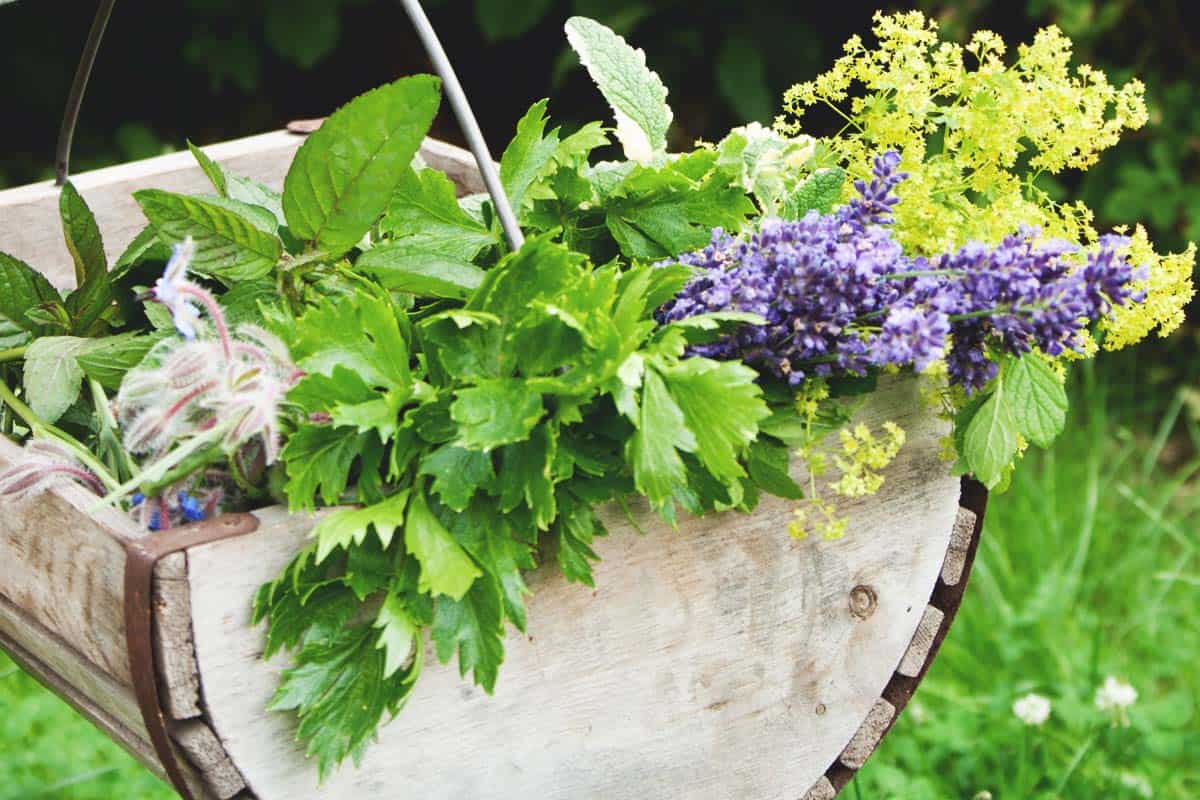
Use clean, sharp shears. Cut herbs in the morning when oil content is highest. Handle leaves gently to avoid bruising, which accelerates spoilage and lowers your selling price.
No comments yet. Be the first to share your thoughts!