Calculate your herb farm profit potential
Before buying seeds, verify the margins. Growing profitable herbs in 2026 requires precise margin management, not just gardening skill. A small error in yield estimation or labor hours can turn a promising crop into a loss. Use the tool below to stress-test your specific scenario.
This calculator estimates gross and net profit by weighing expected yield per square foot against operational costs. Input your target crop, scale, and local labor rates to identify where the real money lies.
How to read these numbers:
- Gross Revenue: Top-line income. Wholesale prices are lower but require less handling; retail prices offer higher margins but demand more time.
- Total Labor Cost: Often the biggest hidden expense. Be honest about hours needed for planting, weeding, harvesting, and packaging.
- Net Profit: Subtract labor and other costs (seeds, soil, utilities) from gross revenue. If net profit is negative, adjust your scale, crop choice, or pricing.
Use this as a baseline. Real-world yields vary by season and climate, so treat these estimates as a starting point for your business plan.
High-yield herbs for the 2026 market
The most profitable herbs for 2026 fall into two financial categories: annuals for quick cash flow and perennials for long-term equity. Annuals like basil and cilantro require annual replanting but offer higher turnover rates, ideal for filling crop plan gaps. Perennials such as rosemary and mint have higher upfront labor costs but generate returns for three to five years without replanting. Understanding this cycle is essential for balancing immediate revenue with stable margins.
Annuals: Basil, Cilantro, and Parsley
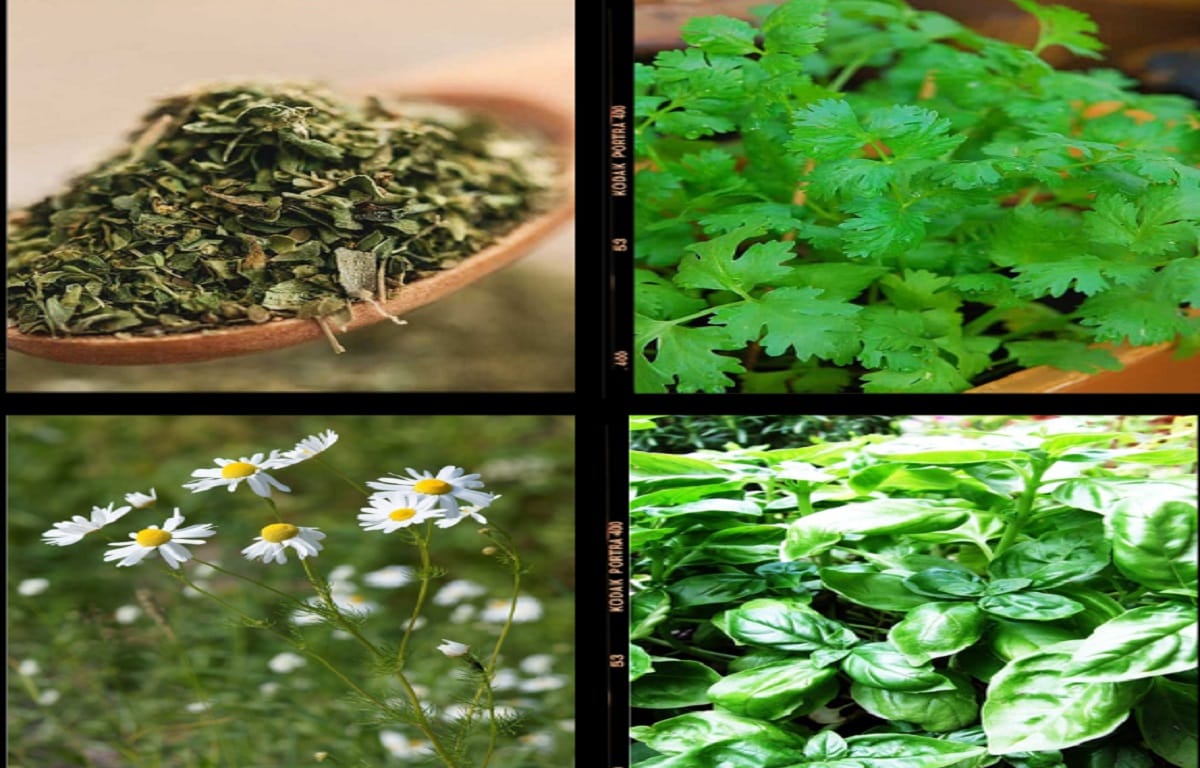
Annual herbs dominate the fresh-market sector due to consistent consumer demand. Sweet basil remains the most popular fresh-market herb, often commanding premium prices during peak summer months when local supply is highest. Cilantro and flat-leaf parsley follow closely, particularly in culinary markets that value fresh foliage over dried alternatives. These crops typically mature in 30 to 45 days, allowing for multiple harvests per season. However, their short lifecycle requires careful planting schedule management to avoid market gluts that drive down prices.
Perennials: Rosemary, Mint, and Lemon Balm
Perennial herbs like rosemary, mint, and lemon balm provide a more stable income stream once established. These plants take one to two seasons to reach full production capacity but eliminate recurring seed and initial planting labor costs. Rosemary is drought-tolerant with a long shelf life, reducing post-harvest waste. Mint varieties spread aggressively and can be harvested multiple times a year, while lemon balm offers a unique flavor profile appealing to herbal tea and specialty food manufacturers. These crops suit growers looking to reduce annual operational risks.
Comparison of Growth Cycles and Margins
The table below outlines key differences between annual and perennial herb production, focusing on yield potential and price stability. Annuals generally offer higher short-term returns but require more frequent input management. Perennials provide lower initial yields but benefit from compounding returns over multiple seasons.
| Herb Type | Growth Cycle | Est. Yield (lbs/sq ft) | Avg. Wholesale Price ($/lb) |
|---|---|---|---|
| Sweet Basil | Annual | 0.5 - 0.8 | 4.00 - 6.00 |
| Cilantro | Annual | 0.3 - 0.5 | 3.50 - 5.50 |
| Rosemary | Perennial | 0.2 - 0.4 | 5.00 - 8.00 |
| Mint | Perennial | 0.3 - 0.6 | 4.50 - 7.00 |
Choosing the Right Mix for 2026
Successful growers diversify their portfolio to mitigate risk and maximize land use. Planting annuals in high-traffic areas ensures steady cash flow, while dedicating peripheral beds to perennials builds long-term asset value. Consider local market demand and climate conditions when selecting varieties. Basil thrives in warm weather but is sensitive to frost, whereas rosemary tolerates colder temperatures and poor soil. Aligning crop selection with both market trends and growing conditions optimizes profit margins for the 2026 season.
Essential herb farming equipment checklist
Starting a commercial herb operation requires precise capital expenditure planning. The hardware you choose directly impacts your yield per square foot and profit margins. Unlike general gardening, commercial farming demands infrastructure that scales with demand while minimizing waste.
The initial setup falls into three distinct categories: infrastructure, harvesting, and post-harvest processing. Each category carries specific cost implications that must be budgeted for before planting.
Infrastructure and Growing Media
The foundation of any herb farm is the growing environment. For indoor or greenhouse operations, use high-efficiency LED grow lights tailored to the photosynthetic needs of leafy greens. Hydroponic systems, such as NFT (Nutrient Film Technique) or DWC (Deep Water Culture), are preferred for herbs like basil and cilantro because they use 90% less water than soil and accelerate growth cycles.
You will also need climate control units to maintain humidity and temperature. For outdoor plots, heavy-duty irrigation systems with drip lines are essential to prevent water waste and ensure consistent nutrient delivery. Budget for high-quality growing media, such as rockwool or coconut coir, which provide better root aeration than traditional soil.
Harvesting Tools
Efficiency at harvest time determines labor costs. For small-scale operations, sharp, ergonomic pruning shears are the primary tool. They reduce plant damage and speed up the cutting process. For larger volumes, consider mechanical harvesters or semi-automated cutting stations, which can increase throughput by 300% compared to hand-cutting.
Sharp knives and food-grade plastic cutting boards are necessary for precise trimming. Dull tools bruise herbs, leading to faster spoilage and lower market prices. Always keep backup blades on hand, as dulling is inevitable with frequent use.
Post-Harvest Processing
The difference between a profitable herb farm and a hobby garden often happens after the cut. You need immediate cooling capacity, such as walk-in coolers or blast chillers, to remove field heat. This extends shelf life significantly, allowing you to sell to higher-paying retailers.
Packaging materials are another critical expense. Vacuum sealers, modified atmosphere packaging (MAP) bags, and branded retail containers protect the product during transport. Weighing scales with 0.1g precision ensure accurate labeling and compliance with food safety regulations. Finally, a reliable labeling printer is needed for traceability, which is increasingly required by major grocery chains.
Startup and Operating Costs
Understanding where your money goes is the first step to building a profitable herb business. Costs break down into two distinct buckets: capital expenditures (CapEx) and operating expenses (OpEx). CapEx covers one-time investments needed to get started, while OpEx includes recurring costs of running the farm year after year.
Capital Expenditures (CapEx)
Your initial investment sets the foundation for your operation. This includes land preparation, irrigation systems, greenhouse structures, and essential tools. If starting with bare land, site prep and soil amendment can be significant upfront costs. For container or indoor growing, CapEx shifts toward shelving, lighting, and climate control equipment.
Perennial herbs like rosemary, thyme, and mint require more robust infrastructure because they stay in the ground for multiple years. This means higher initial planting costs and potentially more durable irrigation setups, but it pays off in later years.
Operating Expenses (OpEx)
Once your farm is running, ongoing costs determine your profit margin. These include seeds or starter plants, soil amendments, water, electricity, packaging, and labor. For annual herbs like basil or cilantro, you will replant every season, meaning seed and labor costs recur frequently. Perennials, however, only need replanting every few years, which smooths out annual expenses.
Labor is often the largest OpEx category. Even small-scale herb farms require significant time for planting, weeding, harvesting, and packaging. If selling at farmers markets, factor in booth fees, transportation, and marketing materials. Keeping these recurring costs low is key to maintaining healthy margins.
Calculating Your Break-Even
To see if your herb business is viable, subtract total OpEx from expected revenue. If the result is negative, increase yield, raise prices, or reduce costs. The calculator on this page helps model these scenarios by letting you adjust input variables like planting density, market price, and labor hours. This allows you to test different strategies before committing real capital.
Common Mistakes When Starting an Herb Business
Starting a profitable herb venture requires financial discipline. Many new growers fail because they treat herb farming as a hobby rather than a margin-driven business. The difference between profit and loss often lies in avoiding three specific pitfalls: overplanting low-value crops, ignoring post-harvest handling, and underestimating labor costs.
Overplanting Low-Value Crops
The most common financial error is planting high-volume, low-margin herbs like basil or mint without a confirmed buyer. While marketable, they spoil quickly and compete with large-scale commercial growers who sell at lower prices. If you plant more than you can sell within 48 hours of harvest, your profit margin turns negative due to waste.
Focus on niche, high-margin herbs like chives, tarragon, or specialty microgreens. These crops often command premium prices from local restaurants and farmers' markets because they are less commoditized. Before planting, calculate your break-even point per square foot. If a crop doesn't clear at least $5 per pound at the farm gate, it may not be worth your time unless you have a direct-to-consumer subscription model.
Ignoring Post-Harvest Handling
Herbs are perishable assets. A significant portion of potential profit is lost not in the field, but in improper storage and transport. Without immediate cooling (hydrocooling or cold storage) after harvest, herbs lose freshness rapidly, reducing shelf life and market value. Buyers will reject wilted product or pay significantly less for "seconds."
Invest in basic cold storage and packaging before planting. The cost of a small walk-in cooler or high-quality insulated containers with ice packs is negligible compared to the loss of a full crop. Proper handling ensures your herbs look and taste fresh, allowing you to charge premium prices and build repeat business with chefs and retailers.
Underestimating Labor and Overhead
Herb farming is labor-intensive. Harvesting, washing, bundling, and delivering small quantities of high-value herbs takes time. Many new growers miscalculate labor costs, assuming they can handle everything alone. In reality, labor can account for 30-50% of total production costs for small-scale herb farms.
Track every hour spent on non-growing activities. If your time is worth $20/hour, and it takes you 2 hours to harvest and package $50 worth of herbs, your net profit is only $10 before other expenses. Streamline processes early. Use efficient bundling techniques and consider pre-selling to reduce last-minute handling. Always include labor in your cost calculations to ensure prices reflect the true value of your work.
Questions about herb farming costs
Before committing capital, know exactly where the money goes. Herb farming profitability depends on scaling, crop selection, and market channel. Below are the most common questions from growers planning their 2026 operations.
These figures are estimates based on current market rates for seeds, labor, and infrastructure. Actual costs will vary based on your location, scale, and whether you choose to build infrastructure yourself or hire professionals. Always run your own numbers using a dedicated herb farming calculator before purchasing equipment.
No comments yet. Be the first to share your thoughts!