
Pick the right herbs to grow
Profitability in herb farming starts with matching crop selection to market demand and climate constraints. Culinary herbs like basil, parsley, and dill offer steady, high-volume sales to restaurants, while medicinal varieties such as lavender and echinacea command premium prices in niche retail channels.
Choosing the wrong crop for your region can destroy margins through increased heating, pest control, or shipping costs. Start by evaluating which herbs thrive in your local growing season without expensive infrastructure, then cross-reference that list against local buyer demand.
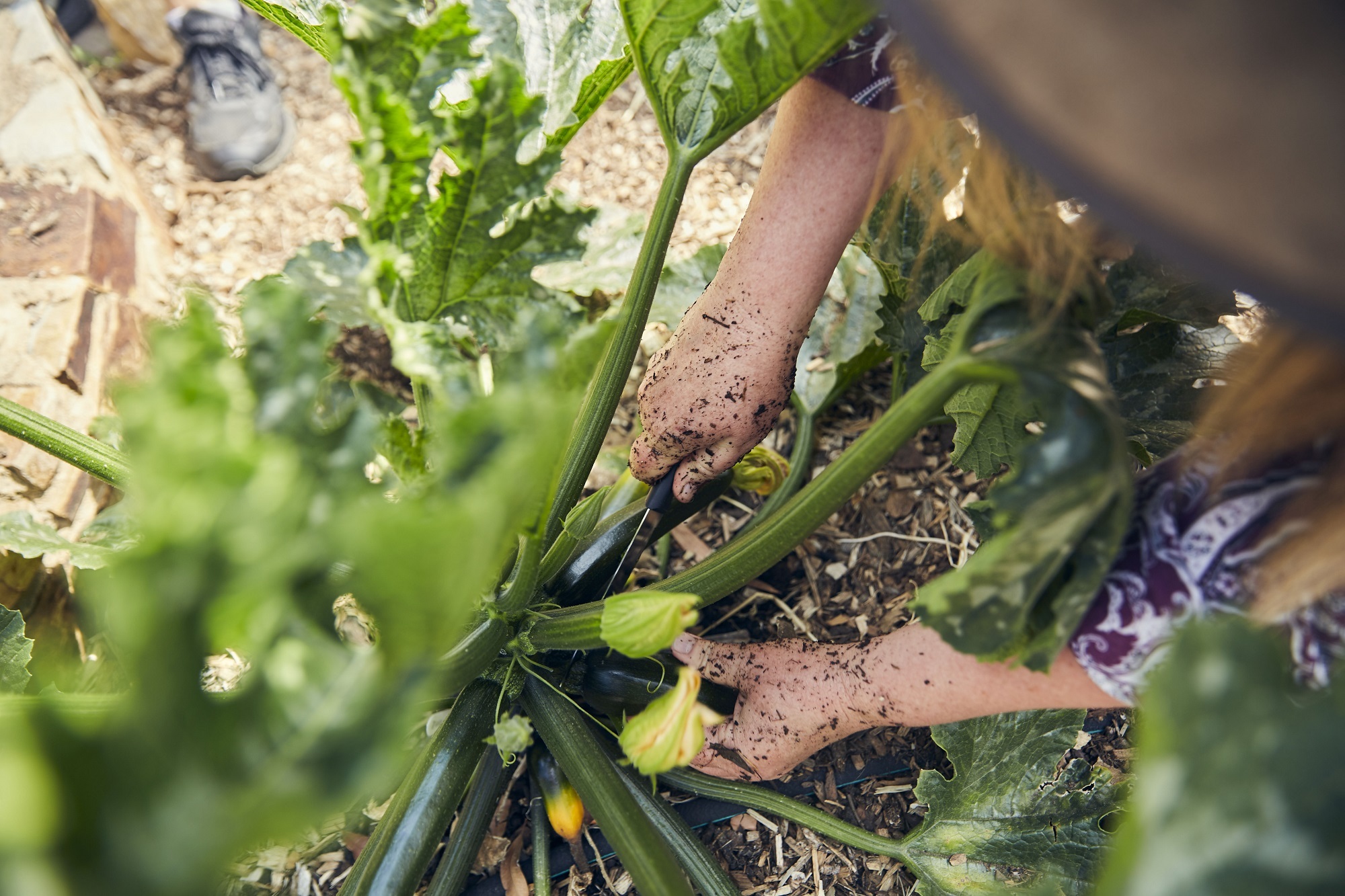
The table below compares four high-potential options. Basil and parsley are volume leaders with lower barriers to entry, while lavender offers higher per-unit margins for smaller plots.
| Herb | Margin Potential | Difficulty | Primary Market |
|---|---|---|---|
| Basil | High | Medium | Restaurants |
| Parsley | Medium | Low | Grocers |
| Lavender | Very High | Medium | Retail |
| Chives | Medium | Low | Chefs |
Set up your growing space
Your infrastructure determines your yield and your profit margin. Before you plant a single seed, you need a system that maximizes square footage while protecting your crop from weather and pests. Whether you choose a greenhouse, raised beds, or an indoor vertical farm, the goal is the same: create a controlled environment where herbs grow fast and clean.
Choose your production model
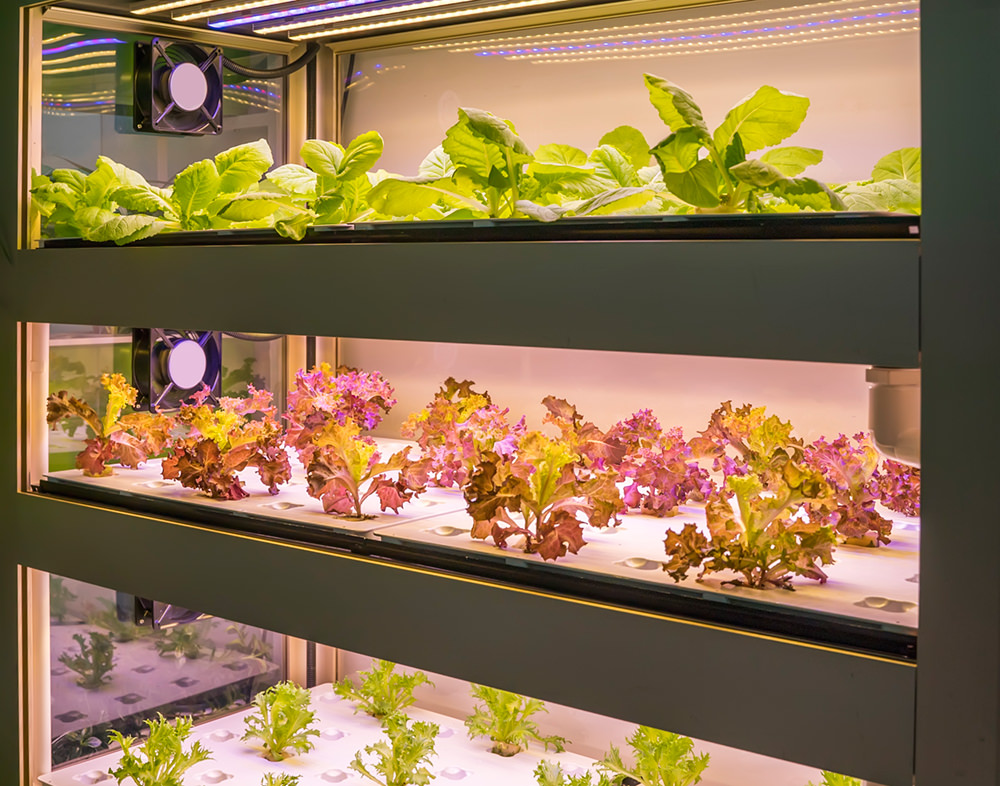
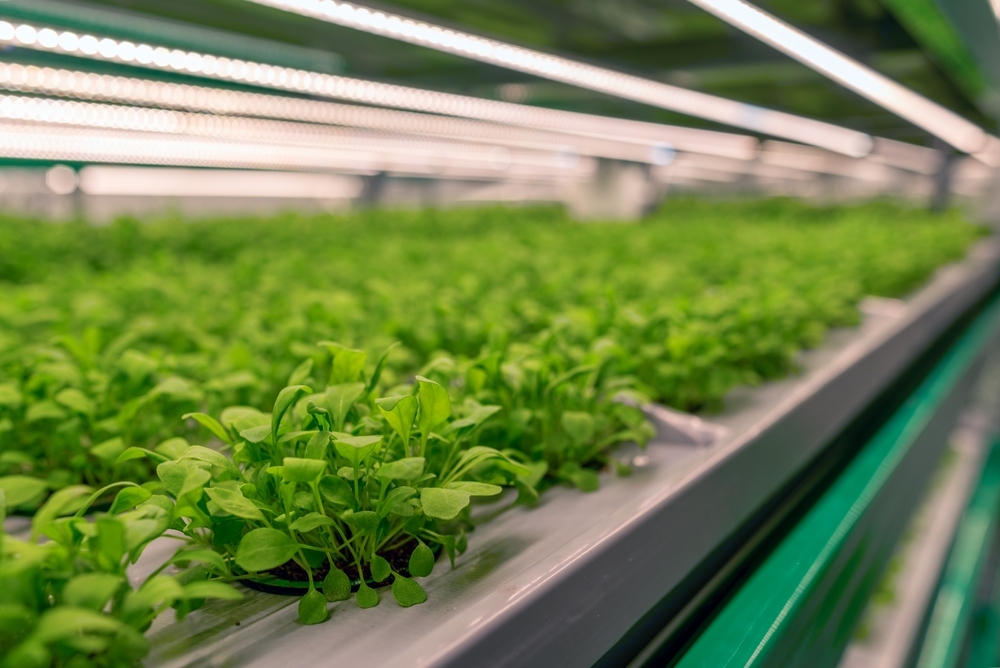
The first decision is the scale and type of your growing space. Greenhouses offer the best balance of cost and control for most new herb businesses, extending the growing season and protecting crops from rain and wind. Raised beds are a lower-cost entry point but offer less protection and require more manual labor for irrigation and pest management. Indoor vertical farming allows for year-round production with higher density but comes with significant electricity costs for lighting and climate control.
Prepare the soil or substrate
Herbs are sensitive to soil quality. For outdoor beds, conduct a soil test to check pH and nutrient levels. Most culinary herbs prefer slightly acidic to neutral soil (pH 6.0–7.0). Amend the soil with organic matter like compost to improve drainage and fertility. If you are using hydroponics or container growing, select a sterile, well-draining substrate such as coco coir or perlite mix to prevent root rot and ensure consistent nutrient delivery.
Install irrigation and climate controls
Consistent moisture is critical for high-quality herbs. Install a drip irrigation system or soaker hoses to deliver water directly to the roots, reducing waste and minimizing leaf wetness that can lead to fungal diseases. In greenhouses, install automatic vents or fans to maintain airflow and prevent humidity buildup. Proper ventilation is just as important as irrigation for preventing mold and ensuring tight, flavorful leaves.
Set up harvest and packing area
Efficiency in the field translates to profitability at the market. Dedicate a clean, shaded area near your growing space for post-harvest processing. This area should have a washing station, drying racks if you are selling dried herbs, and a packing station with refrigeration. Keeping your harvest cool immediately after picking preserves freshness and extends shelf life, which is essential for building trust with chefs and retail customers.
Inspect and optimize
Before your first major harvest, walk through your setup to identify bottlenecks. Are your tools within reach? Is the irrigation schedule reliable? Are you moving from harvest to cooling efficiently? Small adjustments now can save hours of labor later. Treat your growing space as a production line, not just a garden. Every element should serve the goal of producing high-quality herbs consistently.
Plant and harvest for freshness
Freshness is the primary driver of herb profitability. Chefs and retailers pay premiums for vibrant, aromatic greens that haven't spent days in transit or storage. To capture this value, you need a planting and harvesting workflow that prioritizes speed and continuous supply over bulk yield.
The most reliable strategy is succession planting. Instead of sowing your entire crop at once, plant small batches every two to three weeks. This ensures that as one batch finishes, the next is already maturing. It prevents the "glut and famine" cycle that leaves you with unsellable excess one week and no product the next. Focus on high-demand culinary staples like basil, dill, and parsley, which chefs often buy by the pound rather than the bunch.
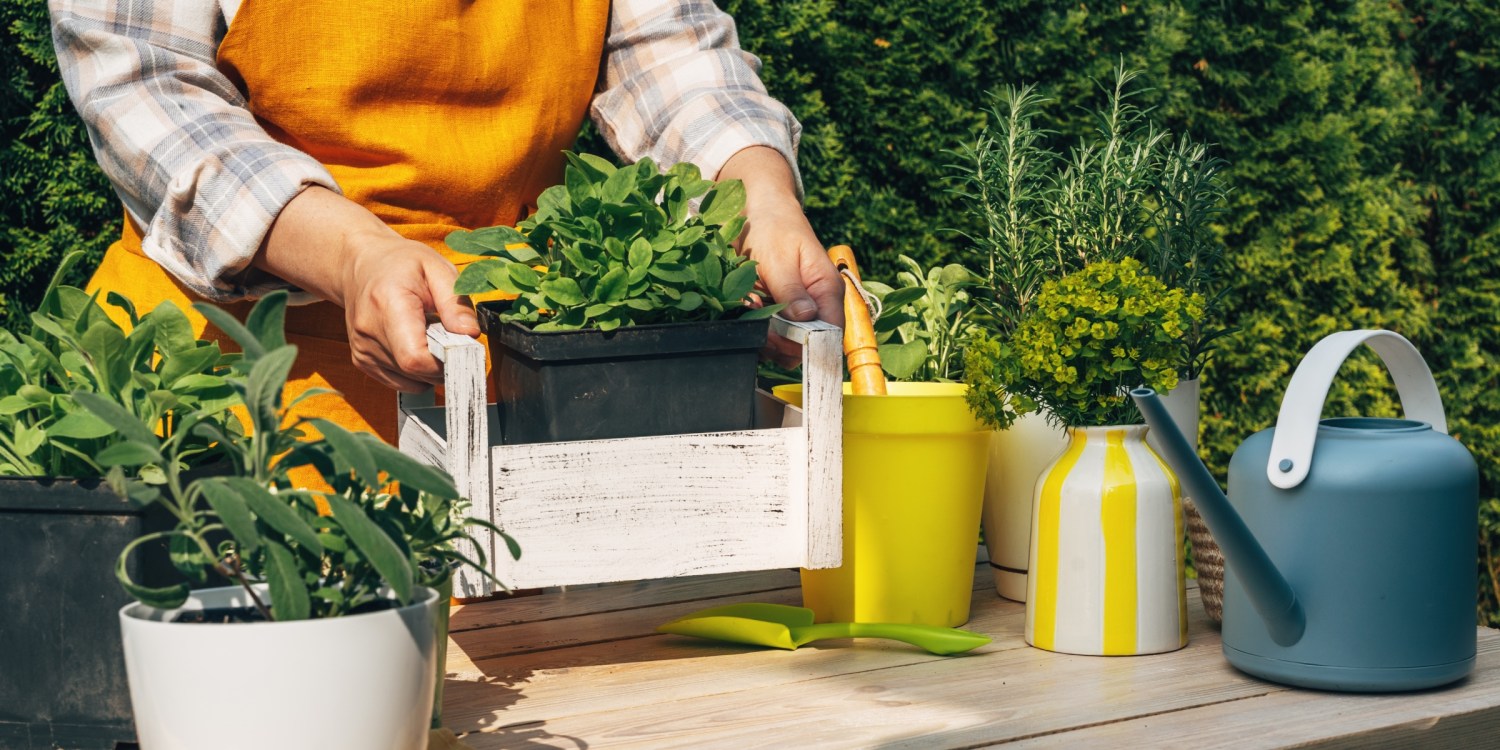
Start with well-draining soil rich in organic matter. Herbs like basil and cilantro thrive in loose, fertile beds. Space seeds according to packet instructions, but err on the side of slightly wider spacing to ensure air circulation and reduce disease risk. Proper spacing reduces the need for thinning later, saving labor costs.
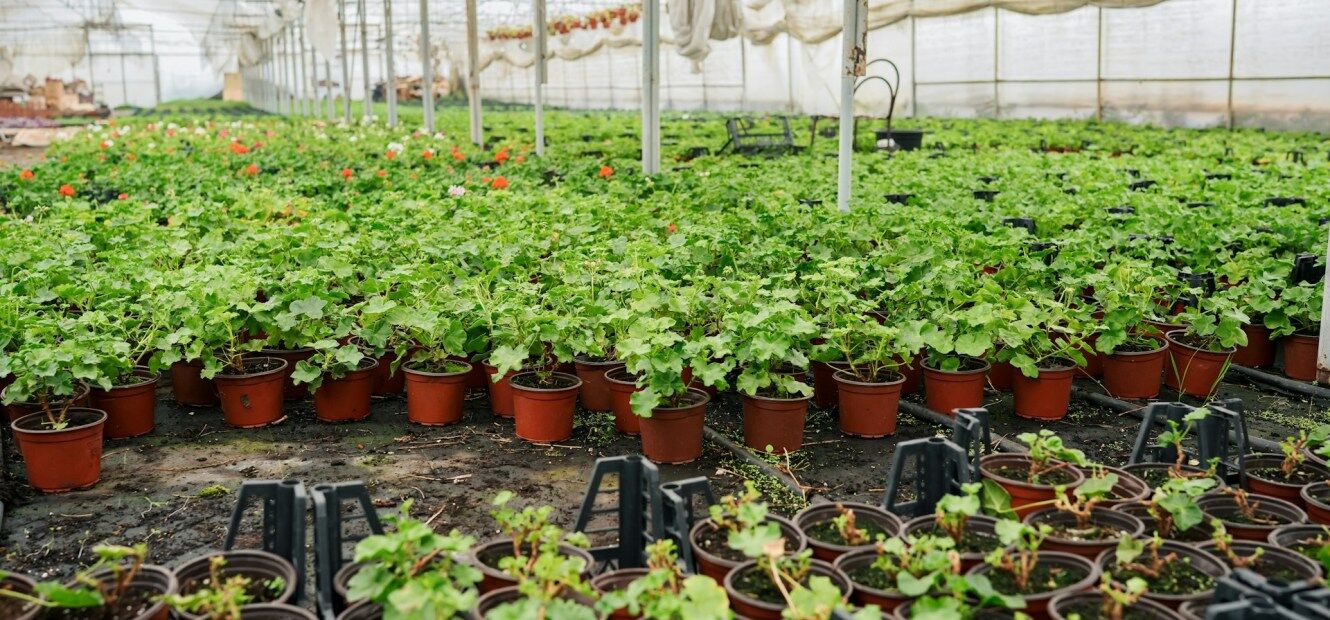
Map out your planting calendar so that every two weeks, you sow a new row or tray. This creates a rolling harvest window. For fast-growing herbs like cilantro and arugula, this cycle might be every 10-14 days. For slower-growing herbs like rosemary or thyme, focus on maintaining a steady stock of established plants rather than frequent re-seeding.
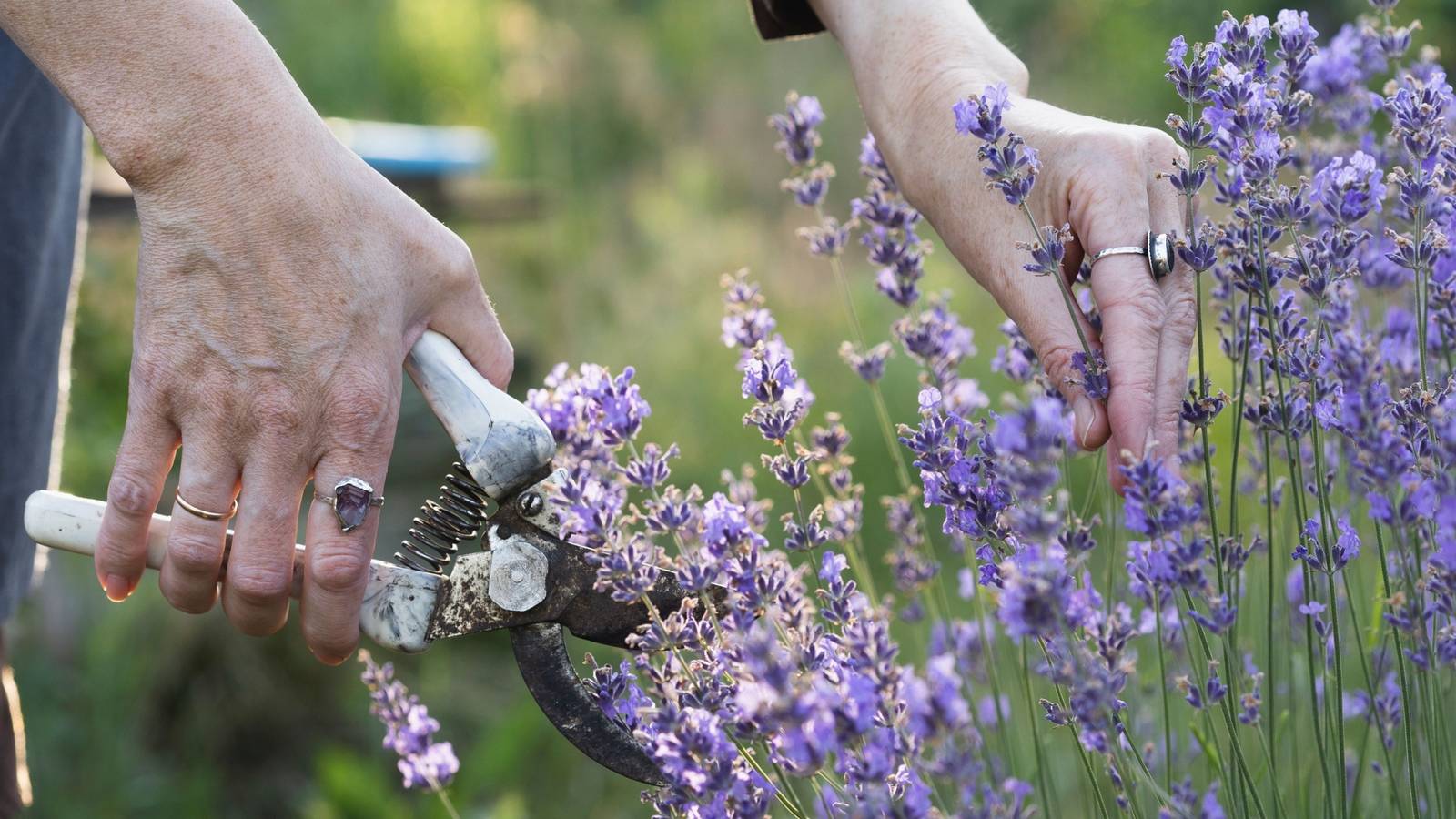
Harvest early in the morning after the dew has dried but before the midday heat. This is when essential oil content is highest, maximizing flavor and aroma. Use clean, sharp shears to cut stems just above a leaf node. Avoid pulling plants by the roots unless you are clearing the bed entirely, as this damages surrounding roots and reduces future yields.
Move harvested herbs to shade immediately. Remove any damaged or yellowed leaves. Pack them in breathable containers or damp towels to maintain humidity without causing rot. The goal is to get the product from the field to the buyer within 24 hours. This "field-to-table" speed is your main competitive advantage over large-scale distributors.
Avoid overwatering, which is the most common mistake for new herb farmers. Herbs generally prefer slightly dry conditions; soggy soil leads to root rot and diluted flavor. Monitor moisture levels by checking the top inch of soil. If it's dry, water deeply. If it's damp, wait. Consistent, moderate moisture produces the most potent and marketable herbs.
Package and sell your herbs
Packaging determines whether your herbs stay fresh long enough to reach the customer’s plate and whether your product looks professional enough to justify a premium price. A bruised bunch of basil or a soggy container of parsley signals carelessness, no matter how good the flavor is. You need a system that protects the product from the moment you harvest it to the moment it is picked up or delivered.
Start with the right containers. Clear plastic clamshells or deli cups allow chefs and shoppers to see the quality without opening the package. Line the bottom with a damp paper towel to maintain humidity, but avoid soaking the leaves. Wrap the stems loosely in plastic or use a breathable bag if you are transporting herbs over longer distances. The goal is to keep the herbs hydrated but not wet, preventing rot during transit.
Labeling is your silent salesperson. Include the herb name, harvest date, and your farm or brand name. For restaurants, adding a quick usage suggestion or storage tip can build trust and encourage repeat orders. For farmers markets, bright, clean labels with a QR code linking to your website or social media help capture customer data for future direct sales.
Distribution requires a tight schedule. Herbs are perishable; speed is your best ally. Deliver to restaurants early in the morning before their lunch service begins. For farmers markets, arrive at least two hours before opening to set up an attractive display. Keep a cooler with ice packs nearby to maintain cold chain integrity until the point of sale.
Common mistakes to avoid
Starting an herb business often fails because growers treat herbs like generic crops rather than perishable, high-value commodities. The margin for error is thin; a single misstep in soil management or harvest timing can turn a profitable season into a loss.
Neglecting soil health
Herbs are often grown in poor soil, but their flavor and potency depend on nutrient density. Over-fertilizing with nitrogen produces lush, watery foliage that lacks the essential oils buyers pay for. Test your soil regularly and amend with compost to build structure without overwhelming the plants.
Skipping succession planting
Restaurants and farmers' markets demand a constant supply, not a seasonal flood. Planting all your basil or cilantro at once creates a glut that crashes prices, followed by weeks of nothing. Stagger your plantings every two to three weeks to ensure a steady, predictable harvest flow.
Poor post-harvest handling
Herbs wilt quickly if not cooled immediately after picking. Leaving them in the sun or stacking them in hot bins destroys their shelf life before they ever reach the customer.
Ignoring market demand
Don't grow what you like; grow what buyers need. Chefs typically purchase basic culinary herbs like basil, dill, and parsley by the pound. Focusing on niche, low-volume varieties limits your customer base and complicates logistics. Stick to high-turnover crops until your sales channels are established.
Analyze soil pH and nutrient levels before planting. Amend with organic compost to ensure optimal conditions for essential oil production.
Schedule new seeds every two to three weeks. This ensures a continuous harvest rather than a single, overwhelming peak.
Remove field heat within an hour of harvest. Use hydro-cooling or ice baths to extend shelf life and maintain quality.
No comments yet. Be the first to share your thoughts!