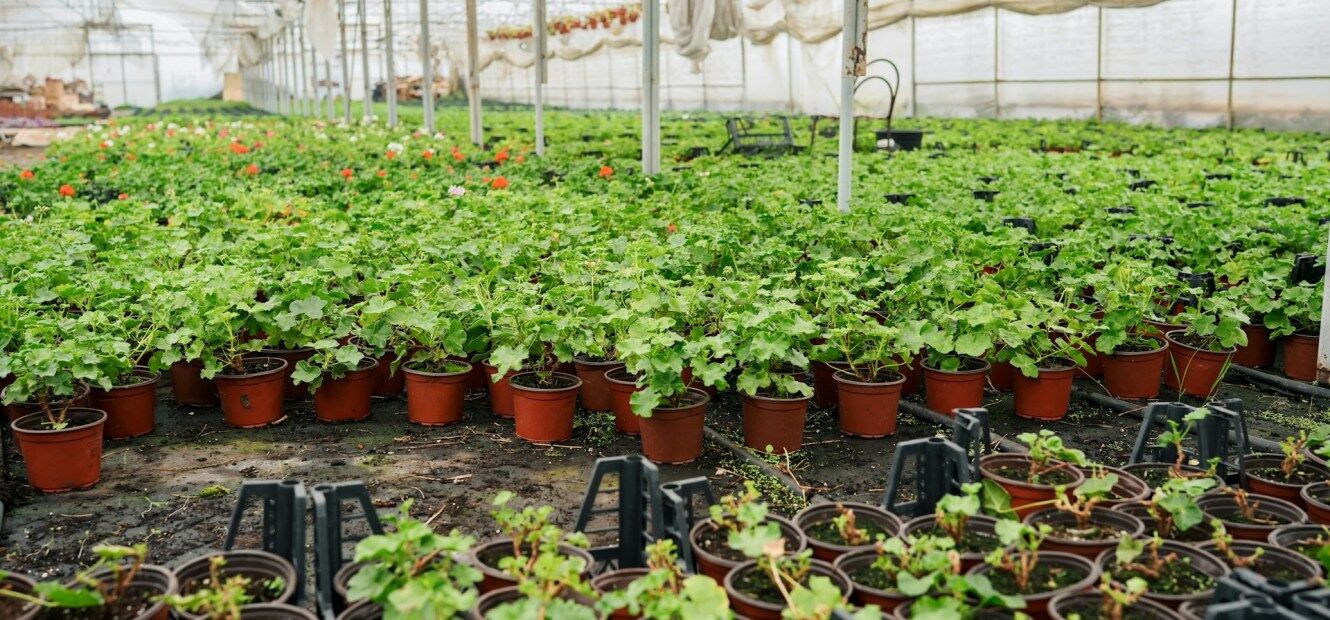

High-value herbs for commercial scale
Moving beyond backyard gardening requires focusing on crops with consistent demand and manageable logistics. For commercial farms, the goal is maximizing margin per square foot while minimizing post-harvest loss. The most profitable varieties share three traits: high yield frequency, strong wholesale demand, and relatively low sensitivity to minor handling errors.
Basil remains the volume leader in culinary herb sales. Its rapid growth cycle allows for multiple harvests per season, making it a cash-flow staple. However, its perishability demands a tight supply chain. Chives and oregano offer more stability; they are hardy, nutrient-dense, and retain quality longer during transport. Rosemary and dill round out the top tier, offering distinct flavor profiles that appeal to both restaurant buyers and retail packaging lines.
The table below compares the operational metrics of these top-tier commercial herbs. Yield per acre and harvest frequency directly impact your break-even point, while primary market channels determine your sales strategy.
| Herb | Yield per Acre | Harvest Frequency | Primary Market |
|---|---|---|---|
| Basil | High | Weekly | Restaurants, Retail |
| Chives | Medium | Bi-weekly | Wholesale, Dried |
| Oregano | High | Monthly | Dried, Essential Oils |
| Rosemary | Medium | Quarterly | Retail, Culinary |
While culinary herbs dominate volume, medicinal herbs like lavender and echinacea offer higher per-unit margins. These crops require longer growth cycles and often target the wellness or natural product sectors. For farms with established distribution networks, these high-value crops can significantly boost overall profitability, though they carry higher risk if market demand shifts.
Essential herb farming equipment list
Transitioning from small-scale to commercial herb production requires hardware that prioritizes throughput, hygiene, and shelf-life preservation. Hobbyist tools are not built for the volume or consistency required by wholesale buyers. This equipment list focuses on the core infrastructure needed to process, dry, and store high-value herbs like basil, oregano, and cilantro efficiently.
The first bottleneck in commercial herb farming is almost always post-harvest handling. Herbs wilt quickly, and moisture content directly impacts weight and quality. Commercial washing and drying systems are non-negotiable for maintaining the crispness and visual appeal that buyers demand. Without proper washing, soil and debris can lead to rejection at the distribution center. Similarly, improper drying leads to mold and loss of essential oils, destroying the product's market value.
Investing in dedicated processing equipment pays for itself through reduced labor hours and lower spoilage rates. The following tools represent the baseline infrastructure for a profitable commercial herb operation.


As an Amazon Associate, we may earn from qualifying purchases.
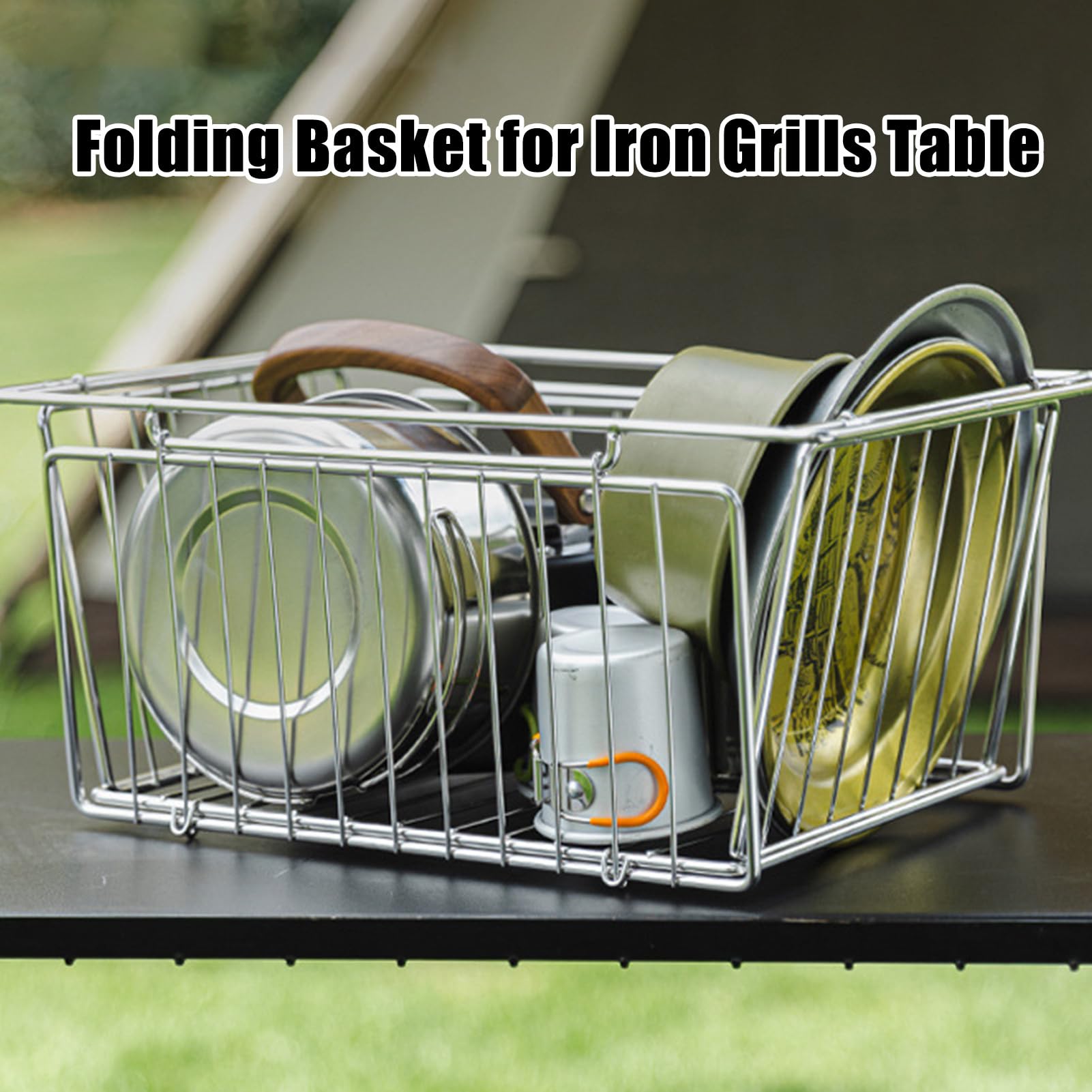
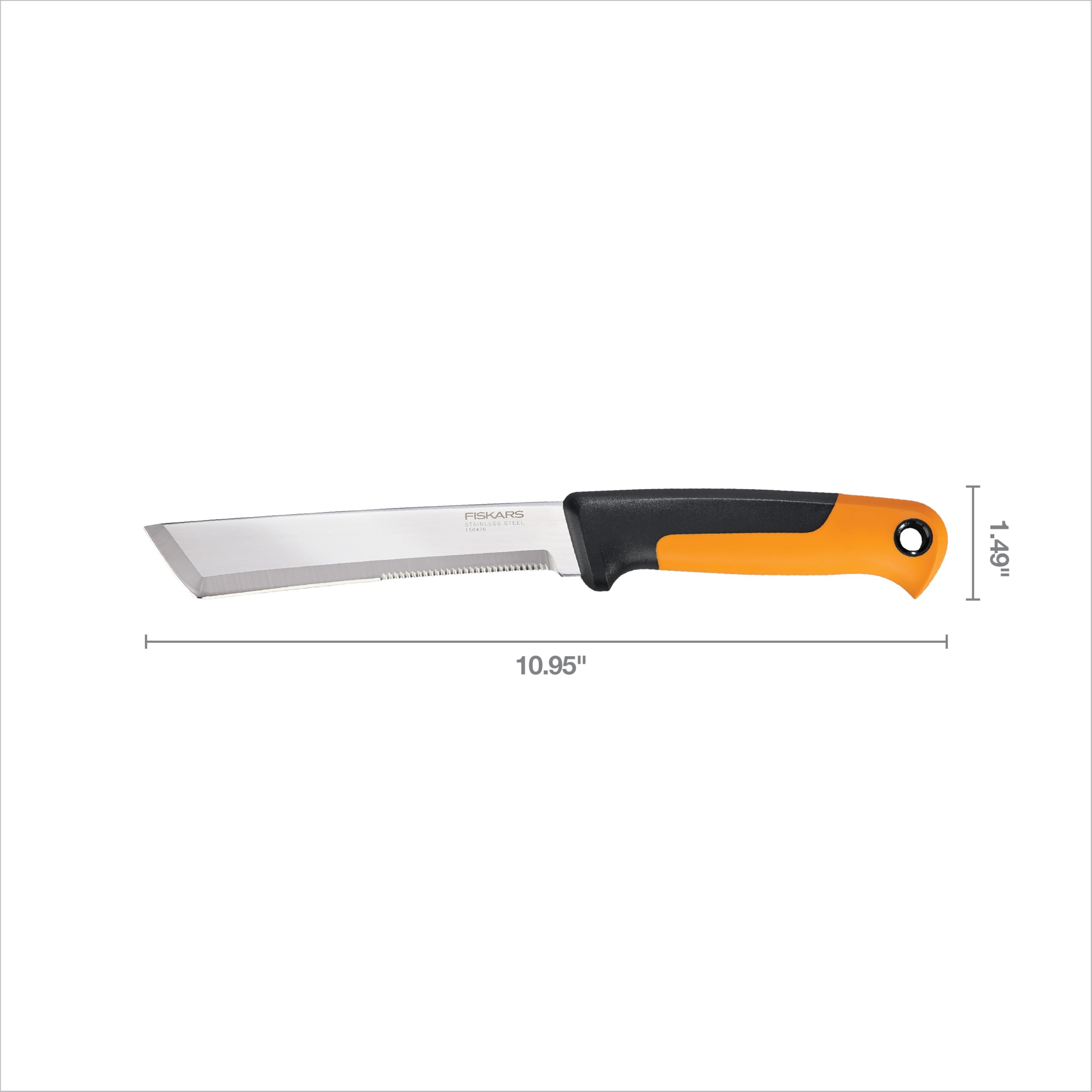
These items form the backbone of your processing line. A spiral washing machine ensures thorough cleaning without bruising delicate leaves. A large-capacity dehydrator with precise temperature control preserves the volatile oils that define the herb's flavor and aroma. Stainless steel bins are essential for hygiene and durability in a high-moisture environment. Finally, sharp, ergonomic harvesting knives reduce worker fatigue and ensure clean cuts that promote faster regrowth.
While the initial investment is significant, the return on investment comes from scaling your output without a proportional increase in labor costs. Proper equipment also ensures consistency, which is critical for building long-term contracts with restaurants and distributors. Focus on quality hardware that can handle your projected volume, rather than upgrading piecemeal as demand grows.
Setting up your commercial herb business
Launching a commercial herb operation requires shifting from seasonal gardening to industrial agriculture. The margin for error is slim, and the infrastructure costs are high. You are not just growing plants; you are managing a supply chain that demands consistency, volume, and strict quality control. Success depends on validating your market before you break ground and investing in infrastructure that supports high-yield, repeatable harvests.

Before planting a single seed, secure letters of intent or purchase agreements from buyers. Commercial buyers—such as restaurant groups, food processors, or wholesale distributors—require consistent volume and specific quality standards that small-scale growers cannot guarantee. Without a guaranteed outlet, you risk growing perishable inventory that spoils before it generates revenue. Focus on high-demand culinary staples like basil or rosemary, which offer predictable turnover, rather than niche medicinal varieties with volatile demand.

Commercial herb farming requires reliable, high-volume irrigation. Unlike traditional row crops, herbs often have shallow root systems and high water stress sensitivity. Verify that your land has adequate water rights and install drip irrigation systems to maximize efficiency. Soil testing is mandatory; herbs are sensitive to pH levels and nutrient imbalances. Amend your soil based on professional lab results to ensure optimal growth conditions for your chosen crop, whether that is high-yield basil or drought-tolerant oregano.

Your profit margin is determined after harvest. Invest in commercial-grade washing, drying, and cold storage facilities. Fresh herbs lose significant value within hours of picking if not properly cooled. For dried herbs, invest in dehydrators that maintain consistent temperature and airflow to preserve essential oils and color. This infrastructure reduces spoilage rates and allows you to store inventory to meet buyer contracts during off-peak seasons.
Commercial buyers often require specific certifications to purchase your product. Obtain organic certification if you plan to target the premium market, or GAP (Good Agricultural Practices) certification for broader wholesale distribution. These certifications validate your safety and quality standards, allowing you to access larger contracts with grocery chains and food service providers. Factor the cost and timeline of certification into your initial business plan.


As an Amazon Associate, we may earn from qualifying purchases.
The transition from hobbyist to commercial grower is defined by scale and precision. By securing buyers first and investing in the right infrastructure, you build a business that can withstand market fluctuations and deliver consistent value to your customers.
Target niche markets for higher margins
Commodity herbs like basil and parsley compete on volume, where thin margins define the business model. To increase profitability, commercial farms should pivot toward high-value segments such as medicinal varieties or specialty culinary ingredients. These niches command premium pricing because they serve specific industrial or gourmet needs rather than general grocery demand.
Medicinal herbs represent a stable, high-margin sector. Plants like ashwagandha and echinacea are in constant demand by supplement manufacturers seeking certified organic raw materials. Because these crops are processed into concentrated extracts, the value per pound is significantly higher than fresh leafy herbs. This shift allows farmers to sell in bulk to B2B buyers rather than navigating the perishability risks of fresh produce distribution.
Culinary specialties offer even more extreme profit potential for those willing to manage complex labor requirements. Saffron, often called "red gold," is the most expensive culinary herb globally. It requires meticulous hand-harvesting of crocus stigmas, which limits supply and drives prices between $5,000 and $10,000 per pound. While the labor intensity is high, the revenue per acre can outpace traditional crops by a wide margin.
Targeting these specific segments requires strict adherence to quality standards. Buyers in the medicinal and gourmet spaces verify sourcing rigorously. A farm that can guarantee potency, purity, and sustainable cultivation practices builds long-term contracts with processors and specialty distributors, insulating the business from volatile commodity market swings.
Common questions about growing herbs for profit
What is the most lucrative herb to grow?
Basil consistently ranks as the most profitable culinary herb for commercial farms due to its high demand in Italian cuisine and rapid growth cycles. While saffron offers unmatched revenue per acre, it requires specialized cultivation. For standard herb production, basil delivers the best balance of yield volume and market price.
What can I grow on 1 acre for profit?
Saffron is widely considered the most profitable crop per acre, often dubbed "red gold" for its high market value. However, it demands careful cultivation. For traditional herbs, dedicating an acre to high-turnover crops like basil or cilantro provides a more manageable and consistent profit stream for commercial operations.
How much profit can I make growing herbs?
Profit margins vary significantly based on the herb and sales channel. Direct-to-consumer sales of fresh herbs like chives and parsley often yield higher per-unit margins than wholesale contracts. Commercial farms typically see the strongest returns by focusing on hardy, high-volume crops like oregano and rosemary that withstand shipping and have long shelf lives.
No comments yet. Be the first to share your thoughts!