
Start your herb business plan right
Growing herbs for profit requires a shift in mindset. You are no longer just a gardener; you are a farmer managing inventory, supply chains, and customer retention. The difference between a hobby patch and a commercial operation lies in consistency, volume, and market alignment. Before you buy seeds, you need a clear plan that identifies who will buy your harvest and why they will choose your product over what’s already on the shelf.
Commercial herb farming thrives on high-turnover crops with consistent local demand. Instead of chasing exotic, low-volume specialties that might sit in a niche shop for months, focus on varieties that restaurants and farmers market regulars use weekly. Basil, cilantro, parsley, and dill are staples. They grow quickly, yield heavily, and have a reliable turnover rate. This approach reduces risk and ensures a steady cash flow, which is essential for covering operational costs like labor, packaging, and utilities.
Your business plan should also account for the specific growing conditions of your region. Not all herbs thrive in the same environment. For instance, rosemary, oregano, and thyme prefer drier conditions and can be grouped together for efficient irrigation. In contrast, basils and salad herbs need more moisture. Understanding these needs early helps you design your growing space—whether it’s a greenhouse, high tunnel, or open field—to maximize yield per square foot. A well-planned layout saves time, reduces water waste, and minimizes disease pressure, directly impacting your bottom line.
Finally, define your sales channels early. Will you sell directly to chefs at farmers markets, supply local grocery stores, or distribute through a CSA box? Each channel has different requirements for packaging, delivery schedules, and volume. By aligning your crop selection with your sales strategy, you create a business model that is resilient and scalable. Start small, test your market, and expand as you refine your growing techniques and customer relationships.
5 Profitable Herbs to Grow for a New Commercial Business
Starting a commercial herb business requires choosing crops with proven market demand and clear profit margins. This guide highlights five specific herb varieties that offer strong commercial viability, helping you build a sustainable inventory from day one.
-

Sweet Basil Genovese for Pesto Production
Genovese basil delivers the high essential oil content required for authentic pesto, making it a premium crop for local food processors. Grow this variety in full sun with consistent moisture to maximize leaf size and flavor intensity. Package fresh bunches for farmers markets or partner with nearby delis for bulk supply. The distinct aroma and tender texture command higher prices than standard basil varieties, ensuring strong margins for new commercial growers. -

Rosemary Tuscan Blue for Dried Bundles
Tuscan Blue rosemary features upright, narrow leaves that dry exceptionally well without losing their potent piney aroma. This hardy perennial thrives in well-drained soil, reducing irrigation costs and disease risk. Harvest stems before flowering, then hang them in ventilated spaces to create rustic dried bundles. These bundles sell well as kitchen decor and culinary accents, offering a low-maintenance, high-value product for boutique gift shops and home cooks seeking convenience. -
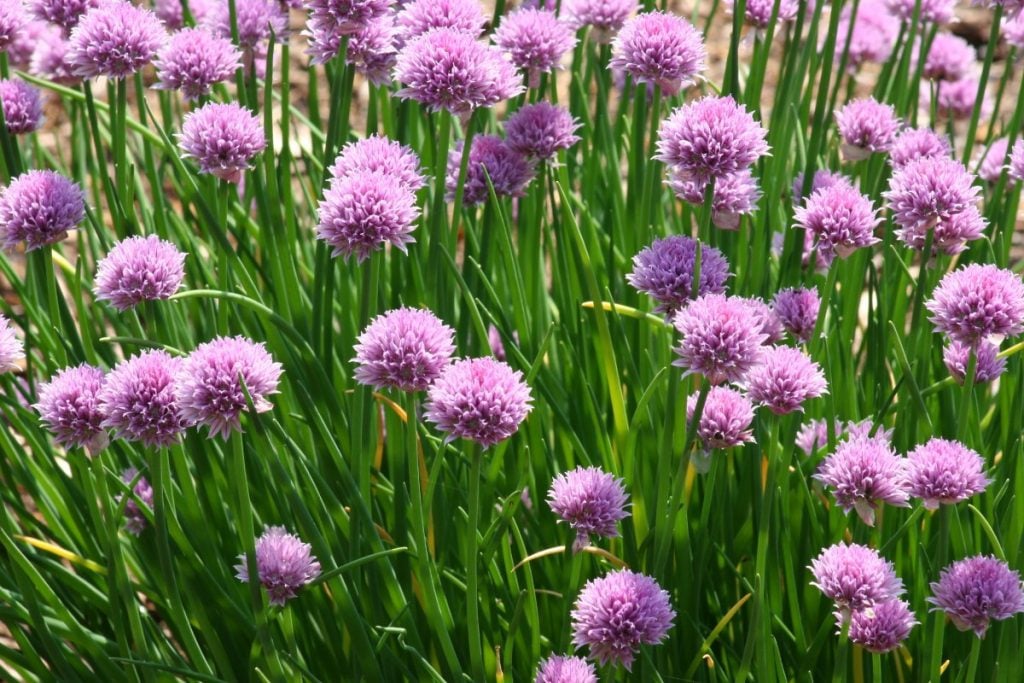
Chives Siberian for Early Season Harvests
Siberian chives offer superior cold tolerance, allowing harvests weeks before other herbs emerge from dormancy. Their thick, hollow stems retain crispness and mild onion flavor, making them ideal for fresh garnishes and specialty salads. Plant clumps in sunny beds with rich organic matter to ensure vigorous early growth. By capturing the early spring market gap, you can sell premium fresh chives to restaurants and farmers markets when supply is scarce and demand is high. -

Greek Oregano for Essential Oil Extraction
Greek oregano contains significantly higher carvacrol levels than common varieties, making it the gold standard for essential oil production. Grow this drought-tolerant herb in full sun to concentrate its potent aromatic compounds. Once dried and distilled, the resulting oil commands premium prices in aromatherapy and natural health markets. Partner with local distillers or sell raw dried material to manufacturers, leveraging the herb’s superior chemical profile for maximum commercial return. -
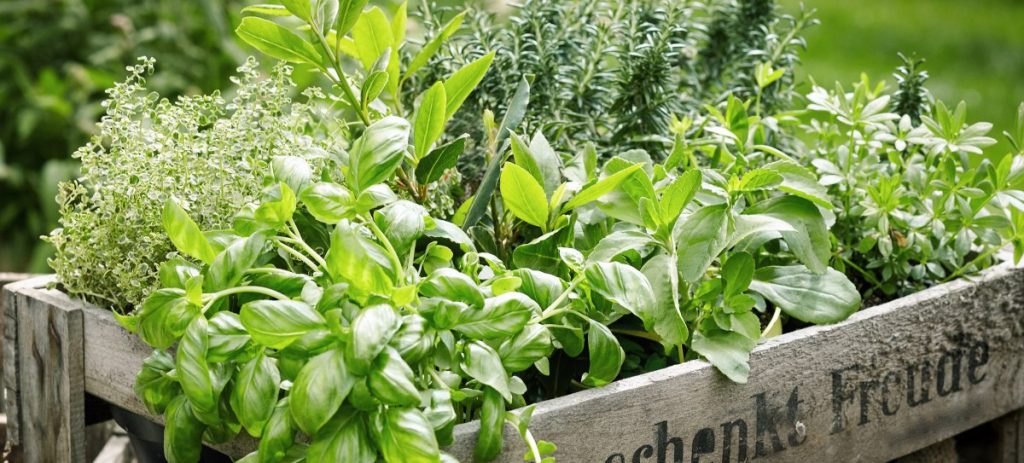
Thyme English for Culinary Spice Blends
English thyme provides the subtle, earthy notes essential for classic herb blends like bouquet garni and seasoning salts. This compact perennial grows densely, allowing for efficient spacing and high yield per square foot. Harvest before flowering for the most flavorful leaves, then dry gently to preserve volatile oils. Supply these dried leaves to spice companies and gourmet food manufacturers who require consistent, high-quality ingredients for their proprietary blend recipes.
Compare your top herb choices
Choosing the right herbs is less about guessing and more about matching your farm's conditions to market demand. You need crops that thrive in your specific climate while offering a reliable return. As noted by Johnny's Selected Seeds, pairing plants with similar water and sun requirements—like grouping rosemary, oregano, and thyme together—simplifies irrigation and boosts overall yield efficiency.
The table below breaks down the five most profitable herbs for new commercial growers, focusing on growth speed, water needs, and primary market channels. This comparison helps you decide which crop fits your available space and customer base.
| Herb | Growth Speed | Water Needs | Primary Market |
|---|---|---|---|
| Basil | Fast (4-6 weeks) | High | Restaurants, fresh retail |
| Rosemary | Slow (perennial) | Low | Dried products, retail pots |
| Chives | Medium (3-4 weeks) | Medium | Fresh garnish, local markets |
| Oregano | Medium (perennial) | Low | Dried blends, retail pots |
| Thyme | Slow (perennial) | Low | Dried products, retail pots |
Once you identify your top candidates, you will need reliable starting materials. High-quality seeds or starter plugs significantly impact your first harvest's success. The following products are popular among new commercial growers for establishing strong initial crops.


As an Amazon Associate, we may earn from qualifying purchases.
Your first steps to selling herbs
Launching a commercial herb business starts with securing your supply chain before you plant a single seed. Source high-quality, organic seeds or starter plants from reputable nurseries to ensure consistent growth and higher market value. Focus on reliable varieties like basil, cilantro, and mint, which offer quick turnover and steady demand.
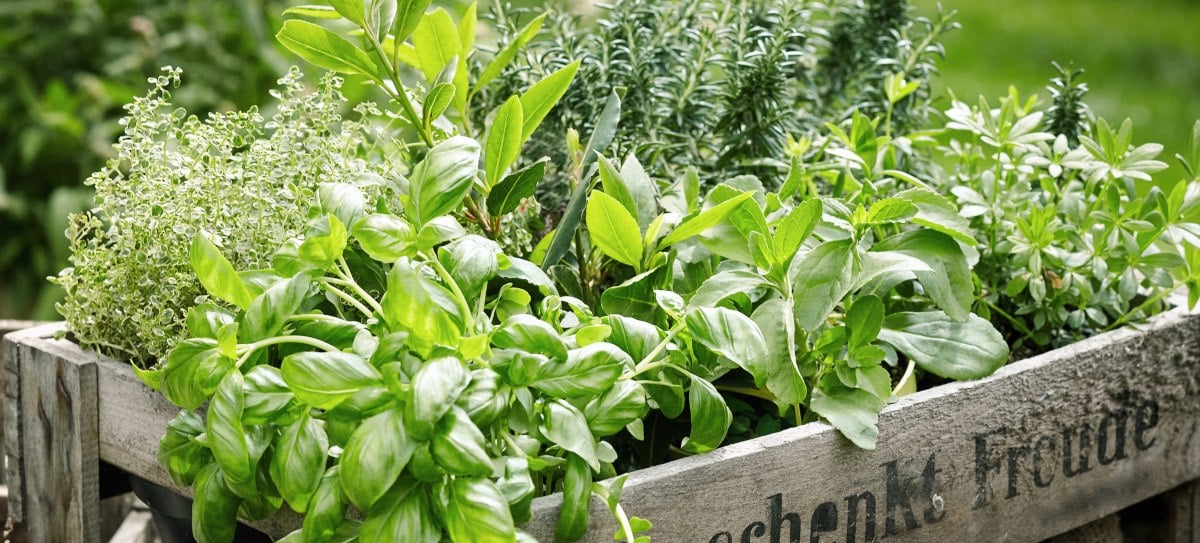
Identify a location with at least six hours of daily sunlight and access to clean water. Whether you use a greenhouse, raised beds, or a dedicated garden plot, ensure the soil is nutrient-rich and well-draining to support healthy root systems.
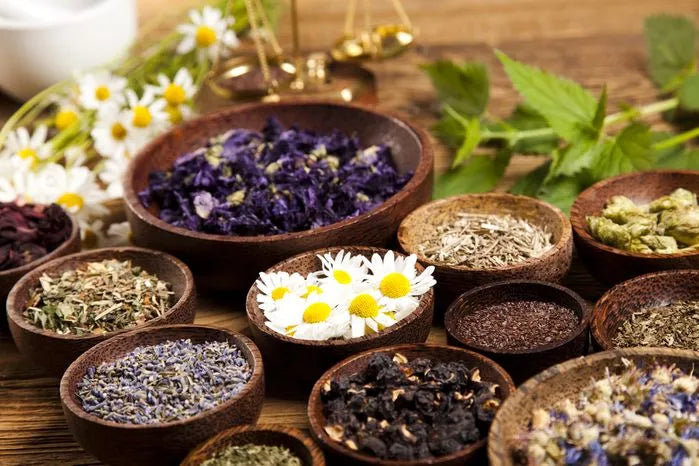
Buy certified organic seeds or starter plants from trusted suppliers. Starting with strong seedlings like basil or cilantro reduces early failure rates and gets you to harvest faster than growing from seed alone.
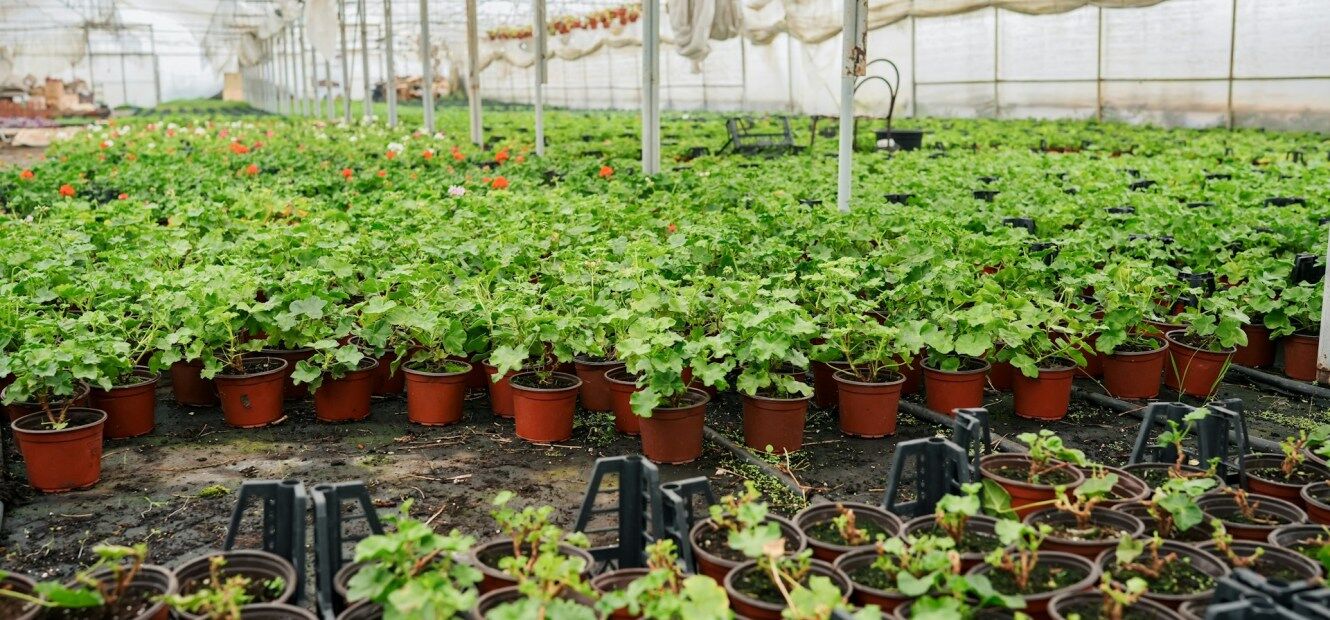
Before planting, talk to local chefs, farmers market managers, and grocery store buyers. Understanding their specific needs for fresh, high-quality herbs helps you plan your crop volume and timing to avoid waste.
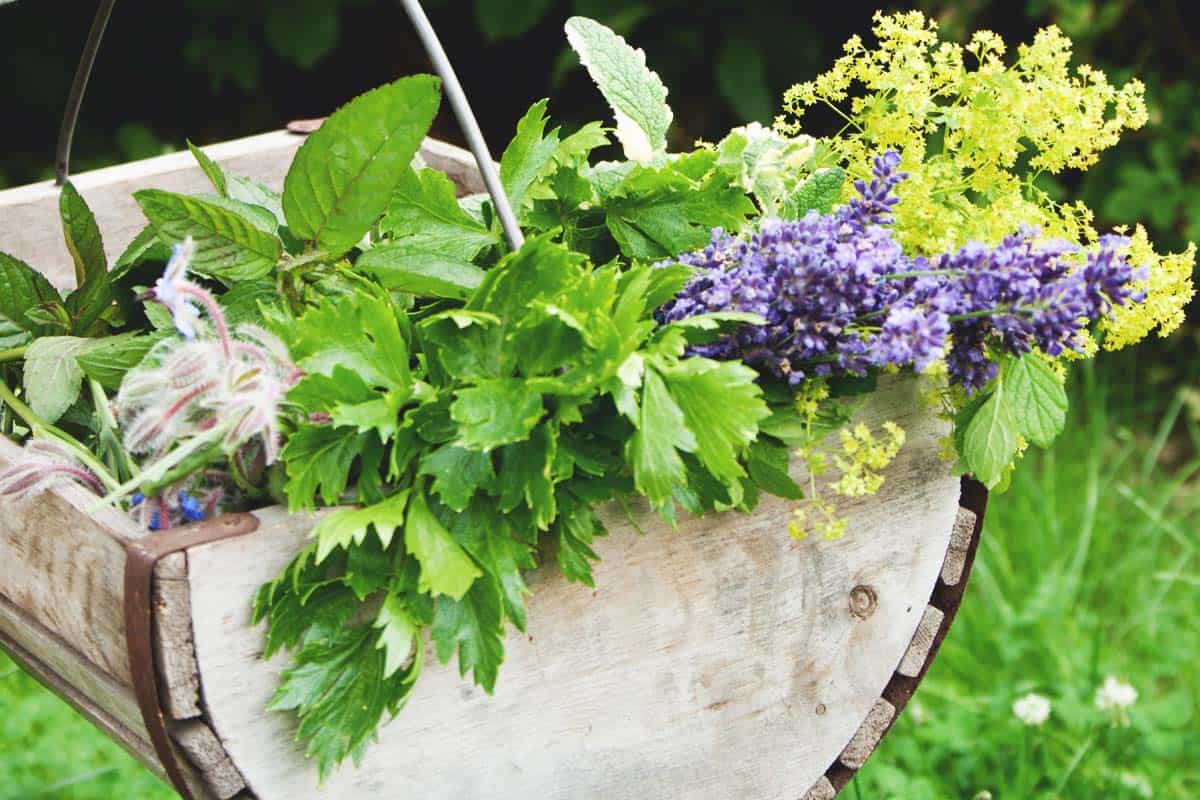
Calculate your costs for seeds, water, labor, and packaging. Research local market rates for similar herbs to set a price that covers your expenses while remaining attractive to buyers. Start with a slight premium for organic or locally grown claims.


As an Amazon Associate, we may earn from qualifying purchases.
By following these concrete steps, you build a solid foundation for a profitable herb business. Focus on quality and relationships with buyers early on, and your commercial venture will have the best chance for long-term success.
Common questions about herb farming
Starting a commercial herb business is exciting, but the logistics can feel overwhelming. Here are answers to the most frequent questions new growers ask about profitability and production.
How much land do I need to start?
You don’t need acres to begin. Many successful micro-herb businesses start in a small greenhouse or even a repurposed garage. The key is vertical space and controlled lighting. You can generate significant revenue from just a few hundred square feet if you focus on high-turnover crops like microgreens or basil.
What are the best markets for fresh herbs?
Local restaurants and farmers markets are your best entry points. Chefs pay a premium for fresh, aromatic herbs that taste superior to shipped alternatives. Saffron, while expensive to produce, commands the highest price per pound ($5,000 to $10,000), making it a lucrative niche for those with the patience and space to cultivate it carefully.
How do I dry herbs for long-term sales?
Proper drying preserves flavor and extends your product shelf life. Use a food dehydrator set to a low temperature (around 95°F) or hang bunches in a dark, well-ventilated area. Avoid direct sunlight, which fades color and destroys essential oils. Once dried, store them in airtight containers away from heat to maintain potency for months.
No comments yet. Be the first to share your thoughts!