
Pick high-margin herbs for 2026
Choosing the right crops is the first step toward a profitable herb business. In 2026, the most reliable income comes from culinary staples that restaurants and grocery stores buy in bulk. These herbs have consistent demand, fast growth cycles, and high turnover rates. Focus on varieties that chefs use daily, such as basil, cilantro, parsley, and dill.
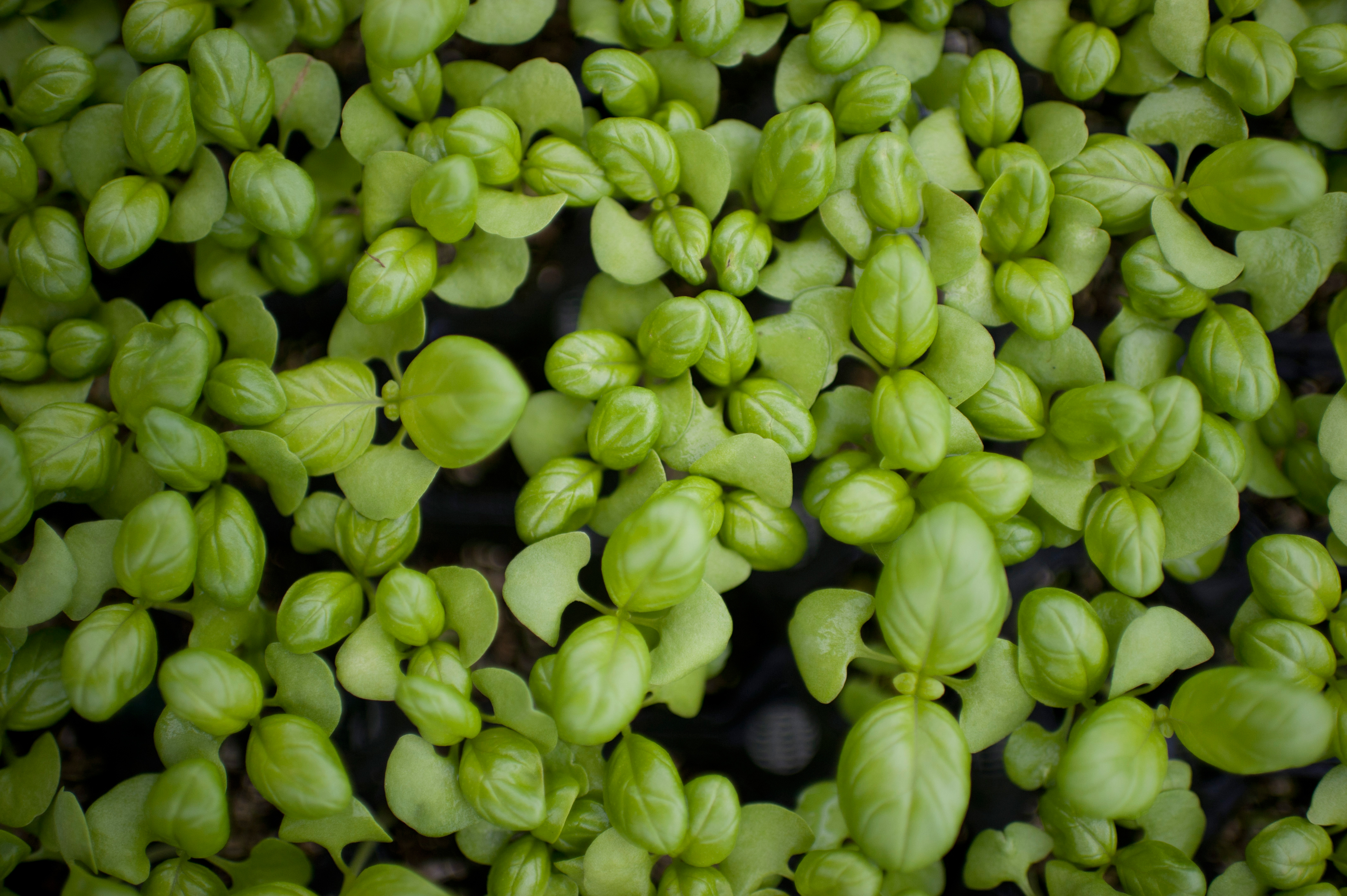
Basil is arguably the king of herb profitability. Its high yield per square foot and rapid regrowth after harvesting make it ideal for succession planting. Chefs often purchase basil by the pound, ensuring steady sales if you can maintain consistent quality. Cilantro and parsley are equally reliable, though they require careful temperature management to prevent bolting during warmer months.
Dill and mint offer additional revenue streams with less competition. Dill is essential for pickling and seafood dishes, while mint commands a premium price in the tea and cocktail markets. Start with these five high-margin varieties to build a stable foundation for your 2026 herb business. For detailed guidance on greenhouse production and harvesting techniques, refer to the New Crops & Organics guide.
Set up your growing space and tools
Commercial herb production demands a controlled environment to ensure consistent quality and yield. Whether you choose a greenhouse or an open field, the foundation of your operation lies in selecting the right location and equipping it with the necessary infrastructure. A well-planned setup minimizes labor costs and maximizes the health of your high-yield crops.
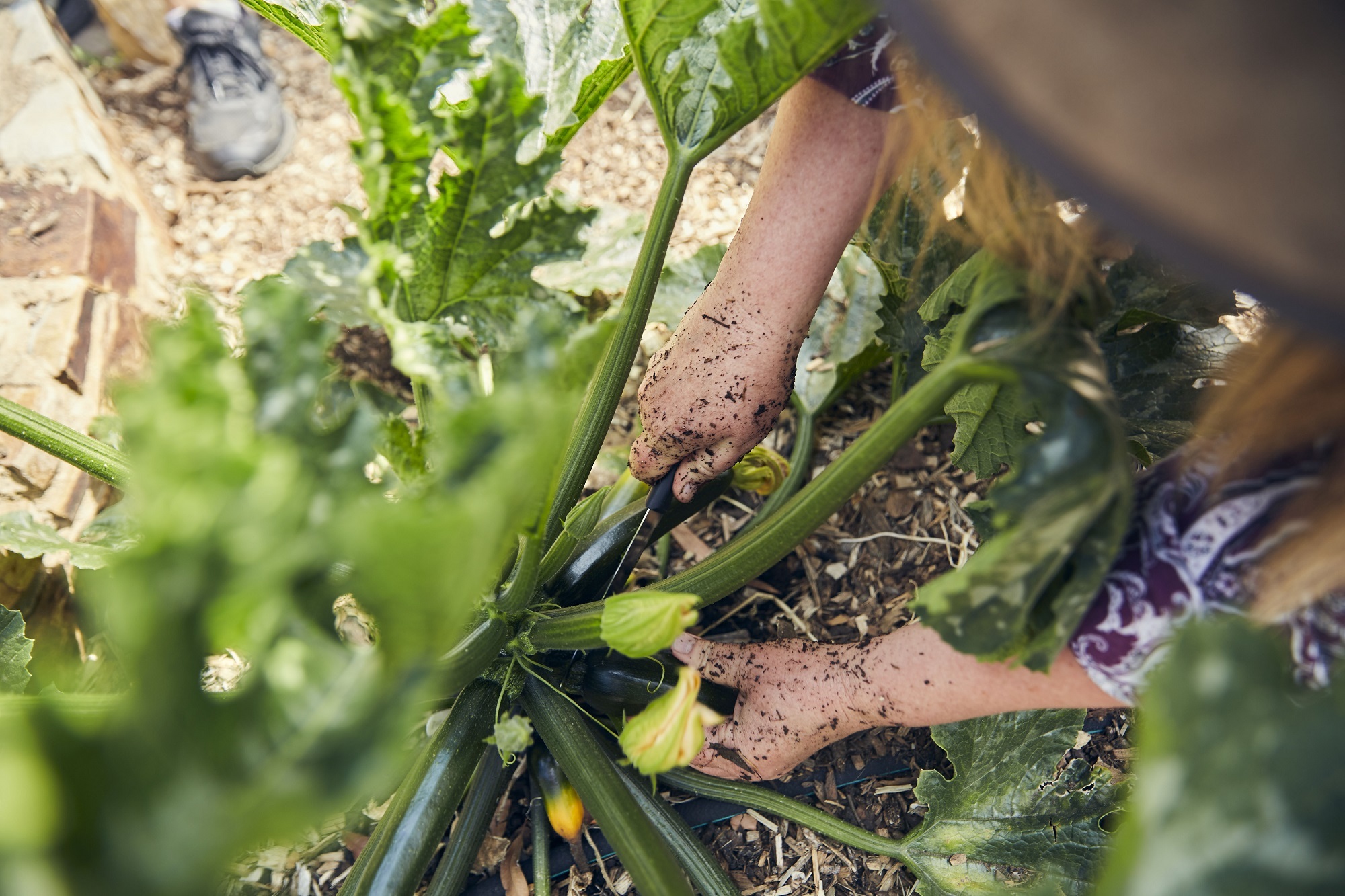
Decide between greenhouse and field production based on your target market and climate. Greenhouses offer climate control, extending the growing season and protecting crops from pests, which is often critical for high-value herbs like basil. Fields offer lower startup costs but expose plants to weather variability. Assess your local climate and market demand to determine which environment suits your business model best.
Invest in high-quality irrigation systems, trays, and growing media. Drip irrigation is often preferred for commercial herb production to deliver precise water and nutrient levels while reducing labor. Ensure your growing media is sterile and tailored to the specific needs of your chosen herbs. Proper equipment selection directly impacts plant health and harvest efficiency.
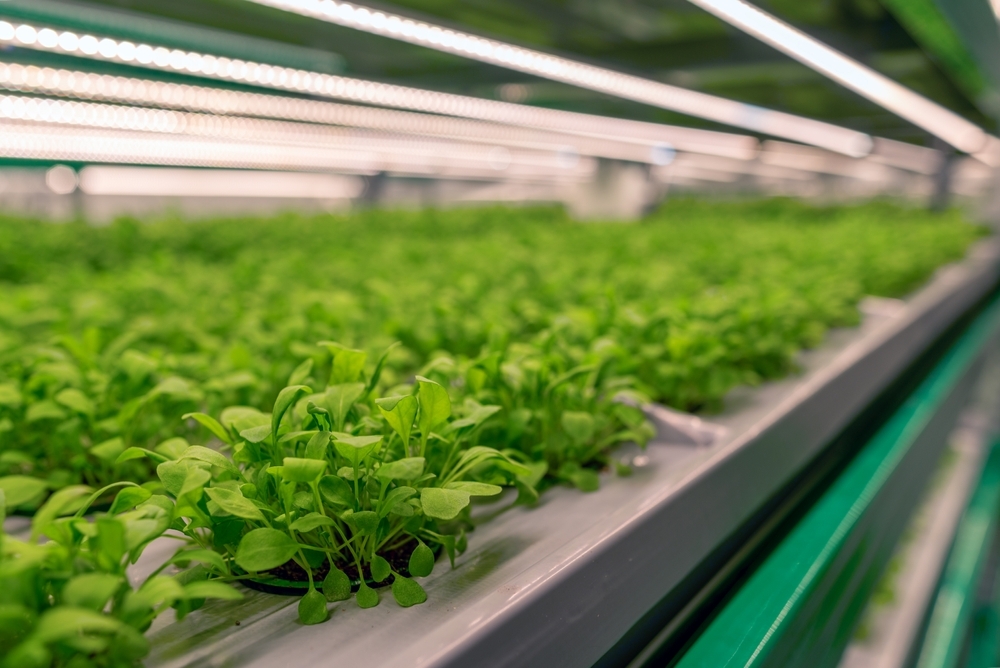
If using a greenhouse, install adequate ventilation and lighting systems. Proper airflow prevents fungal diseases and strengthens plant stems. Supplemental lighting may be necessary during darker months to maintain consistent growth rates. Balancing light and air is essential for producing robust, market-ready herbs.
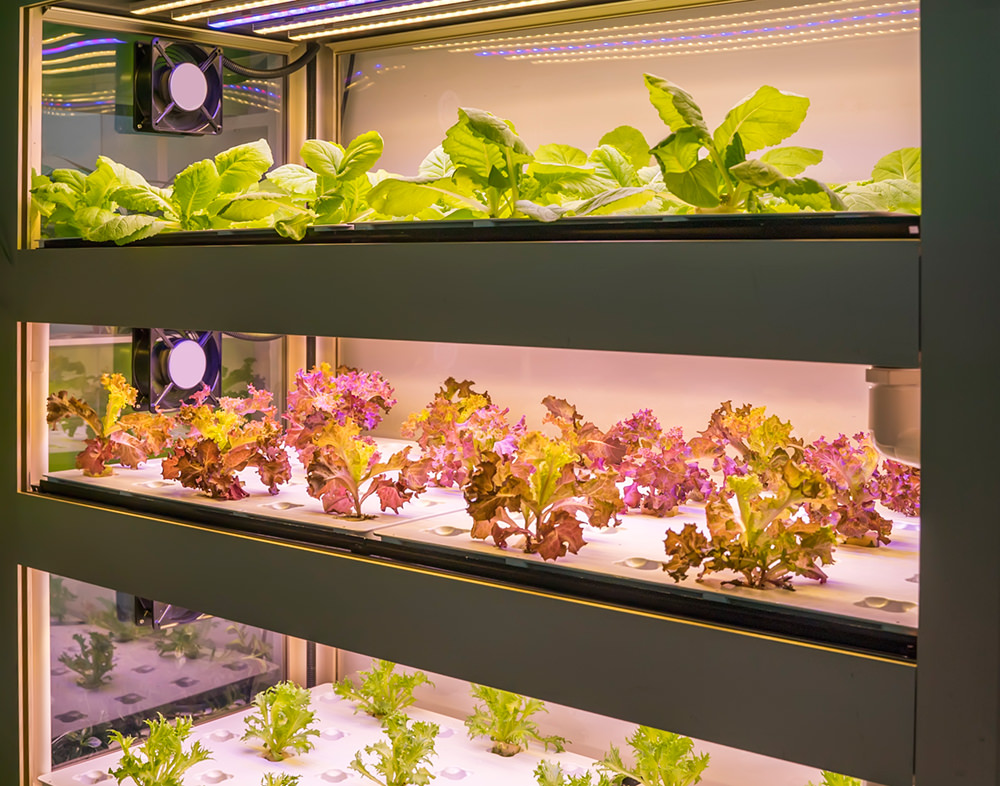
Design your space for efficient harvesting, processing, and storage. Arrange your growing area to minimize walking distance and streamline the post-harvest handling process. Include dedicated space for washing, drying, or refrigerating herbs to maintain freshness. A logical workflow reduces waste and ensures your product reaches customers in peak condition.
Setting up your growing space is the first major step toward a profitable herb business. By carefully selecting your environment and equipping it with the right tools, you create a foundation for consistent, high-quality production.
Plant and manage crops for yield
Getting high yields from profitable herbs to grow starts with a tight planting schedule and consistent maintenance. You aren't just growing plants; you are managing a production line. The difference between a hobby garden and a profitable crop is succession planting and soil health. Focus on volume for high-turnover herbs like basil, dill, and parsley, which chefs buy by the pound.
Begin with strong starts. Transplanting robust seedlings into your main beds or containers reduces shock and gets your herbs into the market faster. For perennials like lemon balm, catnip, and mint, plan for a season or two of growth before expecting significant harvest returns.
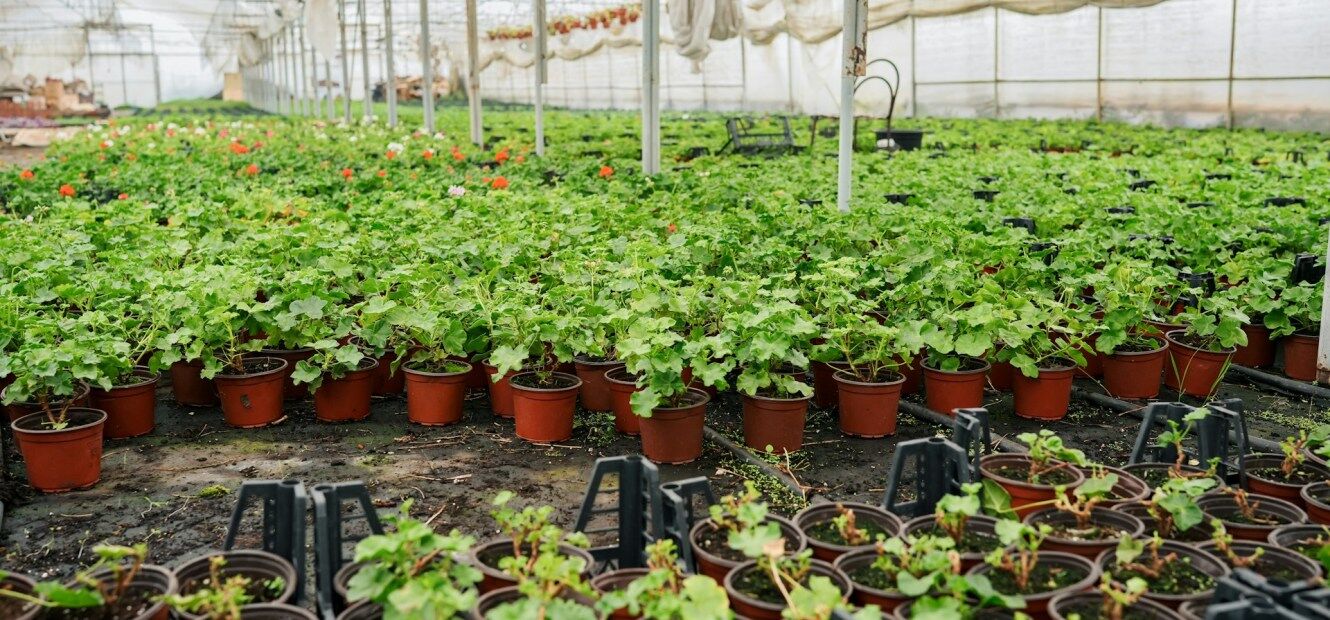
Don't plant everything at once. Stagger your sowings every two to three weeks to ensure a steady supply of fresh herbs for buyers. This prevents the "glut and famine" cycle where you have too much product one week and none the next.
Herbs are sensitive to water stress and nutrient deficits. Keep the soil consistently moist but not soggy, especially for leafy greens like cilantro and parsley. Feed with a balanced organic fertilizer to support rapid leaf growth, which is where the profit lives.
Inspect your crops weekly. Early detection of aphids or fungal issues saves your entire yield. Use neem oil or insecticidal soap only when necessary, and always follow pre-harvest intervals to ensure your product is clean and safe for chefs.
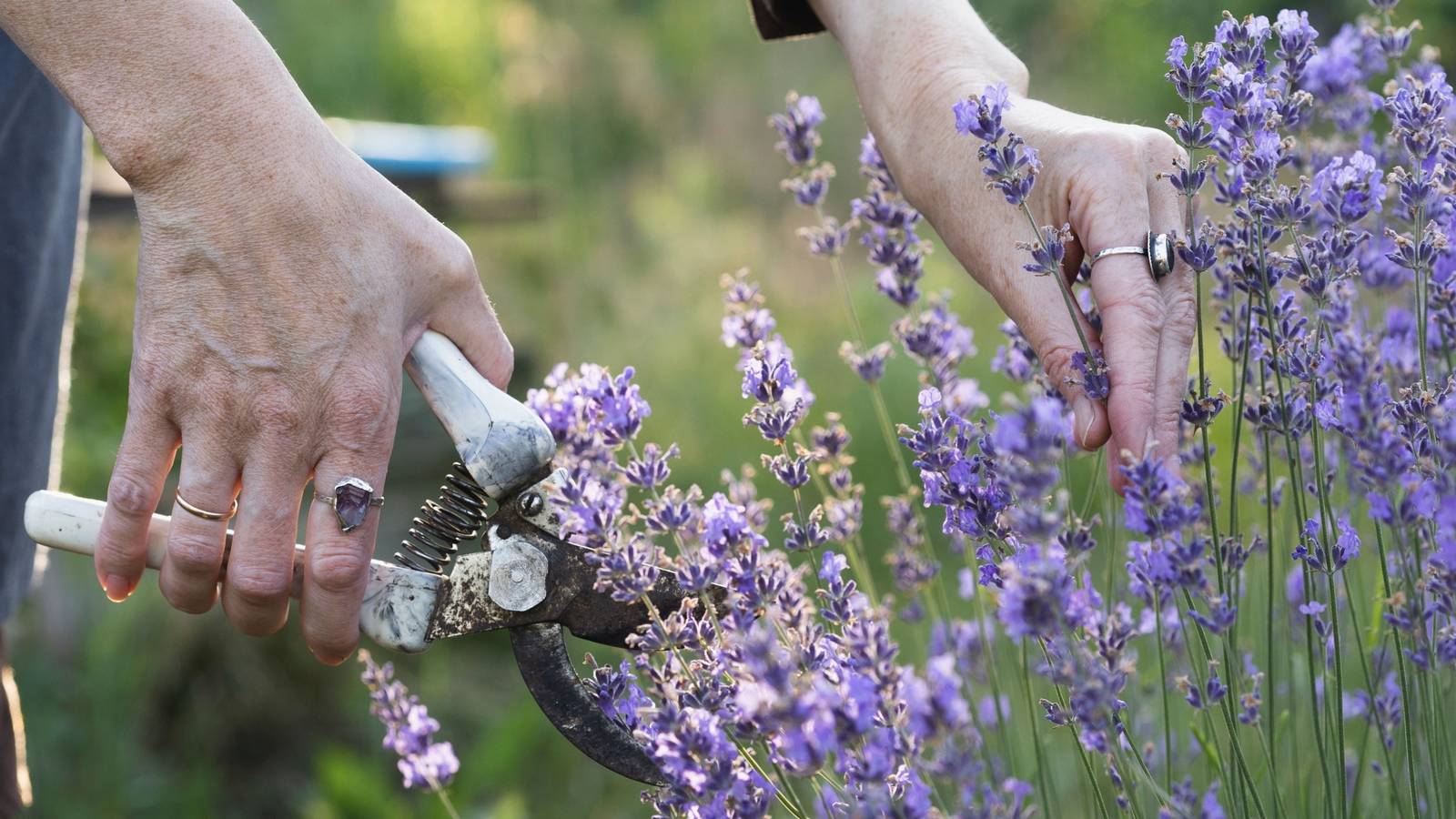
Harvest in the morning after the dew has dried but before the midday heat. This is when essential oils are most concentrated. Cut herbs just above a leaf node to encourage new growth, allowing you to harvest the same plant multiple times.
By treating your herb farm like a factory floor, you maximize every square inch of growing space. Consistency in planting and harvesting turns a simple crop into a reliable income stream.
Harvest and sell for maximum profit
Turning your herb garden into a revenue stream starts the moment you cut the first stem. The difference between a wilted mess and a premium product is how quickly you handle the crop after harvest. Chefs and farmers market regulars pay for freshness, so your goal is to move the herbs from soil to packaging as fast as possible.
Handle with care
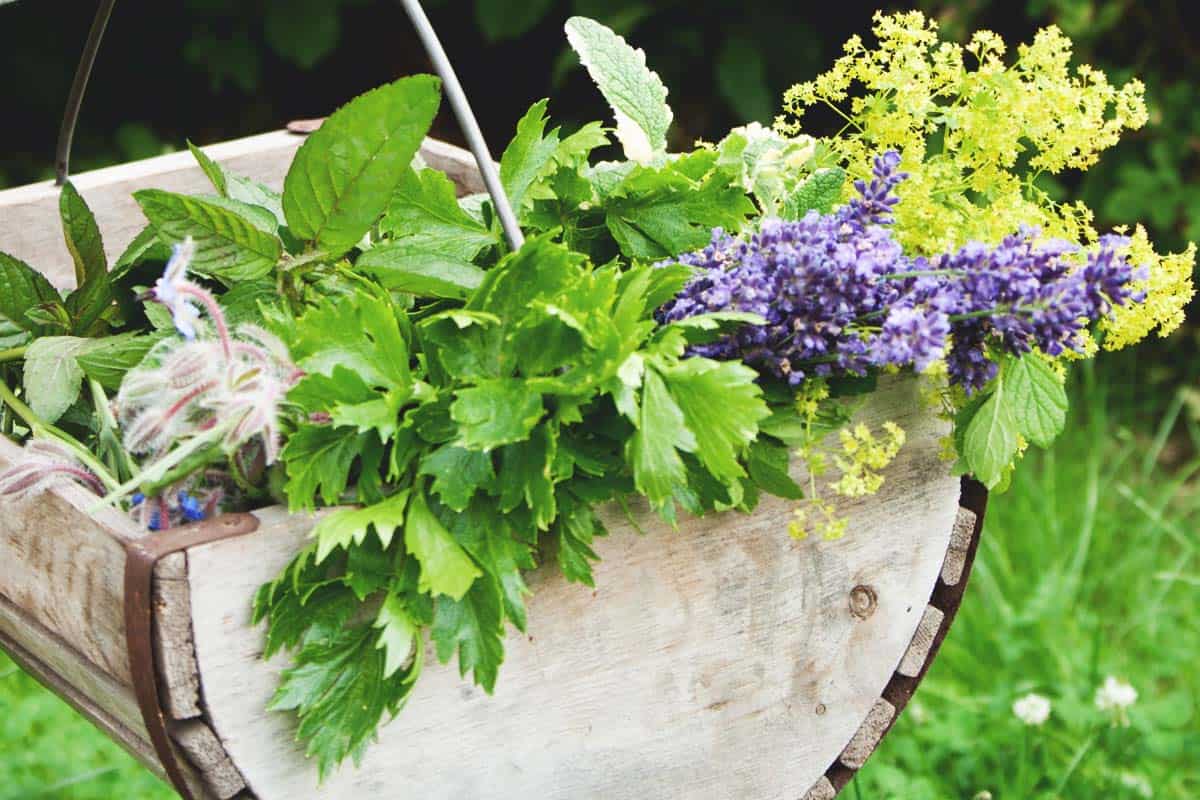
Think of harvested herbs like cut flowers. They are still breathing and losing moisture. For high-volume crops like basil, dill, and parsley, success depends on quick cooling and clean cutting. Harvest in the early morning when the plants are fully hydrated. Immediately place stems in cool water to remove field heat. This step alone can extend shelf life by several days, making your product more attractive to buyers.
Package for presentation
Presentation drives sales. Bundle herbs tightly with a rubber band or twist tie, then wrap the stems in a damp paper towel. Place the bundle inside a perforated plastic bag to maintain humidity without trapping excess moisture that causes rot. Label each bundle with the herb name and harvest date. Clear, simple packaging tells customers the product is fresh and cared for.
Choose your sales channel
Your sales strategy should match your volume. Growing large plantings of basic culinary herbs allows you to sell by the pound to restaurant chefs who value consistency. For smaller yields, farmers markets or local grocery stores offer higher per-unit prices. Succession planting ensures you have a steady supply throughout the season, keeping your buyers coming back.
-
Harvest early morning when plants are hydrated
-
Cool stems immediately in cold water
-
Wrap in damp paper towel and perforated bag
-
Label with name and harvest date
-
Deliver or display within 24 hours
Common mistakes to avoid in herb farming
Even experienced growers hit snags when scaling up. The difference between a hobby patch and a profitable crop usually comes down to a few predictable errors. Spotting these pitfalls early saves time, money, and heartache.
Overwatering and poor drainage
Herbs like basil, rosemary, and thyme hate wet feet. Soggy soil invites root rot and fungal diseases that can wipe out a harvest overnight. Ensure your beds or containers have excellent drainage and let the top inch of soil dry out between waterings. If you are growing indoors, check that your pots have holes and use a well-aerated potting mix rather than heavy garden soil.
Ignoring succession planting
One big harvest isn't enough for consistent income. If you plant all your basil at once, you will have too much to sell all at once, followed by weeks of nothing. Succession planting means sowing small batches every two to three weeks. This keeps your supply steady for farmers' markets and local restaurants, ensuring a reliable cash flow throughout the growing season.
Harvesting at the wrong time
The flavor and oil content of herbs peak just before they flower. Harvesting too late makes the leaves bitter or woody, while harvesting too early yields low volume. For leafy herbs like cilantro and parsley, cut in the morning after the dew dries but before the midday heat. For flowering herbs like lavender, wait until the buds are fully formed but not yet open. Proper timing ensures you get the highest quality product, which commands the best price.
Skipping pest scouting
Aphids, spider mites, and whiteflies can decimate a crop in days. Regularly inspect the undersides of leaves for signs of infestation. Catching pests early allows you to use targeted, organic controls like neem oil or insecticidal soap before the problem spreads. A quick daily walk-through of your garden is the most effective insurance policy for your herb profits.
No comments yet. Be the first to share your thoughts!