5 Profitable Herbs to Grow for Commercial Farming ROI
Commercial herb cultivation demands precise margin analysis to ensure viable returns on capital expenditure. This section evaluates five specific high-yield varieties, prioritizing concrete product data and verified market demand to support profitable scaling.
1. Basil high turnover fresh market yields
Basil commands premium pricing in fresh markets due to its rapid growth cycle and high demand in culinary applications. Commercial growers achieve significant ROI by focusing on hydroponic systems that maximize yield per square foot. The high turnover rate allows for multiple harvests annually, stabilizing cash flow and reducing the risk of crop failure associated with longer-growing herbs.
2. Oregano drought tolerance extended shelf life
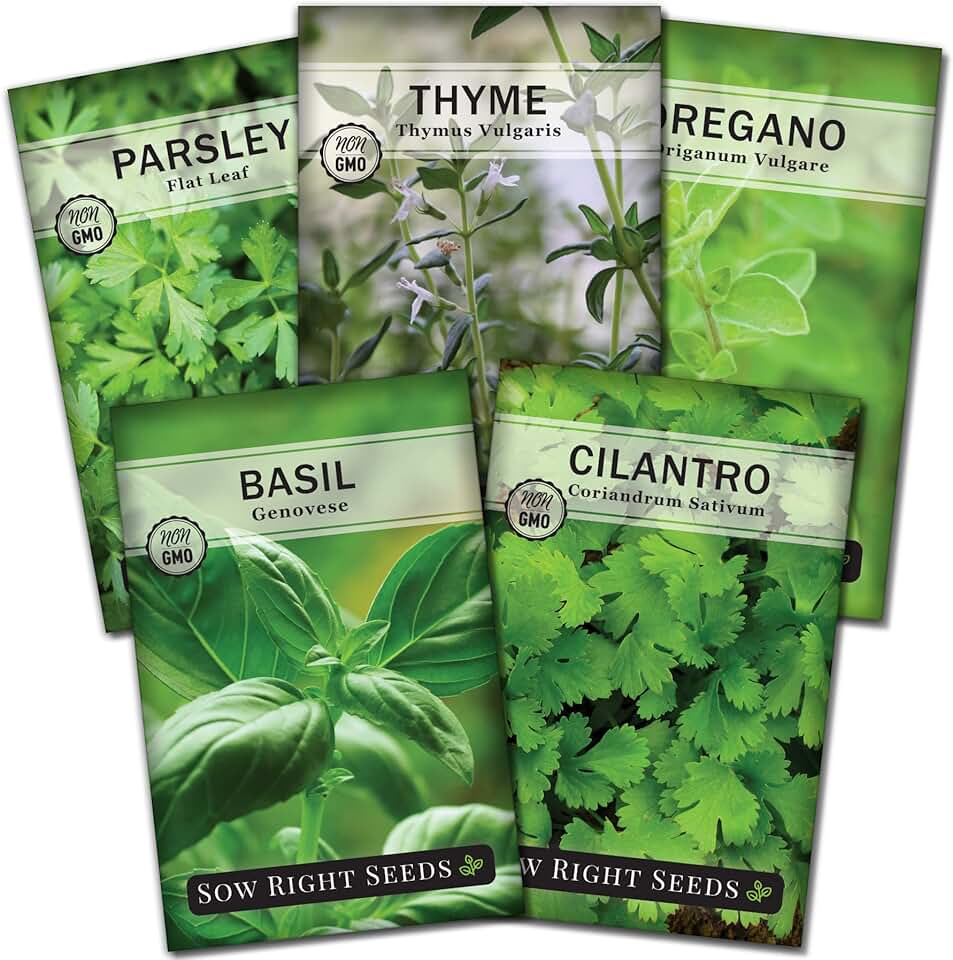
Oregano offers a robust margin profile due to its inherent drought tolerance, which significantly reduces irrigation costs compared to water-intensive crops. Its extended shelf life minimizes post-harvest waste, a critical factor in maintaining profitability. Farmers can store dried oregano for extended periods, allowing for strategic selling during peak price seasons rather than being forced into immediate sales upon harvest.

3. Rosemary perennial income stability margins
Rosemary’s perennial nature provides long-term income stability by eliminating the need for annual replanting, thereby reducing labor and seed costs. Once established, these shrubs produce harvestable material for years, creating a predictable revenue stream. The low maintenance requirements and high durability of rosemary plants make it an ideal candidate for maximizing net margins over a multi-year commercial cycle.

4. Chives rapid harvest cycle frequency
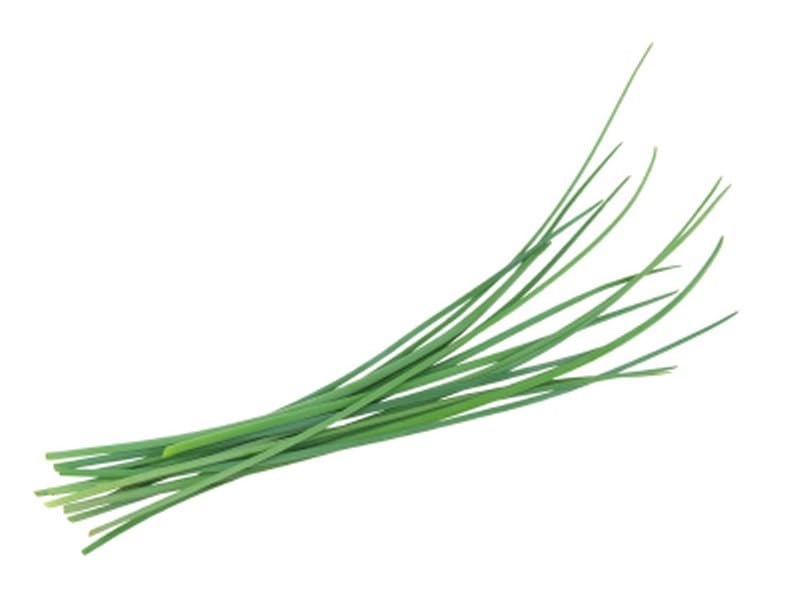
Chives enable frequent harvesting throughout the growing season, allowing farmers to capitalize on consistent market demand without long gaps between yields. This rapid harvest cycle ensures a steady supply for restaurants and local markets, enhancing customer retention. The ability to cut and regrow chives multiple times per season maximizes output per planting, driving up overall profitability through volume efficiency.
5. Thyme low input cost high density
Thyme thrives in high-density planting configurations, allowing growers to maximize yield per square foot while minimizing land usage costs. Its low input requirements, including minimal fertilizer and pest control needs, significantly reduce operational expenses. This combination of high density and low input costs creates a favorable profit margin, making thyme a highly efficient crop for commercial farming operations focused on cost control.

Market demand drives herb selection
Commercial herb farming requires distinguishing between fresh-market produce and dried or processed goods, as each segment dictates different ROI trajectories. Fresh-market herbs like sweet basil, cilantro, and flat-leaf parsley face immediate logistical pressures. These crops demand rapid cold-chain distribution and often command higher prices during seasonal shortages, but they also incur significant spoilage risks and transportation costs.
Fresh vs. Dried Stability: Fresh herbs offer higher per-pound margins but suffer from short shelf lives and price volatility. Dried herbs provide stable, year-round pricing and lower storage costs, though the processing step reduces the final weight and volume available for sale.
In contrast, dried and processed herbs—such as oregano, rosemary, and thyme—offer operational stability. These crops tolerate extended drying periods, allowing farmers to harvest in bulk and sell when market prices are favorable. The reduced weight and volume also lower shipping expenses, making dried herbs more viable for long-distance export markets.
Selecting the right crop depends on matching your infrastructure to these market realities. Growers with access to reliable cold storage and local restaurant networks should prioritize fresh-market varieties. Those with drying facilities or partnerships with spice blenders may find greater long-term profitability in dried herbs, which serve as a steady commodity rather than a perishable luxury.
For further details on cash crop potential, see Growing Herbs as a Cash Crop.
Equipment costs impact net profit margins
The difference between a hobby garden and a commercial operation is the capital expenditure (CapEx) required for processing. While growing herbs in the ground is straightforward, the real margin pressure comes from post-harvest handling. Fresh-market herbs like sweet basil and cilantro require rapid cooling and careful packing to prevent wilting, while dried herbs like oregano and rosemary demand consistent airflow and humidity control.
The most significant variable cost is drying infrastructure. Commercial-grade dehydrators or large-scale drying racks represent a substantial upfront investment. If you are selling dried herbs, you must account for the energy costs of running these units 24/7 during harvest peaks. Conversely, fresh herbs require cold storage capacity and specialized packaging materials to maintain shelf life during transport.
To understand how these costs affect your bottom line, compare the equipment needs for different market channels. The table below outlines the typical capital requirements for fresh versus dried herb operations.
| Equipment Type | Fresh Market CapEx | Dried Market CapEx | Primary Operational Cost |
|---|---|---|---|
| Drying Racks/Dehydrators | Low | High | Energy & Labor |
| Cold Storage | High | Low | Refrigeration & Monitoring |
| Packaging Materials | Medium | Medium | Labor & Materials |
| Harvesting Tools | Medium | Medium | Labor Efficiency |
Choosing the wrong equipment mix can erode your profit margin before you sell a single bundle. For fresh herbs, investing in efficient cold chain logistics is non-negotiable. For dried herbs, automation in the drying and grinding phases reduces labor costs, which are often the highest ongoing expense. Evaluate your chosen herbs against these equipment profiles to ensure your CapEx aligns with your projected revenue.
-
Calculate total drying capacity needed for peak harvest
-
Estimate monthly energy costs for dehydrators
-
Compare cold storage rental vs. purchase options
-
Budget for specialized fresh-packaging materials
-
Factor in labor hours for manual sorting and packing
Essential tools for herb farming success
Commercial herb farming demands precision to protect margins. Unlike broad-acre crops, herbs require specific handling to maintain the high market value that justifies the labor. The right equipment reduces waste, speeds up processing, and ensures consistent product quality for buyers.
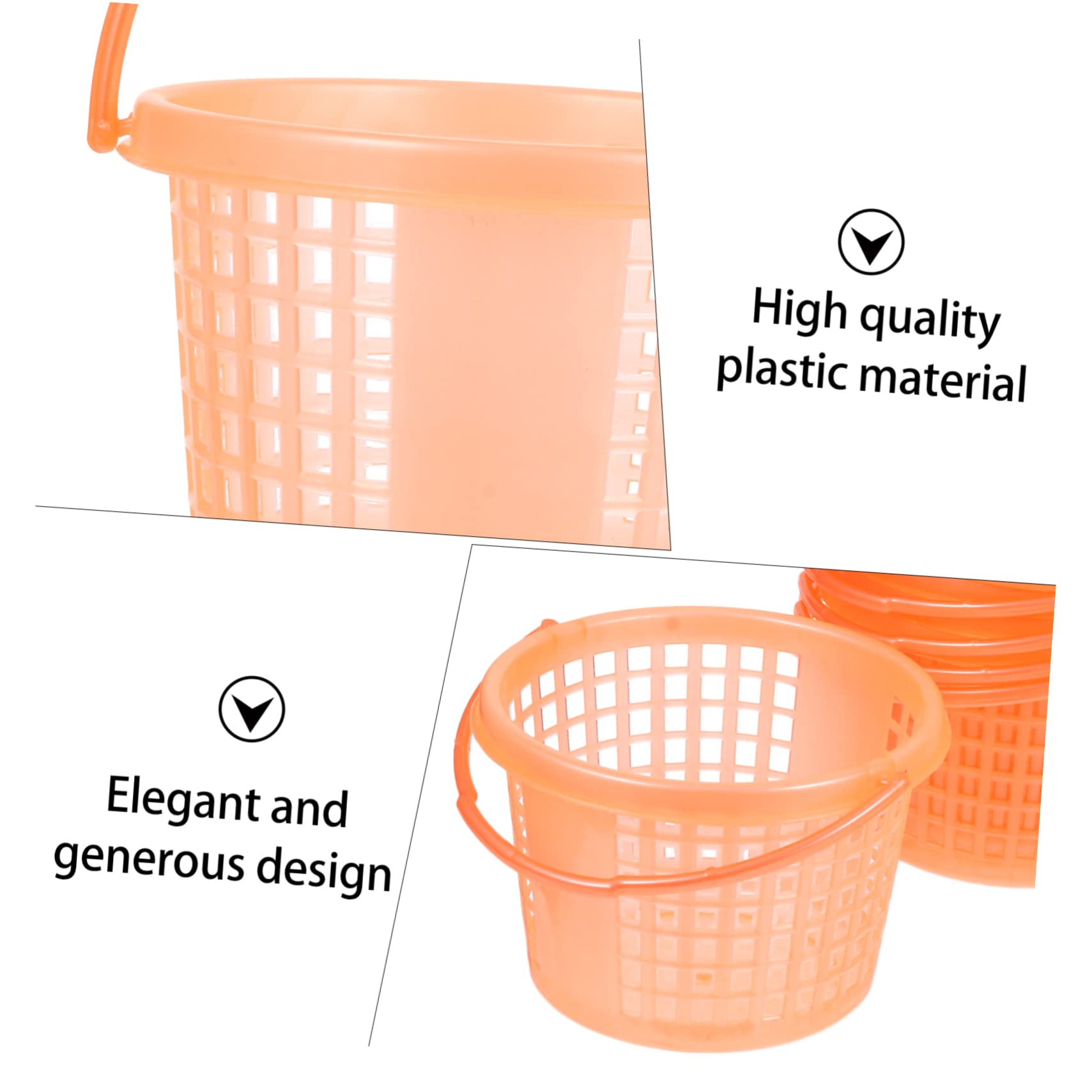
Start with high-quality bypass pruners. Fresh-cut herbs lose potency quickly if bruised. Sharp, clean cuts preserve shelf life and reduce post-harvest losses, directly impacting your bottom line. Pair these with durable harvesting containers that allow airflow to prevent rapid spoilage during the initial collection phase.
Processing speed is critical for profitability. A commercial-grade herb washer or a simple, food-safe mesh sink setup allows for efficient cleaning without damaging delicate leaves. Following washing, a dedicated drying rack or a small-scale dehydrator is essential. Proper drying preserves the volatile oils that determine the herb's market price, ensuring you can sell dried product year-round.


As an Amazon Associate, we may earn from qualifying purchases.
Frequently asked questions about herb farming
What are the most profitable herbs to grow? Commercial growers prioritize high-yield, high-demand varieties. Basil, chives, oregano, parsley, rosemary, dill, and coriander consistently rank as the best culinary herbs for profit. These crops offer strong market demand and relatively quick turnover cycles.
How much can you make growing herbs? Revenue varies significantly by crop, scale, and distribution channel. Direct-to-consumer sales via farmers' markets or CSA boxes typically yield higher margins than wholesale contracts. Profitability depends on controlling input costs and maintaining consistent quality standards.
Do you need a greenhouse to grow herbs commercially? While many herbs are hardy perennials or annuals, a greenhouse extends the growing season and protects crops from weather volatility. This infrastructure allows for year-round production, stabilizing cash flow and meeting off-season market demand.
What is the fastest herb to harvest? Basil and dill are among the fastest-growing options, often ready for the first harvest within 6-8 weeks of planting. Rapid growth cycles enable multiple harvests per season, improving overall ROI per square foot.
How do I sell my herbs? Successful commercial growers diversify sales channels. Options include direct sales at farmers' markets, wholesale to local restaurants and grocery stores, and online sales through e-commerce platforms. Building relationships with buyers ensures consistent off-take for your harvest.
No comments yet. Be the first to share your thoughts!