
Pick your profit crops
Choosing the right herbs is the foundation of a viable business. You want crops that balance high market demand with manageable growing conditions. Start by looking at what sells consistently in your local area. Culinary staples like basil, rosemary, and thyme are safe bets because restaurants and grocery stores buy them year-round. Medicinal and specialty herbs like lavender, echinacea, or chamomile often command higher prices per pound but may require more specific growing knowledge.
<Image src="/cdn/articles/5f4f8ee8-83fa-4548-b35e-a07e84900882-916bd6ce.jpg" alt="how to start herb business" />
Don’t overlook the power of simplicity. Many successful herbal businesses start with just one or two plants. Focusing on a single crop allows you to master the growing process, streamline your harvest, and build a strong brand around a specific product line. Whether you choose to sell fresh bundles, dried herbs, or essential oils, keeping your initial offering narrow reduces risk and lets you test the market without overextending your resources.
<TLDR>
Focus on high-demand culinary staples or high-margin specialty herbs. Start small with one or two crops to master your process before expanding.
</TLDR>
Set up your growing space
You don’t need a sprawling farm or a high-tech greenhouse to start a profitable herb business. Many successful growers begin in a garage, a spare bedroom, or a small backyard plot. The goal is to create a controlled environment that protects your plants from pests and weather while maximizing yield in a small footprint.
Startup costs for a basic home-based herb farm typically range from $2,000 to $10,000, depending on whether you choose indoor or outdoor methods. You can keep these costs low by focusing on essential infrastructure rather than luxury features. Think of this phase as building the skeleton of your business; it needs to be sturdy, but it doesn’t need to be fancy yet.
Here is how to set up a functional, low-cost growing space for commercial-scale production.
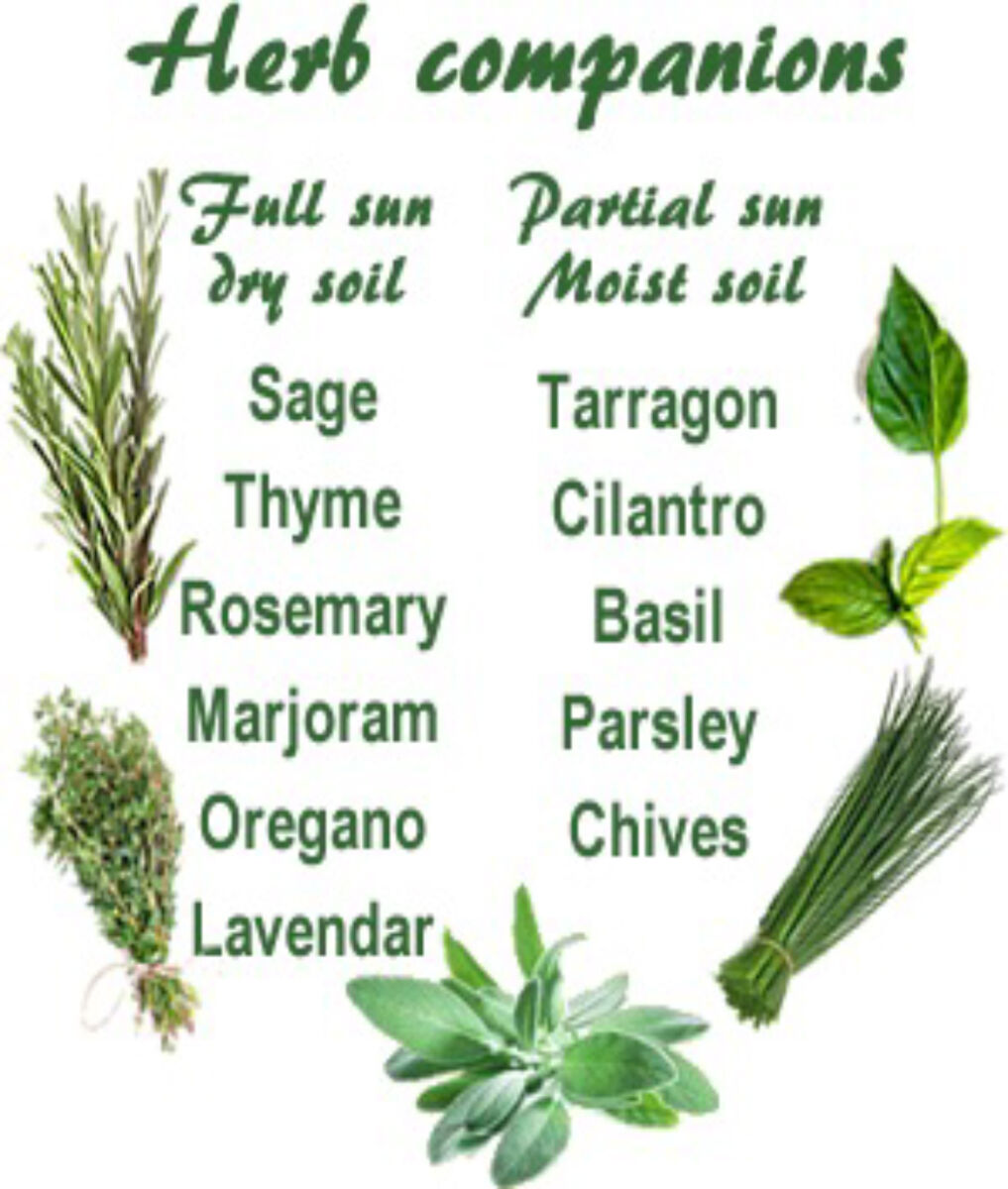
Start with a hoop house or a simple high tunnel if you have outdoor space. These structures are inexpensive, easy to assemble, and provide enough protection to extend your growing season. If indoor space is limited, a well-ventilated garage or basement with existing electrical outlets works well. Avoid renting expensive commercial greenhouse space until you have verified demand for your specific herbs.
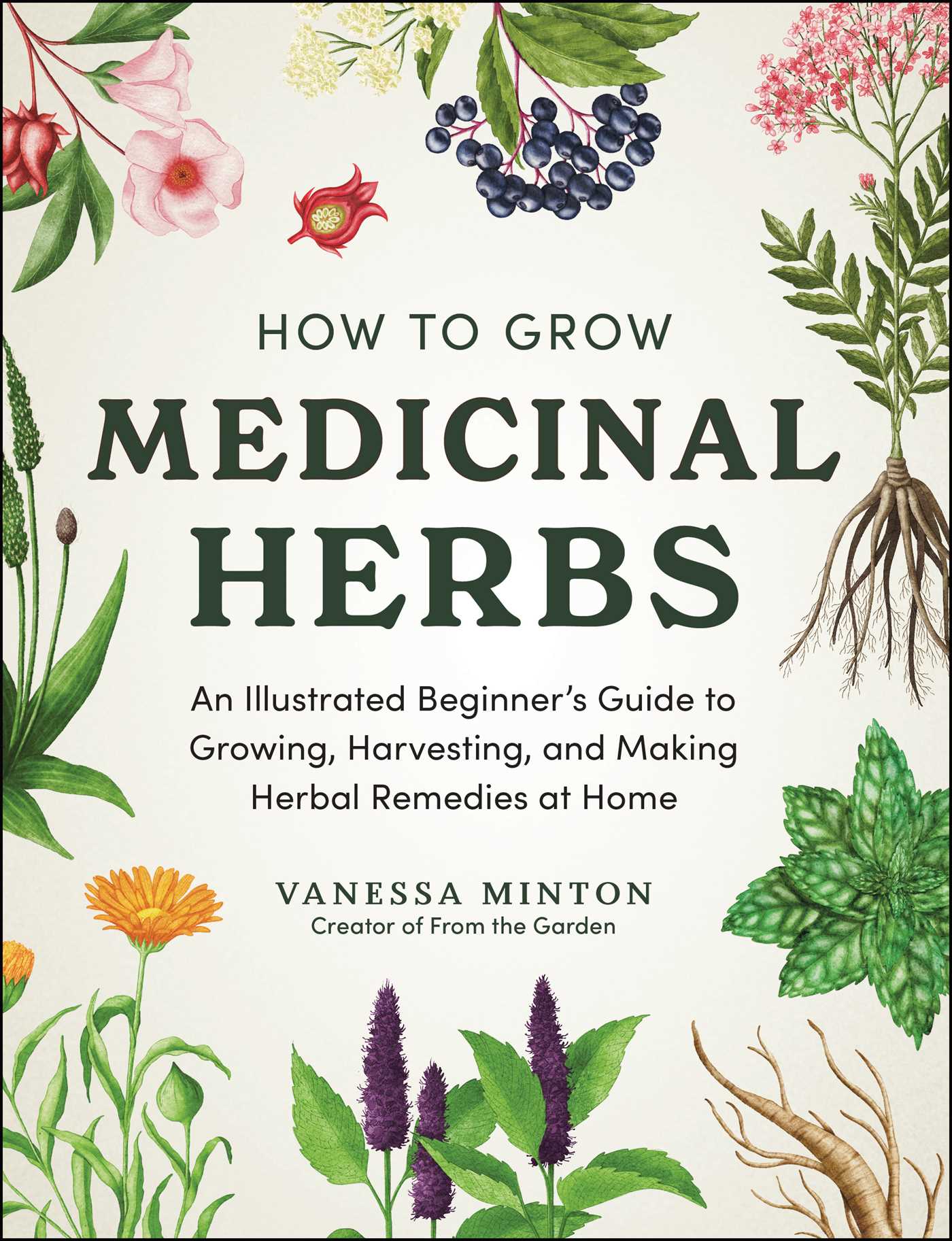
Water is your biggest variable. Install a simple drip irrigation system or use self-watering containers to ensure consistent moisture. Herbs like basil and cilantro wilt quickly if they dry out, leading to crop loss. A basic timer connected to a water source or a large reservoir reduces daily labor and prevents the stress that makes plants susceptible to disease.
If growing indoors, full-spectrum LED lights are the most energy-efficient option for leafy herbs. They run cool and last for years. Pair these with inexpensive box fans to circulate air. Stagnant air is a breeding ground for mold and mildew, which can wipe out an entire batch. Proper airflow is free insurance for your crop quality.
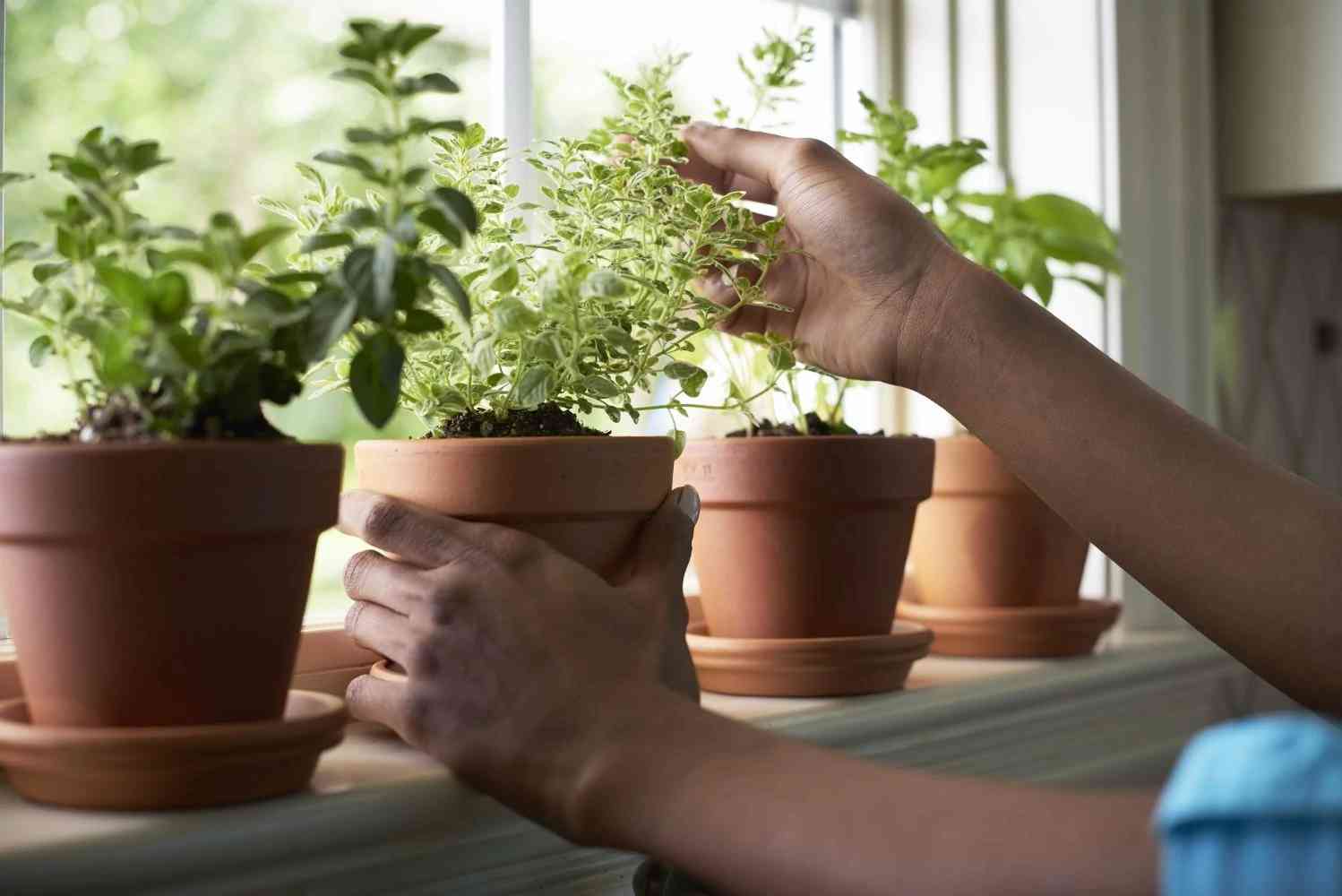
Buy high-quality potting mix or prepare a soil blend with compost. Avoid using garden soil directly, as it may contain weeds, pests, or diseases. For small-footprint farming, containers or raised beds offer better control over drainage and nutrient levels. This step is critical because healthy roots lead to faster growth and higher potency in medicinal or culinary herbs.
Grow and harvest correctly
You can make money selling herbs, but only if the product looks and smells fresh. Growing herbs for sale is different than growing them for your kitchen garden. Buyers judge quality by color, scent, and lack of damage. Your goal is to produce clean, uniform bunches that stand out on a market stall or in a customer’s fridge.
Start by choosing the right varieties. Some herbs, like basil and cilantro, are annuals and need constant replanting. Others, like rosemary and thyme, are perennials that return year after year. Pick varieties that sell well in your local area. Visit farmers' markets to see what’s popular. Focus on high-demand crops like basil, mint, and parsley for your first season. These herbs grow quickly and have a steady customer base.
Step-by-step cultivation guide
Follow these steps to grow healthy herbs ready for harvest.
Herbs need well-draining soil and plenty of light. If you’re starting from seed, use a sterile seed-starting mix to prevent disease. Fill small pots or trays with the mix and sow seeds lightly. Keep the soil moist but not soggy. Place trays in a sunny window or under grow lights. Most herbs germinate within 7-14 days. Once seedlings have two sets of true leaves, transplant them into larger pots or garden beds. Space plants according to their mature size to avoid crowding. Crowded plants struggle for nutrients and are more prone to fungal issues.
Consistent moisture is key, but overwatering is the fastest way to kill herbs. Water deeply when the top inch of soil feels dry. Avoid getting water on the leaves, as this can cause rot. Feed plants with a balanced, organic fertilizer every few weeks. Too much nitrogen leads to lush but flavorless leaves. For culinary herbs, less is often more. Focus on steady growth rather than rapid expansion. Healthy plants have strong stems and vibrant colors.
Timing affects flavor and shelf life. Harvest herbs in the morning after the dew dries but before the heat of the day. This is when essential oils are most concentrated. Use clean, sharp scissors or pruners to cut stems. Avoid tearing or crushing the plants. For leafy herbs like basil and mint, cut just above a leaf node to encourage new growth. For woody herbs like rosemary, trim back one-third of the plant. Never remove more than half the foliage at once. This keeps the plant healthy and productive.
After harvesting, gently wash and dry the herbs. Use a salad spinner for leafy varieties. Pat them dry with paper towels. Bundle herbs into uniform bunches, typically 4-6 ounces. Wrap them in damp paper towels and place them in plastic bags or clamshell containers. Label each package with the herb name and harvest date. Keep packaged herbs refrigerated until sale. Proper packaging extends shelf life by several days. Fresh, well-presented herbs sell faster and command higher prices.
Avoid common mistakes
Many new herb farmers make the same errors. Overcrowding is one of the biggest. Plants need air circulation to prevent mold. Another mistake is harvesting too late. Wilting or yellowing leaves indicate stress or age. Always harvest young, tender growth for the best flavor. Finally, don’t neglect pest control. Check plants regularly for aphids, spider mites, and whiteflies. Use insecticidal soap or neem oil if needed. Organic methods are best for culinary herbs. Keep your growing area clean and free of debris.
Find buyers for your herbs
Once your herbs are harvested and prepped, the next step is connecting with people who want them. You don’t need a massive distribution network to start; in fact, keeping it local often yields better margins and stronger customer relationships. Think of your first sales channel as a testing ground where you learn what your community actually prefers.
Sell directly at farmers markets
Farmers markets are the classic entry point for new herb growers. They offer immediate cash flow and direct feedback from customers. You can see exactly which varieties attract attention and which ones gather dust. This face-to-face interaction builds trust quickly, turning casual browsers into regular buyers. It’s also a low-cost way to validate your pricing before scaling up.
Supply local restaurants and shops
For a more consistent income stream, approach local chefs or boutique grocery stores. Chefs often prefer small, frequent deliveries of fresh, high-quality herbs over bulk wholesale. A simple email or a drop-by with a sample bundle can open doors. Local shops may also carry dried herbs or potted plants, offering a steady, if smaller, revenue stream.
Sell online or through subscriptions
If you prefer to stay home, online sales or subscription boxes can work well. You can sell dried herbs, seed packets, or potted plants via social media or simple e-commerce platforms. Subscription models, like monthly herb boxes, provide predictable income and help you plan your planting schedule more effectively.
Common farming mistakes
Starting an herb business is exciting, but it’s also easy to trip up before you even sell your first bundle. Many new growers pour money into equipment they don’t need or ignore local rules until it’s too late. The good news? Most of these errors are simple to avoid if you know what to watch for.
Overwatering and poor spacing
Herbs like basil, mint, and cilantro are thirsty, but they hate wet feet. Overwatering leads to root rot, which kills plants faster than any pest. Keep the soil moist, not soggy. Also, give your herbs room to breathe. Crowding plants restricts airflow and invites mold. Follow spacing guidelines on seed packets or plant tags. It’s better to grow fewer healthy plants than many sick ones.
Ignoring local regulations
Before you plant a single seed, check your local zoning laws and business licensing requirements. Some areas restrict agricultural activities in residential zones or require permits for selling produce. Failing to comply can result in fines or shutdowns. Visit your city or county website, or call the local planning department, to get clear answers. Staying legal from day one saves headaches later.
Buying expensive equipment too soon
New growers often splurge on expensive tools before proving their market. You don’t need a commercial-grade washing station or a fancy packaging machine to start. Simple buckets, clean towels, and basic scissors work fine for small batches. Focus on quality herbs and good customer service first. Upgrade your gear once you have consistent sales and know exactly what bottlenecks your workflow.
Skipping pest management
Herbs are tough, but they aren’t immune to pests. Aphids, spider mites, and fungus gnats can wipe out a crop quickly. Check your plants regularly for signs of trouble. Use neem oil or insecticidal soap for mild infestations. For serious problems, remove affected leaves or plants entirely. Prevention is easier than cure, so keep your growing area clean and monitor humidity levels.
Look for yellowing leaves, sticky residue, or tiny insects. Early detection saves your crop.
Water at the base of plants, not the leaves. Let the top inch of soil dry out between waterings.
Contact your local planning office to confirm zoning rules and business licensing needs for herb sales.
Use simple, affordable tools like buckets, scissors, and towels. Upgrade only after validating demand.
Launch checklist for new growers
Before you harvest your first batch, make sure your foundation is solid. This checklist keeps your herb business organized and ready for market.
-
Secure your business license and local permits
-
Finalize your crop selection based on local demand
-
Purchase low-cost, accessible growing equipment
-
Contact local markets or buyers for initial sales
Start small and keep it simple. Focus on a few high-demand herbs and invest in basic tools you can afford. This approach reduces risk and lets you learn the ropes without overspending.
No comments yet. Be the first to share your thoughts!