
Pick your herb niche
Choosing a specific herb or product line is the first critical step in how to start herb business successfully. Instead of trying to grow everything, focus on one or two varieties that match your local climate and market demand. This approach keeps your operations simple and your quality high.
Consider culinary herbs like basil or mint for quick turnover, or medicinal varieties like echinacea for higher-value products. Your choice should balance what you can grow well with what customers are willing to pay for.

Start by listing herbs that thrive in your region. Then, research local farmers' markets or online trends to see which products have the most interest. Narrowing your focus early helps you build expertise and brand recognition faster.
Build your herb business on paper first
Before you buy a single seedling or rent a plot of land, you need a clear picture of how the business will actually work. Think of this plan as your roadmap; it keeps you from spending money on the wrong things. Start by creating an enterprise budget. This is a simple spreadsheet that tracks your expected costs versus your potential income. It helps you see if your idea is financially viable before you commit real resources.
Next, outline your operations. Decide what you’re growing, how you’ll process it, and who you’ll sell to. Will you supply local farmers' markets, restaurants, or craft fairs? Write down the specific steps for planting, harvesting, and packaging. This operational plan turns a vague dream into a concrete set of tasks.
Keep it simple. You don’t need a 50-page document. Just enough detail to guide your first year. This clarity saves you from costly mistakes later. When you’re ready to move forward, you’ll have a solid foundation to build on.
Set up growing infrastructure
Building a reliable growing system is the backbone of any successful herb business. Before you plant your first seed, you need to establish the physical environment that supports healthy, high-yield crops. This step focuses on the essential equipment and infrastructure required to scale your operation from a home hobby to a commercial venture.
Think of your growing infrastructure as the skeleton of your business. If the structure is weak, the product will suffer. For a small-scale start, you don’t need a massive industrial greenhouse, but you do need consistent control over light, water, and temperature. Starting with a modest, well-managed setup allows you to refine your growing techniques before investing heavily in expansion.
The goal is to create a predictable environment where variables like humidity and irrigation are automated or easily managed. This consistency reduces labor costs and minimizes the risk of crop loss, which is critical when you are selling to restaurants or retailers who expect uniform quality.
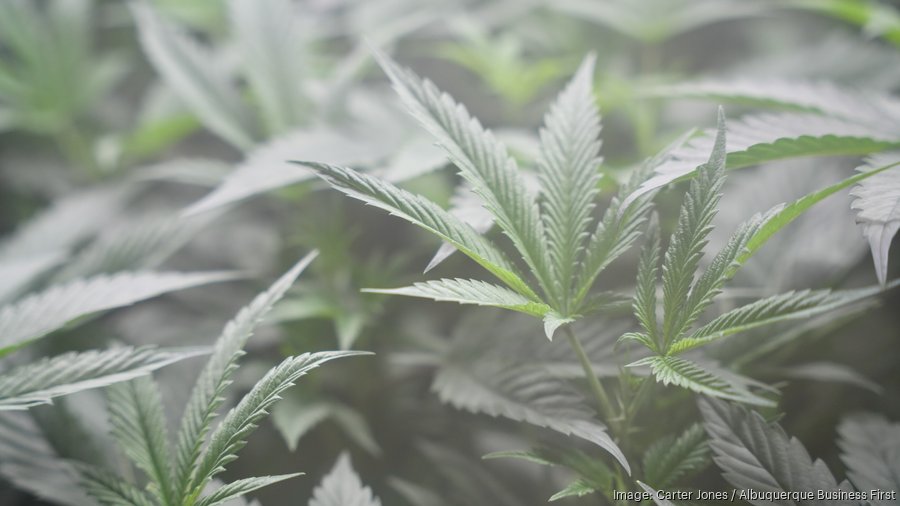
Decide between indoor, outdoor, or greenhouse cultivation based on your climate and target market. Indoor setups offer year-round control but require higher energy costs. Greenhouses provide a middle ground, offering protection from extreme weather while utilizing natural sunlight. Ensure your chosen space has proper ventilation and access to utilities like water and electricity.
Reliable water management is non-negotiable for commercial herb production. Install a drip irrigation system to deliver consistent moisture directly to the roots, reducing waste and labor. Ensure your growing beds or containers have adequate drainage to prevent root rot, which can devastate a crop within hours. Consider installing a water reservoir to maintain pressure and volume during peak demand.
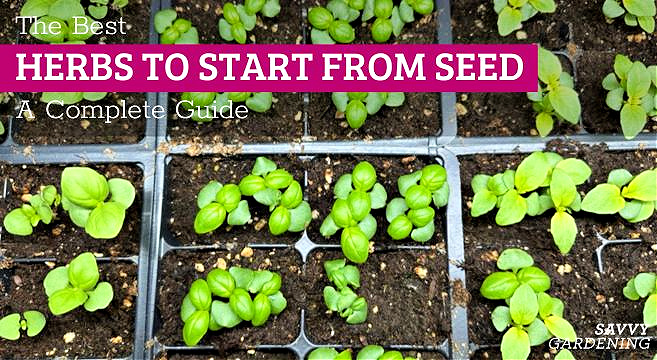
For indoor or greenhouse operations, invest in full-spectrum LED lights to supplement natural sunlight. These lights are energy-efficient and produce less heat than traditional HPS bulbs. Pair them with fans and exhaust systems to regulate temperature and humidity, creating a stable microclimate that encourages robust growth and prevents mold or pest infestations.
Choose containers or raised beds that suit your chosen growing medium, whether soil, coco coir, or hydroponic systems. Ensure they are deep enough for the root systems of your specific herb varieties. For scalability, use uniform containers that stack or align neatly, maximizing space efficiency and making harvesting and maintenance easier as your inventory grows.
Designate a clean, dry area near your growing space for post-harvest processing. This area should include tables for trimming, drying racks or dehydrators, and storage containers for finished herbs. Keeping processing separate from growing prevents contamination and ensures that your herbs maintain their potency and flavor until they reach the customer.
Handle regulations and permits
Before you harvest your first batch of basil or mint, you need to make sure your herb business is legal. Think of permits as the foundation of your house; without them, the whole structure could be torn down. Most local and state agencies treat fresh herbs as food or agricultural products, which means they have specific rules you must follow to sell safely.
Start by checking your local zoning laws. Even if you are growing herbs in your backyard, selling them might change how your property is classified. Contact your city or county planning department to ask about home-based business ordinances. Some areas allow you to sell directly to neighbors, while others require a commercial kitchen or a licensed farm stand.
Next, look into health codes. If you are selling fresh herbs, you may need a food handler’s permit or a cottage food license, depending on your state. These laws vary widely, so do not guess. Visit your state’s department of agriculture or health department website to find the exact requirements for your location. Keeping these documents handy will protect you from fines and keep your customers safe.
Sell herbs at local markets
Selling herbs at local farmers markets is one of the most effective ways to launch your herb business. This direct-to-consumer approach lets you build relationships with customers, gather immediate feedback, and establish a loyal local following. It also provides a low-risk environment to test which varieties sell best before scaling up.
Start by researching your local market’s application process and vendor fees. Many markets require you to be the actual grower or producer, so have your farming proof ready. Once accepted, focus on presentation: use clean, attractive packaging and ensure your herbs look fresh and vibrant. A well-organized stall invites people to stop and browse.
To maximize sales, offer small bundles or starter packs that are easy for customers to carry. Engage with visitors by sharing growing tips or recipe ideas. This educational touch adds value and encourages repeat purchases. Over time, these face-to-face interactions turn casual buyers into regular supporters of your brand.
Check your startup costs
Before you plant your first seed, you need a clear picture of what it takes to get started. Starting a herb business doesn't always require a massive farm; many successful operations begin small and scale as demand grows. Understanding your initial investment helps you avoid cash-flow surprises and keeps your business grounded in reality.
According to industry overviews, startup costs for a home-based or small-scale herb business typically range from $2,000 to $10,000. This wide range reflects the flexibility of the model—you might start with just pots and seeds in a garage, or invest in greenhouse infrastructure and wholesale packaging. The key is to align your spending with your chosen sales channel, whether that's farmers markets, local restaurants, or online direct-to-consumer sales.
To help you budget effectively, here is a simple checklist of the most common initial expenses to consider:
-
Land or greenhouse space (rental or setup)
-
Basic tools: trowels, pruners, watering cans
-
Seeds or starter plants (herbs like basil, mint, rosemary)
-
Containers or growing beds
-
Soil, compost, and fertilizer
-
Packaging materials for harvests
-
Basic marketing: business cards, social media ads
Start lean. Buy only what you need for your first few harvests, and reinvest your early profits into better equipment or expanded growing space. This approach minimizes risk while you learn the rhythms of your specific herbs and local market.
Frequently asked: what to check next
Starting an herb business is an exciting journey, but it’s normal to have questions before you begin. Here are answers to the most common concerns new entrepreneurs face.
No comments yet. Be the first to share your thoughts!