
Pick the best herbs to grow
Choosing which herbs to cultivate is the first strategic decision in building a profitable farm. You aren't just picking plants; you are selecting products that match your local climate, your available growing space, and what buyers actually want. While saffron commands high prices, it demands labor and specific conditions that can overwhelm a new business. Instead, focus on high-turnover culinary staples and resilient medicinal varieties that offer reliable returns.
Start by evaluating your growing environment. Herbs like rosemary and thyme are perennials that come back year after year, reducing replanting costs. In contrast, basil and cilantro are annuals with rapid growth cycles, allowing you to harvest multiple times per season. Your choice should balance steady income from perennials with quick cash flow from annuals. Understanding these differences helps you plan your harvest schedule and manage your labor effectively.
To help you compare options, here is a breakdown of some of the most profitable herbs to grow for different market needs.
| Herb | Type | Growth Cycle | Market Demand | Start-Up Cost |
|---|---|---|---|---|
| Basil | Culinary | Annual | High | Low |
| Rosemary | Culinary/Medicinal | Perennial | Steady | Low |
| Lavender | Medicinal/Ornamental | Perennial | High | Medium |
| Cilantro | Culinary | Annual | Seasonal | Low |
| Mint | Culinary/Medicinal | Perennial | High | Low |
| Saffron | Medicinal | Annual | Niche | High |
Basil is often the entry point for new herb farmers because it grows quickly and sells well at farmers markets. Cilantro is similar but requires careful timing to avoid bolting in the heat. For longer-term stability, rosemary and lavender are excellent choices. They require less frequent watering and harvesting once established, making them ideal for low-maintenance income. Mint is another resilient option, though you must plant it in containers to prevent it from taking over your entire farm. By mixing fast-growing annuals with hardy perennials, you create a balanced business that can handle market fluctuations.
Choose Your Growing Space
Setting up the right environment is the first real step toward growing profitable herbs to grow at scale. Your choice between a greenhouse and an open field will dictate your startup costs, your ability to control quality, and your potential profit margins. Think of this decision as picking the foundation for your business—it needs to support both your current goals and future expansion.
Evaluate Greenhouse vs. Field Growing
Greenhouses offer a controlled environment, protecting your crops from unpredictable weather and pests. This consistency is vital for high-value herbs like basil or cilantro, where appearance and shelf life directly impact sales. While the initial investment is higher, the ability to extend your growing season and produce year-round can significantly boost your revenue.
Open-field growing requires less capital upfront and allows for larger-scale operations. However, you are at the mercy of the elements. If you choose this route, you must invest in robust infrastructure like drip irrigation and windbreaks to mitigate risks. Many successful growers start with a hybrid model, using greenhouses for propagation and high-value varieties, then transitioning established plants to the field.
Build Essential Infrastructure
Regardless of your location choice, water management is non-negotiable. Install a reliable irrigation system with drip lines to ensure even moisture distribution and reduce water waste. Herbs like rosemary and thyme prefer drier conditions, while basil and parsley need consistent hydration, so grouping plants with similar water needs can simplify your setup.
You also need adequate storage and processing space. Herbs are perishable, so having a clean, cool area for post-harvest handling is crucial. This might be as simple as a shaded shed with fans and refrigeration units. Proper storage prevents spoilage and ensures that the herbs you sell are fresh and vibrant, keeping your customers coming back.
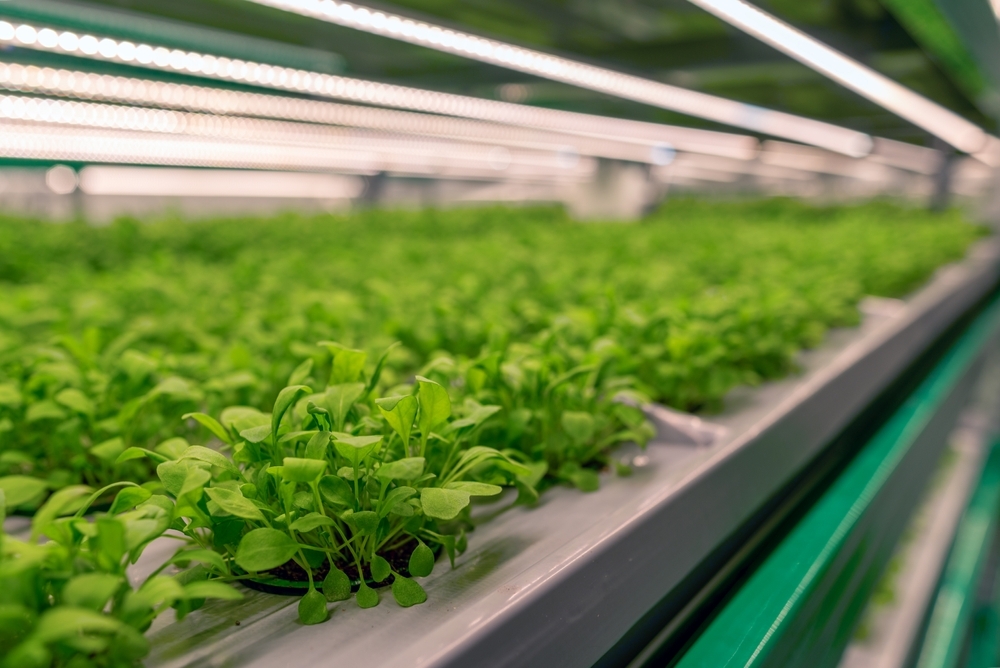
Start by analyzing your local climate and calculating your startup capital. If you have limited funds, consider starting with a small high-tunnel greenhouse or a dedicated field plot. Research local regulations for agricultural zoning and water usage rights before purchasing land or leasing space.
Lay down your drip irrigation lines and ensure proper drainage. Proper drainage prevents root rot, a common killer of herb crops. Test your water source for pH and nutrient content, adjusting as needed to suit the specific herbs you plan to grow. Grouping plants with similar water needs, like rosemary, oregano, and thyme, can simplify your irrigation schedule.
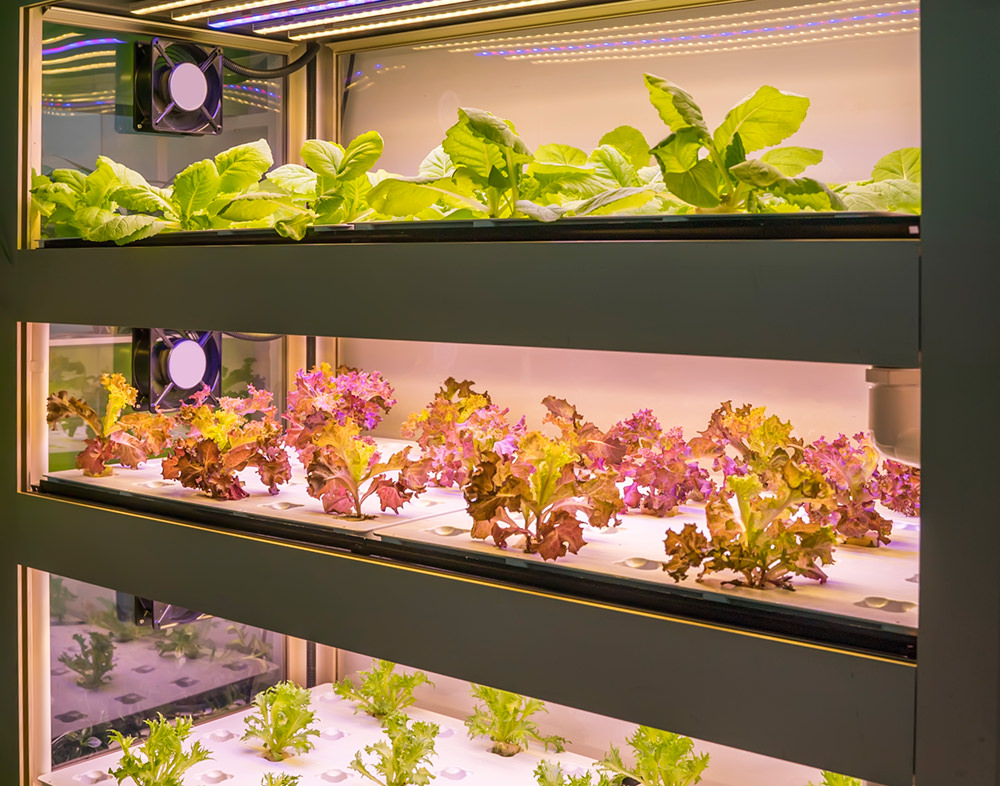
Designate a clean, cool space for post-harvest handling. This area should have adequate ventilation and refrigeration to preserve herb quality. Proper storage is critical because herbs are perishable; spoilage directly cuts into your profits. Ensure this space is easy to access from your growing area to minimize handling time.
Plant and harvest your crops
Turning your selected profitable herbs into a cash crop requires a shift from casual gardening to systematic production. The goal is to maximize yield and quality from the moment you touch the soil until the herbs reach the customer.
Most fresh-market herbs, such as sweet basil and cilantro, thrive in rich, well-draining soil. Before planting, amend your beds with compost to improve nutrient density. If you are growing in containers, use a high-quality potting mix designed for vegetables rather than standard garden soil, which can compact and suffocate roots in small spaces.
You can start from seeds or buy young plants. For fast-turnover crops like basil, direct sowing is efficient. For herbs like rosemary or thyme, starting with nursery starts saves weeks of growth time. Space plants according to their mature width; overcrowding reduces air circulation and invites disease, which can wipe out your entire inventory.
Consistency is the difference between a wilted product and a premium one. Water at the base of the plant to keep leaves dry, preventing fungal issues. Herbs grown for oil production, like mint or oregano, actually develop stronger flavors when subjected to slight moisture stress, but leafy herbs like cilantro need steady hydration to remain tender and marketable.
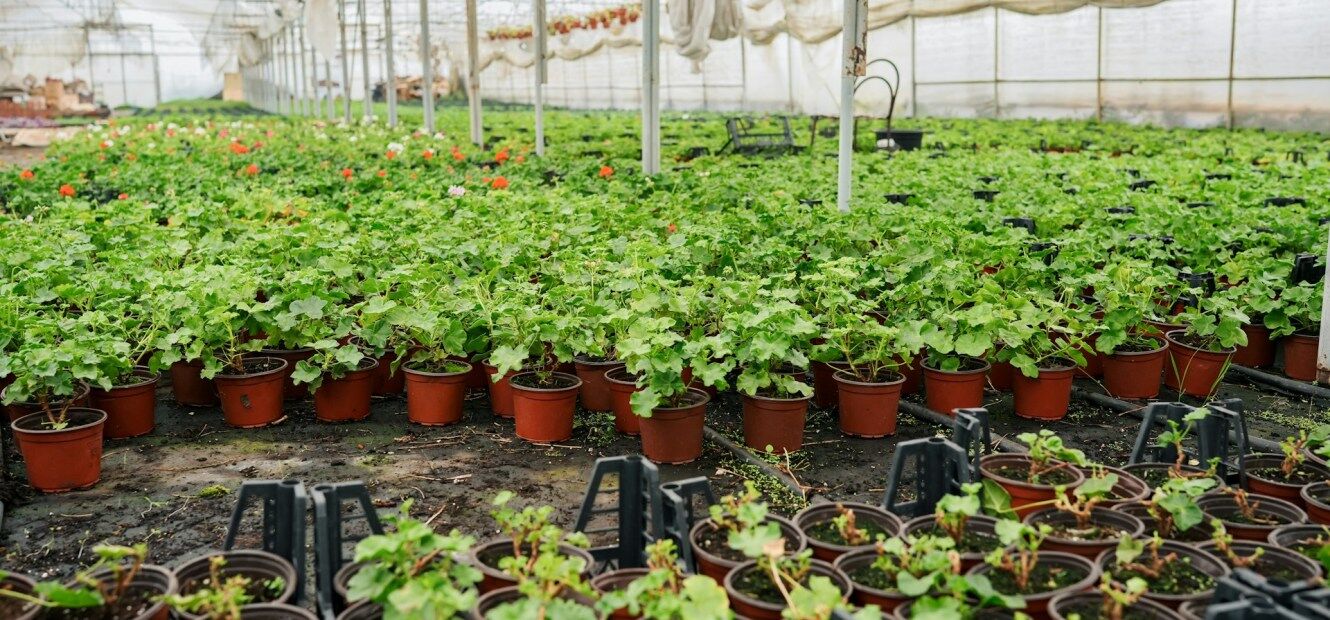
Check your plants weekly for aphids, spider mites, and leaf spots. Since you are selling these for culinary or cosmetic use, avoid harsh chemical pesticides. Use neem oil or insecticidal soap if infestations occur. Pruning the top of basil plants encourages bushier growth, giving you more harvestable material per plant.
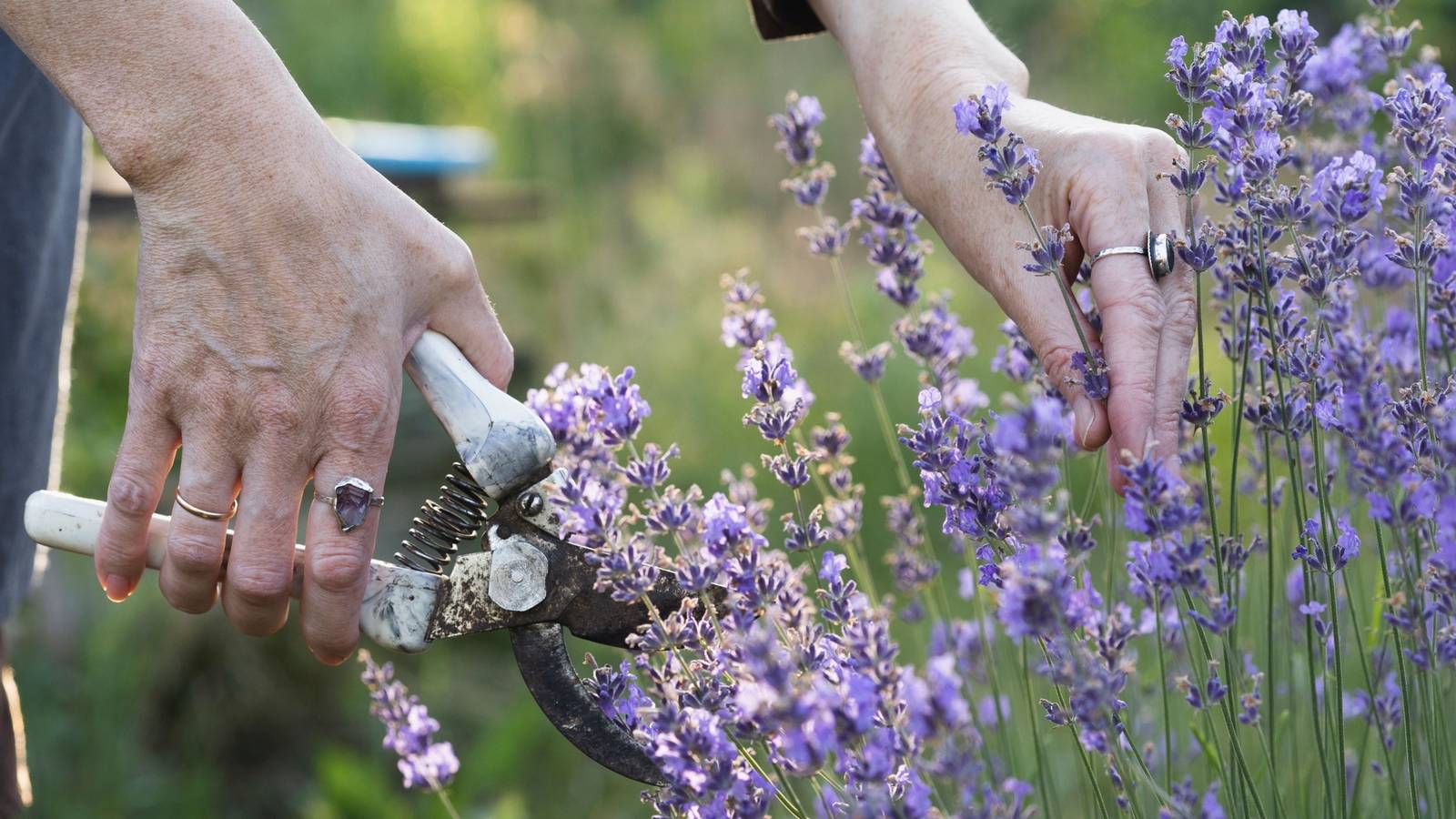
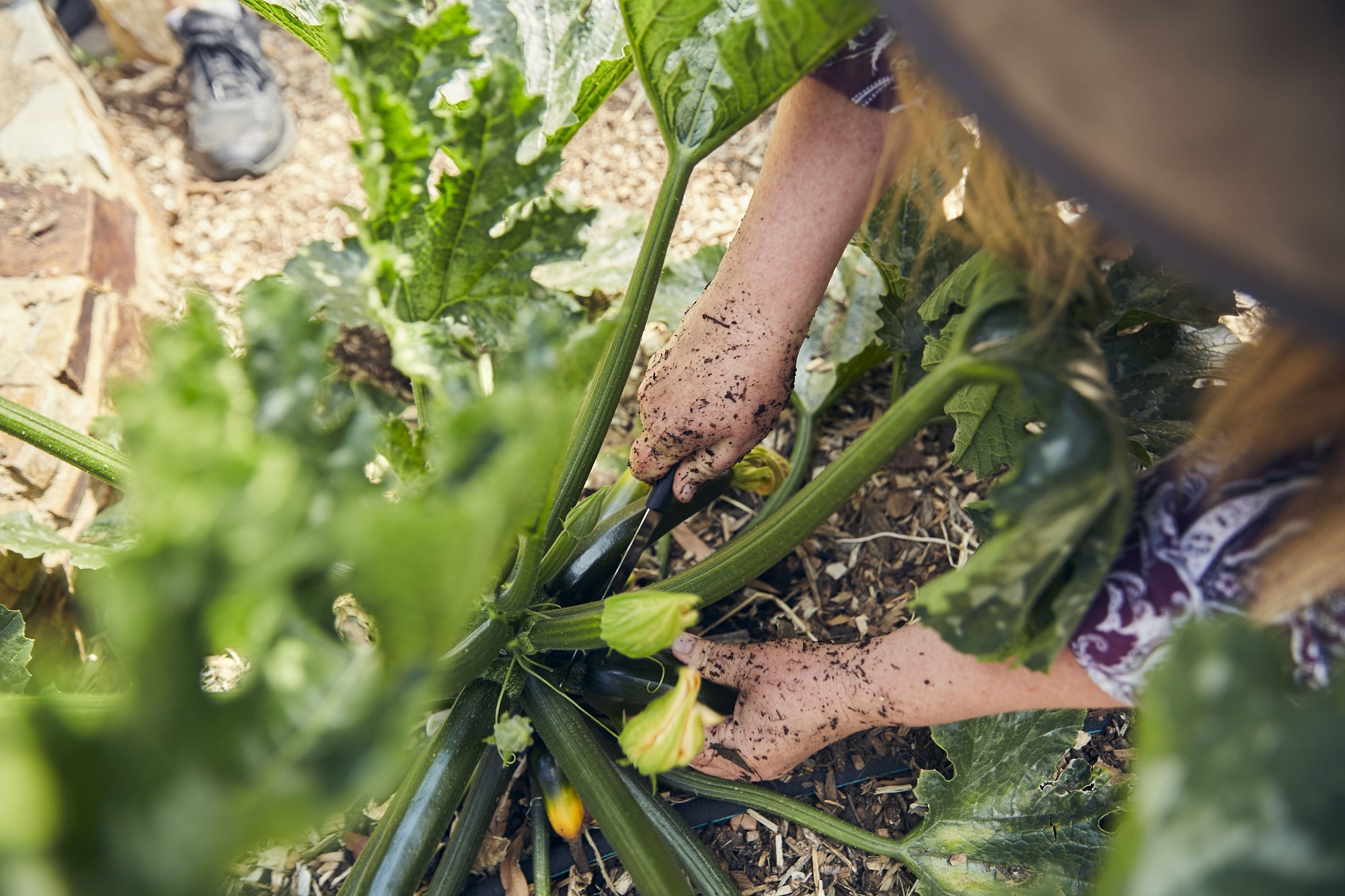
Harvest your herbs early in the morning after the dew has dried but before the midday heat. This is when the essential oils are most concentrated, ensuring the best aroma and flavor for your buyers. Use clean, sharp shears to make cuts above a leaf node to encourage regrowth, allowing you to harvest the same plant multiple times.
For a visual walkthrough of commercial harvesting techniques that can help you refine your workflow, watch this guide on growing herbs for profit.
Package and Sell Your Herbs
Turning your garden harvest into a profitable business starts with how you present it. Fresh herbs are a sensory purchase; customers buy with their eyes and nose first. If your packaging looks professional and your herbs smell vibrant, you can charge a premium at farmers markets, to local restaurants, or through CSA programs.
Branding and Packaging Basics
Your packaging is your silent salesperson. Use clear, breathable containers that allow customers to see the quality of the greens. For high-value herbs like basil or cilantro, keep them hydrated with a damp paper towel in a sealed bag to extend shelf life. Simple, clean labels with your farm name and harvest date build trust. Avoid plastic clamshells that trap moisture and cause wilting; instead, opt for recyclable paper bags or compostable containers.
Distributing to Local Buyers
Selling directly to consumers is often the most profitable route. Set up a consistent presence at weekend farmers markets. Bring signage that highlights your unique varieties—like Thai basil or lemon verbena—which stand out against standard grocery store offerings. For restaurant sales, approach chefs with a sample pack. Chefs value consistency and freshness, so deliver early in the week and offer a weekly rotating list of what’s in season.
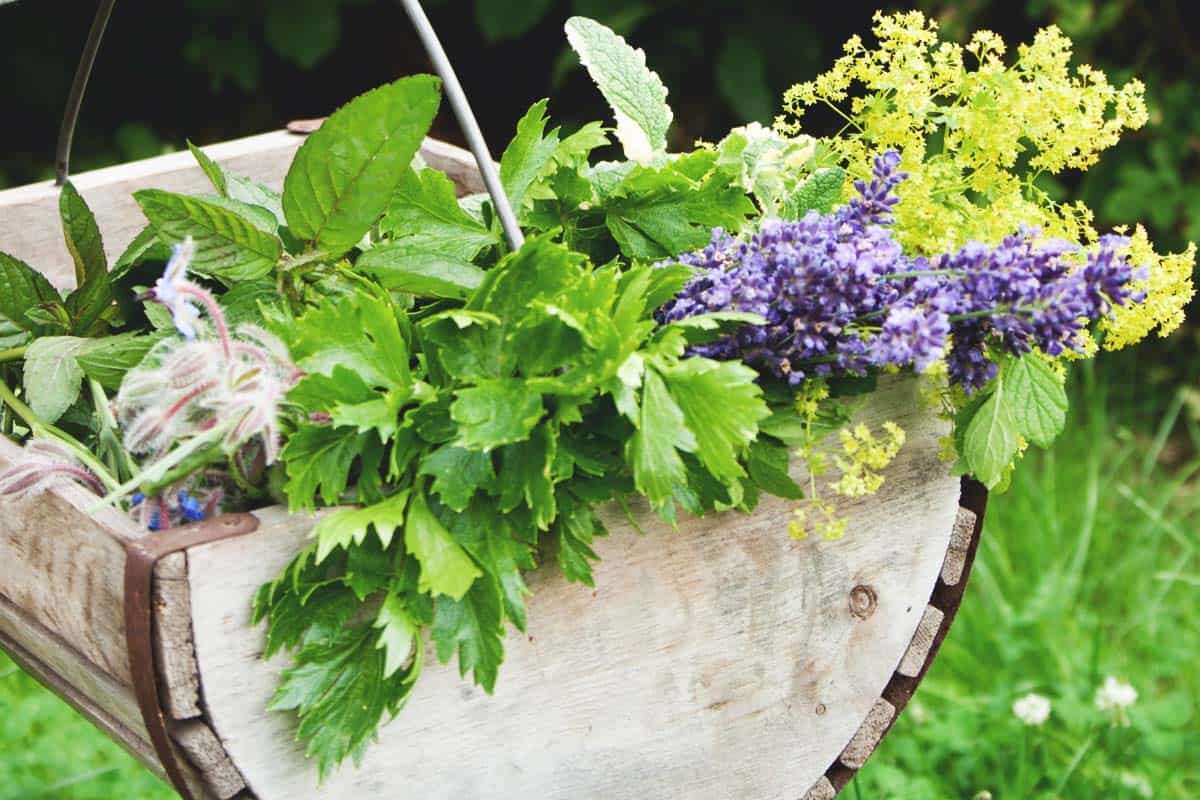
Bundle your herbs into uniform bunches. Check for wilted leaves and remove them. Arrange your display by color and type to create an inviting visual appeal.
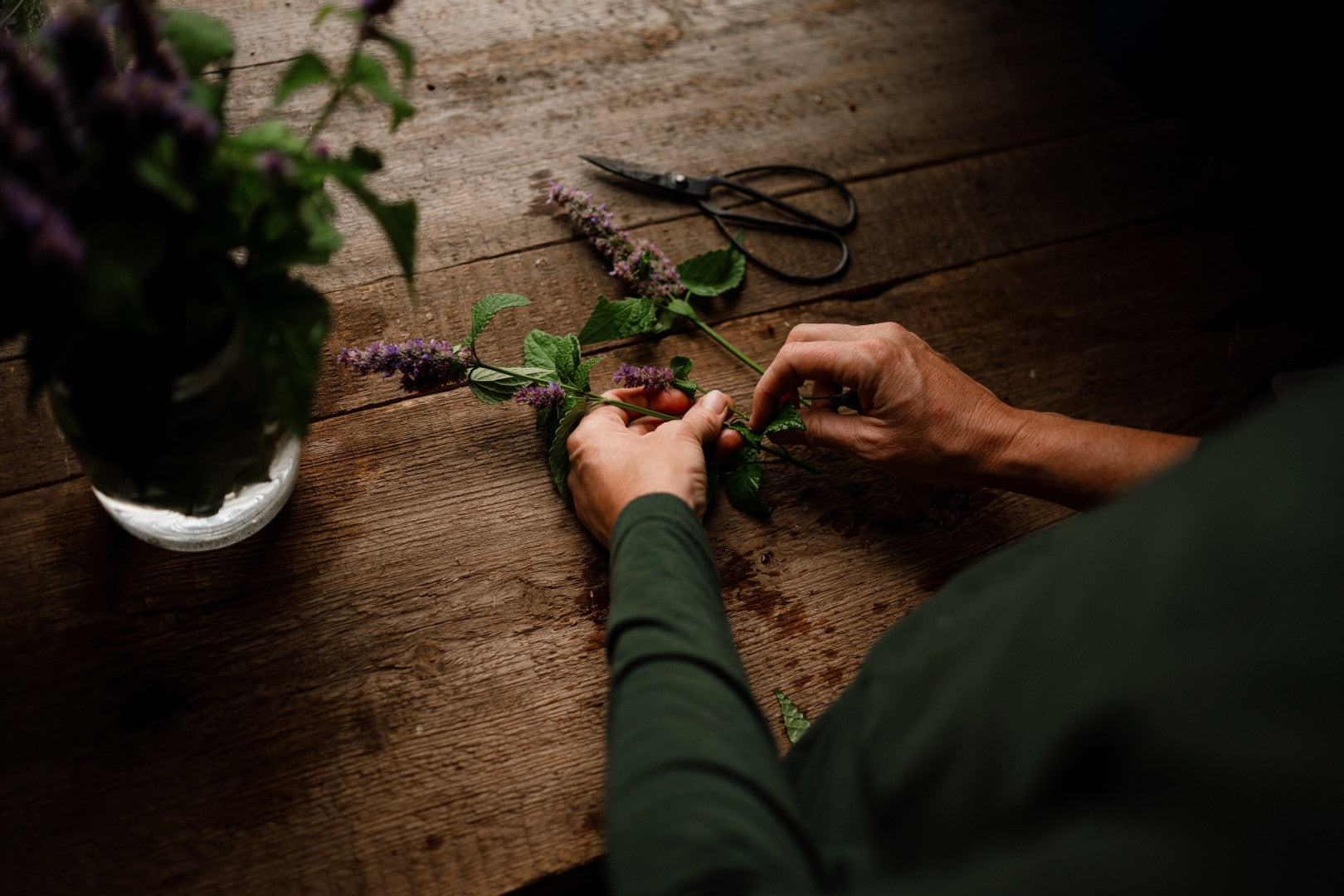
Bring recipe cards or usage tips for each herb. Explaining how to use less common varieties helps customers feel confident in their purchase, increasing your average sale size.
After delivering your first order, ask for feedback. Consistent quality and reliable delivery times are what keep restaurant contracts running year-round.
Pricing for Profit
Don’t undervalue your work. Calculate your costs, including seeds, soil, water, and your time, then add a markup that reflects the freshness and local origin of your product. Fresh, locally grown herbs often sell for 20–30% more than supermarket imports because they retain more flavor and nutrients. By focusing on quality and direct relationships, you build a sustainable, profitable herb business.
Check your profit margins
Before you plant your first seed, you need to know if your numbers add up. Growing profitable herbs to grow is a business, not just a hobby, and that means tracking every penny spent against what you expect to earn. A small error in your cost calculations can turn a promising venture into a money pit.
Start by listing your fixed and variable costs. Fixed costs include your initial setup, like greenhouse materials or raised beds. Variable costs are what you pay every season: seeds, soil amendments, water, and labor. Don’t forget packaging and marketing; a beautiful basil plant won’t sell if it arrives in a crumpled plastic bag.
Once you have your total costs, divide by the expected yield to find your cost per unit. Compare this to the market price. If you’re selling fresh basil at farmers markets, research what local competitors charge. If you’re drying herbs for online sales, factor in the weight loss during the drying process. You need to ensure your selling price covers all costs and leaves a healthy margin.
List every input. Include the price per packet of seeds, cost of soil bags, and fertilizer. These small amounts add up quickly over hundreds of plants.
Assign a dollar value to your time. Even if you don’t pay yourself, your time has value. Add electricity for grow lights or water for irrigation to your overhead.
Don’t just undercut competitors. If your quality is higher, your packaging is better, or your herbs are organic, charge more. Your price must cover costs and leave room for growth.
A simple rule of thumb is to aim for at least a 50% gross margin. This gives you enough buffer to handle unexpected losses, like a pest outbreak or a bad harvest. If your margins are thin, look for ways to reduce costs or increase your yield. For example, growing high-value herbs like saffron or specialty microgreens can significantly boost your bottom line, though they may require more specialized care.
Common questions about herb farming
Starting an herb business is one of the most accessible ways to enter agriculture, but profitability depends on choosing the right crops. Many new growers are surprised to learn that high-value medicinal plants often yield better margins than standard culinary herbs.
Can I make money selling herbs?
Yes, growing and selling herbs can be profitable, and you don't need a large area to get started. One of the best things about growing herbs is that they have many uses and are often also easy to grow. You can use herbs for medicinal, culinary, cosmetic, ornamental or fragrant purposes grocycle.com.
What is the most expensive herb to sell?
Saffron is so expensive—as much as $9,000 a pound in trade—in part because it requires hand‐harvesting and processing csa-news. While saffron offers the highest potential return, it requires significant labor. For most beginners, high-demand culinary herbs like basil or medicinal plants like lavender offer a more balanced risk-to-reward ratio.
Which herbs are the most profitable to grow?
Profitability varies by market, but high-value herbs such as ginseng, goldenseal, lavender, echinacea, and ashwagandha are among the most profitable due to their demand in natural products bloomranchofacton. For culinary markets, basil, chives, oregano, parsley, rosemary, dill, and coriander remain consistent sellers grocycle.com.
No comments yet. Be the first to share your thoughts!