
Start your herb business right
Before you buy seeds or rent space, you need to lock down the basics. Starting a profitable herb business is less about having a green thumb and more about having a clear plan. Skipping this step leads to wasted money on crops that don’t sell or equipment that gathers dust.
Start by defining your niche. Will you grow culinary herbs for local restaurants, medicinal varieties for teas, or live plants for gardeners? Your choice dictates everything from your growing medium to your marketing. A narrow focus helps you stand out in a crowded market.
Next, handle the legal side. Check local zoning laws to ensure you can grow and sell herbs from your property. Register your business name and get the necessary permits. This protects you from fines and builds trust with buyers who expect professionalism.
Finally, map out your logistics. Decide how you will harvest, clean, package, and deliver your product. Fresh herbs spoil quickly, so your supply chain needs to be tight. A simple plan prevents chaos when orders start coming in.
How to start an herb business
Turning herb farming into a profitable venture requires more than just growing plants; it demands a structured approach to logistics, validation, and sales. The following sequence breaks down the operational workflow for launching a low-cost herb business, moving from initial planning to market validation.
1. Define your niche and business model
Start by selecting a specific herb or product line rather than trying to grow everything. Focus on high-demand, low-complexity crops like basil, mint, or chives. Decide whether you will sell live potted plants, fresh cuttings, or dried products. A clear niche reduces equipment costs and simplifies your supply chain. Draft a simple one-page plan outlining your target customers and primary sales channels.
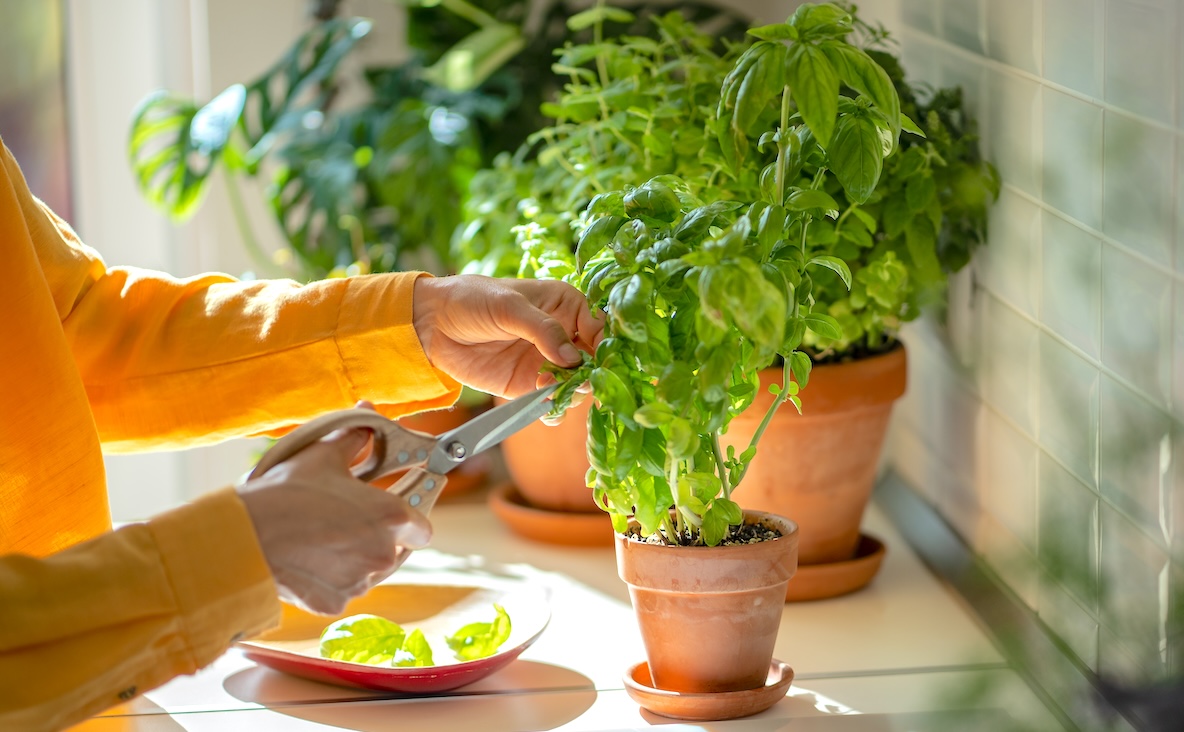
Identify your primary crop and sales format. Decide if you are selling live plants, fresh cuttings, or dried products. A clear niche reduces equipment costs and simplifies your supply chain.
2. Line up logistics and equipment
For a low-cost start, you do not need industrial greenhouses. A small backyard plot, balcony, or indoor grow tent is sufficient for initial production. Invest in essential tools: quality soil, organic fertilizer, watering systems, and basic pruning shears. If you plan to sell dried herbs, secure a food-safe dehydrator or a well-ventilated drying rack. Keep your overhead minimal by repurposing containers and using natural pest control methods.

Secure your growing space and essential tools. A small backyard plot, balcony, or indoor grow tent is sufficient for initial production. Invest in quality soil, organic fertilizer, watering systems, and basic pruning shears.
3. Validate your product early
Before scaling production, test market demand with a small batch. Offer samples to local farmers' market vendors, friends, or neighborhood groups. Collect feedback on taste, packaging, and pricing. This validation step prevents overproduction and helps you refine your product based on real customer preferences. Adjust your growing techniques or packaging based on this initial feedback loop.
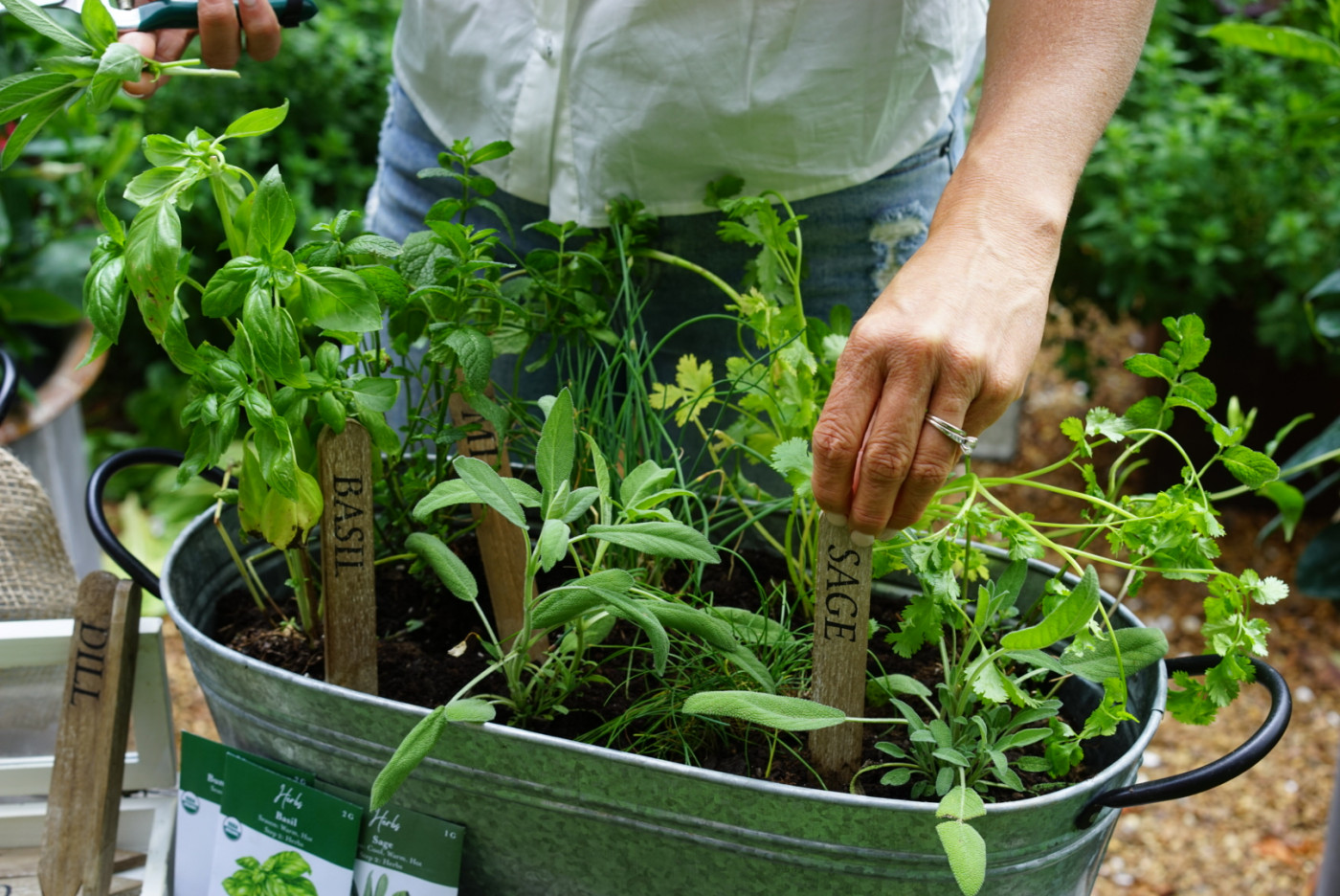
Test market demand with a small batch. Offer samples to local farmers' market vendors, friends, or neighborhood groups. Collect feedback on taste, packaging, and pricing to prevent overproduction.
4. Set up sales channels
Choose one or two primary sales channels to start. Options include local farmers' markets, online listings on platforms like Etsy, or direct sales to local restaurants. Ensure you understand any local regulations regarding food sales or business licensing. Create simple, clear packaging that highlights the freshness and origin of your herbs. Consistency in availability is more important than complex marketing at this stage.
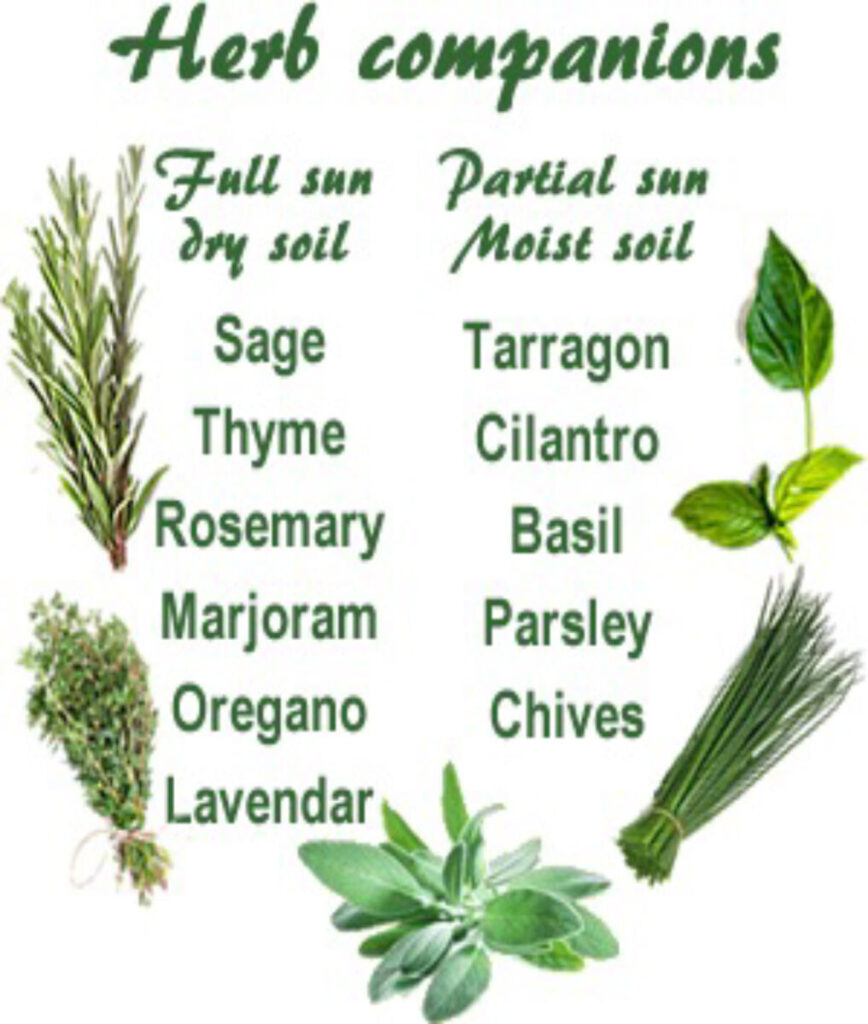
Choose one or two primary sales channels. Options include local farmers' markets, online listings on platforms like Etsy, or direct sales to local restaurants. Ensure you understand any local regulations regarding food sales.
5. Analyze and adjust
Track your costs, yield, and profit margins monthly. Identify which herbs are most profitable and which require too much labor for the return. Adjust your planting schedule to match demand peaks. Reinvest initial profits into better equipment or expanded growing space only after you have a stable, repeatable sales cycle.

Track your costs, yield, and profit margins monthly. Identify which herbs are most profitable and which require too much labor for the return. Adjust your planting schedule to match demand peaks.
6. Scale and maintain
Once your initial cycle is stable, gradually expand your crop variety or sales volume. Maintain regular pruning and harvesting schedules to ensure consistent quality. Build relationships with repeat customers and local vendors. Celebrate small milestones, such as your first monthly profit, and continue refining your process based on seasonal changes and customer feedback.
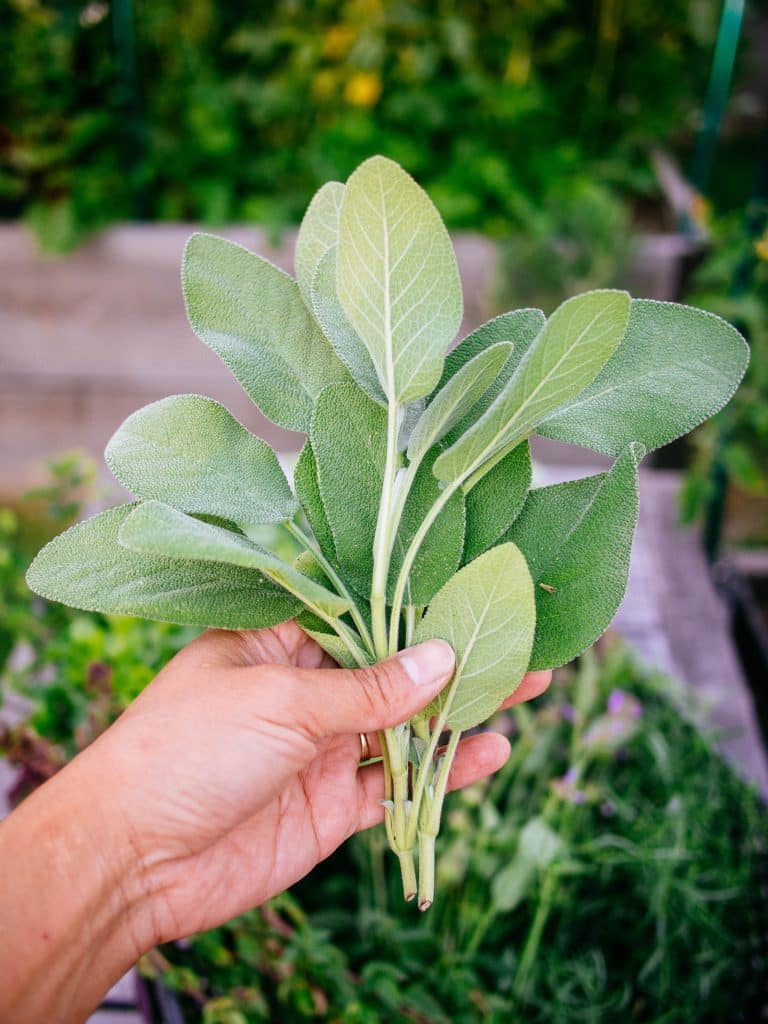
Gradually expand your crop variety or sales volume. Maintain regular pruning and harvesting schedules to ensure consistent quality. Build relationships with repeat customers and local vendors.
Fix common mistakes in your herb farming setup
Even with low-cost equipment, small errors in planning or execution can drain your margins before you harvest your first batch. These three mistakes are the most common reasons new herb farmers struggle to turn a profit. Addressing them early saves time, money, and frustration.
Skipping the market check before planting
Many growers start by buying seeds or plants without confirming who will buy the finished product. This leads to overproduction of varieties that local chefs or farmers' markets don't want. Instead, visit local shops and talk to buyers first. Ask what herbs are consistently out of stock or hard to source. Plant what sells, not just what you enjoy growing. This validation step ensures your labor results in actual revenue.
Ignoring post-harvest handling
Harvesting is only half the battle. If you don't handle herbs correctly immediately after cutting, quality drops rapidly. Leafy herbs like basil wilt quickly if left in the sun, while woody herbs like rosemary can mold if dried too slowly. Invest in proper drying racks, clean storage containers, and cool storage space. Proper handling preserves potency and appearance, which directly impacts the price you can charge. Poor handling turns a premium product into waste.
Underpricing your labor and overhead
New farmers often price herbs based only on seed cost, ignoring water, electricity, packaging, and their own time. If you sell at market price without accounting for these costs, you may work for less than minimum wage. Calculate the total cost per unit, including packaging and market fees, then add a reasonable profit margin. Price reflects the value of your expertise and consistency, not just the plant itself. Charging fairly ensures the business can sustain itself long-term.
Start herb business: what to check next
Before committing land or capital, it helps to clear up the practical hurdles most new growers face. The barrier to entry is low, but the learning curve for market readiness is real. Here are the most common objections and the concrete steps to resolve them.
The key to success is validation before expansion. Start small, sell at a local market, and use the feedback to adjust your variety and volume. Avoid buying expensive equipment until you have a proven sales channel.
Work through The Herb Farming Blueprint
No comments yet. Be the first to share your thoughts!