
Pick the highest-value herb varieties
Selecting the right crops is the first step to building a profitable herb business. While many herbs are easy to grow, only a few offer the margin potential needed to sustain a commercial operation. Focus on varieties with strong local demand and high yield per square foot to maximize your return on investment.
| Herb | Market Price (per lb) | Growing Difficulty | Yield (lbs/sq ft) |
|---|---|---|---|
| Basil | $12–$18 | Medium | 0.8–1.2 |
| Cilantro | $10–$15 | Easy | 1.0–1.5 |
| Rosemary | $8–$12 | Easy | 0.6–0.9 |
| Thyme | $9–$14 | Easy | 0.7–1.0 |
| Parsley | $6–$10 | Easy | 1.2–1.8 |
Basil consistently commands the highest prices at farmers markets, especially during peak summer months. Its short lifecycle allows for multiple harvests per season, boosting overall revenue. Cilantro is another strong contender due to its rapid growth and high volume potential, though it bolts quickly in heat, requiring careful timing.
Woody herbs like rosemary and thyme offer lower per-pound prices but provide consistent, long-term yields. They are less prone to pests and require less frequent replanting, reducing labor costs. Parsley remains a steady seller with high yield per square foot, making it ideal for maximizing space efficiency.
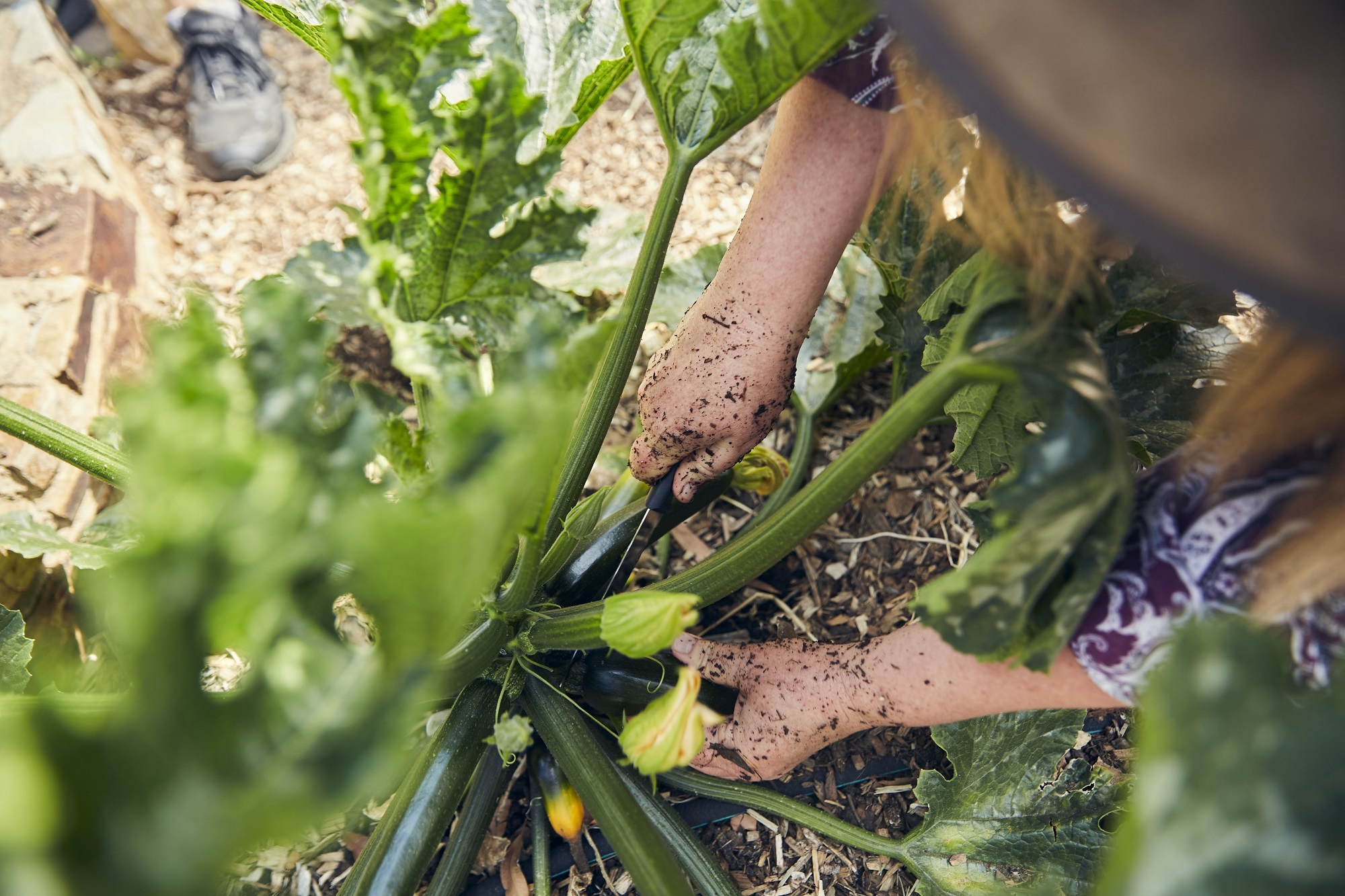
Grouping herbs with similar water and sun requirements simplifies irrigation and care. For example, rosemary, oregano, and thyme all thrive in dry conditions, while basil and parsley prefer consistent moisture. This strategic grouping reduces maintenance time and resource waste, directly improving your bottom line.
Choose Your Growing Space and Equipment
Setting up the right infrastructure is the first step toward profitable herbs to grow. Your choice between greenhouse production and open-field cultivation determines your overhead costs, crop variety, and ability to meet year-round market demand.
Evaluate Greenhouse vs. Field Production
Greenhouses offer climate control, allowing you to grow high-value herbs like basil and cilantro year-round, even in colder climates. This consistency is vital for supplying restaurants and farmers' markets that require steady volumes. However, the initial investment for greenhouse structures, heating, and ventilation is significant.
Open-field production has lower startup costs but is subject to seasonal weather patterns. It works well for hardy herbs like rosemary, thyme, and oregano. If you choose field production, plan your planting schedule carefully to ensure continuous harvests rather than a single large yield.
Select Essential Farming Equipment
Regardless of your growing method, specific tools are necessary for efficiency and quality control. Drip irrigation systems are non-negotiable for water conservation and consistent moisture levels, which directly impact herb flavor and shelf life. Invest in a reliable soil testing kit to monitor pH and nutrient levels, ensuring your plants receive optimal nutrition.
For harvesting, sharp, clean knives or specialized herb cutters prevent bruising and extend the post-harvest life of your product. If you are processing herbs for sale, consider a small-scale washing and drying station to add value before the product leaves your farm.
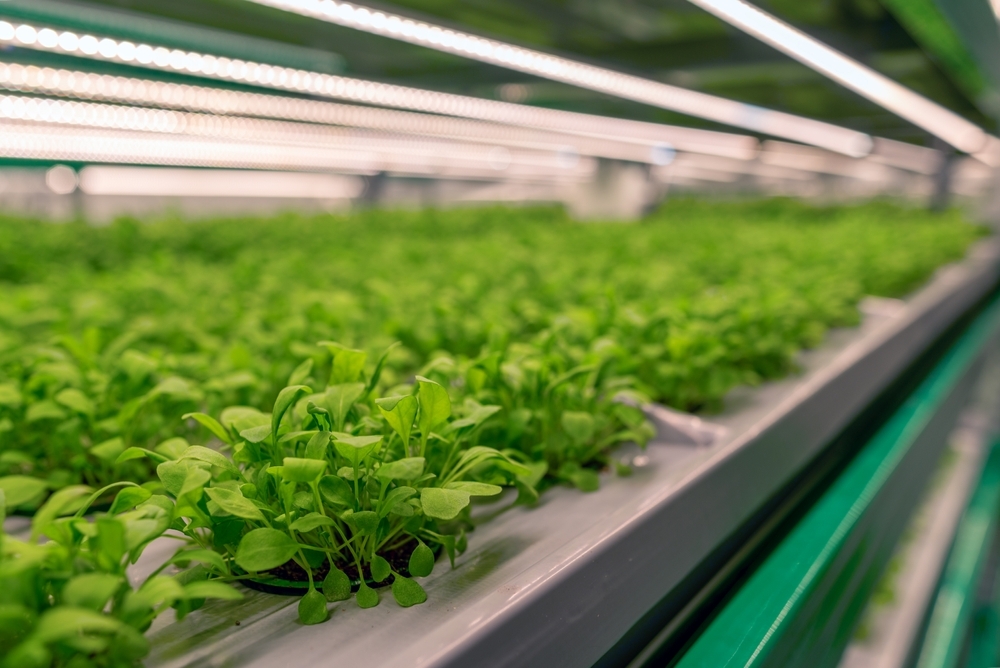
Determine whether your local climate and available land favor a controlled environment or outdoor beds. Calculate your budget for infrastructure to decide between a greenhouse, high tunnels, or open fields.
Set up drip irrigation lines to ensure consistent water delivery. Prepare your soil or hydroponic systems, testing for pH and nutrient balance to create the ideal foundation for your chosen herbs.
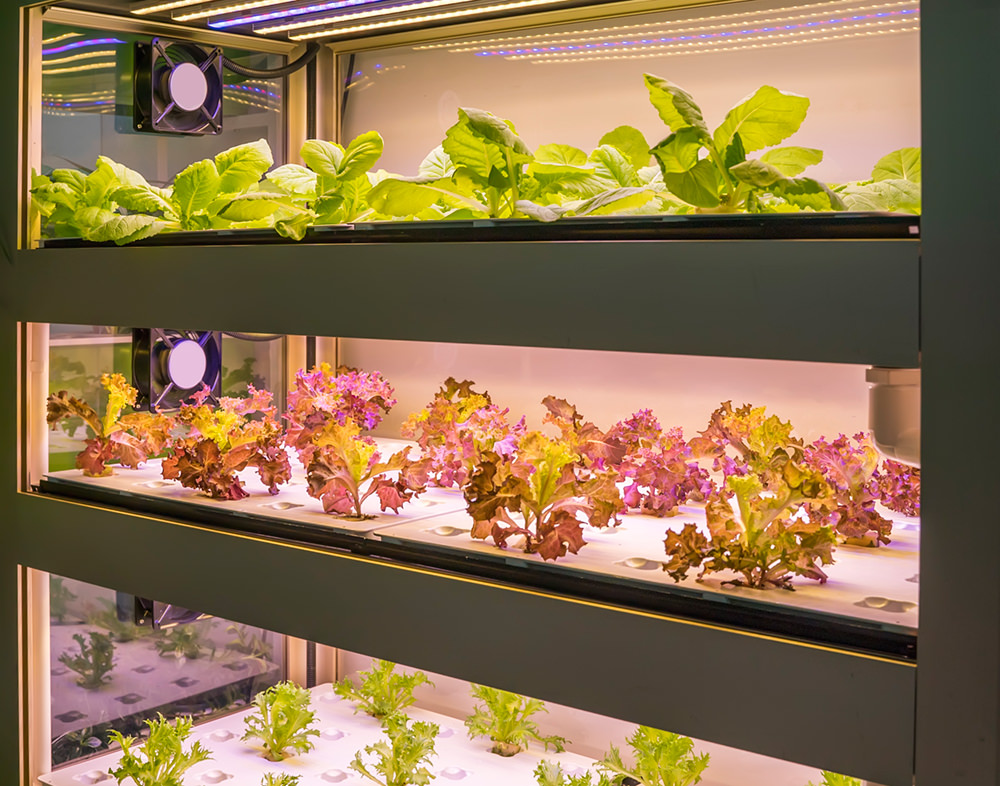
Acquire sharp harvesting knives, washing stations, and drying equipment. Efficient post-harvest handling preserves quality and reduces waste, directly improving your profit margins on profitable herbs to grow.
Plant and manage crops for peak yield
Profitable herbs to grow require precise management from seed to sale. The difference between a hobby garden and a commercial operation lies in consistency. By grouping plants with similar water and sun requirements, you reduce labor and prevent crop failure. For example, rosemary, oregano, and thyme thrive in dry conditions, while basil, parsley, and cilantro prefer consistent moisture. Managing these groups separately ensures every plant reaches market-ready size without waste.
Start with clean, nutrient-rich soil or a sterile soilless mix. Fill trays or beds to a uniform depth, ensuring proper drainage. For high-value herbs like basil, start seeds indoors 4-6 weeks before transplanting to maximize the growing season. Direct-sow hardy herbs like rosemary and thyme into final beds once frost risk passes.
Water based on crop needs, not a fixed schedule. Drought-tolerant herbs like oregano need less frequent watering than cilantro. Check soil moisture daily; overwatering is the leading cause of loss in herb farming. Use drip irrigation or soaker hoses to keep foliage dry, preventing fungal diseases that can ruin an entire batch before harvest.
Thin seedlings to the recommended spacing as soon as they develop their first true leaves. Crowded plants compete for nutrients and light, resulting in smaller, less flavorful herbs that fetch lower prices. Remove weeds immediately; they steal resources and can harbor pests. Consistent thinning ensures each plant has the space to develop the full leaf volume buyers expect.
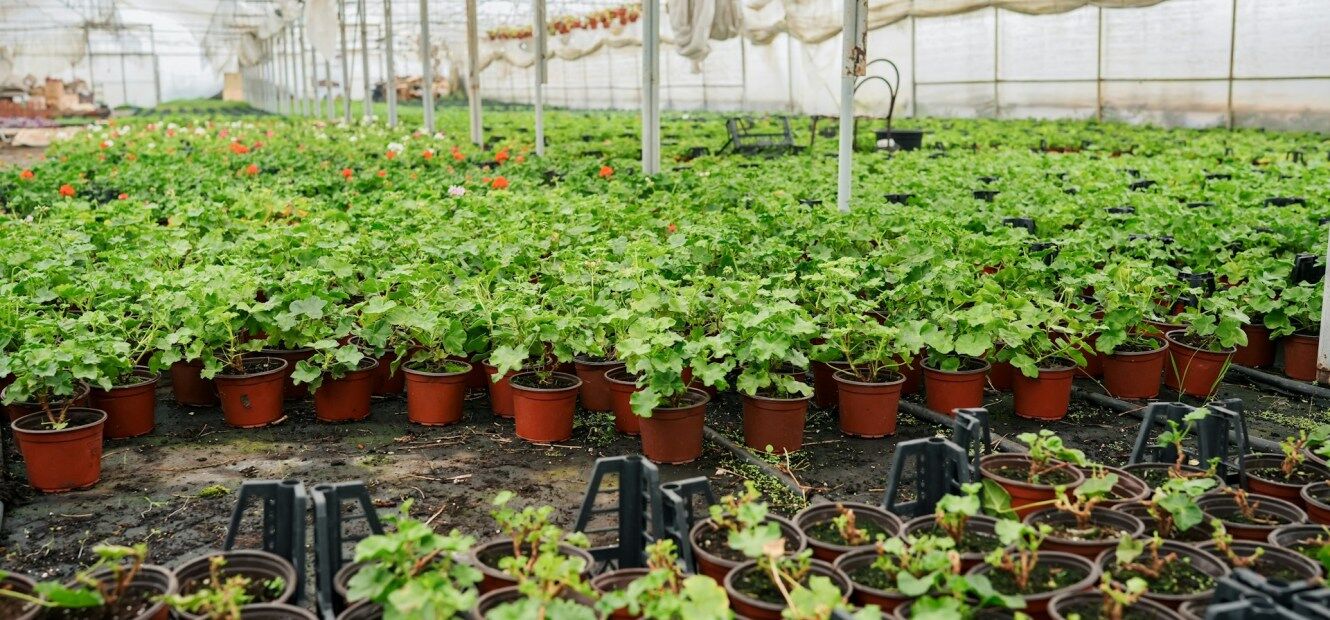
Harvest in the morning after dew dries but before the heat of the day. This is when essential oil concentration is highest, ensuring maximum flavor and aroma. Use clean, sharp tools to cut stems, leaving enough growth for regeneration. Immediate cooling after harvest preserves quality and extends shelf life, allowing you to meet strict buyer standards.
Package and sell your fresh herbs
Transitioning from growing to selling requires a shift in mindset from horticulture to retail. The first step is packaging. Herbs are perishable and delicate; they need protection that maintains freshness without suffocating them. Use breathable clamshell containers or clear bags with ventilation holes. Labeling is non-negotiable for direct-to-consumer sales. Include the herb name, harvest date, and your contact information. Professional packaging builds trust and justifies a premium price.
Next, choose your sales channel. Farmers markets offer immediate cash flow and direct feedback but require significant time investment. Restaurants provide steady, bulk orders but demand consistent quality and volume. Online sales through your own website or platforms like Etsy offer the highest margins but require marketing effort and shipping logistics. Start with one channel to master the workflow before expanding.
Avoid common herb farming mistakes
Even with a solid crop selection, operational errors can erase your margins. The most frequent pitfalls involve mismatched planting, poor spacing, and untimely harvesting. Correcting these issues ensures your profitable herbs to grow reach the market in peak condition, maximizing both yield and price.
Mismatched Water and Sun Needs
Grouping herbs with conflicting requirements is a common beginner error. Herbs like rosemary, oregano, and thyme thrive in dry, sunny conditions, while basil, parsley, and salad greens prefer consistent moisture. Planting them together often leads to root rot for drought-lovers or sparse growth for moisture-needing varieties.
Consult a grower’s guide to group plants by their environmental needs. This simple step reduces waste from dead plants and simplifies irrigation management, keeping your operational costs low.
Overcrowding and Poor Spacing
Crowding herbs restricts airflow and increases susceptibility to fungal diseases, which can wipe out a batch overnight. It also stunts growth, leading to smaller leaves that fetch lower prices at farmers' markets. Proper spacing ensures each plant gets enough light and air to develop full, marketable foliage.
Follow the spacing recommendations on seed packets or transplant labels. If growing in containers, err on the side of slightly less than the recommended density to account for rapid growth in a confined root zone.
Harvesting at the Wrong Time
Harvesting too late, especially in hot weather, causes herbs like cilantro and basil to bolt (flower prematurely). Bolting changes the flavor profile, making leaves bitter and less desirable to chefs and home cooks. It also signals the end of the productive life of the plant, reducing your total harvest window.
Harvest in the early morning when essential oil content is highest and plant turgor is strong. For leafy herbs, pick just before the flower buds form to ensure the best flavor and longest shelf life for your customers.
Visualizing the Harvest
Proper harvesting technique preserves the plant's ability to regrow. Use clean, sharp shears to cut stems just above a leaf node. This encourages bushier growth and a more abundant second harvest.
Harvest in the early morning after the dew has dried but before the sun heats the plants. This preserves essential oils and crispness.
Use sharp, sanitized shears to make clean cuts. Dull tools crush stems, leading to faster wilting and increased disease risk.
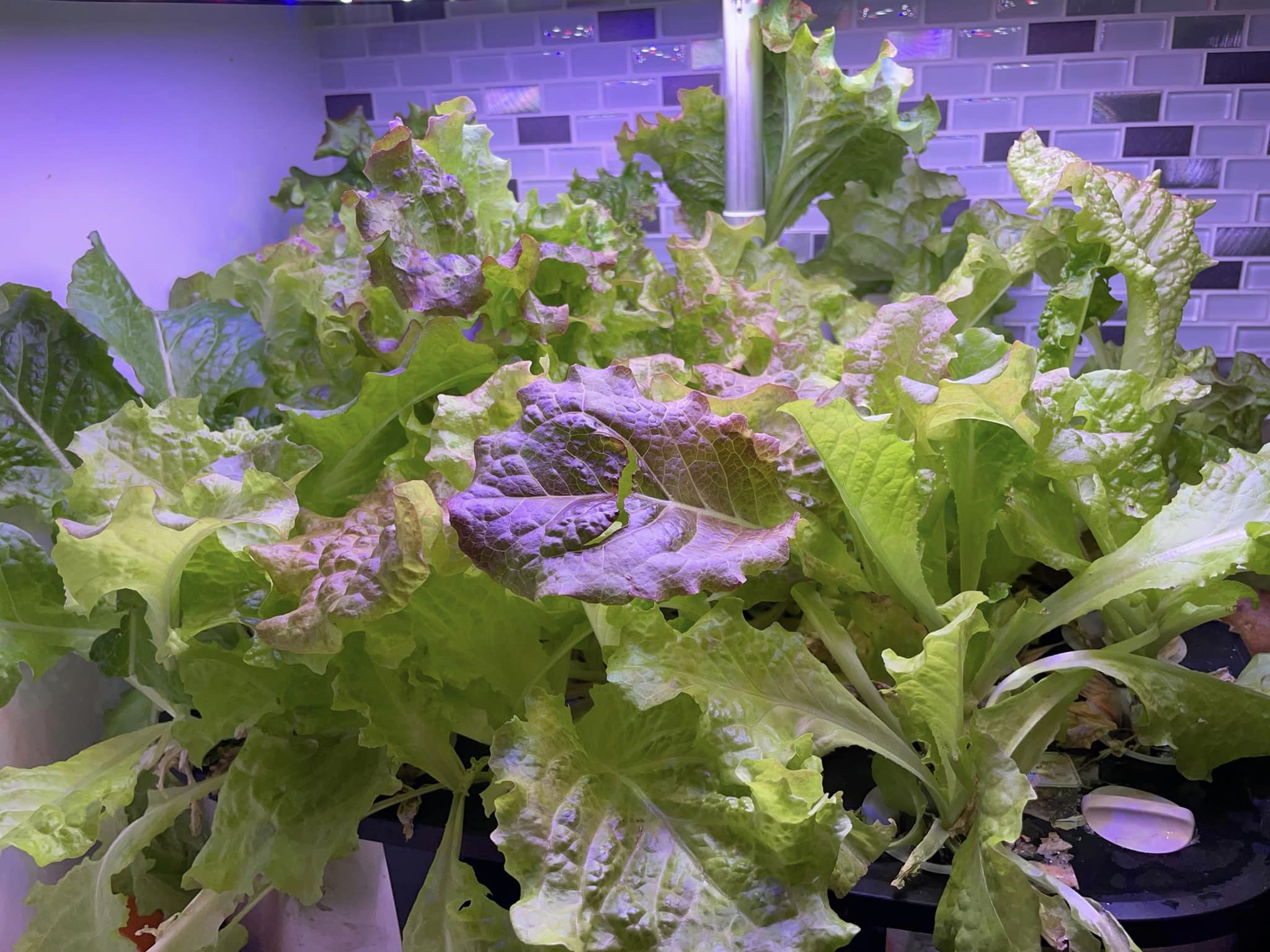
Cut just above a leaf node to encourage new growth. This technique allows the plant to regrow, extending your harvest season.
Launch your herb garden business plan
Before you sell your first bundle, treat your operation like a formal enterprise. Proper legal and financial foundations protect your profits and ensure long-term viability. This section covers the essential steps to formalize your profitable herbs to grow business.
File your business name with your state and obtain an Employer Identification Number (EIN) from the IRS. This separates your personal assets from business liabilities and simplifies tax reporting. Consult a local attorney to determine if an LLC or sole proprietorship best suits your scale.
Herb sales often require specific agricultural or food handling permits. Check with your county extension office and state department of agriculture for regulations on direct-to-consumer sales. Compliance prevents costly fines and builds trust with retailers.
Keep business and personal finances separate from day one. Use a dedicated account for all revenue and expenses related to your profitable herbs to grow operation. This clarity is crucial for accurate bookkeeping and tax deductions.
Track every cost, from seeds and soil to packaging and marketing. Use simple accounting software or a spreadsheet to monitor margins. Understanding your true cost per bundle allows you to price competitively while maintaining healthy profits.
No comments yet. Be the first to share your thoughts!