
Get your herb business right
Before planting a single seed, you need to confirm that your operation is viable. A profitable commercial herb farm relies on clear logistics and a defined market, not just green thumbs. Skipping these prerequisites often leads to wasted soil and unsold inventory.
1. Define your product and market
Decide what you are growing and who will buy it. Are you targeting local restaurants with fresh cut herbs, or will you sell dried bundles online? Your choice dictates your equipment needs. Fresh herbs require cold storage and rapid delivery; dried products need curing space and packaging. Pick one niche to start.
2. Secure your growing space
You do not need acres of land to begin. A small backyard plot, a rented community garden bed, or a converted garage can work. The key is access to clean water and at least six hours of direct sunlight. If you are starting indoors, ensure your ventilation system can handle the humidity levels that herbs produce.
3. Calculate your startup costs
List every expense before you spend a dollar. This includes seeds or starts, soil amendments, containers, irrigation supplies, and basic tools. For a minimal setup, you can often start under $500. Keep these costs low by buying used pots and building your own trellises. Avoid expensive machinery until your sales volume justifies it.
4. Validate your sales channels
Talk to potential buyers before you harvest. Visit local chefs or visit farmers' markets to gauge interest. If you are selling online, set up a simple storefront. Having a few confirmed orders or a waiting list reduces risk and helps you plan your planting schedule accurately.
5. Plan your logistics
Herbs spoil quickly. Map out how you will harvest, wash, dry, and store your product. You need a clean workspace that meets local health guidelines if you are processing food. Decide if you will deliver yourself or use a shipping service. Reliable logistics are what turn a hobby into a business.
How to start an herb business step by step
Turning a patch of soil into a commercial operation requires more than just good growing conditions; it demands a structured approach to production and sales. This sequence covers the essential phases of launching a profitable commercial herb farm with minimal equipment.
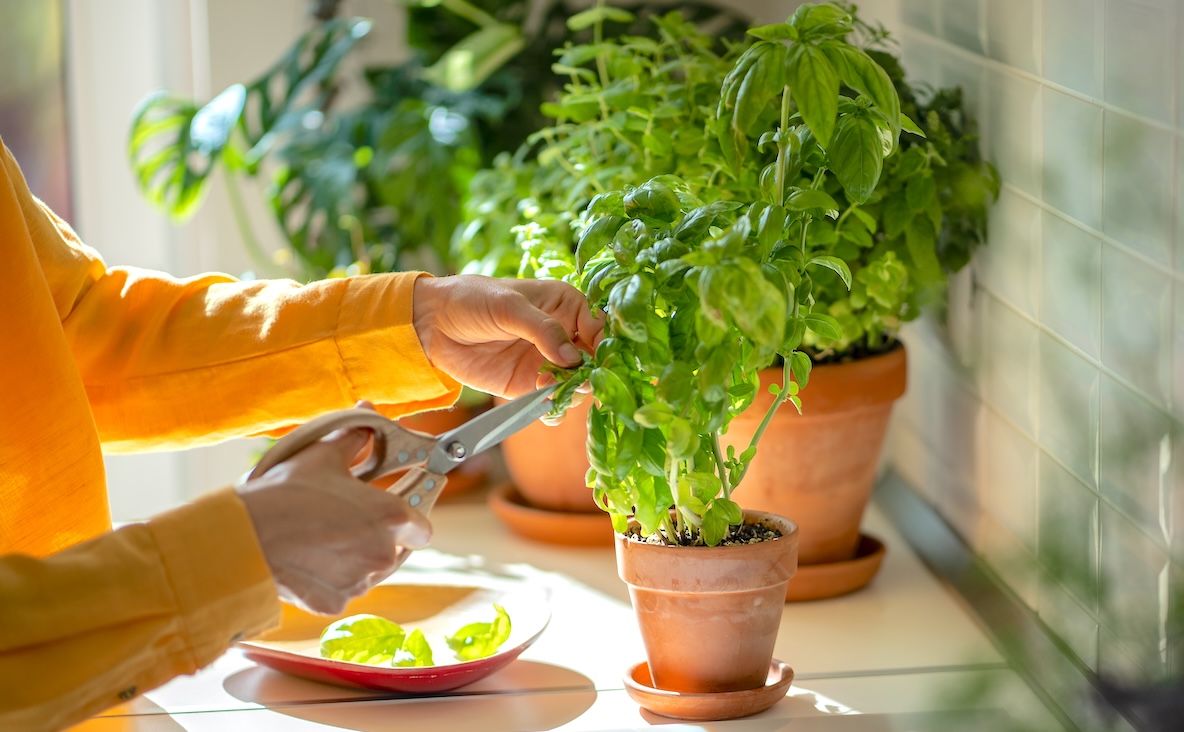
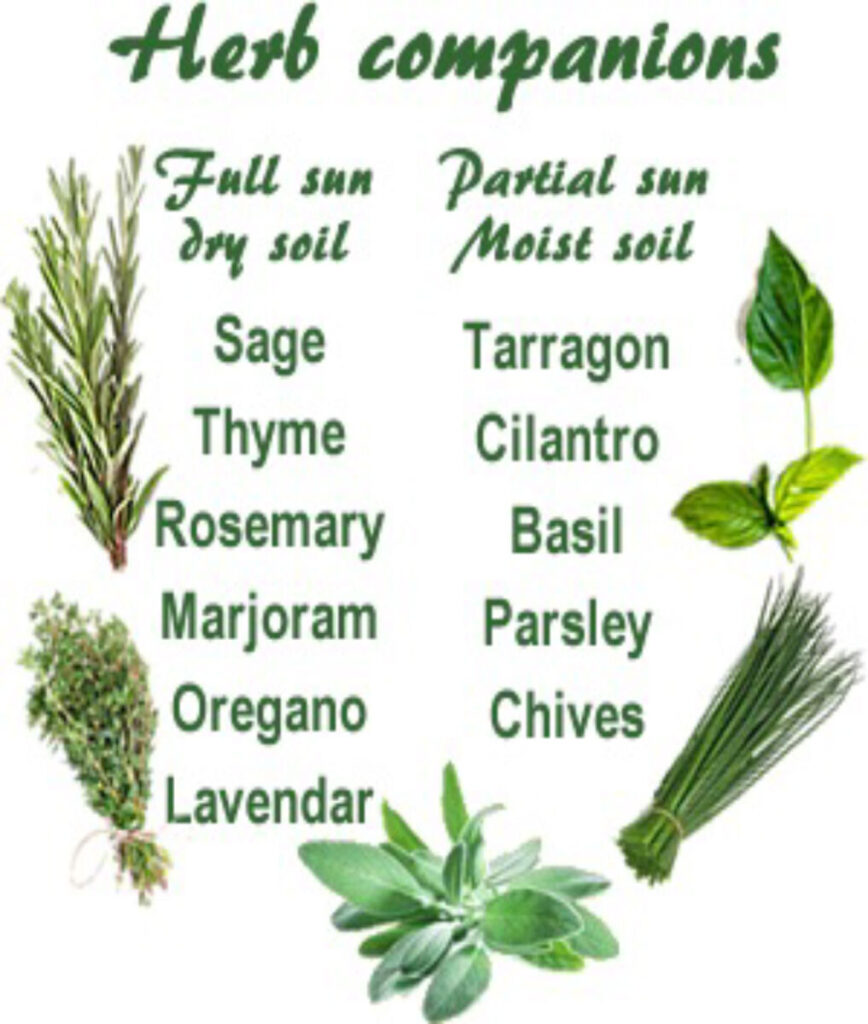
Start by choosing a specific focus. You might grow culinary basil for local restaurants, medicinal lavender for essential oils, or live potted herbs for farmers markets. Narrowing your scope early helps you select the right growing space and equipment, ensuring you don't spread yourself too thin across incompatible crops.

Draft a simple business plan that outlines your startup costs, projected yields, and sales channels. You don't need a complex financial model yet. Focus on calculating how many square feet you need to meet your first year's revenue goals and identifying the low-cost infrastructure, like simple hoop houses or greenhouse benches, you will need.
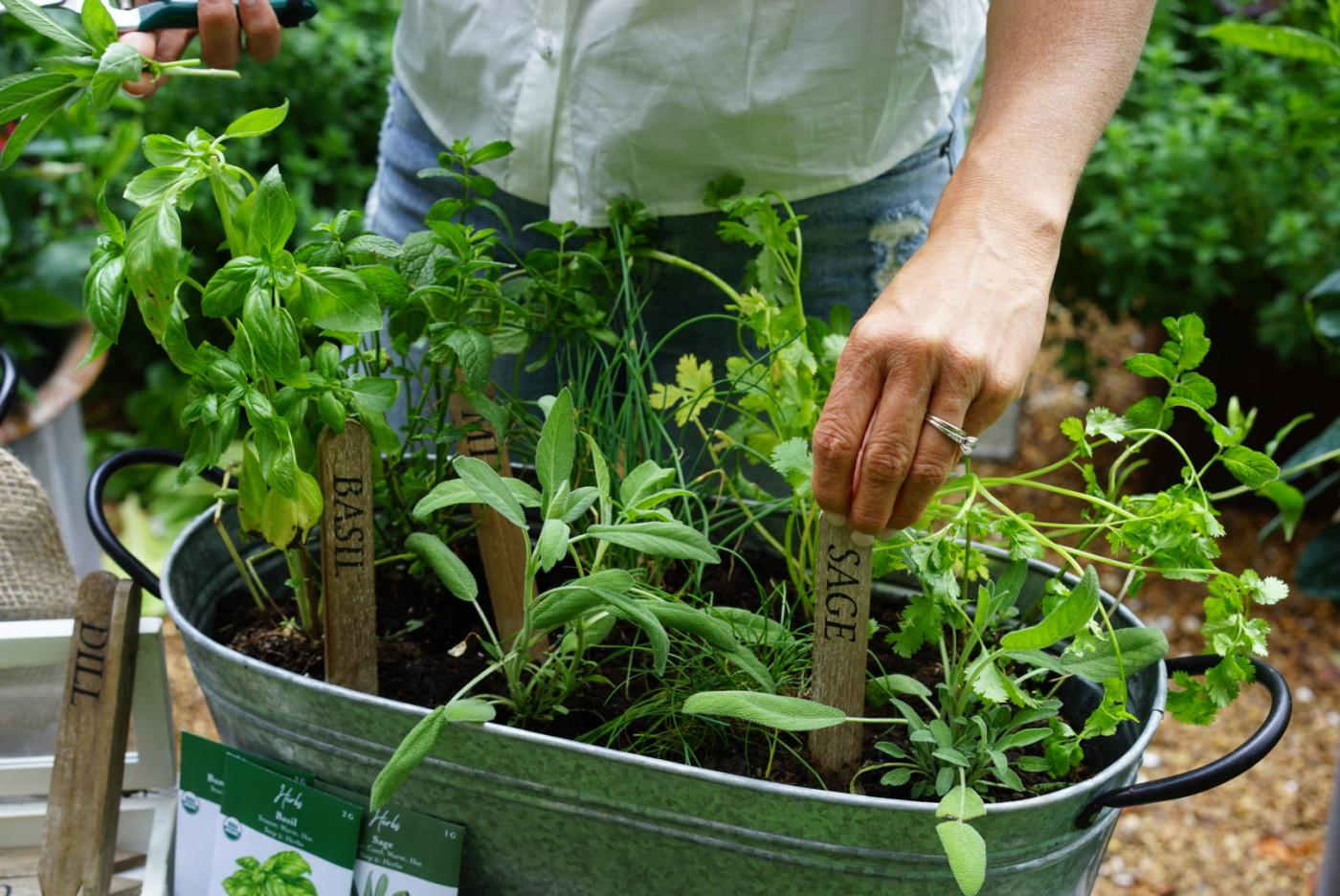
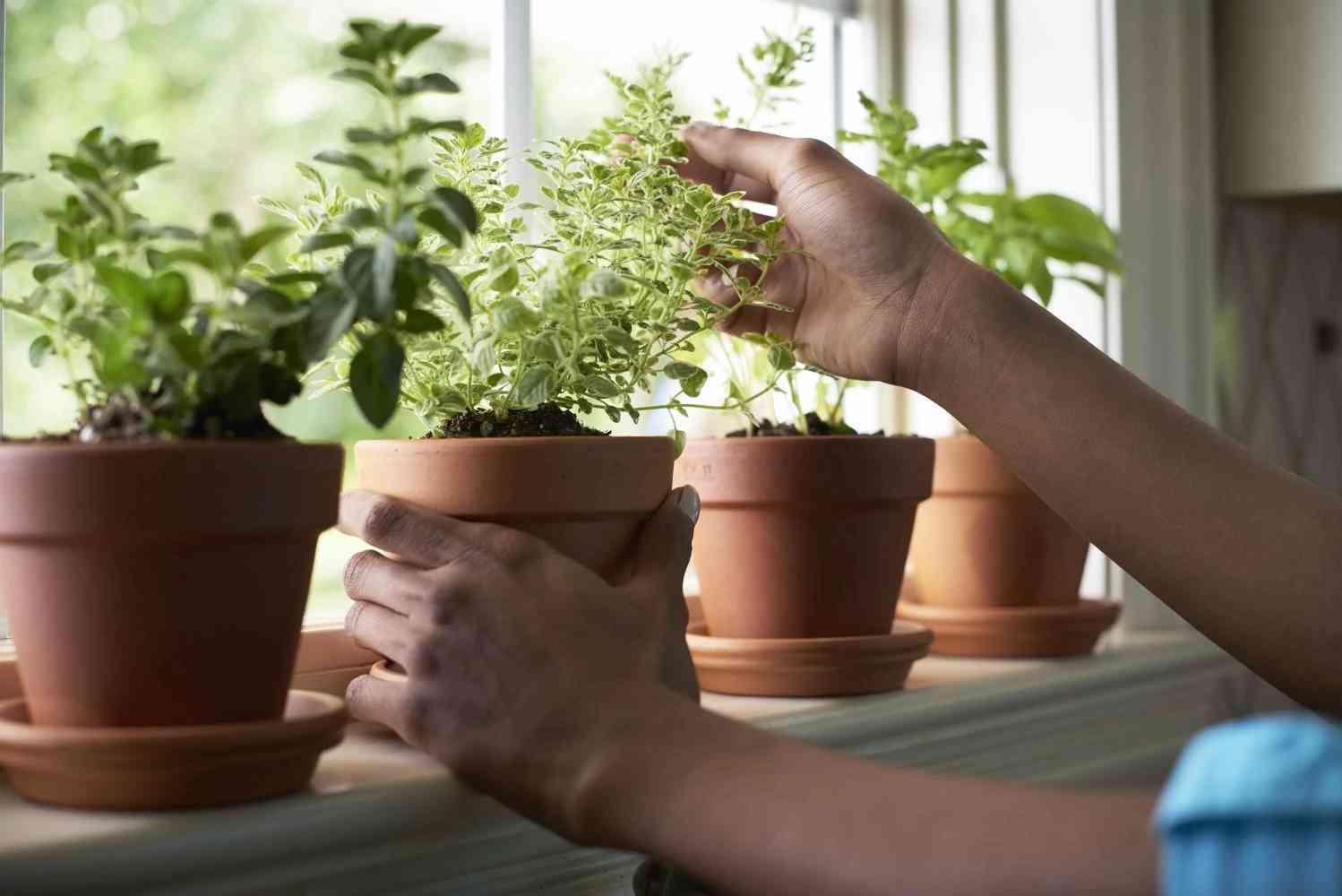
Set up your growing area before buying inventory. Ensure you have reliable access to water, sunlight, and drainage. If you are using indoor or greenhouse space, install basic lighting and ventilation systems. At this stage, focus on efficiency; minimal equipment like basic pruning shears, harvest buckets, and drying racks is often all you need to begin.
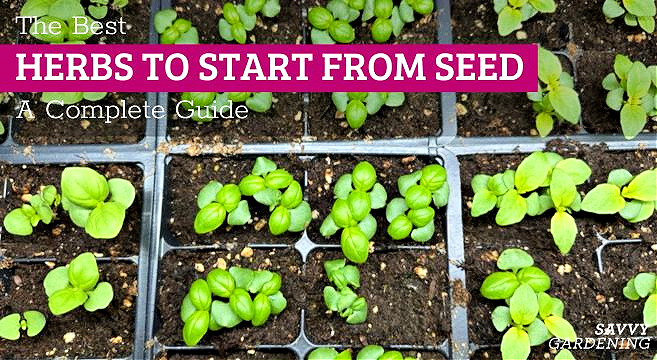
Begin planting your chosen herbs, starting with fast-growing varieties to generate early cash flow. Keep detailed logs of planting dates, watering schedules, and growth rates. This data is vital for scaling later, as it helps you predict harvest windows and identify which varieties thrive in your specific microclimate with minimal intervention.
Don't wait for a perfect product to start selling. Offer small batches to local neighbors, friends, or at a weekend market to test demand and gather feedback. These early sales prove your concept works and provide the initial capital needed to reinvest in better equipment or expand your growing area.
Review your first season's data to see what worked. Did certain herbs sell out faster? Which ones required too much labor for the return? Adjust your crop mix and operational processes based on this real-world evidence. This continuous improvement loop is what separates a hobby garden from a sustainable commercial enterprise.
Once your initial system is stable, invest in scaling. This might mean adding more beds, acquiring a small commercial dehydrator, or securing contracts with local chefs. Reinvest your profits into equipment that increases efficiency, allowing you to handle larger volumes without a proportional increase in labor costs.
Common Mistakes That Sink Herb Farms
Starting a commercial herb farm often feels like a low-barrier entry, but the margin for error is small. New growers frequently confuse hobby gardening with commercial production, leading to wasted seed, lost labor, and disappointed buyers. The difference between a profitable business and a failed experiment usually comes down to three specific areas: variety selection, post-harvest handling, and market alignment.
Choosing the Wrong Varieties
Many beginners plant culinary herbs based on personal taste preferences rather than market demand or shelf-life requirements. A delicate cilantro variety might taste excellent in your kitchen, but it bolts quickly in heat and wilts within days of harvest, making it unsuitable for wholesale distribution. Commercial success relies on high-yield, disease-resistant varieties that transport well. If you cannot ship it or sell it fresh for more than a week, it is a liability, not an asset. Always test varieties in your specific microclimate before committing large acreage.
Poor Post-Harvest Handling
Herbs are essentially water and essential oils. Once harvested, they begin to die. The most common mistake is leaving harvested greens in the sun or warm trucks, which causes rapid wilting and loss of aroma. Even a few hours of heat stress can drop the quality grade from "premium" to "commodity," slashing your profit margin. Implement a cold chain immediately: harvest during the coolest part of the day, hydrate immediately, and cool to near-freezing temperatures within two hours. This step is non-negotiable for retaining value.
Ignoring Market Validation
Building a farm before securing buyers is a classic trap. You might spend months growing specialty basil or rare lavender, only to find no local chefs or retailers interested. Successful herb farmers start with the buyer. Contact chefs, farmers' market coordinators, and local grocers before you plant a single seed. Ask what they currently struggle to source consistently. Grow what they need, not what you want to grow. This validation step ensures your harvest has a destination before it ever hits the soil.
Start herb business: what to check next
Before committing land or capital, it helps to address the practical friction points that stop most new growers. These answers focus on profitability, legal compliance, and market entry strategies based on current industry data.
No comments yet. Be the first to share your thoughts!