Pick your most profitable herbs
Choosing the right crops is the first step toward a viable business. Not all herbs offer the same return on investment. Some grow quickly and sell for a premium, while others require years of patience for minimal payoff. Focus on plants that balance high demand with manageable growing conditions, especially if you are starting with minimal equipment.
Basil is a reliable starter crop. It grows rapidly, yields multiple harvests per season, and has consistent demand from restaurants and farmers' markets. Because it is perishable, local growers have an edge over large distributors who ship from afar. Lavender offers a different advantage: low maintenance and high value. Once established, lavender plants produce for years with little water or care. Dried lavender sells well as sachets, bundles, or essential oil, extending your sales window well beyond the growing season.
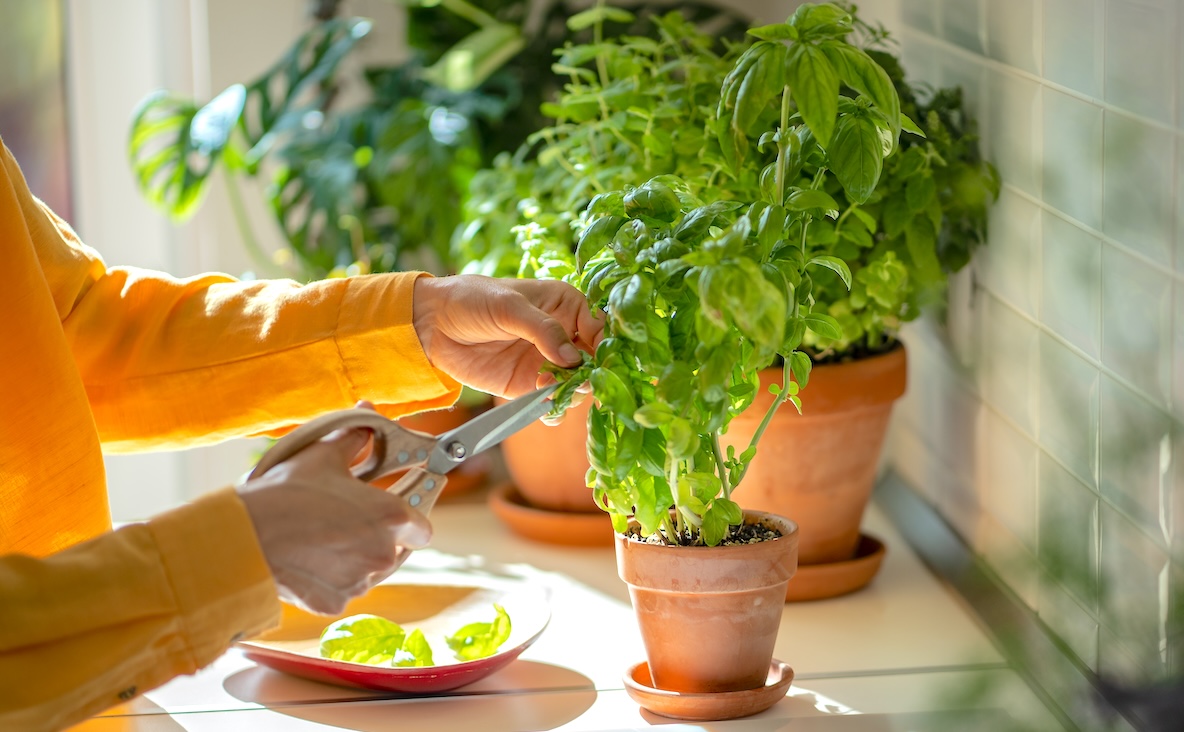
Start small by testing these two varieties. Grow them in your available space, track your time and material costs, and see how the market responds. This low-risk approach lets you refine your skills without committing to large-scale infrastructure. As you learn what works, you can expand into other high-margin herbs like rosemary or thyme, which also store well and have steady commercial appeal.
Set up your growing infrastructure
You don’t need a commercial warehouse to start. The barrier to entry is lower than you might think, especially if you focus on high-value, low-space crops like basil or lavender. Whether you’re working with a backyard plot or a spare garage, the goal is to build a minimal viable setup that keeps your initial costs down while ensuring consistent quality.
Start by evaluating your space. Small-scale greenhouse operations offer climate control but require more upfront investment. Field operations are cheaper to launch but expose your crop to weather risks. For most new herb businesses, starting small allows you to refine your growing techniques without overcommitting capital.
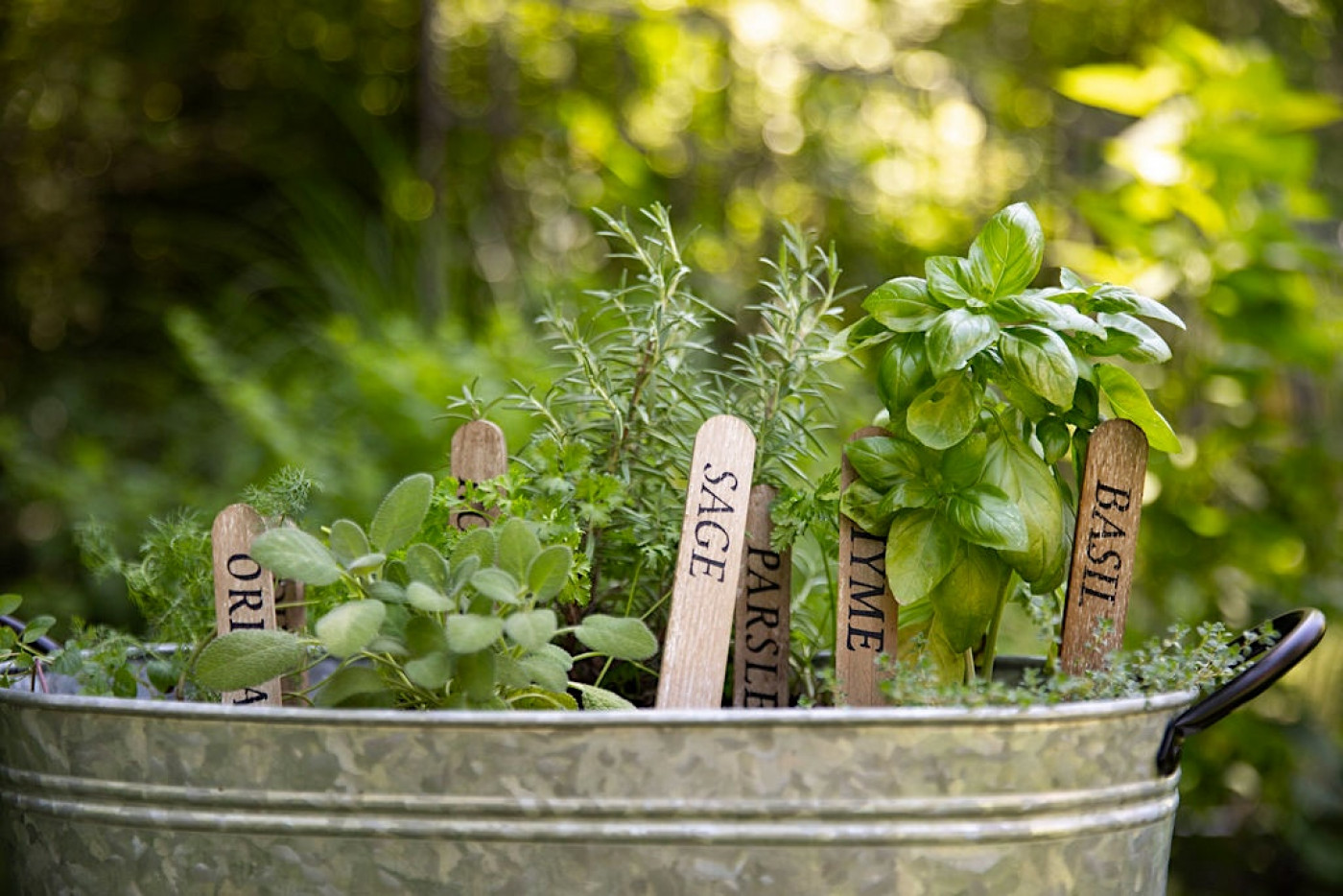
Quality soil is the foundation of a profitable herb business. For indoor or greenhouse setups, invest in a sterile, well-draining potting mix rather than garden soil, which can introduce pests and diseases. If you’re growing outdoors, amend your native soil with compost to improve nutrient density. Proper soil prep reduces the need for expensive fertilizers later.
Consistent water is critical for herbs like basil, which can wilt quickly, or lavender, which prefers drier conditions. Start with a basic drip irrigation system or soaker hoses. This method delivers water directly to the roots, minimizing waste and reducing the labor of manual watering. It’s a small investment that pays off in time savings and plant health.
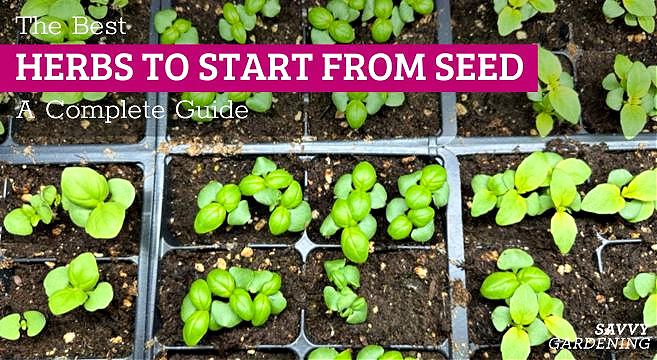
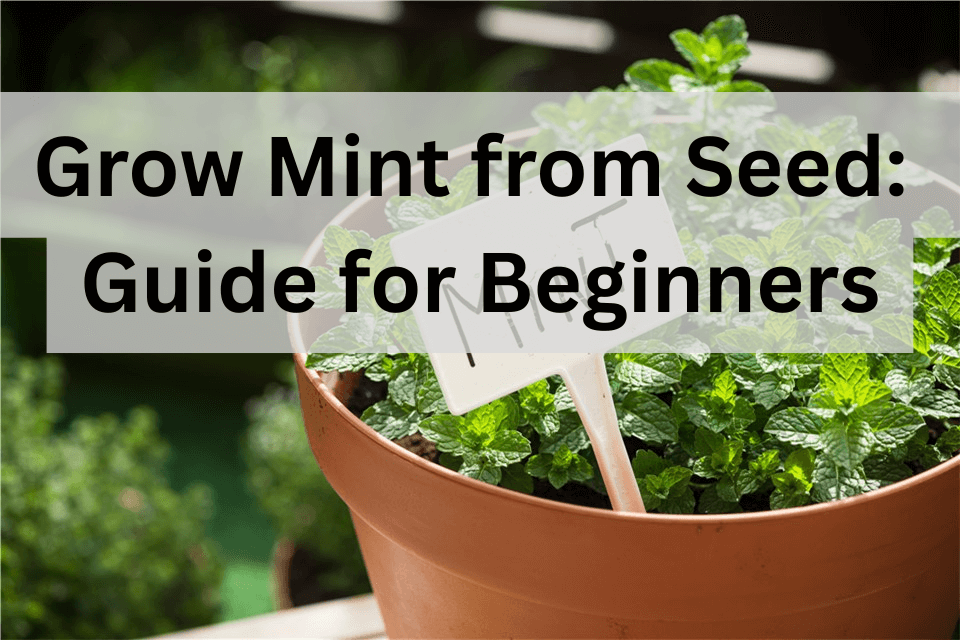
Use modular trays for starting seeds and larger containers for mature plants. Trays allow you to organize different herb varieties efficiently and move them as needed. For crops like mint or basil, choose containers with adequate drainage holes. This step is about creating a scalable system; you can start with a few trays and expand as your customer base grows.
Designate a clean, shaded area for post-harvest handling. This is where you’ll wash, dry, or bundle your herbs before packaging. A simple table with a clean surface and access to water is sufficient to start. Keeping this area separate from your growing space ensures hygiene and helps maintain the freshness of your product for market.
Essential Equipment Checklist
- Growing Medium: High-quality potting mix or soil amendments
- Irrigation: Drip lines or soaker hoses
- Containers: Modular trays and drainage pots
- Harvest Space: Clean table and washing station
- Tools: Hand trowels, pruners, and watering cans
By focusing on these core elements, you can build a functional growing infrastructure that supports your business goals without breaking the bank. Keep it simple, stay consistent, and let your herbs thrive.
Handle licenses and local rules
Before you harvest your first batch of basil or dry your lavender, you need to make sure your operations are legal. Starting an herb business is often seen as a low-barrier entry into entrepreneurship, but the regulatory side is where many hobbyists stumble. You cannot simply sell food products from your home kitchen without meeting specific safety and zoning standards.
Think of compliance as the foundation of your greenhouse. If it’s cracked, the whole structure is at risk. Start by checking your local zoning ordinances. Some municipalities prohibit commercial activities in residential areas, even if you’re working from a spare room. If you plan to sell at farmers markets, those vendors often require proof of a valid business license and liability insurance.
Food safety is the next hurdle. In many states, selling fresh herbs or dried spices requires a specific food handler’s permit or a cottage food law exemption. These rules vary significantly depending on whether you are selling raw produce or value-added products like infused oils. Always check with your local agricultural extension office for the most current certifications required in your area.
Verify that your home address allows for commercial business activities. Some neighborhoods have strict HOA rules or city zoning codes that restrict home-based businesses.
Register your business name and obtain a general business license from your city or county clerk. This is often the first step to getting a tax ID number.
Determine if you need a cottage food license or a food handler’s card. This ensures your drying and packaging methods meet local health department standards.
Purchase product liability insurance. This protects you if a customer has an allergic reaction or if a product is contaminated during transit.
Build your sales channels
Selling your harvest is where the hobby turns into a business. You don't need a fancy storefront to start; you just need a clear path to customers. Whether you are selling bunches of fresh basil or bundles of dried lavender, choosing the right channel matters. Here is how to set up your primary sales routes with minimal overhead.
Start at the farmers market
Local markets are the best place to test the waters. They let you meet customers face-to-face and get instant feedback on your basil or mint. To keep things simple, bring a clean table, clear pricing signs, and some samples. If you sell herb plants, a small "display garden" in pots helps customers see what they are buying. Offer to answer questions about how to grow them at home—this builds trust and loyalty.
Connect with local restaurants
Chefs love fresh, high-quality herbs, but they need reliability. Start by visiting a few local restaurants during their slow hours. Bring a small sample pack of your best herbs and your price list. Be ready to tell them exactly how often you can deliver and how you package the greens to keep them crisp. Many chefs prefer working with local growers who can respond quickly to special requests.
Sell online or via subscription
If you have a steady crop, an online store or subscription box works well. You can use simple platforms to list your products and handle shipping. For herbs, focus on clear photos and honest descriptions of freshness. Some growers offer weekly "herb boxes" that include a mix of seasonal greens, which keeps customers coming back every week.
Key steps to set up your first sales channel
Decide whether to start with farmers markets, restaurant contracts, or online sales. Pick one to focus on first so you can master the logistics without spreading yourself too thin.
Design a basic logo and price list. You can use free tools to make professional-looking signs for your market stall or labels for your online orders. Consistency helps customers recognize your brand.

Invest in simple, eco-friendly packaging. For fresh herbs, breathable bags or small boxes keep them fresh longer. For dried herbs like lavender, airtight jars or pouches preserve the scent during shipping.
Make your first sale. Whether it is to a chef or a market customer, ask for feedback. Use their comments to improve your product or service before you scale up.
Avoid common beginner mistakes
Starting an herb business is exciting, but it’s easy to trip over a few common pitfalls when you’re just getting started. The good news is that these mistakes are usually simple to fix with a little planning and the right mindset. By steering clear of these three areas, you’ll save time, money, and a lot of stress.
Don’t overplant your space
It’s tempting to plant a huge variety of herbs all at once, but this often leads to burnout and wasted harvests. Start small with just two or three varieties that you know sell well, like basil or mint. Grow what you can handle, and expand your plot only as your customer base grows. This "start small" approach keeps your workload manageable and ensures every herb you grow has a home.
Handle your harvest with care
Post-harvest handling is where many new growers lose quality. Herbs like lavender and rosemary are sensitive to heat and humidity. If you let them sit in direct sun or stack them while still damp, they can mold or lose their essential oils before they even reach the market. Always dry herbs in a cool, dark, and well-ventilated area, and handle them gently to keep the leaves and flowers intact.
Price your work fairly
Underpricing your herbs is a common trap, especially when you’re eager to make your first sale. Remember that your price should cover not just the seeds and soil, but also your time, drying costs, packaging, and market fees. If you’re selling fresh basil, calculate the cost per bundle and add a fair margin for your labor. Don’t undervalue your hard work; customers appreciate quality, and fair pricing ensures you can keep growing.
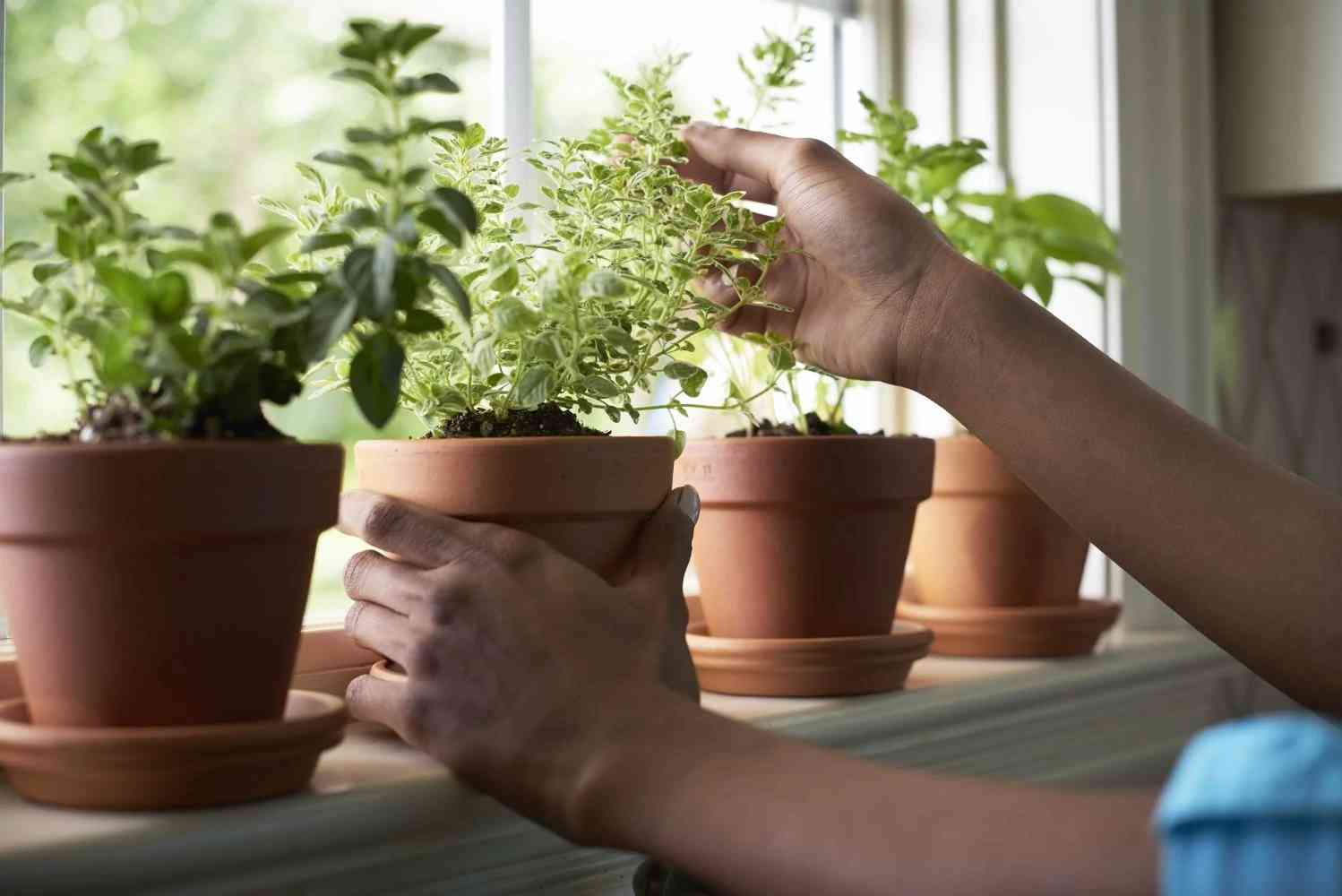
Choose two or three high-demand herbs like basil or mint to begin with. This prevents overwhelm and lets you refine your growing and sales process before scaling up.
Avoid direct sunlight and heat. Hang bundles or spread herbs on racks in a well-ventilated room to preserve flavor and prevent mold.
Include seeds, soil, packaging, and your time. A fair price ensures sustainability and reflects the quality of your hand-grown herbs.
No comments yet. Be the first to share your thoughts!