
Pick your herb business model
Your first decision determines your startup costs, daily labor, and profit margins. You are choosing between selling live plants, fresh culinary herbs, or dried value-added products. Each model has distinct operational requirements.
Live plants appeal to gardeners and offer higher per-unit prices but require greenhouse space and careful handling. Fresh herbs serve restaurants and farmers markets with quick turnover but demand immediate logistics. Dried products like teas or spices have longer shelf lives and lower shipping costs but require processing equipment.
The table below compares the three primary models to help you decide where to start.
| Model | Startup Cost | Labor Intensity | Profit Margin |
|---|---|---|---|
| Live Plants | $2,000–$10,000 | High | 40–60% |
| Fresh Herbs | $1,000–$5,000 | Very High | 20–40% |
| Dried Products | $500–$3,000 | Medium | 50–70% |
Live plants require the most infrastructure. You need pots, soil, and climate control. Fresh herbs are the most labor-intensive because they spoil quickly. You must harvest, wash, and deliver daily. Dried products are the easiest to scale. You can process in batches and ship slowly.
Start small. Test one model before expanding. Many successful herb businesses begin with dried products because they are forgiving and profitable. Once you master the supply chain, you can add live plants or fresh deliveries.
Set up your growing infrastructure
Starting an herb business requires a physical space where plants can thrive. You do not need a commercial warehouse to begin. Many successful herb farmers operate from a backyard plot, a garage, or a small greenhouse. The goal is to create a controlled environment that protects your crops from weather and pests while maximizing yield per square foot.
Startup costs for a home-based herb farm typically range from $2,000 to $10,000, depending on the scale of your infrastructure. This budget covers essential equipment like shelving, lighting, and irrigation systems. By starting small, you can test your growing methods and refine your supply chain before investing in larger facilities.
Start by identifying a space with adequate sunlight or room for artificial lighting. Outdoor beds require well-draining soil and protection from strong winds. Indoor setups, such as garages or spare rooms, offer year-round control but require investment in grow lights and ventilation. Ensure your chosen location has access to water and electricity.
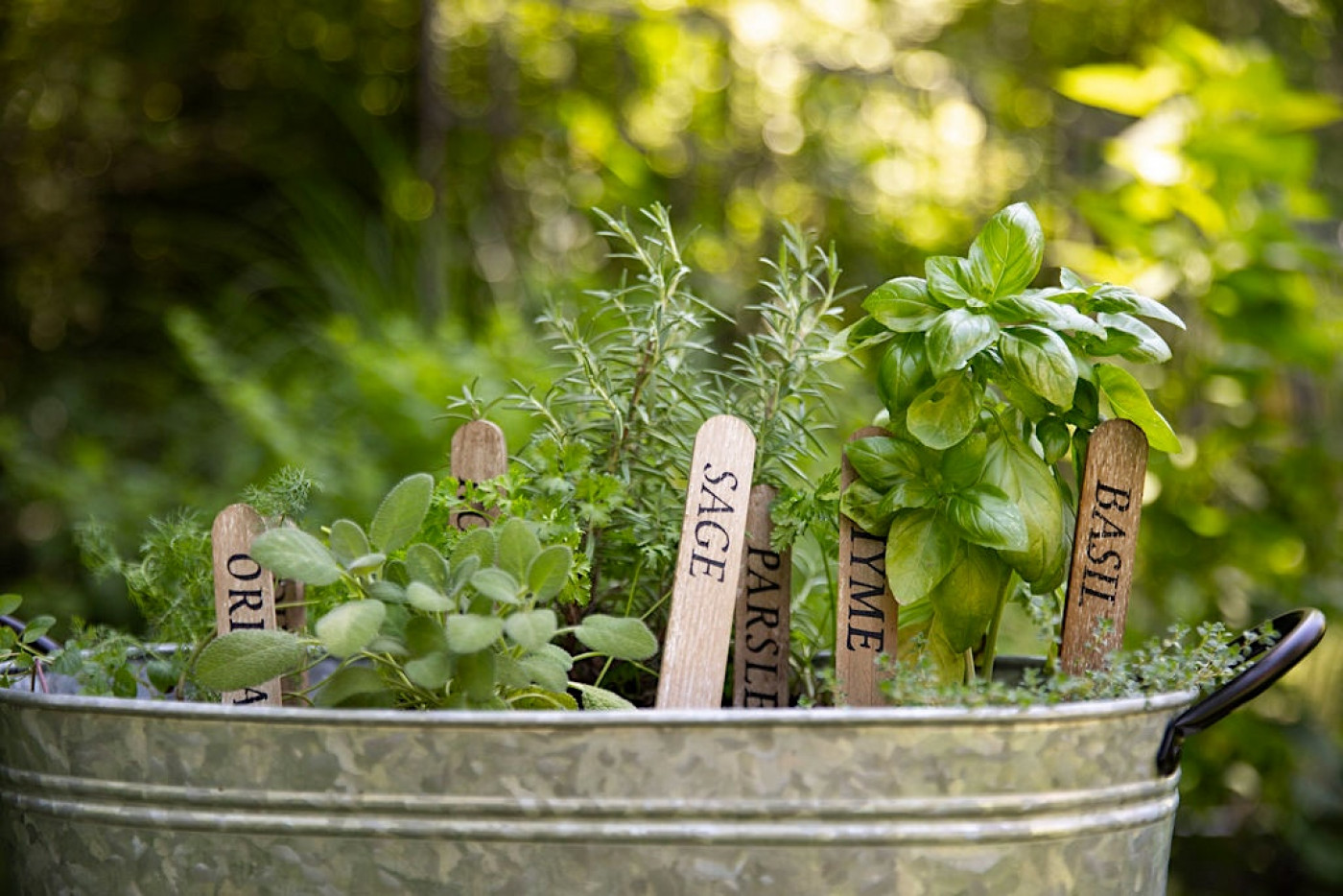
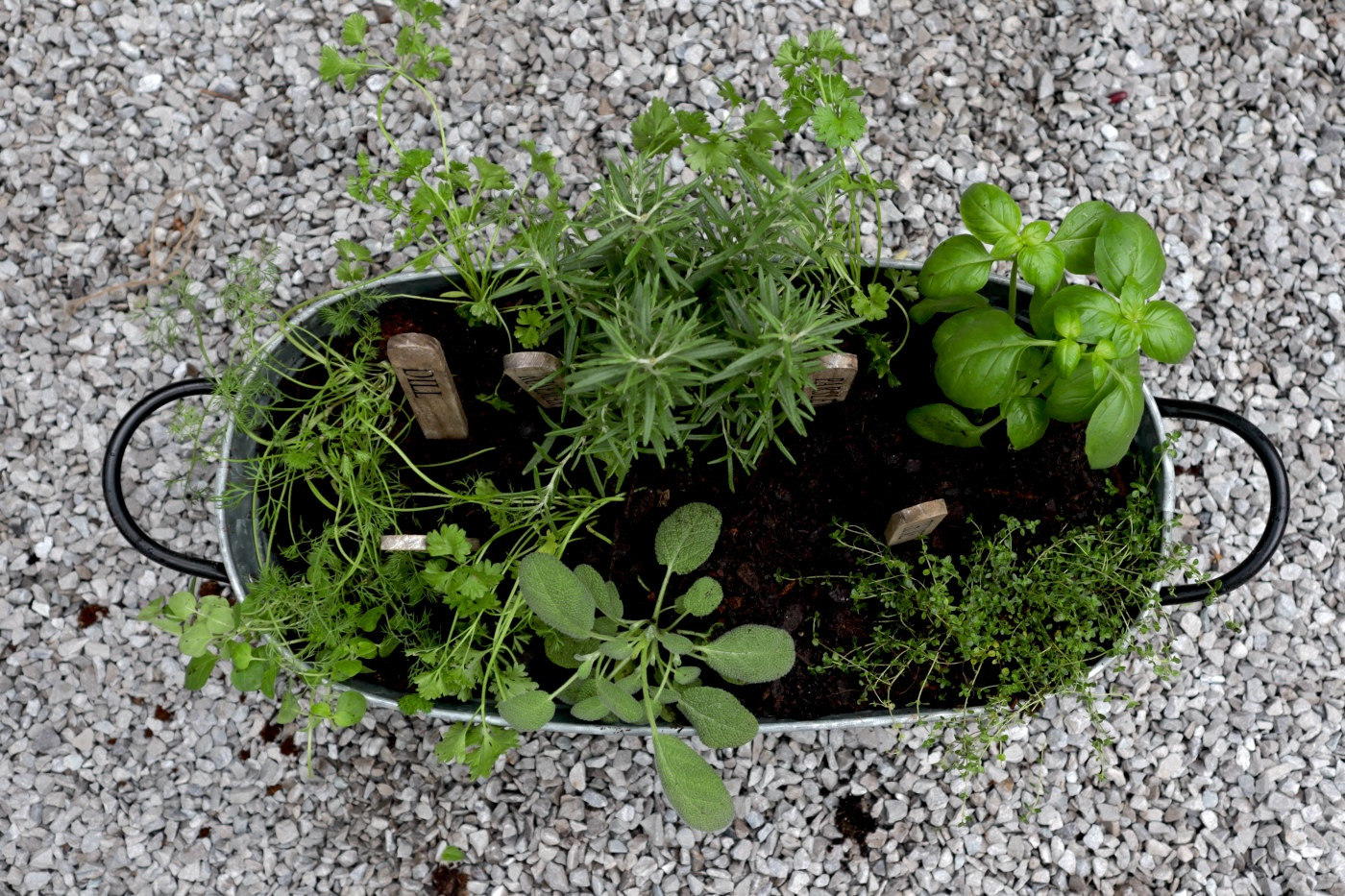
Vertical space is your most valuable asset. Install sturdy shelving units to stack plant trays, allowing you to grow more herbs in a smaller footprint. Use food-grade plastic bins or wooden crates for containers. Ensure they have drainage holes to prevent root rot. Label each shelf clearly to track different herb varieties and planting dates.
Consistent water and light are critical for healthy growth. For indoor setups, install full-spectrum LED grow lights to mimic natural sunlight. Use a simple drip irrigation system or self-watering pots to maintain moisture levels without constant manual watering. If growing outdoors, set up a soaker hose system to deliver water directly to the roots, reducing waste and evaporation.
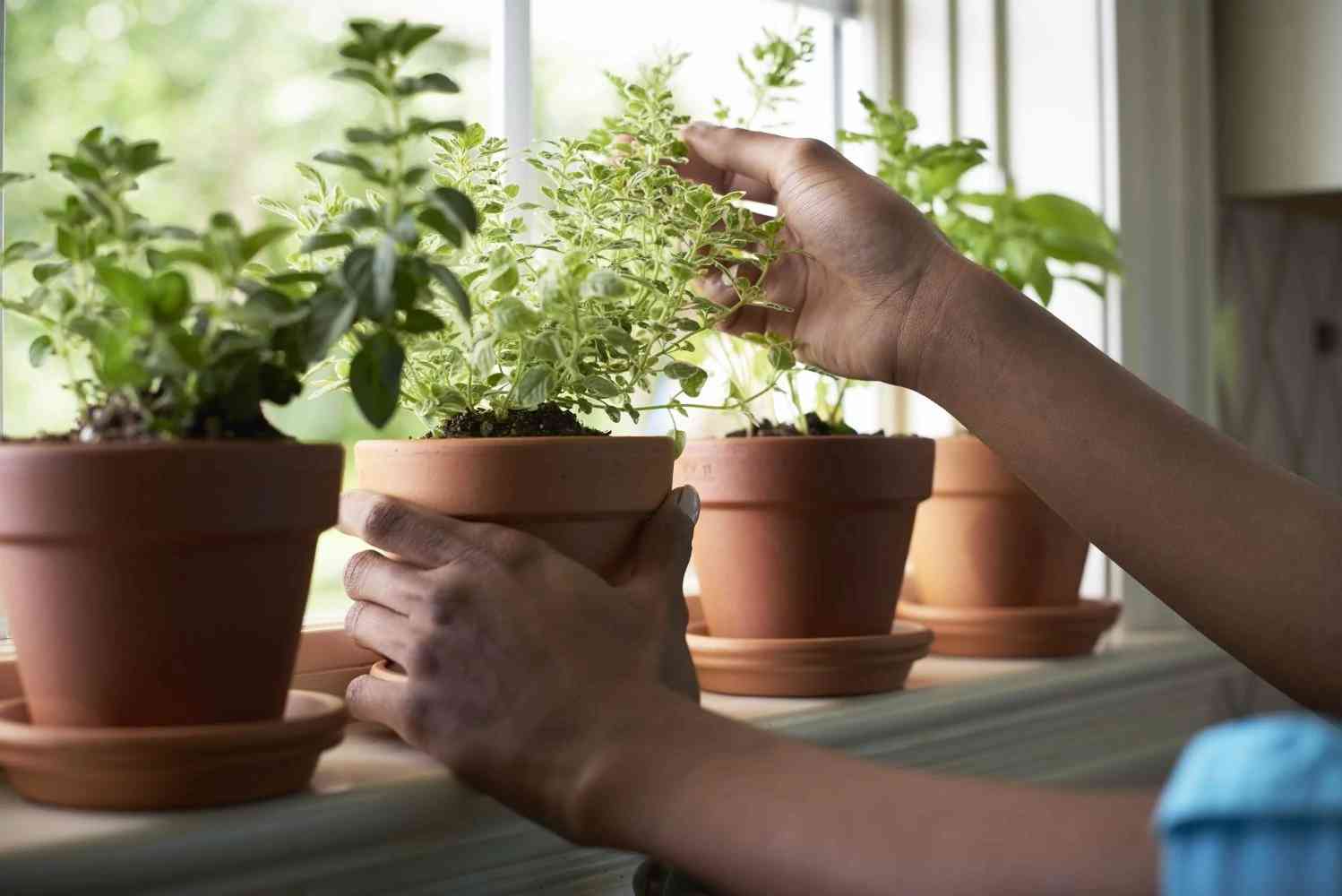
If you plan to sell live plants, create an attractive display garden. This area serves as both a growing space and a marketing tool. Use clean, uniform pots and arrange herbs by type or color. Clear signage describing each plant’s uses and care requirements helps customers make informed purchases. This visual appeal can significantly boost sales at farmers' markets or local shops.
Grow high-demand herb varieties
Selecting the right crops is the first step toward profitability. Not all herbs yield the same return on investment. Focus on varieties with consistent market demand, quick turnaround times, and manageable growing conditions. This approach minimizes risk while maximizing cash flow for a new business.
Basil
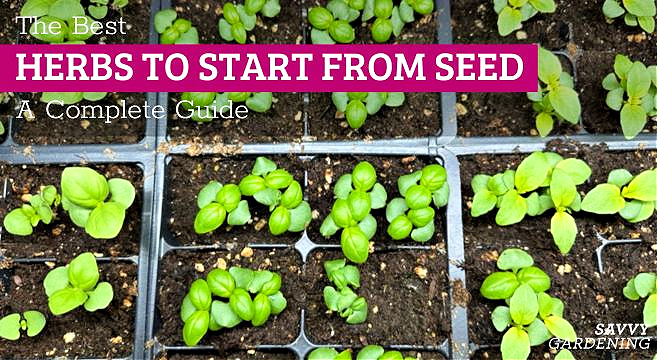
Basil is a staple in culinary markets and grows rapidly in warm conditions. It thrives in full sun and requires consistent moisture. Harvesting begins 6-8 weeks after planting, allowing for multiple cuts per season. Keep plants pinched to encourage bushy growth and prevent flowering, which alters the flavor profile.
Mint
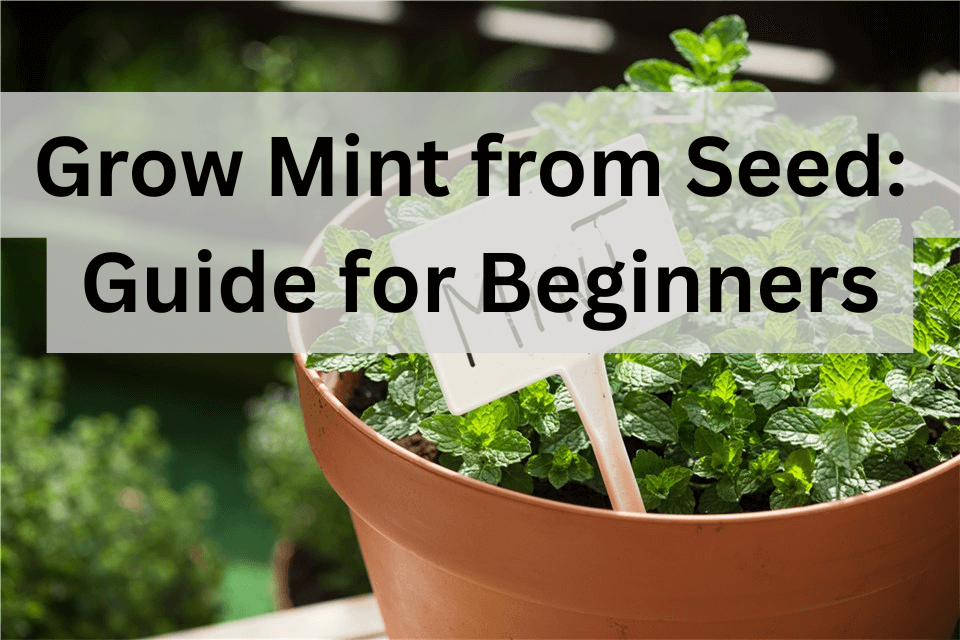
Mint is exceptionally hardy and grows vigorously, making it ideal for beginners. It prefers partial shade and moist soil. Because mint spreads aggressively via runners, always grow it in containers or raised beds to control its spread. It can be harvested year-round in mild climates or protected indoor setups.
Cilantro
Cilantro offers a fast harvest cycle, typically ready in 50-70 days. It prefers cooler temperatures and partial shade to prevent bolting. Succession planting every two weeks ensures a continuous supply for restaurants and farmers' markets. Once the plant bolts and flowers, the seeds (coriander) also have market value.
Parsley
Parsley is durable and has a long shelf life, reducing waste during distribution. It grows well in both flat-leaf and curly varieties. While slower to germinate, it establishes strong roots quickly. It tolerates partial shade and cooler weather, making it a reliable crop for early spring or late fall sales.
Process and package your harvest
Post-harvest handling determines whether your crop sells as premium product or compost. Herbs lose potency quickly once cut, so speed and temperature control are your primary tools. This section outlines the sequence for drying and packaging fresh herbs to meet retailer standards for shelf stability and visual appeal.
Cut herbs early in the morning after dew has dried but before midday heat degrades essential oils. Use clean, sharp shears to avoid bruising stems. Handle leaves gently to prevent cell damage that accelerates rotting during the drying phase.
Submerge bunches in cold water to remove soil and insects, then spin in a salad spinner. Any residual moisture invites mold during storage. Pat leaves dry with lint-free towels before proceeding to the drying stage.
Spread herbs in a single layer on mesh racks in a dark, well-ventilated space. Avoid direct sunlight, which bleaches color and volatilizes oils. Drying takes two to four days depending on humidity. Herbs are ready when leaves crumble easily between fingers.
Remove stems and store leaves in opaque, airtight glass jars or foil-lined bags. Light and oxygen degrade quality faster than time. Label each container with the harvest date and herb variety to maintain inventory rotation.
Transfer dried herbs into small, clear bags or tins for direct consumer sale. Include a label with the product name, net weight, and harvest date. For bulk sales to retailers, use larger, sealed bags with barcodes and compliance information.
Find buyers for your herbs
Your harvest is only as valuable as your distribution strategy. You need a clear path to move product from the field to the consumer. Start by identifying where your target customers already spend money, then align your sales channels to minimize friction and maximize margin.
Sell at local farmers markets
Farmers markets offer immediate cash flow and direct feedback. This is the best place to test pricing and discover which varieties your community prefers. Set up a clean, visible booth with clear signage. Bring more inventory than you think you’ll need, and accept multiple payment methods to capture every sale.
Supply local restaurants
Chefs often seek fresh, high-quality herbs for their menus. Approach local restaurants with a sample pack and a simple price list. Focus on relationships; consistent delivery and quality will keep chefs coming back. This channel provides steady, recurring revenue that stabilizes your business during off-seasons.
Launch direct-to-consumer online
An online store expands your reach beyond your immediate geographic area. Sell dried herbs, tea blends, or subscription boxes. Use social media to showcase your growing process and build trust. Ensure your shipping logistics are cost-effective, as packaging and postage can eat into margins if not managed carefully.
Check local regulations and taxes
Before processing your first batch of herbs, you must secure the legal framework for your operation. Selling agricultural products triggers specific food safety and business licensing requirements that vary by jurisdiction. Ignoring these rules can result in fines or forced closure before you generate revenue.
Start by reviewing your local cottage food laws. These regulations often allow small-scale producers to sell certain non-perishable items directly to consumers without commercial kitchen inspections. If you plan to sell fresh herbs or value-added products like infused oils, you may need a standard business license and a food handler’s permit.
Tax compliance is equally important. Register for a seller’s permit if your state requires sales tax collection on agricultural goods. You will also need to report income to the IRS. Keeping separate financial records from day one simplifies this process significantly.
Visit your state’s department of agriculture or health department website. Search for "cottage food law" or "home-based food business" to find the specific exemptions and restrictions applicable to your location.
File for a general business license with your city or county clerk. If your products require commercial preparation, apply for a food establishment permit from the local health department.
Obtain a seller’s permit from your state’s revenue agency. This allows you to collect sales tax from customers. You may also need an EIN from the IRS if you plan to hire employees or form an LLC.
Your herb business launch checklist
Before opening your shop, verify these final operational steps. This checklist ensures your growing operations, legal compliance, and sales channels are ready for market.
-
Register your business entity and obtain local permits
-
Set up a dedicated growing area with proper irrigation
-
Harvest and dry your first batch for quality testing
-
Create product labels compliant with state regulations
-
Launch a simple website or farmers market stall
Review your profit margins one last time. Ensure your pricing covers labor, packaging, and waste. Once these items are checked, you are ready to sell.
Common questions about starting an herb business
Starting an herb business requires balancing low-cost entry with strict regulatory compliance. Most home-based operations launch with $2,000 to $10,000 in startup capital, covering basic equipment, licensing, and initial marketing (Entrepreneur). This lean approach allows you to validate demand before scaling infrastructure.
Profitability depends on your business model. Direct-to-consumer sales via farmers' markets or online stores typically yield higher margins than wholesale, which involves lower per-unit prices but larger volume potential. Focus on high-value, niche herbs or value-added products like dried blends or infused oils to maximize revenue per square foot of growing space.
Regulatory requirements vary by jurisdiction. You must register your business, obtain necessary local permits, and adhere to food safety standards if selling consumable products. Understanding these rules early prevents costly shutdowns. Keep detailed records of cultivation practices and sales to ensure full compliance with state and federal guidelines.
No comments yet. Be the first to share your thoughts!