
Pick Your Profitable Herb Niche
Moving from hobby gardening to a commercial herb business starts with choosing a niche that balances market demand with your growing capabilities. Not all herbs generate the same revenue, and some require significantly more labor or specialized infrastructure than others. Your goal is to identify a category where you can consistently supply quality product to buyers willing to pay a premium.
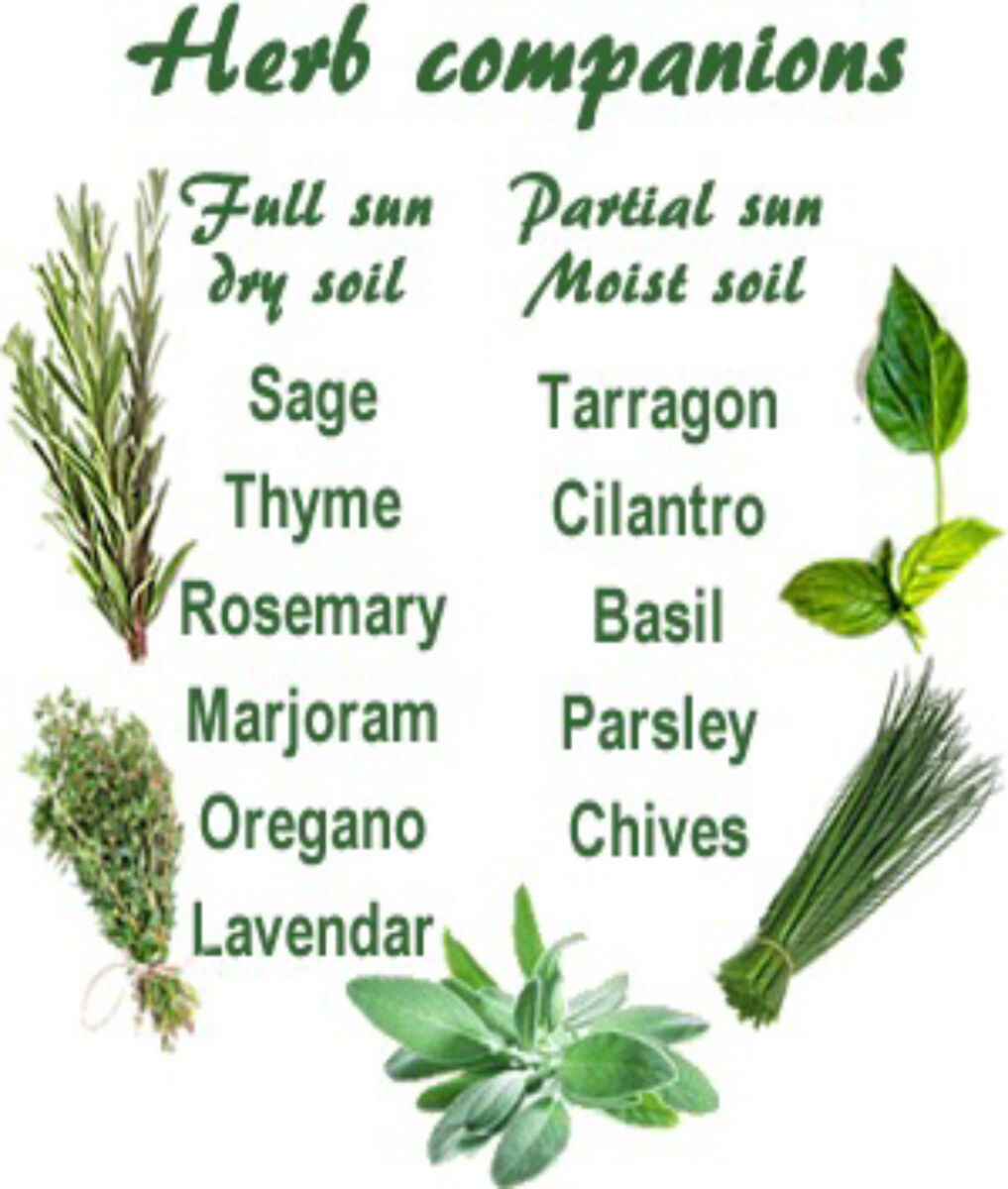
Culinary herbs like basil, cilantro, and parsley offer steady, high-volume demand from local restaurants and farmers markets. These crops have shorter growth cycles, allowing for quicker cash flow, but they are perishable and require careful handling. Medicinal and specialty herbs, such as lavender, echinacea, or lemon balm, often command higher prices per pound and have longer shelf lives, making them ideal for dried product lines or wholesale to apothecaries.
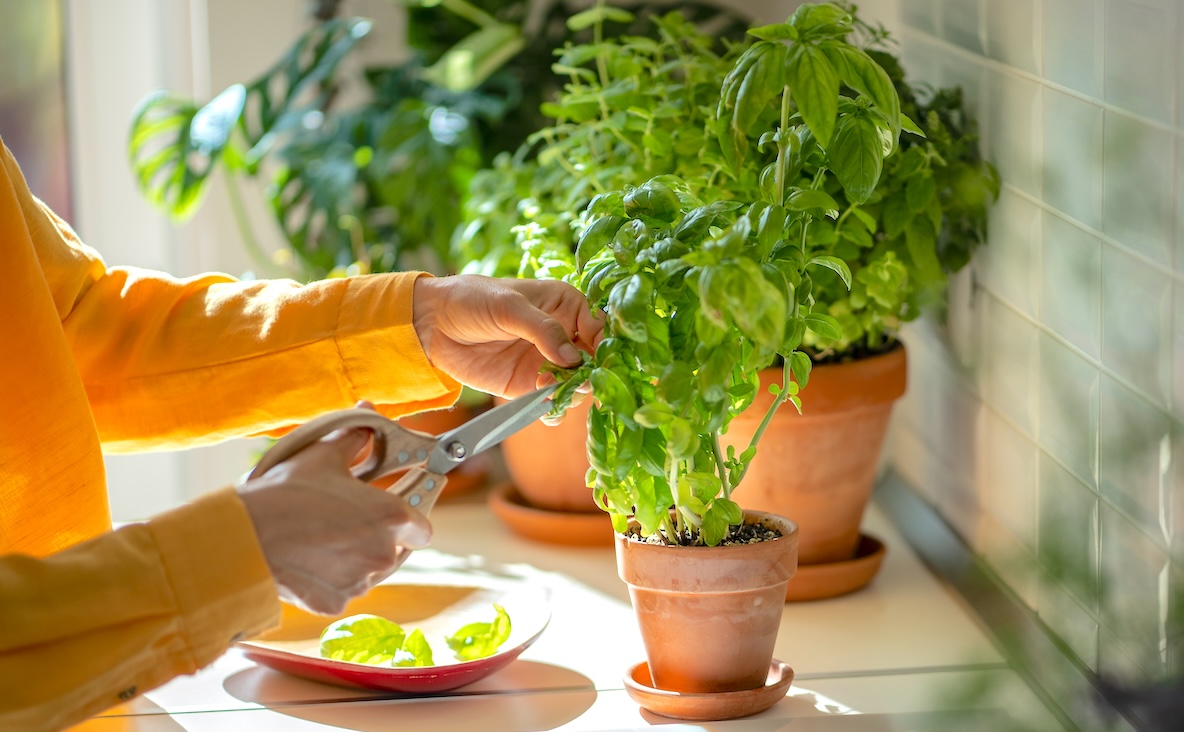
Evaluate your local climate and soil conditions before committing to a specific crop. Herbs that thrive in your region will require less energy for heating, cooling, or pest control, directly impacting your profit margins. Additionally, research local competitors to ensure you aren’t oversaturating a market that already has abundant supply. A quick scan of local farmers markets or online herbal suppliers can reveal gaps in availability that you can fill.
Consider starting with one or two high-value varieties to test your production and sales channels. This focused approach reduces risk and allows you to refine your growing techniques before expanding into a broader product line. As you gain experience, you can gradually introduce new herbs based on customer feedback and seasonal demand shifts.
Set Up Your Growing Infrastructure
Building the physical foundation for your herb business requires balancing upfront costs with long-term durability. Whether you are starting in a backyard or leasing a small plot, your infrastructure determines your yield consistency and labor efficiency. Startup costs for a home-based herb farm typically range from $2,000 to $10,000, depending on whether you invest in greenhouse structures or begin with simple outdoor beds [src-8].
Choose Your Growing Medium and Beds
The first step is selecting a growing system that matches your crop volume. For high-value culinary herbs like basil or cilantro, raised beds with high-quality potting mix offer better drainage and weed control than in-ground planting. This method reduces soil-borne diseases and makes harvesting easier. If you plan to scale up, consider modular raised beds that can be expanded as demand grows. Ensure your beds are at least 12 inches deep to accommodate root systems.
Install Efficient Irrigation
Water management is critical for herb quality. Overwatering leads to mold and diluted flavor, while underwatering stresses the plants. Drip irrigation systems are the most cost-effective solution for commercial herb growing. They deliver water directly to the roots, reducing waste and keeping foliage dry to prevent fungal issues. A basic drip kit can be installed for under $200 and saves hours of manual watering each week. Connect your system to a timer to maintain consistent moisture levels.
Add Shade and Protection
Most culinary herbs thrive in full sun, but extreme heat can cause bolting or wilting. Install shade cloth structures to protect your crops during peak summer months. A 30-50% shade cloth can reduce temperature stress without blocking too much light. For year-round production, a simple hoop house or polytunnel extends your growing season and protects against frost. These structures are significantly cheaper than full greenhouses and can be built with basic PVC or metal framing.
Prepare Post-Harvest Space
Your growing infrastructure isn't complete without a dedicated area for cleaning, drying, and packaging. This space should be clean, well-ventilated, and easy to sanitize. You need sturdy tables for sorting, racks for air-drying herbs, and storage containers for packaging materials. Keeping this area separate from your growing zone prevents cross-contamination and keeps your workflow organized. A simple shed or corner of a garage often suffices for early-stage businesses.
Clear the land of weeds and debris. Test your soil pH and amend it with compost if necessary. Mark out your bed locations and ensure you have access to water and sunlight.
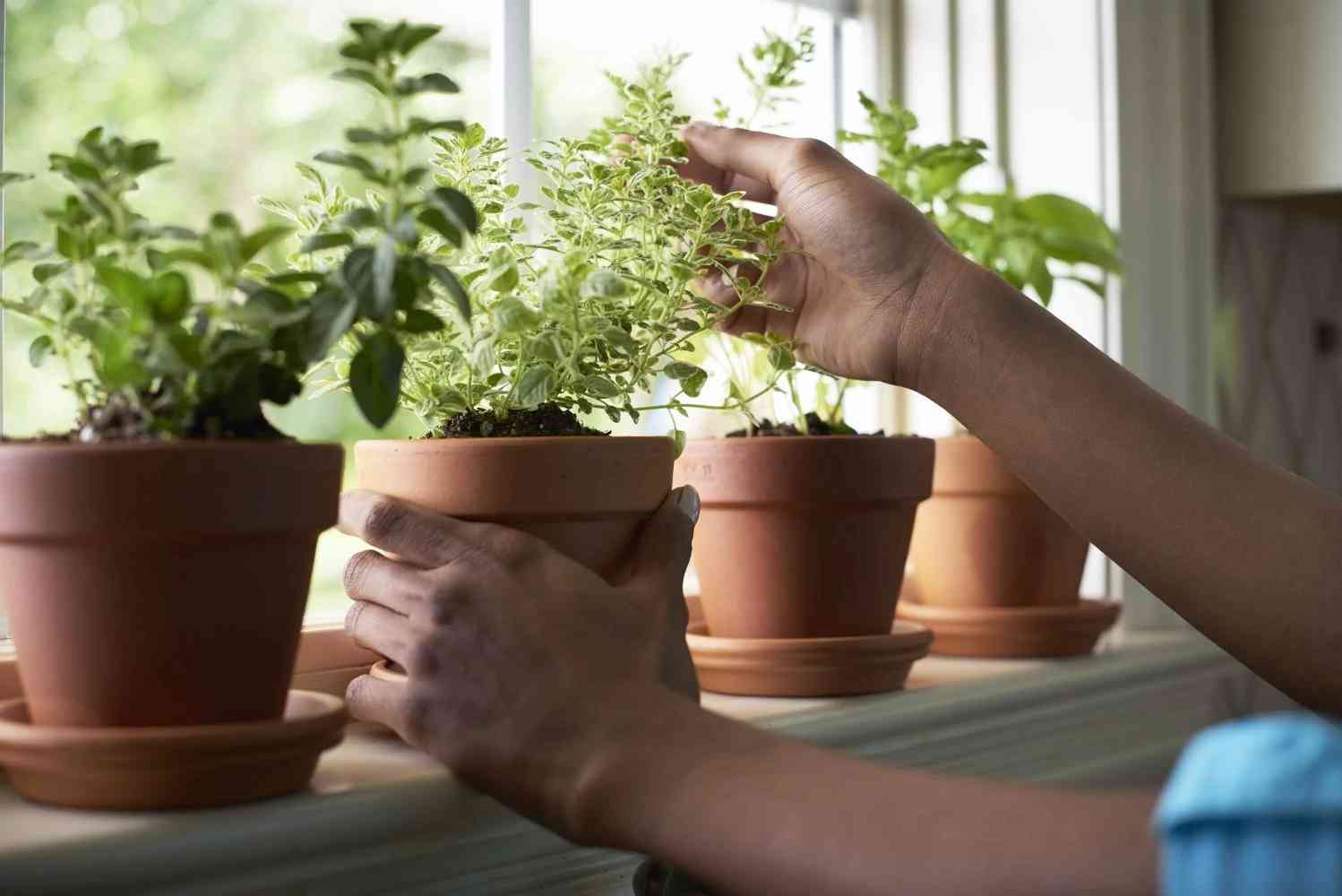
Construct your raised beds using untreated wood or metal. Fill them with a mix of topsoil, compost, and perlite for optimal drainage. Space beds 3-4 feet apart for easy access.
Install drip lines along each bed. Connect them to a timer and water source. Test the system for leaks and adjust emitter spacing based on plant density.
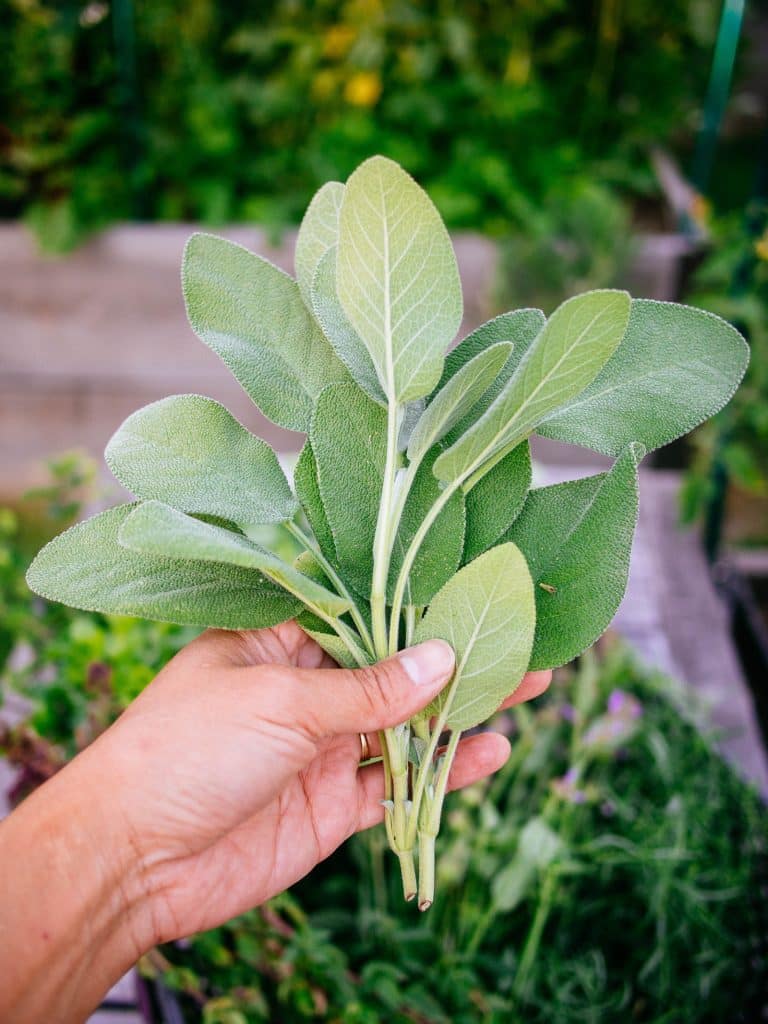
Erect hoop frames over your beds. Drape shade cloth over the frames, securing it tightly. Adjust the cloth density based on your local climate and herb requirements.
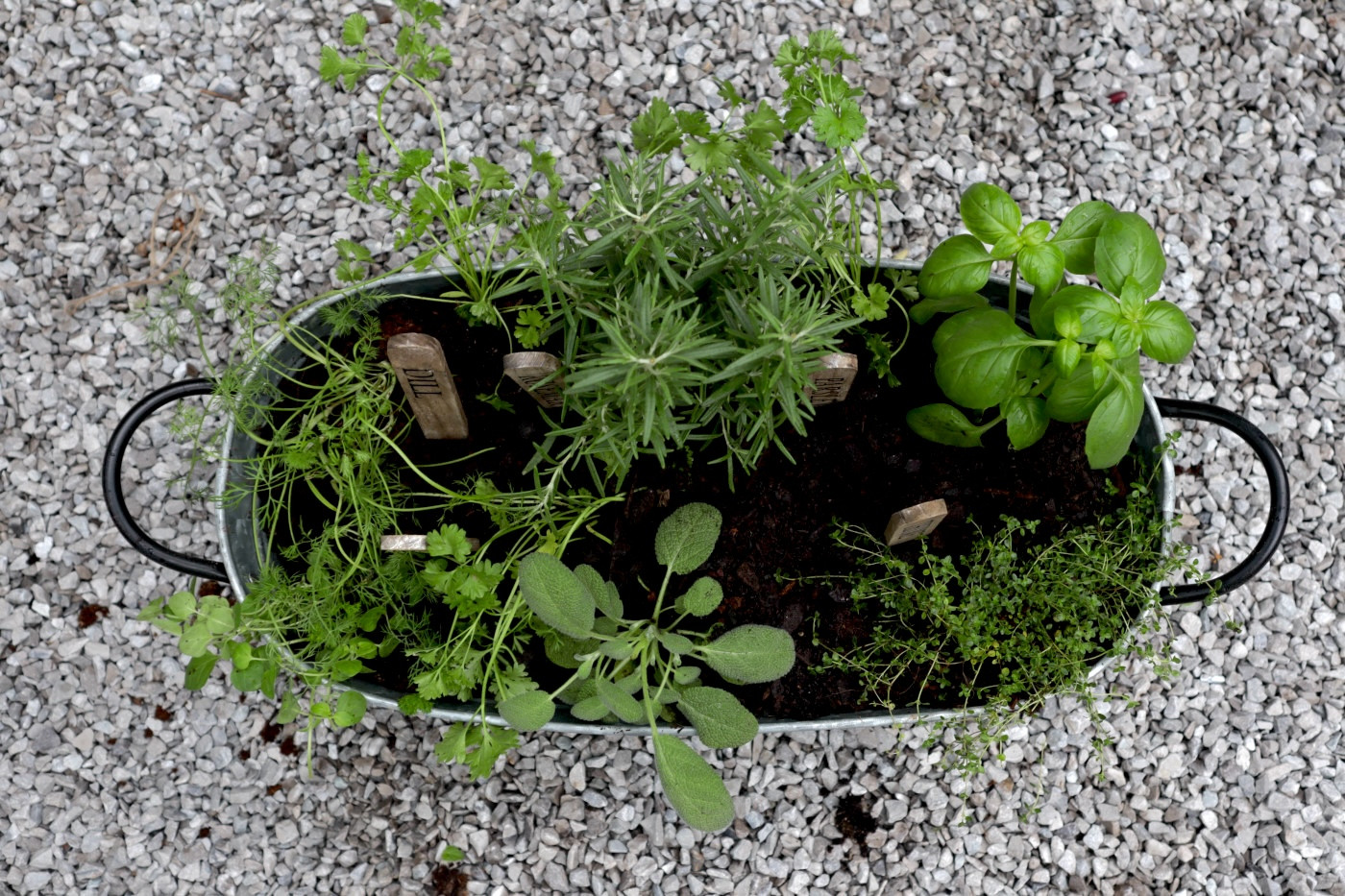
Designate a clean space for processing. Set up tables, drying racks, and storage shelves. Ensure the area has good airflow and is protected from pests.
Harvest and Dry Herbs Correctly
The quality of your final product is determined after the cut. Proper harvesting and drying are critical to preserving essential oils, color, and flavor, which directly impacts whether buyers will reorder. Rushing this phase leads to mold, faded color, and weak aroma, destroying the commercial value of your crop.
1. Time Your Harvest for Peak Oil Content
Harvest herbs in the morning after the dew has dried but before the midday sun volatilizes the essential oils. This timing ensures the highest concentration of active compounds. Cut stems just above a leaf node to encourage future growth if you plan to harvest again.
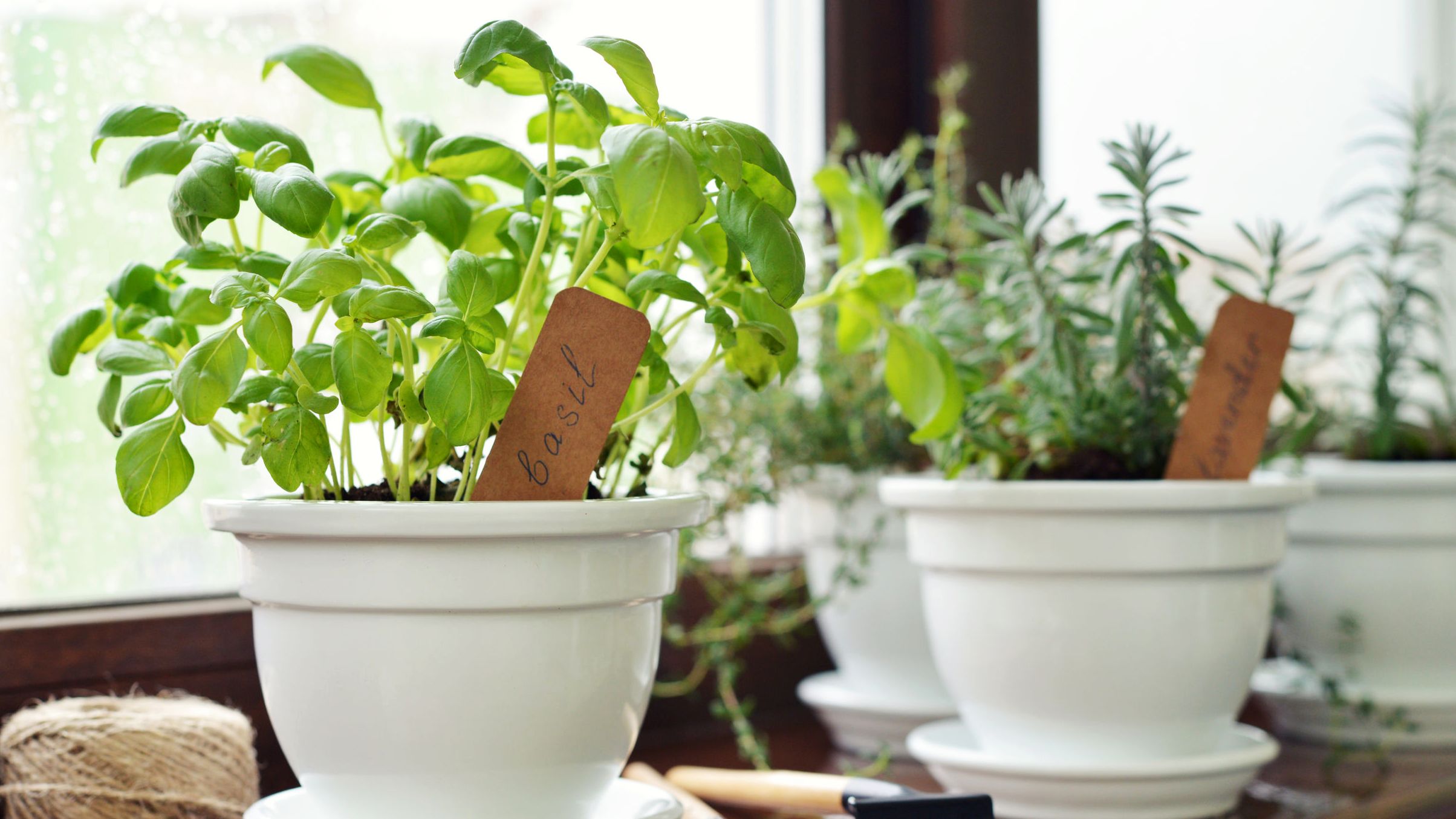
Use clean, sharp shears to cut stems. Avoid bruising the foliage. Gather herbs loosely in baskets to allow air circulation; tight bundles trap heat and moisture, which can start the rotting process before drying even begins.
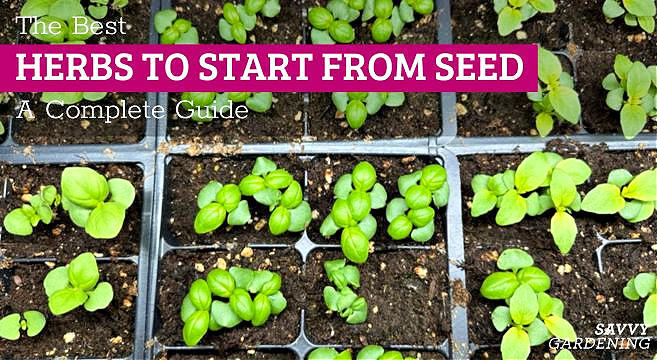
Inspect every stem. Remove any yellowed leaves, insect damage, or soil particles. Commercial buyers reject batches with visible debris. Separate tender leaves from woody stems if they require different drying times.
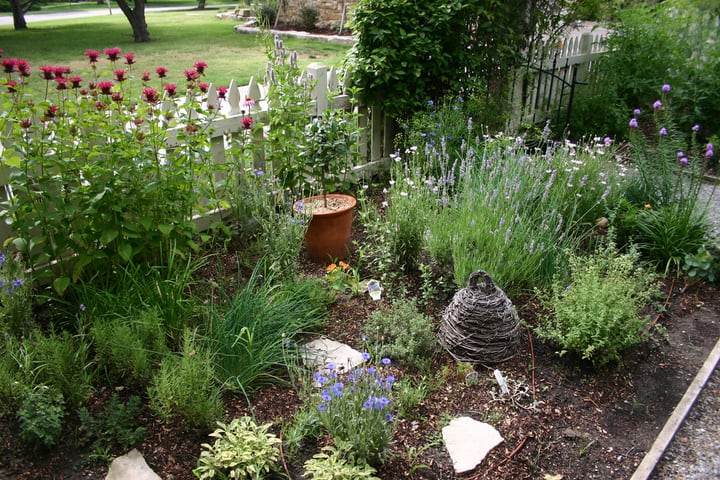
Air drying works well for robust herbs like rosemary and thyme. Lay stems in single layers on mesh screens in a dark, warm, well-ventilated area. Darkness prevents the UV light from bleaching the chlorophyll and degrading the oils. Delicate herbs like basil or cilantro may benefit from low-temperature dehydration to preserve color.
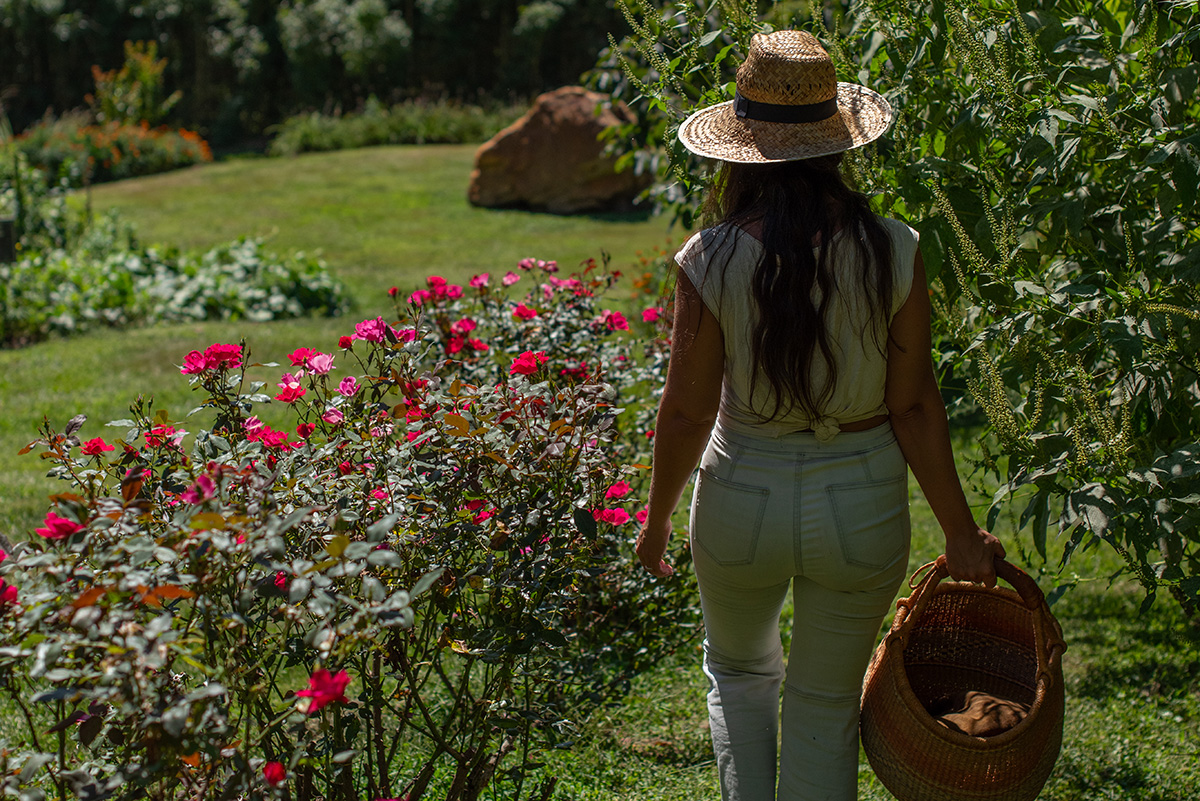
Herbs are fully dry when leaves crumble easily between your fingers. Stems should snap, not bend. If any flexibility remains, moisture is trapped, and mold risk is high. This step is non-negotiable for long-term storage.
Once cooled to room temperature, store herbs in airtight glass jars. Keep them in a cool, dark place. Label with the date and variety. Properly dried herbs retain potency for up to a year.
Avoid Common Drying Mistakes
Many new growers skip the darkening step, leaving herbs in direct sunlight to speed up the process. This destroys the vibrant green color and most of the flavor profile. Similarly, using a household oven on high heat can "cook" the herbs, leaving them brown and tasteless. Consistency and patience are the only shortcuts.
Navigate regulations and paperwork
Before you plant your first seed or list a single bundle, you need to sort out the legal side of running an herb business. This step often feels like a hurdle, but it’s actually the foundation that protects your brand and your bank account. Skipping this phase can lead to fines, forced closures, or liability issues that shut down operations before they start.
Start by checking your local zoning laws. Many residential areas have restrictions on commercial activity, including home-based processing or frequent customer visits. If you plan to sell at farmers markets, verify if your county requires a specific vendor permit or sales tax registration. These local rules vary wildly, so a quick call to your city clerk’s office can save you from future headaches.
Next, focus on food safety and labeling. If you are selling fresh herbs, you may fall under specific agricultural exemptions, but processed goods like dried blends or infused oils often require stricter adherence to state food handling regulations. Ensure your labels include all mandatory information, such as net weight, ingredient lists, and your business name and address. Keeping your business documentation organized from day one makes tax season and potential audits much less stressful.
Sell directly to local customers
Selling your herbs directly to consumers is the fastest way to build a profitable herb business. When you cut out the middleman, you keep the full margin on every bunch of basil, mint, or rosemary you sell. This approach also lets you build a loyal local customer base that values fresh, locally grown produce.
Start by setting up a stall at your nearest farmers market. This is a low-cost way to test demand and get face-to-face feedback. Bring samples, clear pricing, and simple packaging. A friendly hello goes a long way in turning a passerby into a repeat buyer.
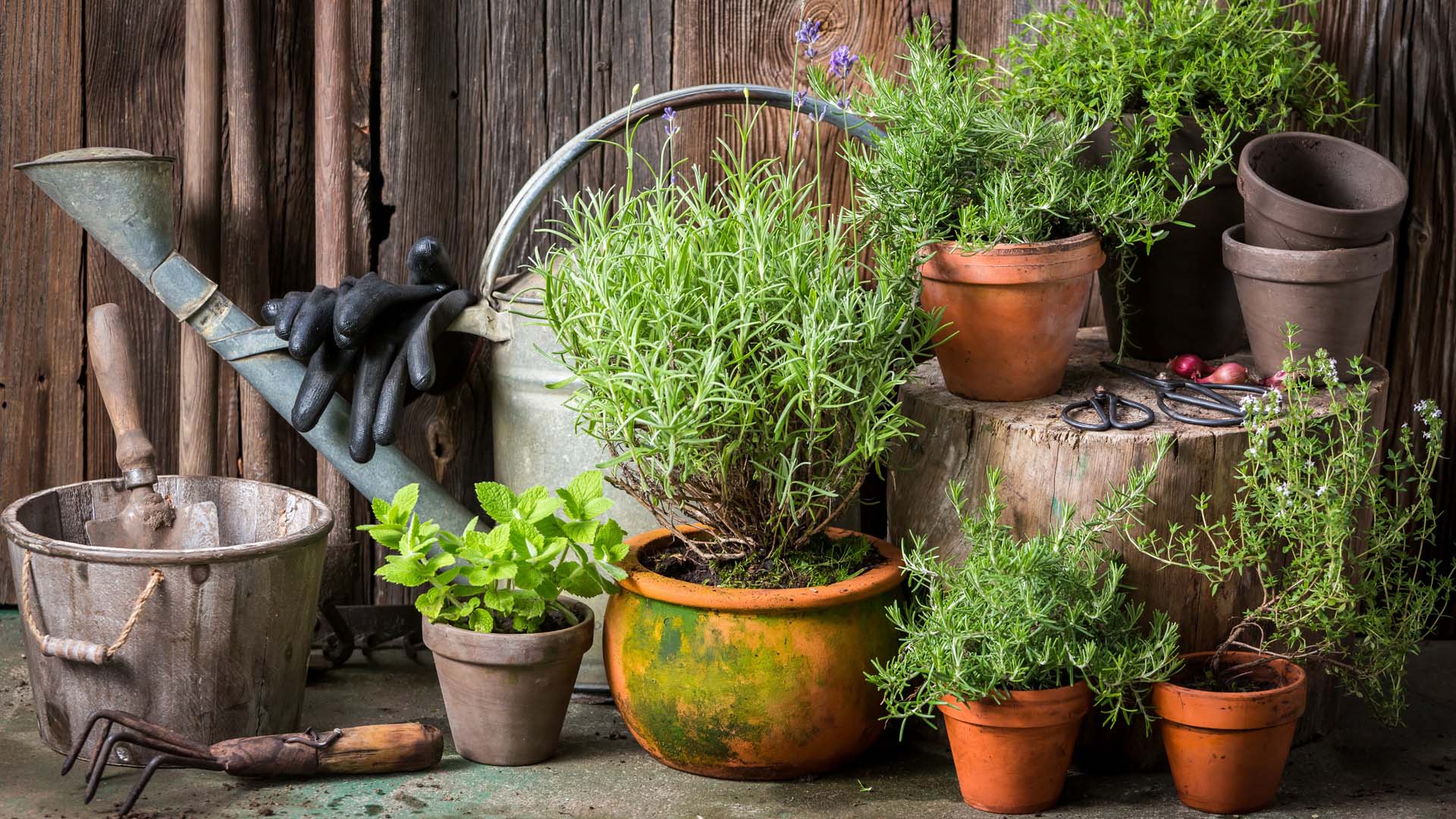
Once you have a steady rhythm at the market, expand to local restaurants and cafes. Chefs often pay a premium for herbs picked at peak freshness. Offer to drop off small bundles weekly. This B2B channel provides predictable income that complements your retail sales.
Herb business launch checklist
Before you list your first batch, run through this final sequence. This herb business launch checklist keeps your operations compliant and your supply chain ready.
-
Verify state and local business licenses
-
Complete product liability insurance
-
Finalize packaging and labeling standards
-
Set up inventory and sales tracking
-
Launch website or market stall display
No comments yet. Be the first to share your thoughts!