
Pick high-value crops first
Starting an herb business requires selecting varieties that offer the best margin and market demand before you invest in land or equipment. Not all herbs are created equal in terms of profitability. Some command premium prices due to high culinary demand, while others thrive in controlled environments with lower overhead.
Focus on herbs with strong year-round demand and high turnover rates. Basil, cilantro, and parsley are staples in restaurants and grocery stores, ensuring consistent sales. Meanwhile, specialty herbs like saffron or medicinal varieties like echinacea can offer higher per-unit profits but may require more specialized knowledge and longer growth cycles.
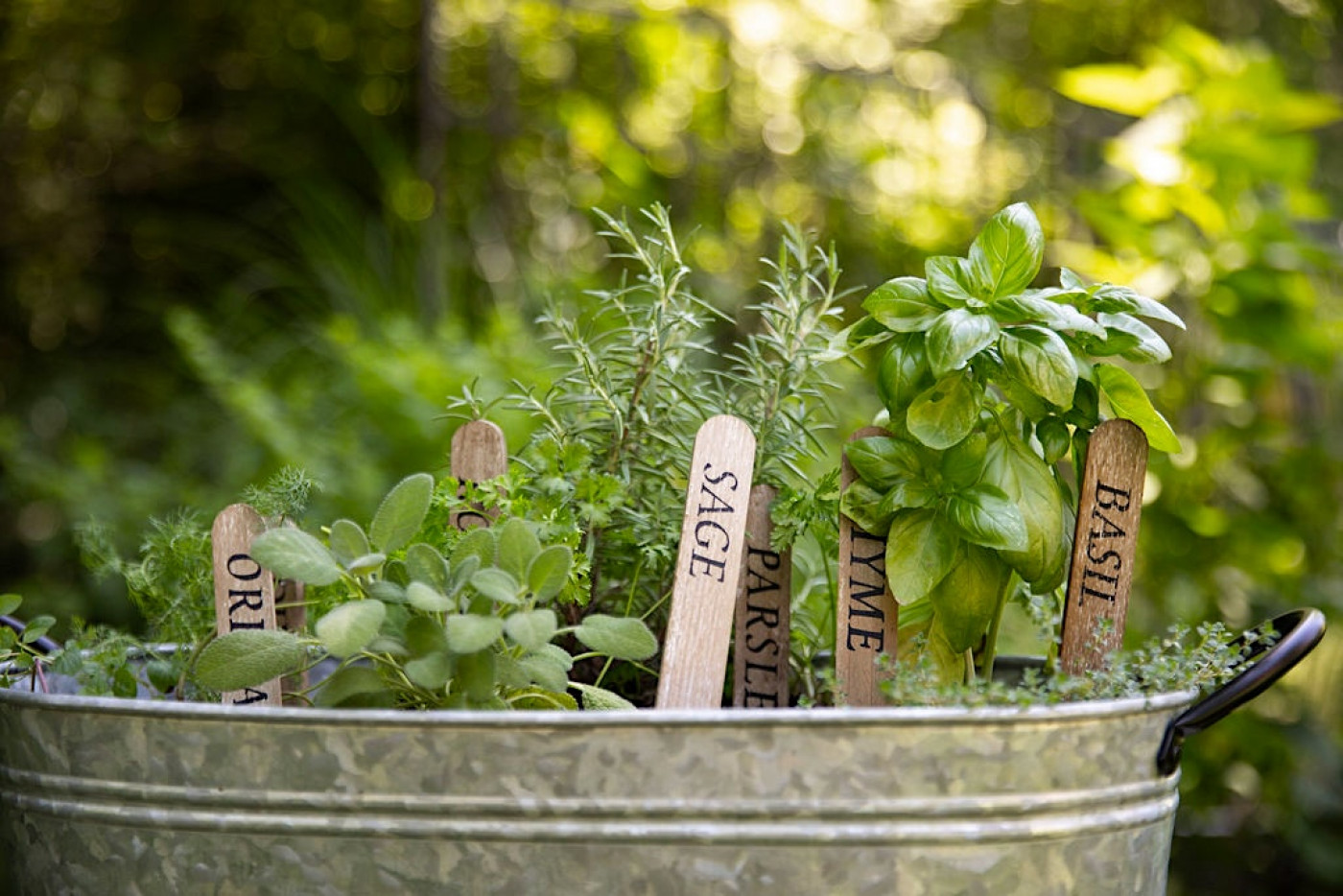
Consider the operational efficiency of each crop. Herbs that grow quickly and can be harvested multiple times per season, such as chives or mint, provide steady cash flow. In contrast, perennial herbs like rosemary or thyme require less frequent replanting but may have slower initial returns. Balancing fast-growing staples with high-margin specialties helps stabilize your revenue stream.
Research local market gaps. If your area has a high concentration of restaurants but few local herb suppliers, you might find a niche in delivering fresh, high-quality herbs directly to chefs. This direct-to-business model often yields better margins than selling to distributors or at farmers' markets.
Set up the growing infrastructure
Building a profitable herb business starts with infrastructure designed for efficiency, not just survival. Unlike hobby gardening, commercial production requires systems that minimize labor costs and maximize yield consistency. Your physical setup should prioritize workflow speed—how quickly you can water, harvest, and process—because time is your most expensive input.
Start by selecting a location with reliable access to water and electricity. Even small-scale operations need consistent irrigation to maintain quality. Consider raised beds or greenhouse structures if you are in a climate with short growing seasons or poor soil. These investments protect your crop from weather variability and allow you to control the growing environment, which directly impacts the premium quality buyers expect.
Next, invest in durable, easy-to-clean equipment. Stainless steel tables, sharp harvesting knives, and efficient drying racks are non-negotiable for maintaining hygiene and speed. A cluttered workspace slows you down and increases the risk of contamination. Plan your layout so that the flow from harvest to cleaning to drying is linear and logical, reducing the physical strain on your team and keeping your operations lean.

Clear the land and test your soil pH and nutrient levels. Amend the soil with compost or organic fertilizers based on the test results. Install raised beds or prepare ground beds with proper drainage to prevent root rot, which is a common cause of crop loss in herb production.
Set up a drip irrigation or soaker hose system. This method delivers water directly to the roots, conserving water and keeping foliage dry to prevent fungal diseases. Ensure you have a backflow preventer and a filtration system to keep your lines from clogging, which saves time on maintenance.

Construct or purchase mesh drying racks that allow for good air circulation. If you are growing indoors or in humid climates, consider electric dehydrators for consistent results. Proper drying is critical for preserving flavor and shelf life, so invest in equipment that removes moisture quickly without cooking the herbs.
Designate a clean, shaded area for washing, trimming, and bundling herbs. Use stainless steel tables for easy sanitation. Organize your tools—shears, knives, and ties—within arm's reach to create an efficient assembly line. This station should be close to your drying area to minimize the time between harvest and processing.
Set up a cool, dry, and dark storage area for your dried herbs. Use airtight containers to preserve potency and flavor. Keep your packaging materials—bags, labels, and boxes—organized nearby. A well-organized storage area prevents spoilage and makes it easy to fulfill orders quickly.
Harvest and process correctly
The profit margin on an herb business is often made or lost after the plants are pulled from the ground. Fresh herbs wilt within days; dried herbs can last for months if processed correctly. Your goal is to lock in the essential oils that drive flavor and fragrance, which directly determines whether a buyer returns for more.
Think of post-harvest handling like a relay race. The cut is just the handoff. If you drop the baton by washing the herbs in dirty water or letting them sit in a hot sun, the quality degrades before it ever reaches the customer. Speed and temperature control are your best tools for preserving value.
Wash and dry with precision
Most culinary herbs need a gentle rinse to remove soil and potential contaminants. Use cold water and a salad spinner or a clean, lint-free towel to dry them thoroughly. Moisture is the enemy of shelf life; even a few drops left on the leaves can lead to mold during storage or drying.
For delicate herbs like cilantro or parsley, lay the leaves flat on paper towels and pat them dry. For sturdy herbs like rosemary or thyme, a quick rinse and shake is usually sufficient. Never soak herbs for extended periods, as this leaches out flavor compounds.
Trim and sort for consistency
Once dry, trim the stems to a uniform length. Remove any yellowed, damaged, or discolored leaves. Buyers judge quality visually, so consistency in appearance builds trust. Sort your herbs by grade: premium for direct-to-consumer sales, and standard for wholesale or processing.
This step also allows you to remove any remaining debris or insect fragments. A quick visual inspection under bright light can catch issues that might otherwise result in customer complaints or returns.
Dry using the right method
The drying method depends on the herb. Delicate herbs like basil and mint are best dried quickly at low temperatures to preserve their bright green color and volatile oils. Sturdy herbs like oregano and thyme can handle slightly higher temperatures and longer drying times.
Use a dehydrator set to 95°F (35°C) for the most consistent results. Air drying in bundles works for sturdy herbs but is less predictable. Avoid direct sunlight, which fades color and degrades flavor. Herbs are dry when they crumble easily between your fingers.
Store in airtight containers
Store dried herbs in airtight glass jars or vacuum-sealed bags. Keep them in a cool, dark place to protect them from light and heat, which are the primary causes of flavor loss. Label each container with the herb name and the date of harvest.
Properly stored, most herbs retain their best flavor for 6 to 12 months. For long-term storage, consider freezing dried herbs in small portions. Fresh herbs can also be frozen whole or chopped in ice cube trays with water or oil.
Package for sale
Your packaging is the final touchpoint before the customer buys. Use clear, food-grade containers that allow the buyer to see the product. Include a label with the herb name, harvest date, and storage instructions. For dried herbs, include a "best by" date to build confidence in freshness.
Consider adding a small recipe card or usage suggestion to add value. This small touch can differentiate your product in a crowded market and encourage repeat purchases. Proper packaging also protects the herbs during shipping, reducing the risk of damage and returns.
Handle legal requirements and sales
Before you harvest your first batch, you need to clear the regulatory hurdles and establish a revenue stream. This phase separates the hobbyist from the operator. We will walk through the specific compliance checks required to sell your product legally and outline the most efficient channels to validate your market.
Regulatory Compliance
The regulatory landscape for herbs is a mix of federal oversight and state-specific rules. If you are selling fresh culinary herbs, you are generally subject to the FDA’s Food Safety Modernization Act (FSMA). While small farms may qualify for exemptions, you still need to maintain basic hygiene and traceability records.
For dried herbs, essential oils, or herbal remedies, the rules tighten. You cannot make medical claims about your products. Selling them as "culinary spices" or "aromatherapy supplies" keeps you out of the FDA’s drug classification, which requires expensive clinical trials. Always label your products clearly to avoid misbranding issues.
Form an LLC or sole proprietorship in your state. This separates your personal assets from your business liabilities. Open a dedicated business bank account to track expenses and income cleanly. This step is non-negotiable for tax purposes and investor readiness.
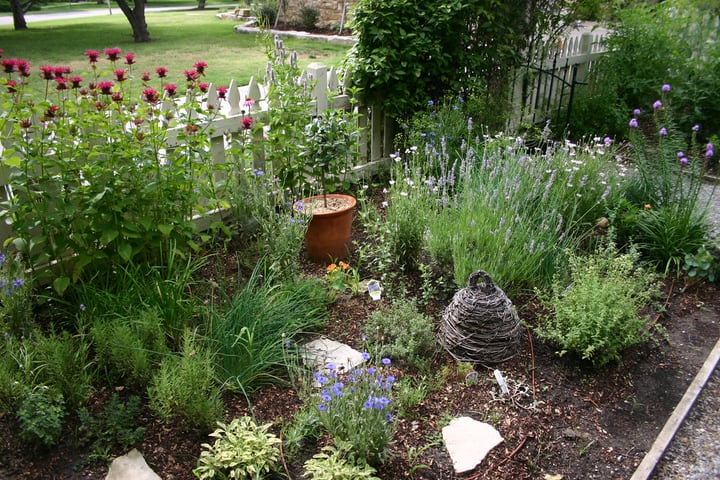
Apply for a general business license and a seller’s permit to collect sales tax. If you are processing herbs (drying, grinding, packaging), you may need a food processing facility permit. Check with your state’s Department of Agriculture for specific exemptions for small-scale producers.
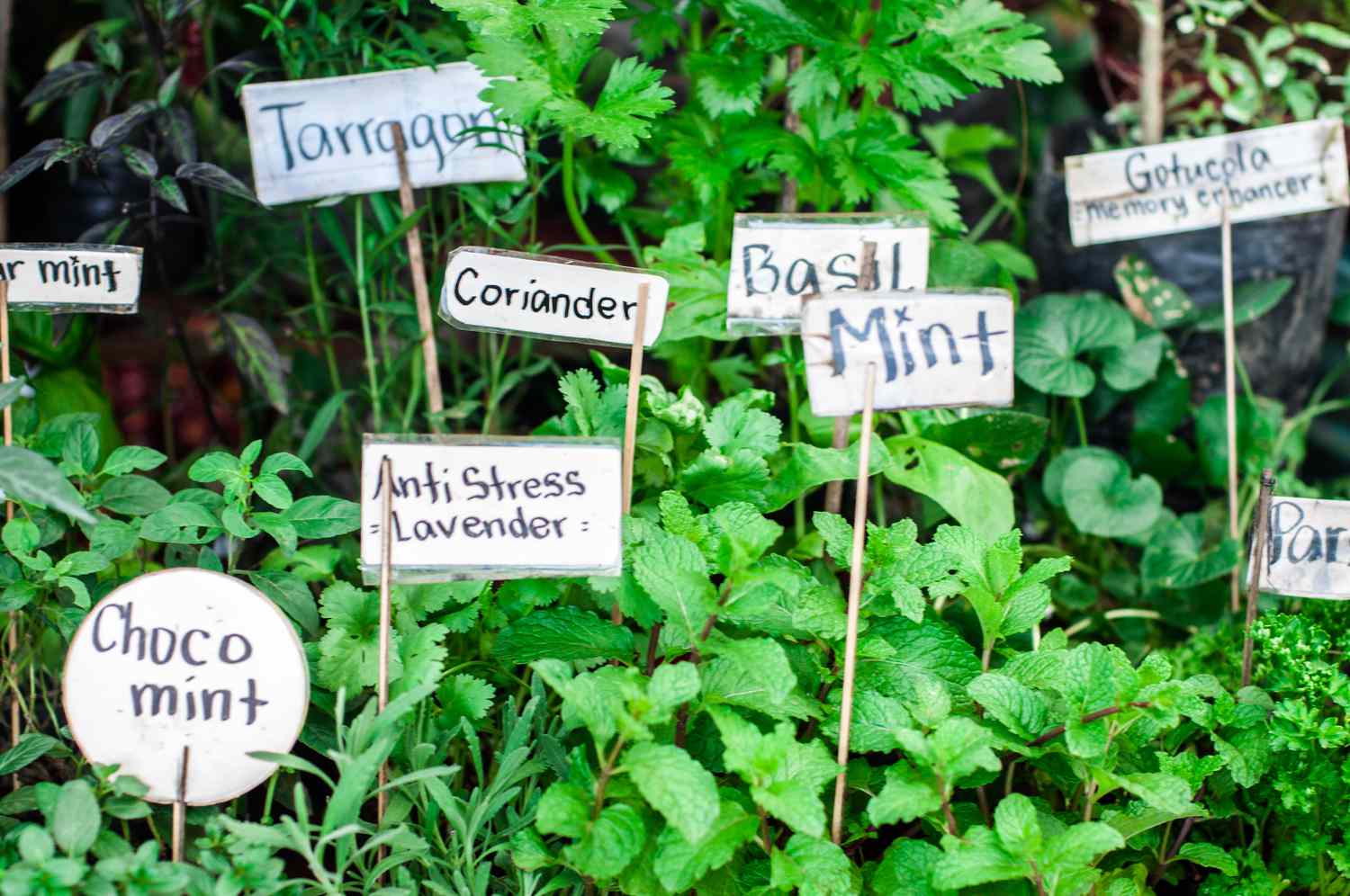
Standard homeowner’s insurance rarely covers business activities. Product liability insurance protects you if a customer claims illness or allergic reaction from your herbs. This is a critical cost of doing business that builds trust with retailers and market organizers.
Initial Sales Channels
Once you are legal, you need to sell. The fastest way to validate your business model is through direct-to-consumer channels. These offer the highest profit margins because you cut out the middleman.

Local farmers markets provide immediate feedback and cash flow. You can test different varieties and pricing without committing to large-scale production. Build relationships with customers who often become repeat buyers for online orders later.

Set up a Shopify or WooCommerce site to sell dried herbs, teas, or seedlings. Focus on high-margin, shelf-stable products first. Use social media to drive traffic, but ensure your website has clear shipping policies and product descriptions to reduce support queries.
Once you have consistent quality, pitch local coffee shops, restaurants, and health food stores. Offer them a wholesale price that still leaves you with a healthy margin. Consistency in supply and packaging is more important than volume at this stage.
The key to success here is efficiency. Automate your bookkeeping early, standardize your packaging, and focus on the products with the best margin-to-effort ratio. Once you have a reliable legal framework and a few steady sales channels, you can scale with confidence.
Common mistakes to avoid
New herb entrepreneurs often focus entirely on agronomy while neglecting the financial mechanics of the business. Growing high-quality basil or lavender is only half the equation; understanding cash flow, pricing structures, and operational efficiency determines whether you profit or bleed money.
1. Underestimating post-harvest processing
The highest margin in herb production rarely comes from the raw leaf. It comes from drying, grinding, bundling, and packaging. Entrepreneurs who sell only fresh bunches at farmers markets cap their revenue. Those who invest in dehydrators, vacuum sealers, and clean labeling can extend shelf life and sell dried herbs at a 300–400% markup. Treat processing as a manufacturing step, not an afterthought.
2. Ignoring waste and shrinkage
Herbs are perishable. A 20% loss rate from wilting, mold, or unsold inventory can erase your entire month’s profit. Implement strict inventory rotation (FIFO) and track shrinkage daily. If you are selling wholesale to restaurants, agree on minimum order quantities that cover your delivery costs. Do not accept last-minute small orders that disrupt your harvesting schedule.
3. Overexpanding too quickly
Scaling from a quarter-acre to five acres requires completely different infrastructure: larger irrigation, commercial drying racks, and possibly a commercial kitchen permit. Many new owners buy expensive equipment before validating their sales channels. Start small. Validate your buyer base with a manageable plot size before investing in capital-intensive expansion.
Track every pound of herbs that spoils or fails quality control for two weeks. Calculate the dollar value of this loss and adjust your planting volume or storage methods to reduce shrinkage below 10%.
Include seeds, soil, water, labor, packaging, and marketing in your cost basis. If your fresh basil costs $2.50 to produce and sell for $3.00, you are losing money once you factor in overhead. Price for profit, not just coverage.
Secure letters of intent or pre-orders from buyers before planting additional acreage. Use this confirmed demand to justify equipment purchases, ensuring every dollar spent directly supports revenue-generating activity.
Your launch checklist
Before you list your first batch, verify that your operations are tight and your margins are protected. A successful launch relies on three pillars: legal compliance, product readiness, and sales infrastructure.
Legal and regulatory readiness
Confirm you have the necessary business licenses and local permits. If you are selling for consumption, ensure your processing facility meets health department standards. Verify insurance coverage for product liability.
Product and inventory verification
Test your packaging for freshness and shelf-life stability. Ensure your labeling includes all required ingredients and allergen warnings. Confirm your initial inventory meets minimum order quantities for your chosen sales channels.
Sales channel setup
Activate your e-commerce store or market stall permits. Connect your payment processor and verify transaction fees. Test the checkout flow on mobile devices to ensure a smooth customer experience.
No comments yet. Be the first to share your thoughts!