
Pick high-demand herb varieties
Choosing the right crops is the first step toward building a profitable farm. Focus on plants that customers actually buy, not just ones that grow well in your soil. The most successful small-scale farmers target two distinct markets: culinary herbs for local restaurants and high-value medicinal herbs for health-focused buyers.
Culinary staples for restaurants
Restaurants are your most reliable customers for volume. Chefs need fresh basil, parsley, and cilantro every week, often paying a premium for quality over price. These herbs grow quickly and can be harvested multiple times. Success comes from succession planting—sowing new seeds every few weeks so you never run out of fresh stock. Rosemary, thyme, and oregano are also excellent choices because they are perennial. You plant them once and harvest for years, reducing your annual labor costs.
Medicinal and niche markets
If you want higher margins per pound, look toward medicinal herbs. Plants like lavender, echinacea, and ashwagandha command significantly higher prices than culinary varieties. These crops appeal to the growing natural health market, including local apothecaries and online retailers. While the initial investment in seeds and processing may be higher, the profit potential is substantial. Turmeric and ginger are also strong contenders, as they remain consistently high-demand commodities globally.
Compare your options
Not all herbs are created equal. Some grow fast but sell for little, while others take longer to mature but pay off handsomely. Use this comparison to decide which category fits your farm's resources and timeline.
| Herb Type | Yield Pattern | Time to Harvest | Market Price |
|---|---|---|---|
| Culinary | High volume, frequent harvest | Fast (weeks) | Lower per pound |
| Medicinal | Lower volume, bulk harvest | Slower (months) | Higher per pound |
Set up essential growing infrastructure
Building a profitable herb farm starts with the right physical foundation. You need systems that deliver consistent water, light, and air flow without draining your budget or time. Think of your infrastructure as the skeleton of your business: it must be sturdy enough to support high-yield crops but flexible enough to adapt when market demands shift.
Start by grouping herbs with similar needs. Mediterranean varieties like rosemary, oregano, and thyme thrive in dry, sunny conditions, while basil, parsley, and salad greens require more moisture and shade. Separating these groups early prevents water waste and disease spread, keeping your operational costs low and your harvest quality high.
Drip irrigation is the backbone of efficient herb farming. It delivers water directly to the roots, reducing evaporation and minimizing weed growth. For commercial viability, install a timer-controlled system with pressure regulators to ensure every plant gets the same amount of water. This consistency is what keeps your herbs fresh and market-ready, preventing the stress that leads to bitter flavors or uneven growth.
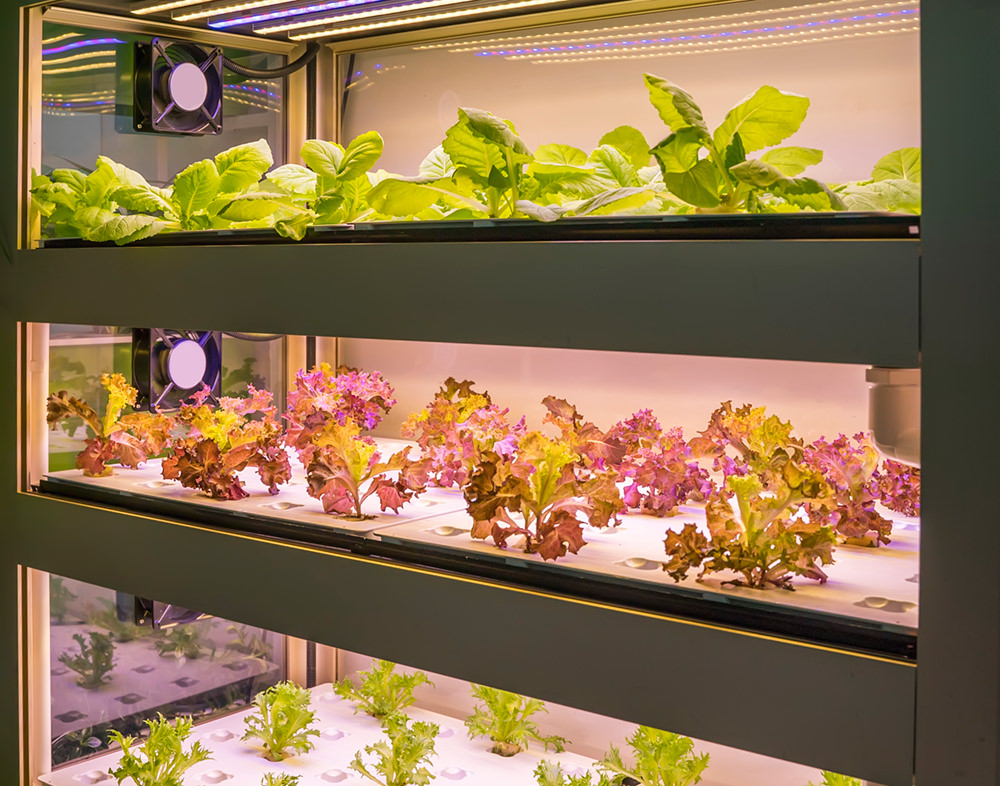
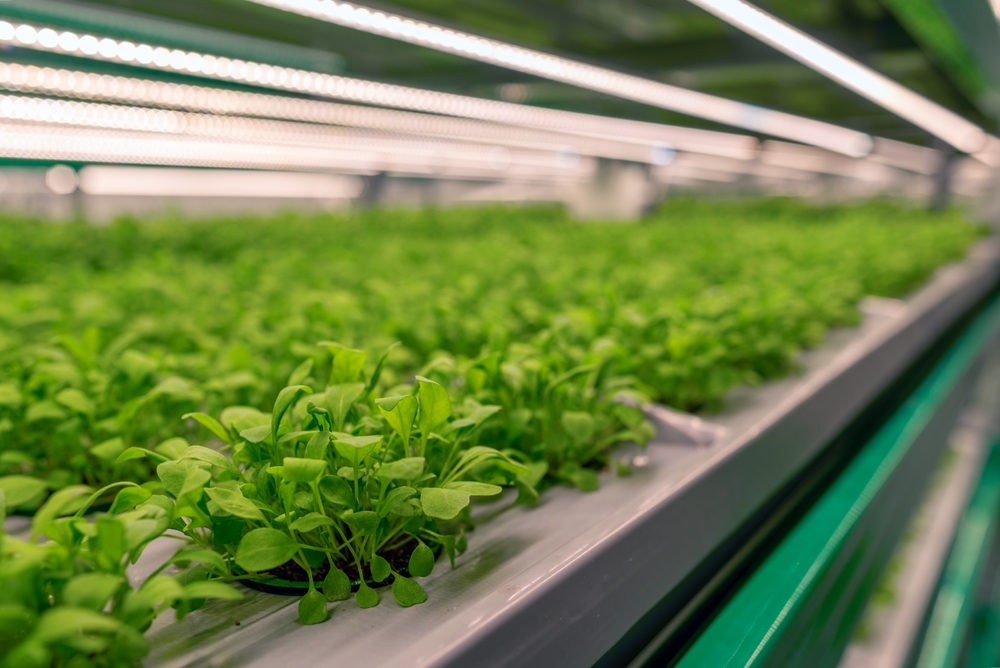
Light is your most controllable resource. If you are growing indoors or in a greenhouse, full-spectrum LED lights offer the best balance of energy efficiency and plant health. They run cooler than traditional bulbs, reducing cooling costs, and can be adjusted to mimic natural sunlight cycles. For outdoor growers, a simple hoop house extends your season, allowing you to sell fresh herbs when competitors are out of stock, significantly boosting your profit margins.
Processing is where you capture the full value of your crop. A dedicated drying rack or small dehydrator allows you to preserve herbs like lavender, mint, and basil for year-round sales. Keep this area clean, dry, and well-ventilated to prevent mold. Having a designated space for washing, bundling, and packaging ensures that your product looks professional and meets the standards of local chefs and farmers' market customers.
Once your infrastructure is in place, focus on maintenance. Regularly check drip lines for clogs and clean greenhouse vents to prevent humidity buildup. These small tasks prevent costly losses and keep your operation running smoothly.
Master succession planting schedules
Gaps in your inventory are where profits leak. If your basil harvest finishes before the next batch is ready, you lose sales to competitors who kept the shelves full. Succession planting solves this by staggering your sowings so you always have something ready to harvest.
By planting small batches every two to three weeks, you ensure a steady stream of fresh herbs rather than one massive, overwhelming harvest followed by a dry spell. Start by grouping herbs with similar growth rates. Fast growers like cilantro and basil can be planted more frequently than slow growers like rosemary or thyme. Use a simple calendar or a planting journal to track when each batch went in the ground. This visual timeline helps you spot upcoming gaps before they happen, allowing you to adjust your sowing dates proactively.
Sort your profitable herbs into fast, medium, and slow categories. Fast growers like basil and cilantro need weekly sowing to maintain supply. Slow growers like rosemary and oregano can be planted monthly. This grouping simplifies your scheduling logic.
Map out your planting dates for the next three months. If basil takes six weeks to harvest, plant a new tray every week. This ensures that as one batch is cut, another is maturing and ready to take its place in the market.
Check your growth progress every seven days. If a batch is ahead of schedule, delay the next planting slightly. If it is lagging, plant an extra tray. Flexibility in your schedule keeps your supply consistent despite weather or pest fluctuations.
This approach turns your farm into a reliable supplier. Restaurants and markets prefer vendors who can deliver consistently, week after week. By mastering succession planting, you build trust with buyers and stabilize your income stream.
Harvest, wash, and bundle for freshness
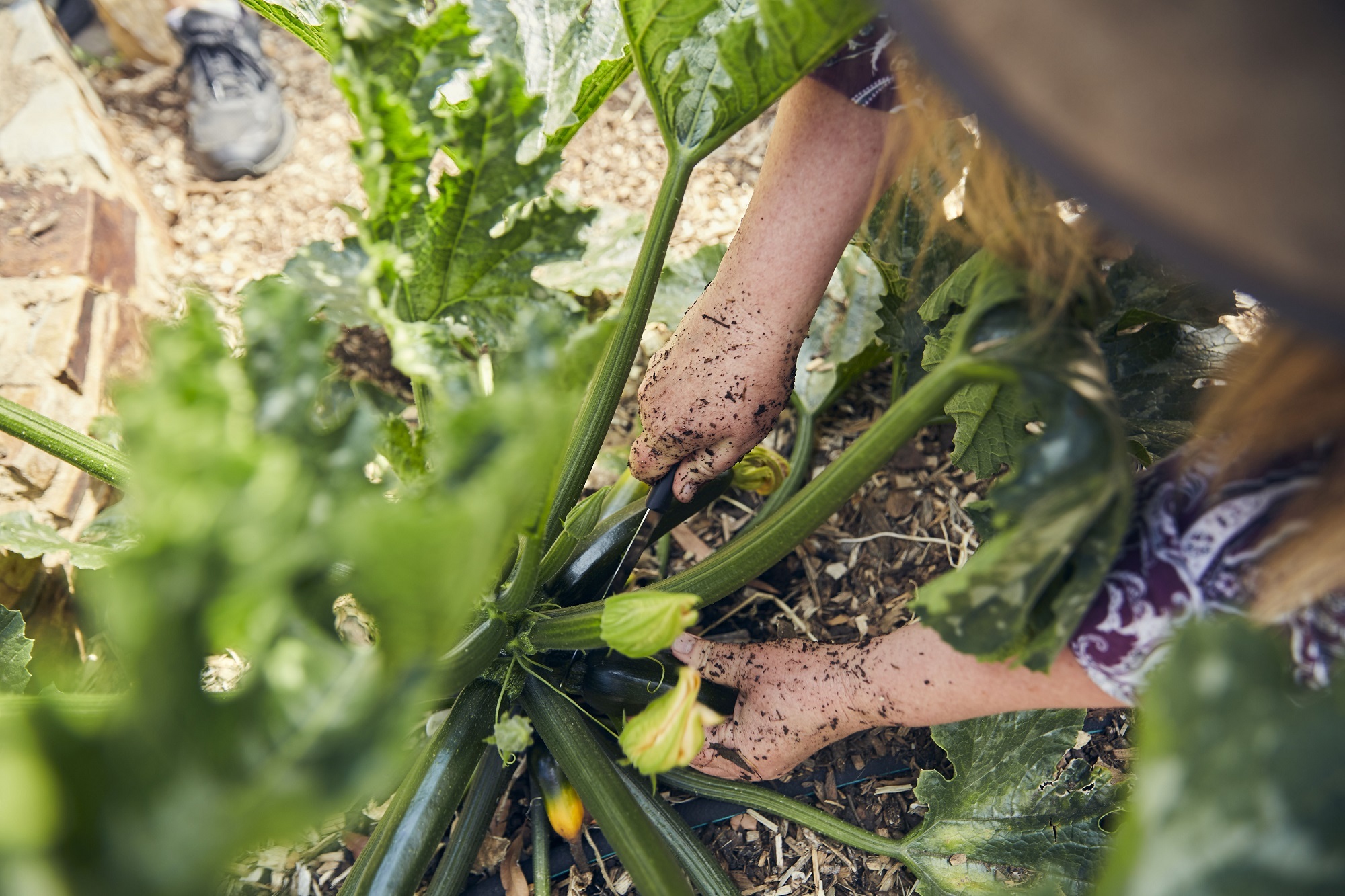
The moment you cut the stem, your profitable herbs to grow begin a countdown. Chefs and retailers pay for crisp texture and vibrant color, which means how you handle the crop after the scissor snip matters just as much as how you grew it. A quick, gentle post-harvest routine locks in that premium quality and justifies the higher price tag on your invoice.
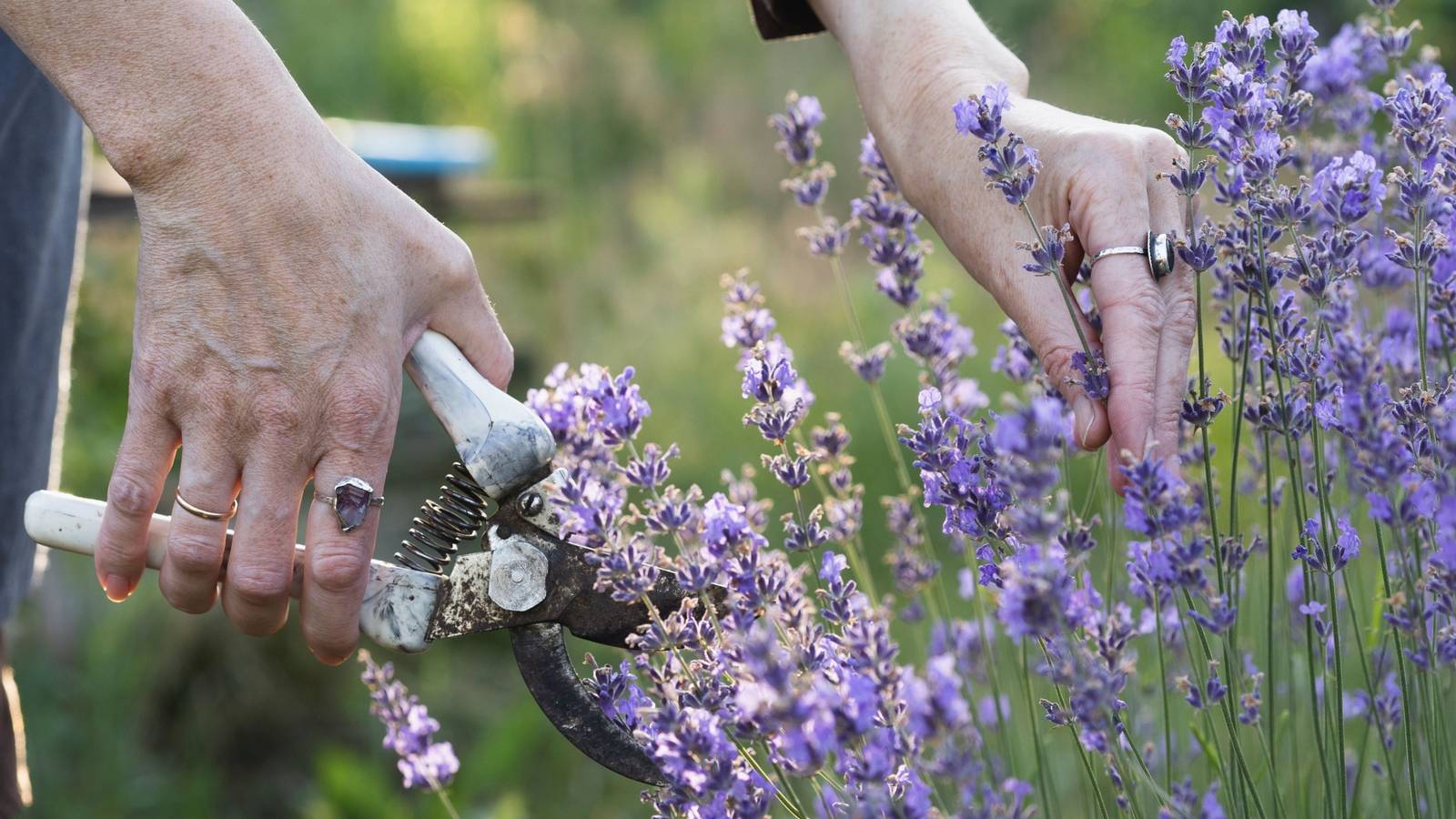
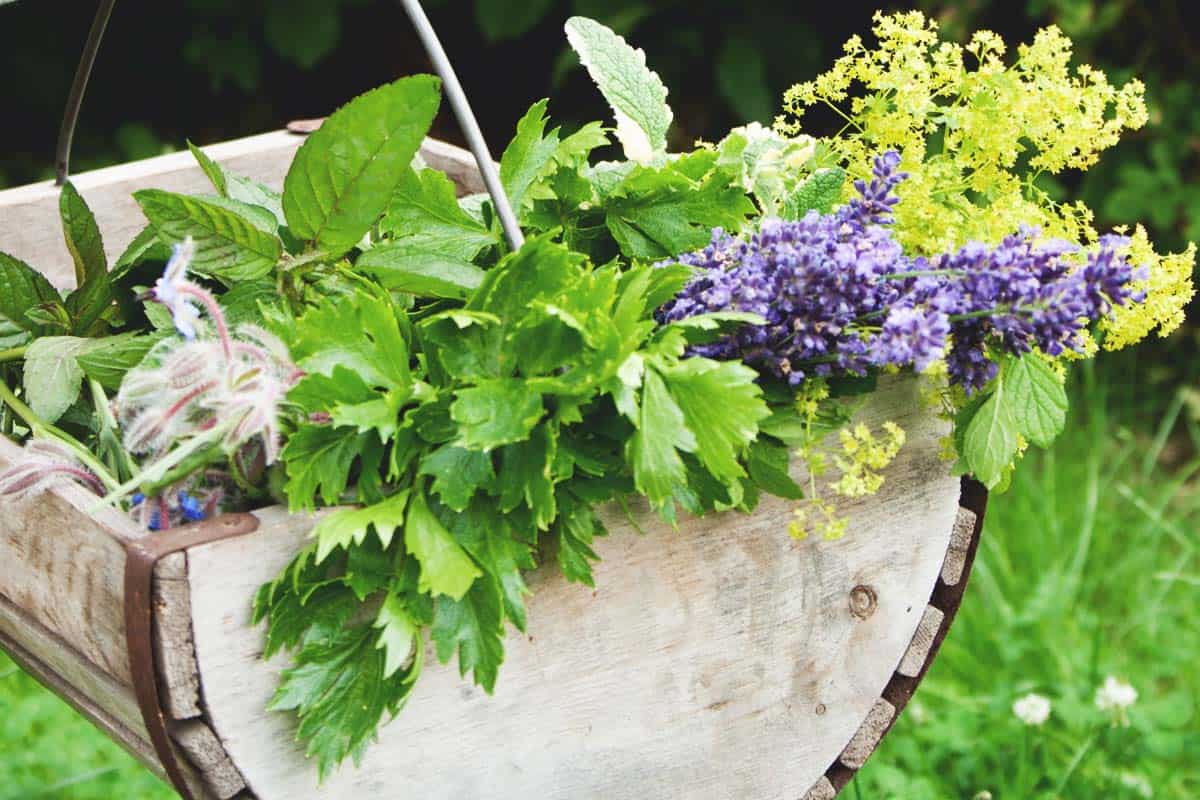
Cut your herbs early in the morning when the essential oils are most concentrated and the plant is fully hydrated. Avoid harvesting during the heat of the day, which causes wilting and reduces shelf life. Use clean, sharp shears to make clean cuts that heal quickly.
Submerge the bunches in cold water to remove soil and debris. A salad spinner is your best friend here; it removes surface moisture without bruising delicate leaves. Wet herbs spoil quickly, so thorough drying is the most critical step for maintaining freshness.
Group herbs into uniform bunches, typically 4 to 6 ounces, and secure them with rubber bands or biodegradable ties. This standardization makes it easy for chefs to count inventory and for retailers to price items consistently. Uniformity signals professionalism and care.
Keep your finished bundles in a cold room at 34–38°F (1–3°C) with high humidity. This slows down respiration and keeps the herbs looking like they just came out of the ground. Proper cold storage can extend shelf life by several days, giving you more time to sell.
By treating post-harvest handling as a precision task rather than an afterthought, you transform a commodity crop into a premium product. This attention to detail is what keeps chefs coming back to your farm for their weekly supply.
Find buyers and sell direct
Wholesale distributors offer steady volume, but the margins are thin. To maximize profit from your commercial herb crops, you need to sell closer to the end user. Direct channels like farmers markets, CSA boxes, and local restaurants let you keep more of the dollar while building a loyal customer base.
Sell to restaurants
Chefs value consistency and freshness above all else. They often buy popular culinary herbs like basil, dill, and parsley by the pound. Because these herbs spoil quickly, chefs prefer local sources that can deliver daily. Succession planting is essential here; you must provide a constant supply to keep your accounts active.
Approach local chefs with a simple price list and samples. Show them you understand their workflow. If you can deliver crisp, clean herbs before the lunch rush, you become an indispensable partner rather than just another vendor.
Farmers markets and CSAs
Farmers markets allow you to test which varieties sell best without long-term contracts. It is also a place to educate customers on how to use less common herbs. For CSAs (Community Supported Agriculture), bundle herbs with vegetable shares. This adds value to the box and ensures steady income upfront.
-
Confirm order details with buyer
-
Check packaging for freshness and cleanliness
-
Verify delivery time and route
Wholesale as a backup
Use wholesale distributors only when you have excess inventory that cannot be sold directly. This keeps your direct sales channels focused on high-margin relationships. Don't let low-margin bulk sales dictate your planting schedule. Prioritize the crops that your direct buyers demand most.
Common herb farming mistakes
Even experienced growers lose profit margins to preventable errors. The difference between a profitable herb farm and a struggling one often comes down to water management, spacing, and crop selection. Fix these three issues early to protect your bottom line.
Poor drainage and overwatering
Herbs like rosemary, oregano, and thyme thrive in dry conditions. If you plant them in heavy soil or water them like leafy greens, the roots will rot, killing the crop. Always group plants with similar water needs together. Combine drought-tolerant herbs like rosemary, oregano, and thyme, and keep moisture-loving plants like basil and parsley in separate beds. Good drainage is non-negotiable for high-value herbs.
Planting too densely
Crowding herbs restricts airflow and increases disease risk. It also makes harvesting difficult, leading to wasted time and damaged plants. Give each herb enough room to reach its full size. Dense planting might seem efficient initially, but it reduces yield quality and increases the need for pesticides. Proper spacing ensures healthier plants and easier harvesting, which directly boosts your profit per square foot.
Ignoring invasive species
Some herbs spread aggressively and can take over your entire farm if left unchecked. Mint is the most common culprit. It sends out runners that choke out neighboring crops, reducing your harvestable area and increasing labor costs for removal. Always plant mint in containers or use root barriers to contain its spread. Protecting your other crops from invasive species is a small effort that saves significant profit later.
Watch: Commercial Herb Harvesting Tips
Seeing the right technique makes the difference between bruised leaves and premium product. This video from Smart Agri Hub breaks down efficient harvesting methods designed to protect your plants and maximize yield.
The demonstration focuses on minimizing damage during the cut, which directly impacts your selling price. Watch closely for timing cues that help you keep your profitable herbs fresh for market.
No comments yet. Be the first to share your thoughts!