
Why herbs beat vegetables for small farms
When you are starting a small commercial operation, space is your most expensive resource. Herbs offer a distinct economic advantage over traditional vegetables because they pack significantly more value into every square foot of growing area. While a field of lettuce might yield a large volume, the profit margin per square foot is thin. Herbs, by contrast, are high-density crops that command higher prices in smaller quantities.
The yield difference is stark. A well-maintained 1/10-acre herb garden can generate $20,000+ annually if you grow high-demand herbs and market them efficiently, according to industry data from Farmers Library. This is not just about growing more; it is about growing what sells for more. Vegetables often require large plots to generate a comparable income, which increases your land costs and labor for planting and harvesting.
Market demand for fresh herbs remains steady and often grows. Restaurants, farmers markets, and local grocery stores are constantly looking for reliable sources of basil, cilantro, and mint. These crops have shorter growing cycles than tomatoes or peppers, allowing you to turn over your beds multiple times a season. This speed to market means faster cash flow, which is critical for keeping a small farm afloat in its early years.
High-demand culinary herbs for local markets
Basil, parsley, and cilantro are the workhorses of the commercial herb business. These three crops offer the fastest turnaround from seed to sale, allowing you to restock shelves or farmer's market tables every few weeks. Unlike slow-growing woody herbs, these culinary staples have shorter growth cycles and consistent local demand, making them ideal for beginners looking to generate steady cash flow.
Basil is often the highest-margin option in this group. It grows vigorously in warm weather and sells out quickly because it is a daily staple in kitchens. Parsley and cilantro are equally reliable, though they require slightly more attention to bolting in high heat. Planting these in succession ensures you never have an empty tray at the market.
To help you plan your planting schedule, here is how these top three culinary herbs compare in terms of speed and yield.
| Herb | Time to Harvest | Yield Potential | Market Demand |
|---|---|---|---|
| Basil | 6-8 weeks | High | Very High |
| Parsley | 7-10 weeks | Medium | High |
| Cilantro | 4-6 weeks | Medium | High |
Starting with these three varieties minimizes risk while you learn the ropes of commercial production. Their short cycles mean you can adjust your planting strategy quickly based on what sells best at your local markets.
Hardy perennials with steady year-round sales
Perennial herbs are the workhorses of a commercial herb business. Unlike annuals that require replanting every season, these plants establish themselves and return year after year, stabilizing your harvest schedule and reducing labor costs. For the beginner, this reliability is a significant advantage, allowing you to focus on marketing and sales rather than constant crop rotation.
Rosemary, thyme, and oregano form the core of this category. These Mediterranean natives thrive in well-drained soil and full sun, making them ideal for beds that might otherwise struggle with more water-intensive crops. Because they are drought-tolerant once established, they require less irrigation, which further improves your profit margins. Johnny's Selected Seeds notes that these herbs share similar water and sun needs, allowing you to group them together for efficient management.
Rosemary
Rosemary is a high-demand perennial that sells well in both fresh and dried forms. Its woody stems and aromatic needles are staples in grocery stores and farmers' markets. Varieties like 'Tuscan Blue' or 'Arp' are particularly hardy and productive. Growing rosemary commercially means investing in a crop that will pay dividends for several years.
Thyme
Thyme is compact and versatile, making it easy to handle and package. It is often sold in small pots or bundles, appealing to home gardeners looking for low-maintenance options. Creeping varieties can also serve as ground cover in larger commercial plots, maximizing space utilization. Its resilience makes it a safe bet for steady income.
Oregano
Oregano is another perennial favorite, prized for its robust flavor and rapid growth. It spreads easily, so you may need to divide plants occasionally to maintain quality. Like rosemary and thyme, it prefers dry conditions and full sun. Its perennial nature ensures you have a consistent supply of fresh leaves throughout the growing season.
These three herbs are not just easy to grow; they are profitable. By focusing on these hardy perennials, you build a foundation of steady sales that can support more experimental or seasonal crops later on.
Niche high-value crops for specialty buyers
While basil and mint offer steady volume, some growers find greater success by targeting lower-volume, higher-margin crops. These niche items often serve boutique markets, high-end restaurants, or artisanal producers who prioritize unique flavor profiles and organic certification over bulk pricing. Growing these specialty herbs requires more attention to detail, but the financial return per square foot can be significantly higher.
Saffron
Saffron is the most expensive culinary herb in the world, primarily because it is composed of the tiny stigmas of the Crocus sativus flower, which must be hand-harvested. Selling for $5,000 to $10,000 per pound, it is a major money maker for those willing to manage the intensive labor involved in harvesting.
Saffron sells for $5,000–$10,000 per pound but requires significant labor.
Lavender
Lavender is a perennial herb that thrives in well-drained soil and full sun. Beyond its culinary uses in teas and baking, it is a staple in the aromatherapy and cosmetic industries. Boutique buyers often pay a premium for dried lavender bundles or essential oil-grade crops, making it a versatile addition to a commercial herb farm.
Specialty Garlic
Elephant garlic and other specialty varieties are increasingly popular among small-acreage growers and local restaurants. Unlike common garlic, these varieties offer milder, sweeter flavors that appeal to chefs looking for distinct ingredients. They are also easier to grow in warmer climates and command higher prices at farmers' markets and specialty grocery stores.
Essential herb farming equipment for startup
You don’t need a massive budget to start commercial herb production, but you do need reliable hardware. The right tools turn a hobby garden into a profitable business by saving time and reducing crop loss. Focus on equipment that handles the specific needs of high-value crops like basil, cilantro, and microgreens.
Start with a drip irrigation system. Herbs are sensitive to overwatering, and drip lines deliver moisture directly to the roots while keeping foliage dry. This prevents fungal diseases that can wipe out an entire harvest. Pair this with a reliable soil moisture meter to monitor water levels without guesswork.
Harvesting tools matter just as much. Sharp, ergonomic scissors or shears ensure clean cuts that promote rapid regrowth. For larger volumes, a mobile harvest cart keeps your tools and bins within arm’s reach, minimizing wasted steps during peak season. A simple but sturdy folding table serves as an excellent washing and sorting station.


As an Amazon Associate, we may earn from qualifying purchases.
Steps to launch your herb business plan
Turning your profitable herbs to grow into a real business requires a clear roadmap. Instead of guessing what sells, follow these five steps to move from planning to your first sale with confidence.

Start by identifying what local restaurants, farmers markets, and grocery stores are missing. High-demand staples like basil, parsley, and thyme are reliable, but niche varieties like purple basil or tarragon can command higher prices if there is local interest. Visit competitors to see what they are selling and what is left on the shelves.
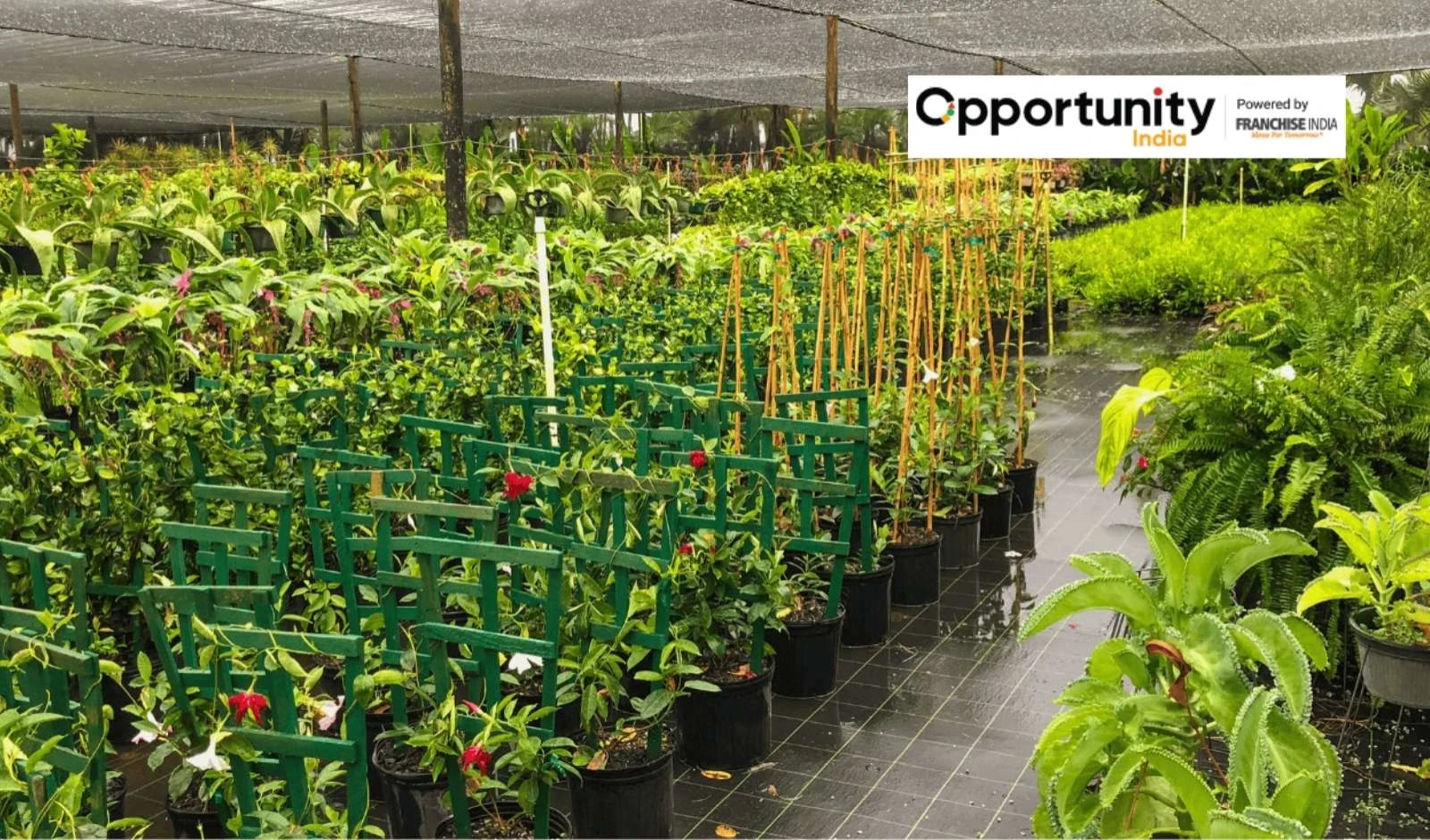
Set up your growing space based on the specific needs of your chosen herbs. Combine plants with similar water and sun requirements, such as rosemary, oregano, and thyme, which prefer drier conditions, or basils and parsley, which need more moisture. Proper spacing and soil preparation are critical for high-yield commercial crops.
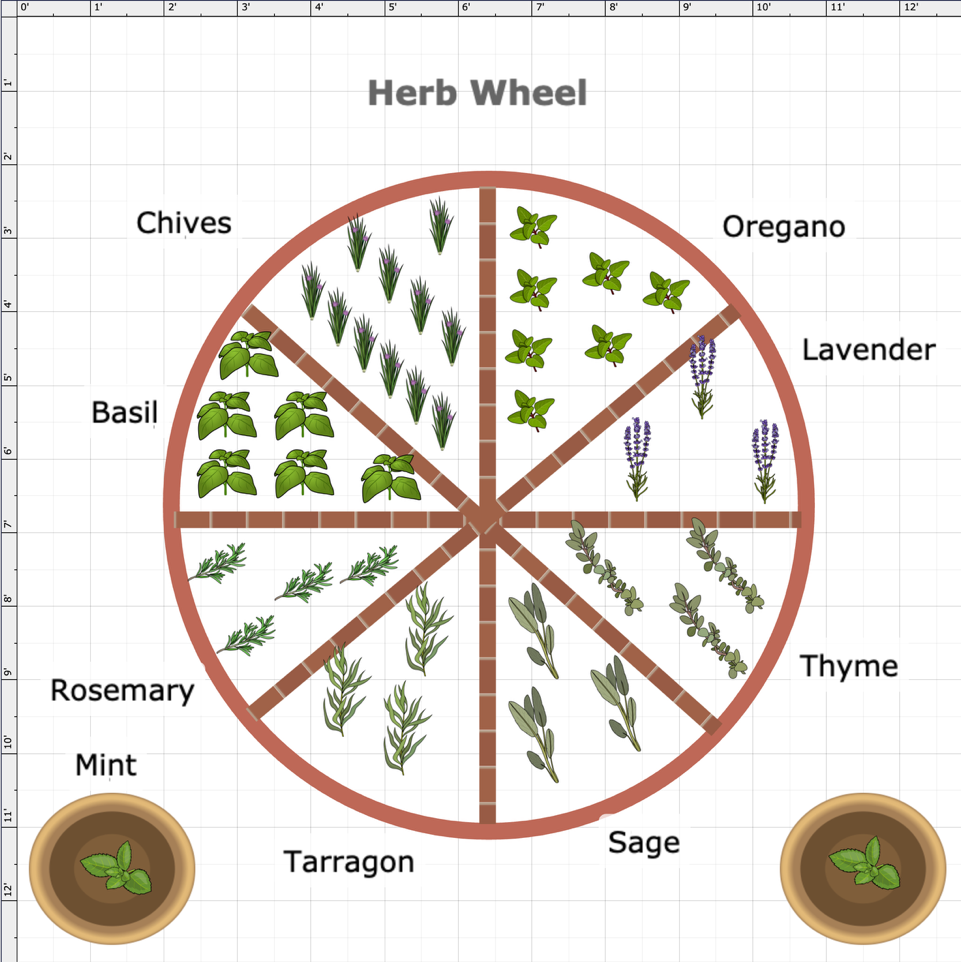
Begin planting your seeds or seedlings according to your seasonal calendar. Consistent monitoring for pests and diseases is essential for commercial quality. Keep detailed records of planting dates and harvest yields to refine your process for future seasons.

Harvest your herbs at peak freshness and prepare them for sale. Clean, dry, and package your products in a way that highlights their quality. Clear, professional packaging helps build trust with customers and justifies a premium price point.

Take your finished products to market. This could mean setting up a booth at a local farmers market, supplying local chefs, or selling online. Start small, gather feedback, and expand your customer base as your reputation grows.
Common Mistakes New Herb Growers Make
Growing profitable herbs for commercial sale sounds simple until you face the reality of perishable inventory and unpredictable weather. Many new growers start with big dreams but stumble on basic operational errors that drain margins before the first harvest. The difference between a hobby patch and a profitable business often comes down to three critical areas: planting volume, water management, and market alignment.
Overplanting and Harvest Bottlenecks
The most common trap is planting more than you can realistically harvest, process, and sell. Herbs like basil and cilantro bolt quickly in heat, meaning a large field can turn to waste in a single afternoon if you lack the labor to process it. Start small. Master the post-harvest handling of a few high-value crops before scaling up. If you cannot sell what you grow, you are growing weeds.
Ignoring Water Needs
Not all herbs thrive in the same moisture conditions. Planting thirsty crops like parsley next to drought-tolerant rosemary is a recipe for disaster. According to Johnny's Selected Seeds, combining plants with similar water and sun requirements is essential for efficiency and health. Grouping herbs by their hydrological needs prevents root rot in dry-loving varieties and underwatering in moisture-dependent ones, saving you money on water and lost crops.
Growing What You Like, Not What Sells
Profitability depends on local demand, not personal preference. Growing expensive saffron or rare lavender makes little sense if your local chefs and farmers' markets are begging for bulk basil, dill, and mint. Research your buyers first. Talk to restaurant owners and market managers. Grow what they need in the volume they need. This market-first approach ensures your harvest has a buyer waiting, turning your garden into a reliable income stream.
Questions about growing herbs for profit
Starting a small herb business requires understanding which crops offer the best return on investment and where to sell them. While saffron can be a major money maker, it is difficult for beginners. For most growers, focusing on high-demand culinary herbs like thyme, rosemary, and basil is a more reliable path to steady income.
No comments yet. Be the first to share your thoughts!