
Top high-value herbs for small farms
Finding the right herbs for your farm starts with matching your scale to market demand. While some growers chase high-dollar medicinal crops like ginseng or saffron, others find steady income in culinary staples that sell out quickly at local farmers markets. The most successful small farms often blend fast-turnover culinary herbs with niche medicinal varieties to balance risk and reward.
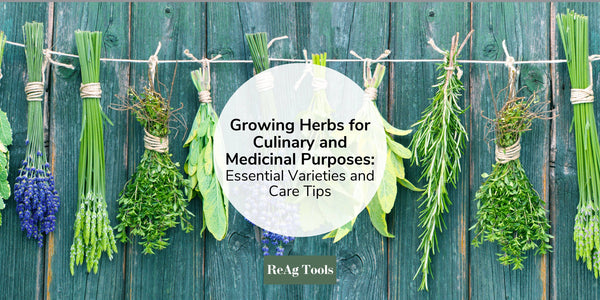
Basil remains a cornerstone for new farmers because it commands a high price per pound and grows rapidly in warm weather. Varieties like Genovese and Thai basil are particularly popular with chefs and home cooks alike, ensuring consistent sales throughout the growing season. Pairing basil with hardy perennials like thyme and rosemary provides a steady baseline of inventory that requires less frequent replanting.
For those looking to diversify into medicinal herbs, lavender and echinacea offer excellent profit margins due to their versatility. Lavender sells well in dried bundles, sachets, and essential oil forms, while echinacea is in high demand for natural immune-support products. These crops often fetch higher prices than culinary herbs, making them ideal for farms with established wholesale or direct-to-consumer channels.
To help you get started, here are some recommended starter kits and potted plants for these high-value herbs. These selections are chosen for their ease of growth and strong market presence.

![Greenwood Nursery: Live Perennial Plants - Provence Lavender + Lavandula x Intermedia - [Qty: 2X Pint Pots] - (Click for Other Available Plants/Quantities)](https://m.media-amazon.com/images/I/816fzh8TF6L._AC_UL960_QL65_.jpg)
As an Amazon Associate, we may earn from qualifying purchases.
Essential herb farming equipment list
Scaling from a backyard garden to a commercial operation requires shifting from casual tools to durable, efficient infrastructure. The right equipment reduces labor time and keeps your crops healthy and consistent. This list focuses on the core gear needed to manage volume without sacrificing quality.
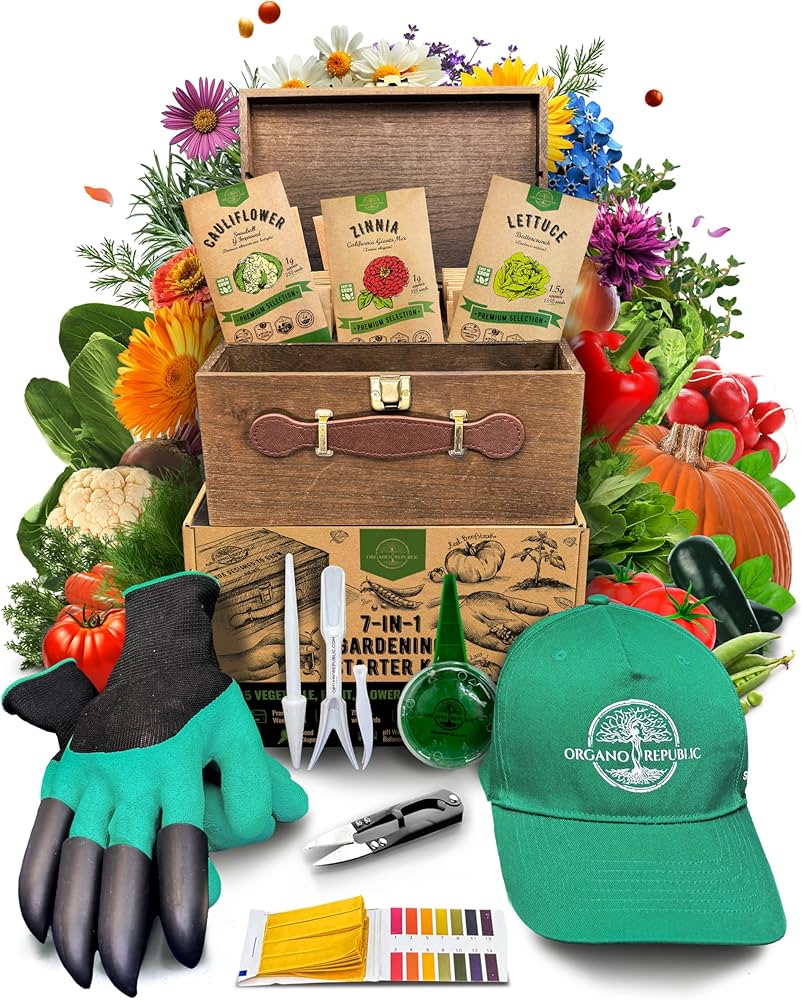
Start with precision cutting tools. Commercial-grade pruning shears or bypass loppers prevent crushing stems, which helps herbs stay fresh longer after harvest. Pair these with sturdy harvest containers. Food-grade buckets or totes with drainage allow you to move large quantities quickly while keeping roots cool and hydrated during the initial processing phase.
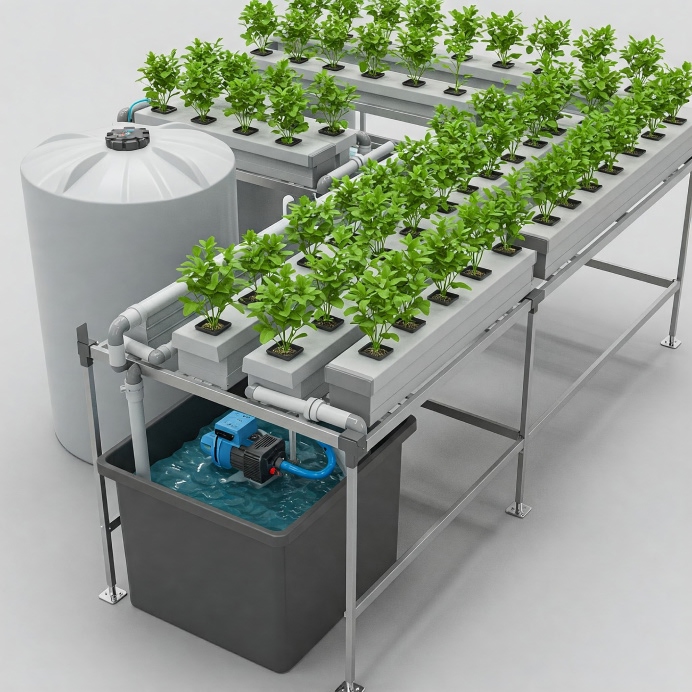
Water management is the next critical investment. Drip irrigation kits deliver water directly to the root zone, minimizing waste and reducing the risk of fungal diseases that thrive on wet foliage. For indoor or high-density setups, consider basic hydroponic components like net pots and reservoirs to maximize space efficiency.


As an Amazon Associate, we may earn from qualifying purchases.
Finally, invest in reliable soil testing kits. Understanding your soil’s pH and nutrient profile early on prevents costly crop failures. Regular testing ensures your plants receive the exact balance they need, leading to stronger yields and higher market value.
Comparing crop profitability and labor
Choosing the right crops means balancing two competing forces: how much work you’re willing to do and how much the market will pay. Some crops, like basil, offer steady yields with moderate daily upkeep. Others, like saffron or specialized medicinal roots, demand intense attention but can return significantly higher margins per square foot.
To help you decide where to invest your time and land, we’ve compared four common high-value options. This table breaks down the startup costs, labor intensity, and potential revenue drivers for each.
| Crop | Labor Intensity | Startup Cost | Revenue Potential |
|---|---|---|---|
| Basil | Medium (weekly harvests) | Low | Steady, high-volume sales |
| Saffron | High (hand-harvested) | High (corms) | Very high per ounce |
| Garlic | Low (plant once, harvest once) | Low | Moderate, long shelf life |
| Medicinal Roots | High (specialized processing) | Medium | High niche demand |
Basil is often the go-to for new farmers because it fits easily into existing garden beds and sells quickly to local restaurants. However, it requires consistent watering and frequent harvesting to prevent bolting. Saffron, by contrast, is a labor-intensive beast. You must hand-pick the delicate stigmas at dawn, but the dried spice commands a price that rivals gold. Garlic is the low-stress option; you plant it in the fall and harvest in summer, with minimal intervention required in between. Medicinal roots like nettle or burdock fall somewhere in the middle, requiring specific processing knowledge but offering strong wholesale interest.
When evaluating these options, look beyond the raw yield. A crop that grows fast but spoils quickly can be less profitable than a slow-growing root that stores well for months. Consider your local market’s appetite for fresh versus dried herbs, and be honest about how many hours per week you can dedicate to weeding and harvesting.
Starting your herb business plan
Turning a passion for growing into a profitable business requires more than just fertile soil. Before you plant your first seed, you need a clear roadmap that covers legal requirements, market research, and sales channels. This section outlines the initial steps to help you structure your new herb farming venture with confidence.
Herb farming is subject to local zoning laws, health department regulations, and business licensing requirements. Check with your county or city clerk’s office to determine if you need a specific agricultural permit or a home occupation license. Understanding these legal hurdles early prevents costly fines and ensures your operation is compliant from day one.
Identify who will buy your herbs. Will you sell directly to consumers at farmers markets, supply local restaurants, or partner with grocery stores? Each channel has different packaging and volume requirements. For example, restaurants often prefer consistent, high-quality bundles, while farmers market customers might buy smaller quantities of specialty varieties. Choose the channels that align with your production capacity.
List all initial expenses, including seeds, soil, containers, irrigation systems, and marketing materials. Use a simple spreadsheet to track projected costs versus expected revenue. This budget helps you determine how many plants you need to sell to break even. Being realistic about your startup costs ensures you don’t overinvest in equipment you might not need.
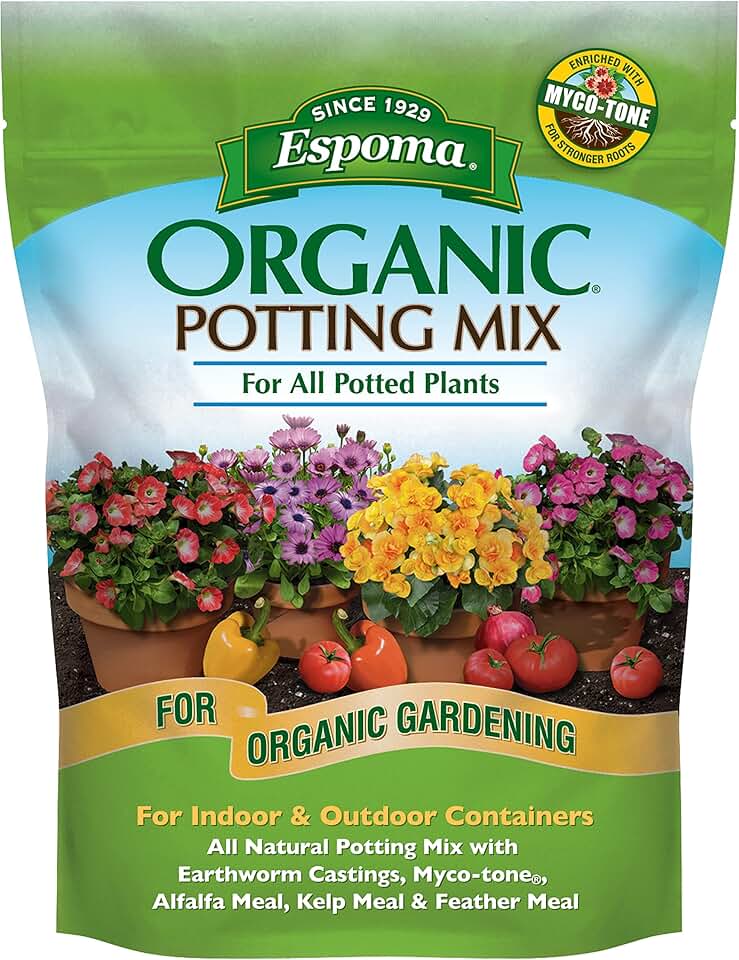
Invest in premium seeds and growing mediums to ensure strong germination and healthy plants. Reliable suppliers can make a significant difference in your yield. Below are some essential tools and supplies to help you get started on the right foot.
Create a simple brand identity, including a name and logo, to make your herbs recognizable. Set up social media pages to share updates on your growing process and harvests. Consider offering small samples at local events to introduce your product to potential customers. Building a community around your farm can lead to loyal, repeat buyers.


As an Amazon Associate, we may earn from qualifying purchases.
Frequently asked questions about herb farming
New farmers often have specific questions about profitability and land use before planting. These answers address the most common search intents for profitable herbs to grow, helping you plan your first season with confidence.
What is the most profitable herb?
While demand varies by region, medicinal herbs often command the highest prices per pound. Nettle, for example, is frequently cited as a top seller, with dried leaves selling for around $45 per pound. Other high-value crops include ginseng, goldenseal, and lavender. For beginners, starting with high-demand culinary herbs like basil or microgreens can provide faster cash flow, while medicinal varieties offer higher margins once established.
What can I grow on 1 acre for profit?
One acre is enough space to run a profitable niche operation. High-value crops like shiitake mushrooms and microgreens yield significant returns in small footprints. If you have more space, consider ginger or kiwiberries. The key is to match your acreage to crops that thrive in your local climate and have steady demand from local restaurants or farmers' markets. Diversifying with 3-5 different crops can also spread risk.
What herb is good for your pituitary gland?
Maca root (Lepidium meyenii) is widely recognized for supporting the endocrine system, including the pituitary, adrenal, and thyroid glands. It helps the body manage stress and balance hormones. While maca is primarily grown for its health benefits, it is also a valuable crop for farmers targeting the wellness market. Its adaptogenic properties make it a popular choice for herbal supplements and teas.
No comments yet. Be the first to share your thoughts!