
Herb Business: Initial Vision
Starting an herb business requires more than just a green thumb. It demands a clear vision of what you want to create. Are you picturing a sprawling u-pick field, allowing customers to harvest their own fragrant herbs? Or perhaps a more focused operation, supplying dried culinary herbs in bulk to local restaurants? Maybe you lean towards value-added products, like handcrafted herbal teas, soaps, or aromatherapy blends? These choices shape your business plan.
Too many aspiring herb entrepreneurs jump in without defining their niche. The result is often a scattered effort, trying to be everything to everyone and ultimately succeeding at nothing. A focused approach is critical. Consider your resources – land availability, your skillset, and your local market. The University of Idaho’s small farm herb production guide emphasizes understanding the diverse applications of herbs, from cooking to cosmetics, to pinpoint opportunities.
Market research is essential. Don’t assume there’s demand for your product just because you love it. Talk to potential customers – chefs, herbalists, farmers' market attendees. What herbs are they currently sourcing? What are their biggest challenges? What price points are they comfortable with? Look at what competitors are doing, both locally and online. Are there underserved niches? Perhaps a demand for organically grown, rare medicinal herbs?
Businesses specializing in hard-to-find varieties, like Vietnamese coriander or lemon verbena, often command premium prices. Alternatively, focusing on a specific product category – like herbal wedding favors or custom tea blends – can help you differentiate yourself. Clarity in your initial vision will save you time, money, and frustration down the road. It's the foundation upon which your entire business will be built.
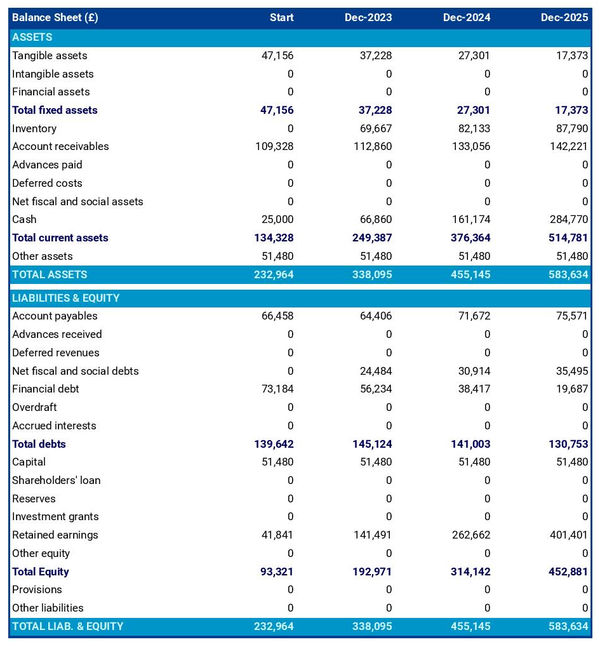
Startup Costs: A Realistic Breakdown
Confront the financial realities. Startup costs for an herb business can vary wildly, depending on the scale of your operation. A small-scale backyard garden will obviously require less investment than a multi-acre farm. However, it’s important to be thorough and account for all potential expenses. Ignoring even seemingly minor costs can quickly derail your budget.
Startup costs can be categorized as follows: Land (rent or purchase – consider lease options to minimize initial investment), Soil amendments (compost, fertilizer, organic matter), Seeds/starts (choose high-quality sources), Irrigation (drip irrigation is often the most efficient), Tools (hand tools, tillers, harvesting equipment), Processing equipment (drying racks, grinders, packaging materials), and Permits/licenses (check local regulations).
The University of Idaho guide suggests initial land preparation costs can range from $500 to $2,000 per acre, depending on existing soil conditions. Seeds and starts can easily run $200-$500 for a diverse selection. A basic drip irrigation system might cost $300-$1,000, depending on the size of your garden. Don't forget packaging – attractive, food-grade packaging is essential for retail sales. Expect to spend at least $100-$300 on initial packaging supplies.
Build in a contingency fund for unexpected expenses. Pest infestations, equipment breakdowns, and unforeseen regulatory hurdles are all possibilities. Adding at least 10-15% to your total estimated startup costs covers these unknowns. A detailed spreadsheet is your friend here. Track every potential expense, and be realistic in your estimates.
- Land (Rent or Purchase)
- Soil Amendments
- Seeds/Starts
- Irrigation
- Tools
- Processing Equipment
- Packaging
- Permits/Licenses
- Contingency Fund (10-15%)
Herb Garden Business Startup Costs (Estimated - 2026)
| Cost Category | Description | Estimated Cost (Low) | Estimated Cost (High) |
|---|---|---|---|
| Land/Rent | Initial land acquisition or annual lease costs. Varies significantly by location and size. | $500 | $10,000+ |
| Seeds/Starts | Cost of herb seeds or starter plants. Dependent on variety and quantity. | $100 | $500 |
| Irrigation | Initial investment in irrigation system (drip, sprinkler, etc.). | $200 | $1,500 |
| Tools | Essential gardening tools (trowels, pruners, hoes, etc.). | $150 | $750 |
| Processing Equipment | Equipment for drying, cutting, or otherwise processing herbs (e.g., dehydrator, scissors). | $100 | $2,000 |
| Packaging | Materials for packaging finished products (jars, bottles, labels). | $50 | $300 |
| Permits/Licenses | Business licenses, agricultural permits, and any required inspections. | $50 | $500 |
| Marketing/Website | Initial costs for website development, branding, and marketing materials. | $200 | $1,000+ |
Illustrative comparison based on the article research brief. Verify current pricing, limits, and product details in the official docs before relying on it.
Production Budget: From Seed to Harvest
Once your garden is established, ongoing expenses become the focus. A production budget is essential for understanding your cost of goods sold (COGS) and maximizing profitability. This includes costs associated with labor, water, fertilizer, pest control, and ongoing maintenance. Even if you’re initially doing all the work yourself, assign a monetary value to your time.
Labor costs can be significant, especially during peak harvest season. Water is another major expense, particularly in arid regions. Drip irrigation can help minimize water usage, but you’ll still need to factor in the cost of water bills. Fertilizer costs vary depending on whether you choose organic or conventional methods. Organic fertilizers are generally more expensive upfront, but can improve soil health and reduce the need for synthetic pesticides.
Estimating yields is arguably the most challenging aspect of production budgeting. Overestimating yields is a common mistake among new growers. Start with conservative estimates, based on your local climate, soil conditions, and growing practices. The NC State Extension resources on growing herbs as a cash crop emphasize soil testing and variety selection to optimize yields.
Organic versus conventional growing methods present a trade-off. Organic certification can command premium prices, but it requires adherence to strict standards and often results in lower yields. Conventional methods may offer higher yields at a lower cost, but you’ll need to factor in the cost of synthetic inputs and potential consumer concerns about pesticide residues. Weigh the pros and cons before making a decision.
Revenue Projections: Pricing and Sales Channels
Now for the positive side of the equation: generating revenue. Your sales strategy will significantly impact your profitability. Several channels are available, each with its own advantages and disadvantages. Farmers' markets offer direct access to customers and allow you to build relationships, but require significant time commitment. Direct-to-consumer online sales (through a website or platforms like Etsy) provide wider reach, but require marketing efforts and shipping logistics.
Wholesale to restaurants or herbalists can provide a consistent stream of income, but often involves lower profit margins. Selling to processors (e.g., companies that make teas or essential oils) can offer large-volume sales, but may require meeting strict quality standards. A multi-channel approach diversifies your revenue streams and mitigates risk.
Pricing is a delicate balance. You need to cover your costs, generate a profit, and remain competitive. Research prices for similar herbs in your local market. Factors like quality, seasonality, and organic certification influence your prices. The NC State Extension notes that prices for culinary herbs can range from $3-$10 per bunch, while medicinal herbs can command significantly higher prices.
Branding and storytelling are powerful. Highlight the unique qualities of your herbs – their flavor, aroma, or health benefits. Emphasize your commitment to sustainable growing practices. A strong brand can justify premium pricing and build customer loyalty. Small-scale herb farms successfully charge 20-30% more simply by emphasizing their commitment to quality and sustainability.
Profit & Loss: The First Three Years
A profit and loss (P&L) statement tracks your business's financial performance. It summarizes your revenue, expenses, and profit over a specific period. A projected P&L for the first three years of your business helps you identify potential financial risks and opportunities. This isn't about predicting the future with certainty, but about creating a realistic financial roadmap.
Start by projecting your revenue based on your estimated yields, prices, and sales channels. Then, subtract your cost of goods sold (COGS) – the direct costs associated with producing your herbs. This includes seeds, fertilizer, labor, and packaging. The result is your gross profit. Next, subtract your operating expenses – rent, utilities, marketing, and administrative costs – to arrive at your net profit.
Break-even analysis calculates the amount of revenue you need to generate to cover all your costs. It helps you understand how many herbs you need to sell to avoid losing money. Don’t just focus on revenue; pay close attention to your margins. A high revenue stream with low margins won’t sustain your business long-term.
Accurate financial record-keeping is paramount. Use accounting software or a spreadsheet to track your income and expenses diligently. This will not only help you create accurate P&L statements, but also simplify your tax preparation. I’m not a financial advisor, and this isn't financial advice, but understanding these fundamentals is essential for any herb entrepreneur. Review and update your P&L projections regularly as your business evolves.
Funding Options: Loans and Grants
If your startup costs exceed your personal savings, you'll likely need to explore external funding options. Small business loans are a common choice, but require a strong credit score and a well-developed business plan. Microloans, offered by organizations like Kiva, provide smaller amounts of funding with more flexible terms. These are often a good option for new businesses with limited credit history.
Grants are another potential source of funding, but are often highly competitive. Research grants specifically targeted towards agricultural businesses or sustainable farming practices. The USDA offers a variety of grant programs, but the application process can be complex. Local and state governments may also offer grants for small businesses.
Bootstrapping – starting small and reinvesting profits to grow your business – is a viable alternative to traditional funding. This requires discipline and patience, but allows you to maintain full control of your business. Start with a small-scale operation, focus on profitability, and gradually expand as your revenue grows. This approach minimizes risk and allows you to learn from your mistakes.
Before applying for any loan or grant, carefully review the terms and conditions. Understand the interest rates, repayment schedule, and any associated fees. Don’t overextend yourself financially. A realistic assessment of your financial capabilities is crucial for long-term success. Resources like the Small Business Administration (SBA) website can provide valuable guidance on funding options.
Funding Sources
- Small Business Administration (SBA) Loans - The SBA doesn’t directly lend money, but provides guarantees to lenders, reducing their risk and making it easier for small businesses, including herb farms, to qualify for loans. Various loan programs exist, such as the 7(a) loan, which is the SBA’s most common loan program.
- USDA Farm Service Agency (FSA) Loans - The FSA offers a range of loan programs specifically for agricultural businesses. These include Farm Ownership Loans, Operating Loans, and Emergency Loans, which can be particularly useful for herb growers facing unexpected challenges.
- Microloan Programs - Organizations like Kiva offer microloans – smaller loans often used to cover startup costs or short-term expenses. These can be a good option for herb businesses that don’t qualify for traditional bank loans.
- State-Specific Agricultural Grants - Many states offer grants to support local agriculture. These grants often focus on sustainable farming practices, organic production, or value-added products, all of which can apply to herb cultivation businesses. Research your state's Department of Agriculture website.
- Crowdfunding Platforms - Platforms like Kickstarter and Indiegogo allow you to raise capital from a large number of people, often in exchange for rewards or equity. This can be a viable option for herb businesses with a strong story or unique product offering.
- Local Community Development Financial Institutions (CDFIs) - CDFIs are mission-driven financial institutions that focus on providing financing to underserved communities. They often offer flexible loan terms and technical assistance to small businesses, including agricultural ventures.
- Farm Credit System - A nationwide network of borrower-owned lending institutions that provide credit and financial services to agricultural producers. They offer a variety of loan products tailored to the needs of farmers and ranchers.
Financial Ratios: Monitoring Your Health
Once your herb business is operational, it’s not enough to simply track revenue and expenses. You need to monitor key financial ratios to assess its overall health and identify areas for improvement. These ratios provide insights into your profitability, efficiency, and financial stability. Don’t be intimidated by the terminology – these concepts are surprisingly straightforward.
Gross profit margin (revenue minus COGS, divided by revenue) indicates how efficiently you’re managing your production costs. A higher gross profit margin is generally better. Net profit margin (net profit divided by revenue) shows your overall profitability after all expenses are considered. Return on investment (net profit divided by total investment) measures the profitability of your investment.
Other useful ratios include current ratio (current assets divided by current liabilities), which assesses your ability to meet short-term obligations, and debt-to-equity ratio (total debt divided by total equity), which indicates your level of financial leverage. Regularly calculating and analyzing these ratios will help you identify trends and make informed business decisions.
I understand financial ratios can sound daunting, but they are simply tools for understanding the story your numbers are telling. A declining profit margin, for example, might signal the need to reduce costs, increase prices, or improve efficiency. A high debt-to-equity ratio might indicate that you’re taking on too much risk. Don’t ignore these warning signs – address them proactively to ensure the long-term sustainability of your herb business.


No comments yet. Be the first to share your thoughts!