
is a herb business right for you?
So, you're dreaming of a life surrounded by fragrant herbs and a business that lets you connect with nature? That’s fantastic! But before you quit your day job and start ordering seeds, let’s have a realistic conversation. A herb business, even a small one, is still a business. It requires dedication, hard work, and a willingness to learn – and sometimes fail – along the way.
I remember when I first started, I thought it would be all sunshine and chamomile. I quickly learned that it's also about early mornings, late nights, dealing with pests, and the constant pressure of keeping plants alive. It's physically demanding work, and the initial time commitment can be significant. Expect to spend a lot of time researching, planning, and actually doing the work, especially in the beginning.
Consider your lifestyle. Are you comfortable with seasonal work? Herb businesses often have peak seasons during growing and harvest times, followed by slower periods focused on processing and marketing. Do you enjoy being outdoors in all kinds of weather? Can you handle the financial uncertainty that comes with starting any new venture? These are important questions to ask yourself.
Honestly, I wish someone had told me how much bookkeeping is involved. It’s not just about growing beautiful herbs; it’s about tracking expenses, managing inventory, and understanding your profit margins. It’s a learning curve, but a necessary one. Don’t underestimate the business side of things – it's just as important as the gardening side.
- Realistic Self-Assessment: Be honest about your skills, time commitment, and financial resources.
- Time Commitment: Expect long hours, especially during peak season.
- Physical Demands: Herb farming is physically demanding work.
- Business Acumen: Bookkeeping, marketing, and sales are essential.
what people are buying in 2026
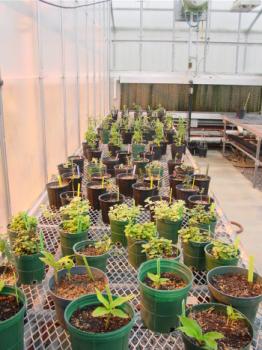
Okay, let's talk about what's actually selling. It's easy to get carried away growing herbs you love, but a successful business needs to focus on what customers want. According to Mother Earth News, culinary herbs like basil, mint, oregano, and thyme consistently have strong demand. These are staples in most kitchens, and people are always looking for fresh, high-quality options.
Chestnut Herbs points toward a growing interest in herbs for wellness, including adaptogens like ashwagandha and nervines like lemon balm. These herbs are gaining popularity as people seek natural ways to manage stress and improve their health. However, be aware that selling medicinal herbs often comes with stricter regulations, which we’ll cover later.
Looking ahead to 2026, I predict a continued rise in demand for herbs with functional benefits. Think herbs that support immunity, aid digestion, or promote relaxation. Elderberry, echinacea, and chamomile are good examples. Also, heirloom varieties and unusual herb blends are becoming increasingly popular as consumers seek unique flavors and experiences.
For a smaller operation, focusing on a niche market can be a smart move. This could be supplying local restaurants with specific culinary herbs, creating custom tea blends, or specializing in herbs for aromatherapy. Don't try to grow everything; focus on what you can grow well and what has a consistent market. Think about herbs that ship well if you're considering online sales.
- Culinary staples: Basil, mint, oregano, and thyme are the easiest to sell to local restaurants.
- Medicinal Herbs: Ashwagandha, lemon balm, elderberry, echinacea (growing demand)
- Niche Markets: Heirloom varieties, custom tea blends, aromatherapy herbs
Herb Business Potential: A Quick Comparison for 2026 🌱
| Herb | Market Demand | Growth Difficulty | Initial Investment | Profit Potential |
|---|---|---|---|---|
| Basil 🌿 | High | Easy | Low | Medium |
| Mint 🍃 | Medium | Easy | Low | Low-Medium |
| Lavender 💜 | High | Moderate | Medium | Medium-High |
| Rosemary 🌿 | Medium | Moderate | Low-Medium | Medium |
| Chamomile 🌼 | Medium | Easy | Low | Medium |
| Lemon Balm 🍋 | Medium | Easy | Low | Low-Medium |
| Echinacea 🌸 | Medium | Moderate | Medium | Medium |
| Thyme 🌿 | Medium | Easy | Low | Low-Medium |
| Sage 🌿 | Medium | Easy | Low | Medium |
| Calendula 🌼 | Medium | Easy | Low | Medium |
Illustrative comparison based on the article research brief. Verify current pricing, limits, and product details in the official docs before relying on it.
Growing Methods: From Seed to Harvest
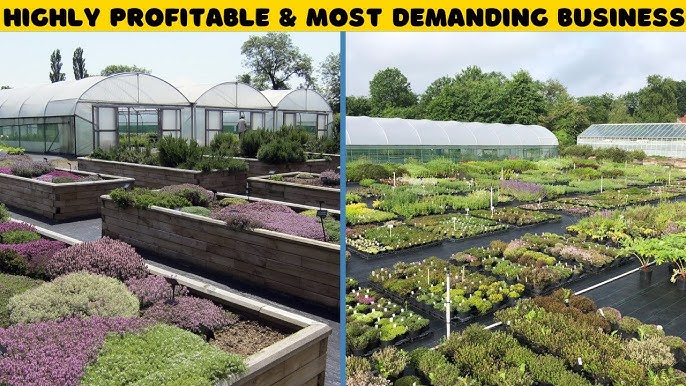
Now for the fun part: actually growing the herbs! There are several methods to choose from, each with its own advantages and disadvantages. Raised beds offer excellent drainage and soil control, making them ideal for herbs that prefer well-drained conditions. They're also easier on your back! However, they can be more expensive to set up initially.
Container gardening is another great option, especially if you have limited space. It allows you to move plants around to optimize sunlight exposure and protect them from harsh weather. It’s also perfect for herbs that can become invasive, like mint. But containers dry out quickly, so they require more frequent watering.
Field cultivation is suitable for larger-scale operations. It's the most cost-effective method, but it requires careful soil management and pest control. Organic pest control is crucial; I've had success with companion planting (marigolds deter nematodes) and introducing beneficial insects like ladybugs. Healthy soil is the foundation of a successful herb garden – amend with compost regularly.
When it comes to starting your herbs, you have two main choices: seeds or starts (small plants). Seeds are cheaper, but they require more time and effort. Starts give you a head start, but they’re more expensive. I recommend starting some herbs from seed (like basil and dill) and buying starts for others (like lavender and rosemary).
- Raised Beds: Excellent drainage, easier on the back, more expensive.
- Container Gardening: Good for limited space, easy to move, requires frequent watering.
- Field Cultivation: Cost-effective for large scale, requires soil management.
- Seeds vs. Starts: Seeds are cheaper but require more time; starts are faster but more expensive.
permits and the law
Don’t even think about skipping this step. Regulations surrounding herb sales vary significantly depending on your location. You'll likely need a basic business license to operate legally. Beyond that, you may need agricultural permits, especially if you're selling wholesale or growing on a large scale.
If you're selling herbs for medicinal purposes, the regulations become even more complex. You may need to comply with Good Manufacturing Practices (GMP) and labeling requirements. It’s essential to research your local and state regulations thoroughly. A good place to start is your state’s Department of Agriculture website.
I strongly recommend consulting with a local attorney or business advisor to ensure you're in compliance with all applicable laws. It's better to be safe than sorry – fines and legal issues can quickly derail your business. Don't rely on information you find online; always verify it with official sources.
Regulations around labeling are also important. You need to accurately identify the herbs you're selling and provide any necessary warnings or disclaimers. For example, if you're selling herbs that are known allergens, you need to clearly label them as such.
- Business License: Required for all businesses.
- Agricultural Permits: May be required for large-scale growing.
- GMP Compliance: Necessary for medicinal herb sales.
- Labeling Requirements: Accurate identification and warnings.
Monetizing Your Harvest: Sales Channels
You've grown the herbs, now it's time to make some money! There are several ways to monetize your harvest. Direct sales, such as farmers markets and farm stands, allow you to connect directly with customers and build relationships. They also offer the highest profit margins, but require significant time and effort.
Wholesale to restaurants and health food stores can provide a steady stream of income, but the profit margins are typically lower. You’ll need to build relationships with buyers and consistently deliver high-quality products. Packaging and delivery logistics are also important considerations.
Setting up an online store gives you access to a wider market, but it also requires marketing and shipping expertise. Platforms like Shopify and Etsy make it relatively easy to get started, but you’ll need to invest in website design and online advertising. I found that high-quality photos are absolutely essential for online sales.
I started with farmers markets, which allowed me to test different products and get direct feedback from customers. Then I expanded to wholesale accounts with a few local restaurants. Eventually, I launched an online store, which has become my primary sales channel. Each channel has its own challenges and rewards.
- Farmers Markets/Farm Stands: High profit margins, direct customer interaction, time-consuming.
- Wholesale: Steady income, lower profit margins, requires relationships with buyers.
- Online Store: Wider market reach, requires marketing and shipping expertise.
Sales Channels for Your Herbs 🌿
- Farmers Markets - A classic! Renting a stall allows direct customer interaction and immediate sales. Expect to spend $50 - $200+ per market day for booth fees. Time commitment: Significant – weekends required for setup, sales, and breakdown.
- Etsy Shop - Relatively low startup cost (listing fees are around $0.20 per item, plus transaction fees). Requires strong photography skills and marketing to stand out. Time commitment: Moderate – listing creation, order fulfillment, customer service.
- Shopify Store - Offers more control over branding and customer experience than Etsy, but requires a monthly subscription (Basic Shopify starts around $39/month as of late 2023). Also involves marketing costs. Time commitment: High – website maintenance, marketing, order fulfillment.
- Local Restaurants - Building relationships with chefs can lead to consistent bulk orders. Requires networking and offering competitive pricing. Startup cost: Minimal, primarily time for building relationships. Time commitment: Moderate – ongoing communication and deliveries.
- Health Food Stores - A good option for dried herbs or value-added products like herbal teas. Requires meeting quality standards and potentially consignment agreements. Startup cost: Low to moderate – packaging, potential sample costs. Time commitment: Moderate – building relationships, deliveries, inventory management.
- Herbalists/Practitioners - Targeting practitioners (acupuncturists, naturopaths) who use herbs in their practice can provide a niche market. Requires understanding their specific needs. Startup cost: Low – networking and sample provision. Time commitment: Moderate – building relationships and potentially custom growing.
- Craft Fairs - Similar to farmers markets, but often focused on handmade or artisanal goods. Good for herbal products like salves or soaps. Booth fees are generally $75 - $150+. Time commitment: Significant – event-based, requires preparation and staffing.
Value-Added Products: Beyond the Fresh Herb
Selling fresh herbs is a great start, but you can significantly increase your profit margins by creating value-added products. Herbal teas are relatively easy to make and have a wide appeal. Infused oils (like rosemary olive oil) are another popular option. Salves and balms (using herbs like calendula and comfrey) are also in demand, but require more formulation knowledge.
Basic formulation involves combining herbs with carrier oils, waxes, or other ingredients. It's important to use high-quality ingredients and follow safe handling practices. Packaging and labeling are also crucial – your packaging should be attractive and informative. Always label your products with a list of ingredients and any necessary warnings.
I'm not a chemist, so I recommend starting with simple recipes and avoiding complex formulations. There are plenty of resources available online and in books to guide you. Be sure to research the properties of each herb you use and ensure it's safe for its intended purpose.
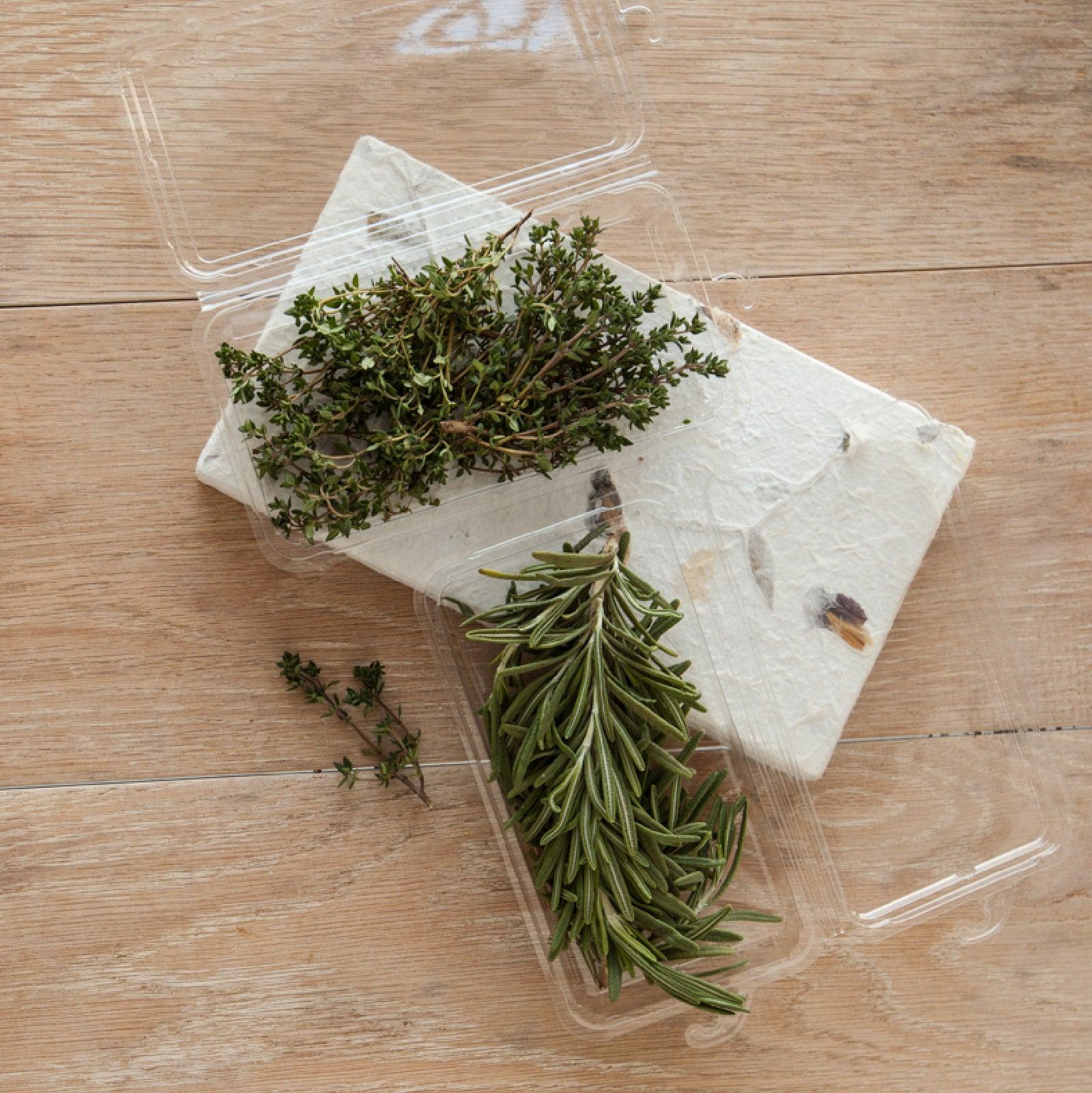
Proper storage is also key. Teas and dried herbs should be stored in airtight containers in a cool, dark place. Oils and salves should be stored in amber glass bottles to protect them from light. Remember that homemade products have a shorter shelf life than commercially produced products.
- Herbal Teas: Easy to make, wide appeal.
- Infused Oils: Popular, requires quality ingredients.
- Salves and Balms: Higher profit margins, requires formulation knowledge.
- Proper Storage: Airtight containers, cool, dark place.
Marketing Your Herb Business
Having a great product is only half the battle; you also need to get the word out. Building a brand is essential. This includes developing a logo, choosing a color scheme, and crafting a consistent message. Your brand should reflect the values of your business and appeal to your target audience.
You need a website. It is your storefront. While social media helps, I've found that Instagram is where the chefs and herbalists actually look for product photos. Don't waste time on every platform; pick the one where your specific buyers hang out.
Networking with potential customers is crucial. Attend local farmers markets and events, and connect with chefs and health food store owners. Storytelling is also a powerful way to connect with your audience. Share the story of your farm, your herbs, and your passion for herbalism. People connect with authenticity.
I learned the hard way that simply posting about your products isn’t enough. You need to provide value to your audience. Share recipes, tips, and information about the benefits of herbs. Engage with your followers and build a community. It takes time and effort, but it's worth it.
- Brand Building: Logo, color scheme, consistent message.
- Website: Online storefront, central information hub.
- Social Media: Instagram, Facebook (target audience focus).
- Networking: Farmers markets, events, industry connections.
What's your biggest challenge in marketing your herb business?
We want to know what's holding you back! Vote below to help us tailor our next guide to your needs.
No comments yet. Be the first to share your thoughts!