
Herbs as a real business
There’s a growing appetite for locally sourced, natural products, and herbs are right at the center of that trend. But let’s be clear: starting an herb business isn't just about enjoying a beautiful garden. It’s about recognizing a genuine market opportunity and treating it like any other venture. Many people start with a passion for growing, but quickly realize the business side requires planning and dedication.
2026 looks like a good year to start. People are buying more fresh ingredients for home cooking and natural remedies. The demand is there, but you'll have to work harder to stand out as more small farms enter the market.
Don't underestimate the importance of understanding costs. Seeds, soil, pots, packaging, marketing, and your time all add up. A realistic business plan, even a simple one, is essential. It’s better to know these numbers upfront than to be surprised later. This isn't a get-rich-quick scheme; it’s a business that requires consistent effort and a commitment to quality.
Seven ways to sell your harvest
Okay, let’s get down to how you’ll actually sell your herbs. There are many avenues, and the best approach will depend on your resources, location, and target market. Here are seven proven strategies, with a realistic look at what's involved.
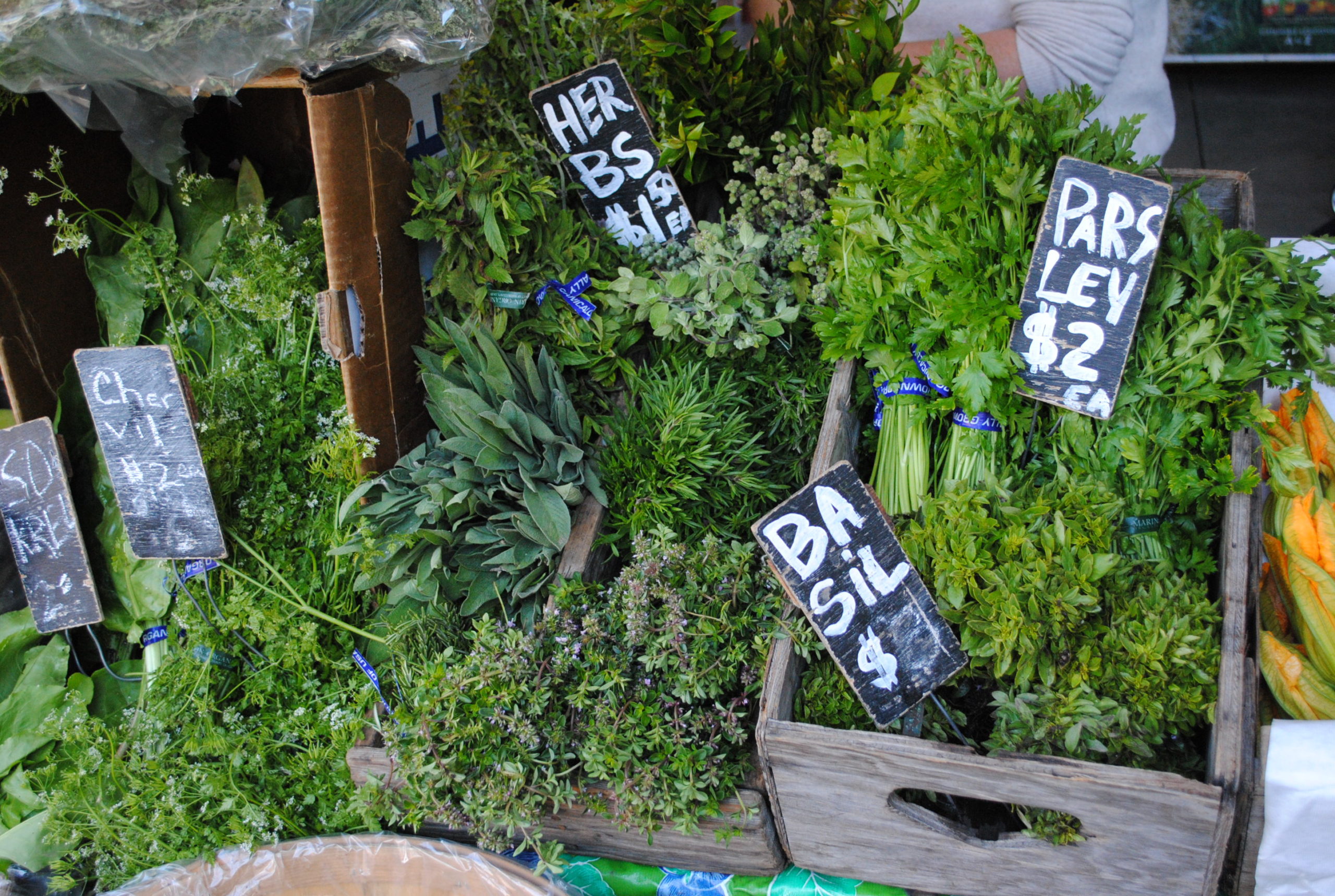
1. Farmers Markets & Local Events: A classic for a reason. It provides direct contact with customers and builds brand recognition. Costs: $50-$200 per market (booth fees), plus display materials. Potential ROI: High, if you choose the right markets and present your herbs attractively.
2. Direct-to-Consumer Online Sales (Shopify, Etsy): Reaching a wider audience. Shopify offers more control, while Etsy provides a built-in marketplace. Costs: $30-$300/month (Shopify), $0.20 per listing + transaction fees (Etsy). Potential ROI: Moderate to high, depending on your marketing efforts.
3. Wholesale to Restaurants & Health Food Stores: Securing consistent, larger orders. Requires building relationships and meeting quality standards. Costs: Minimal, beyond initial outreach and sample production. Potential ROI: High, but requires consistent supply.
4. Community Supported Agriculture (CSA) for Herbs: A subscription model that provides upfront capital and a loyal customer base. Costs: Marketing, packaging, and herb production. Potential ROI: Moderate to high, offering financial stability.
5. Workshops & Classes: Establishing yourself as an expert and generating additional income. Costs: Marketing, materials, and venue rental (if applicable). Potential ROI: Moderate, but builds community and brand loyalty.
6. Collaborations with Local Businesses: Partnering with breweries, spas, or other businesses to incorporate your herbs into their products or services. Costs: Variable, depending on the collaboration. Potential ROI: Moderate, expanding your reach.
7. Social Media Marketing (Instagram, Pinterest): Building brand awareness and driving traffic to your online store. Costs: Time, potentially advertising spend. Potential ROI: Moderate, requires consistent content creation.
The value of farmers markets
Don’t dismiss farmers markets. Despite the rise of online sales, they remain a powerful way to connect with customers and build a loyal following. A well-presented booth with fresh, fragrant herbs is incredibly appealing. It’s about creating an experience, not just a transaction.
Pricing is crucial. Research what other vendors are charging, but don’t undervalue your product. Consider offering different sizes or bundles to cater to various budgets. I once saw a farmer successfully use a "herb pairing" guide at their stall, suggesting which herbs complement specific dishes. It sparked conversation and boosted sales.
Finding the right market is key. A large, crowded market isn’t always the best option. Look for markets that attract your target demographic – people interested in local, organic, and high-quality products. Talk to market organizers and other vendors to get a feel for the customer base.
Selling wholesale to restaurants
Wholesale opportunities can provide a steady stream of income. Restaurants and health food stores are always looking for fresh, high-quality ingredients. The key is building relationships with chefs and buyers. Start by identifying potential clients in your area.
A professional wholesale price list is essential. Clearly outline your pricing, minimum order quantities, and delivery schedule. Don't be afraid to offer samples – let the quality of your herbs speak for itself. Follow up with a personalized email to build rapport. Here’s a sample:
Subject: Fresh, Local Herbs for [Restaurant Name] Dear [Chef/Buyer Name], I’m reaching out from [Your Farm Name] to introduce our selection of fresh, locally grown herbs. We specialize in [mention specific herbs]. I’d be happy to provide samples and discuss how we can meet your needs. Please let me know if you’re interested in learning more. Sincerely, [Your Name]
Social media as a visual tool
Instagram and Pinterest work well for herbs because they are visual. Take photos of your actual harvest and the dishes you make with them. People want to see the dirt on the roots, not just a polished studio shot.
Use relevant hashtags to reach a wider audience. Research popular herb-related hashtags and incorporate them into your posts. Consider running targeted ads to reach potential customers in your area. But don't get lost in the endless scroll.
I’m skeptical of spending too much time on social media. It’s a valuable tool for building brand awareness, but it shouldn’t be your primary focus. Use it to drive traffic to your online store or promote your farmers market appearances. Successful herb garden Instagram accounts often focus on beautiful imagery and helpful tips.
No comments yet. Be the first to share your thoughts!