
Pick the right herbs for your market
Choosing which profitable herbs to grow starts with matching your local demand to plants that are forgiving to cultivate. Not every herb pays off equally. Some varieties demand precise climate control or delicate handling, while others thrive with minimal intervention and still command a strong price at the farmers market or from local restaurants.
For beginners, the goal is to find the sweet spot between ease of growth and reliable sales. Herbs like sweet basil and mint are excellent starting points. Basil grows quickly and is a staple in many cuisines, ensuring steady demand. Mint is nearly indestructible and spreads aggressively, meaning you won’t struggle with low yields. By focusing on these resilient varieties first, you build confidence and cash flow before tackling more finicky crops.
| Herb | Yield Potential | Water Needs | Market Price |
|---|---|---|---|
| Basil | High | Medium | $8–$12/lb |
| Mint | Very High | Low | $6–$10/lb |
| Rosemary | Medium | Low | $5–$9/lb |
| Cilantro | Medium | High | $7–$11/lb |
Look closely at the water column. Herbs like rosemary and thyme are drought-tolerant, which cuts down on irrigation costs and labor. In contrast, cilantro and basil need consistent moisture to prevent bolting or leaf burn. If you are in a dry climate, starting with low-water herbs can significantly improve your profit margin by reducing your utility bills and time spent watering.
Set up your growing infrastructure
Before you plant your first seed, you need a system that protects your investment. Whether you are starting in a backyard or leasing a small plot, your infrastructure determines how quickly your herbs reach market and how much they cost to produce. The goal is to build a space that supports high-yield varieties like basil and mint while keeping labor low. You can choose between three main approaches: greenhouse cultivation, field production, or container farming. Each method has different startup costs and operational rhythms, so pick the one that matches your local climate and sales channel.
Choose your growing environment
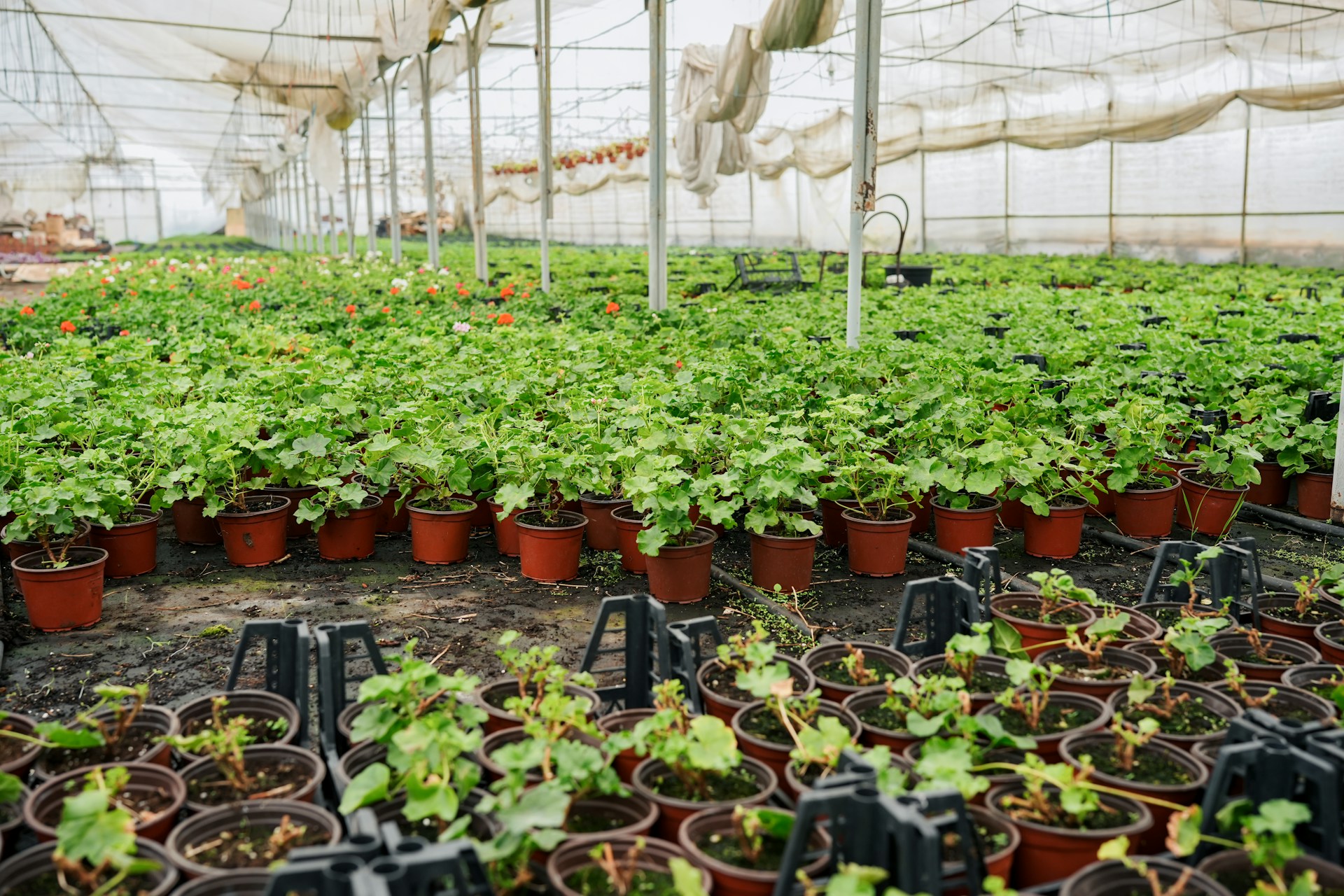
Greenhouses offer the most control over temperature and humidity, which is essential for tender herbs like basil that wilt quickly in cold snaps. This method allows you to extend your selling season into winter, when fresh herb prices are highest. Field production is cheaper to set up but leaves you vulnerable to weather extremes and pests. Container farming is ideal for urban farmers or those with limited land; it simplifies irrigation and makes it easy to move plants to optimize sun exposure.
Install essential equipment
Your infrastructure needs a few core components to function efficiently. For greenhouse and container setups, an automated irrigation system is non-negotiable. Drip lines or soaker hoses deliver water directly to the roots, reducing waste and preventing fungal diseases that thrive on wet foliage. You will also need shelving or raised beds to keep plants off the ground, improving air circulation and making harvesting easier. If you are growing in a greenhouse, invest in shade cloth to protect delicate herbs from scorching summer sun. For field growers, row covers provide a low-cost defense against frost and heavy rain.
Plan for scalability
Design your layout with expansion in mind. Leave extra space between rows for carts or walking paths, and ensure your water and power sources can support additional beds. Grouping plants with similar needs together—such as pairing dry-loving rosemary with thyme—simplifies maintenance and reduces the risk of overwatering one crop while under-watering another. This organization becomes critical as you scale from a few pots to hundreds of plants. Start small, master the routine, and then expand your footprint as your customer base grows.
Plant and manage your crop cycle
Turning seeds into cash requires treating your profitable herbs to grow with the same precision as a commercial vegetable operation. The difference between a hobby patch and a profitable crop lies in density, hydration, and defense.
Set the right planting density
Crowding is the enemy of profit. When herbs like basil or mint are planted too closely, they compete for light and air, leading to weak stems and higher disease rates. Aim for a spacing that allows each plant to reach its full canopy size without touching neighbors. For basil, this usually means 8 to 10 inches between plants in the row. This spacing ensures better airflow, which reduces the need for chemical interventions later.
Water for consistency, not quantity
Herbs thrive on consistent moisture, not flooding. Inconsistent watering leads to bitter flavors and split stems, which buyers reject. Use drip irrigation or soaker hoses to deliver water directly to the root zone. This method keeps foliage dry, preventing fungal issues like powdery mildew, which can wipe out a batch of cilantro overnight. Water early in the day so plants can absorb moisture before the heat of the afternoon.
Manage pests before they scale
A single aphid infestation can spread to your entire greenhouse in days. Start with prevention by inspecting new seedlings before they enter your growing area. Use yellow sticky traps to monitor for flying pests like fungus gnats. If you spot aphids on your mint, start with a strong spray of water to dislodge them. Only move to organic insecticidal soap if the population exceeds a threshold where it threatens your yield. Early action saves your profit margin.
Process and package for sale
Harvesting is only half the battle. To make your profitable herbs to grow venture successful, you must handle the post-harvest phase with care. Buyers judge quality the moment they see your product. A wilting leaf or a mushy stem tells a story of neglect. Proper cleaning, drying, and packaging turn a simple garden crop into a premium commodity.
Clean and prep immediately
Time is your enemy once the plant leaves the soil. Wash your herbs gently in cold water to remove dirt and potential pests. For leafy varieties like basil, a salad spinner works best to remove excess moisture without bruising the leaves. Pat them dry with clean towels or use air circulation. Wet herbs rot quickly, so ensure they are completely dry before moving to the next step.
Dry or chill based on the herb
Not all herbs need the same treatment. Basil and mint are high-moisture herbs that lose flavor and color if dried improperly. For these, keep them fresh in the refrigerator with a damp paper towel, wrapped loosely in plastic. Hardy herbs like rosemary, thyme, and oregano dry well. Hang small bundles upside down in a warm, dark, and airy space for one to two weeks. Check for crispness by rubbing a leaf; if it crumbles, it is ready.
Package for freshness and appeal
Presentation drives sales. Use clear, airtight containers for fresh herbs to show off the vibrant green color. For dried herbs, use small glass jars or opaque bags with airtight seals to protect against light and air. Label each package with the herb name and harvest date. This builds trust and helps you track inventory. Proper packaging extends shelf life, ensuring your product arrives at the market or customer's door in perfect condition.
Find buyers and sell your harvest
Profitable herbs to grow works best as a clear sequence: define the constraint, compare the realistic options, test the tradeoff, and choose the path with the fewest hidden costs. That order keeps the advice usable instead of decorative.
After each step, pause long enough to check whether the recommendation still fits the reader's actual situation. If it depends on perfect timing, unusual access, or a best-case budget, include a simpler fallback.
The simplest way to use this section is to write down the real constraint first, compare each option against it, and choose the path that still works outside ideal conditions.
Common Mistakes New Herb Farmers Make
Even with the best seed selection, small errors can turn a promising crop into a financial loss. For new farmers looking at profitable herbs to grow, the biggest threat to your bottom line is often operational, not biological. By anticipating these pitfalls, you can protect your margins and build a sustainable business from day one.
Overwatering and Poor Drainage
Water is life, but too much of it drowns roots and invites disease. A frequent error is treating all herbs the same way. Mediterranean varieties like rosemary, oregano, and thyme thrive in dry, well-drained soil and will rot if kept wet. In contrast, moisture-loving herbs like basil and mint need consistent hydration. Grouping plants with similar water needs not only simplifies care but also prevents the waste of resources on plants that don't need it.
Ignoring Market Demand
Growing what you love is a hobby; growing what sells is a business. A common mistake is planting large quantities of herbs with low local demand, such as saffron or rare exotic varieties, without securing buyers first. Always check with local chefs, farmers' markets, or grocery stores before planting. If no one is buying, your crop has no value. Start with high-demand staples like basil, cilantro, and parsley to ensure steady sales.
Skipping Soil Testing
Healthy soil is the foundation of profitable herbs to grow. Many new farmers skip soil tests, assuming their garden soil is fine. However, incorrect pH levels can lock out nutrients, stunting growth and reducing yield. A simple, inexpensive soil test can reveal if you need to adjust pH or add specific amendments. Investing time in soil preparation upfront saves money on fertilizers and failed crops later.
Video: Starting your first herb crop
Watching the process in motion helps clarify the physical steps of planting. The video below walks through the basics of sowing seeds and transplanting seedlings, giving you a visual reference for the techniques we covered.
These visual cues reinforce the written instructions, making it easier to replicate the steps in your own garden. Focus on consistency rather than perfection as you get started.
Frequently asked questions about herb farming
New farmers often worry about where to start when looking for profitable herbs to grow. The market is specific, but the opportunities are clear if you focus on high-demand crops.
No comments yet. Be the first to share your thoughts!