Top culinary herbs for quick turnover
Starting with fresh-market varieties is the smartest move for new farmers. These crops have a short lifecycle, meaning you can plant and harvest multiple times in a single season. This rapid turnover is essential for generating steady cash flow early on, rather than waiting months for a single large yield.
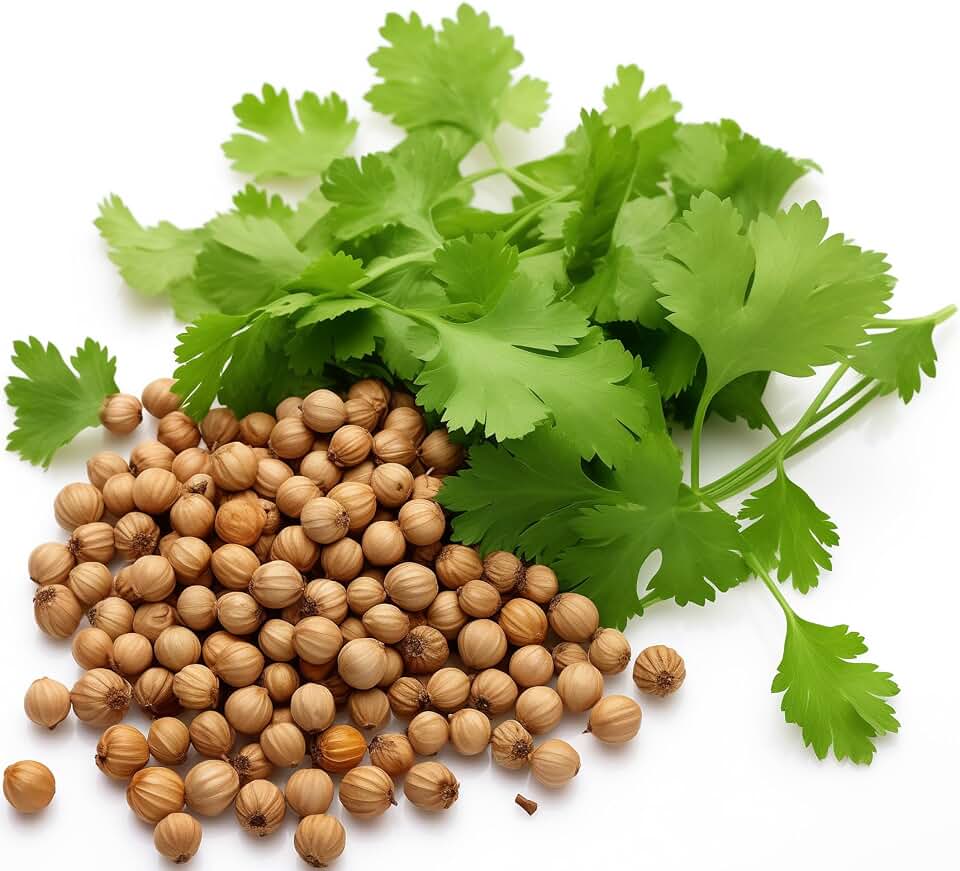
Basil, cilantro, and parsley are the heavy hitters in this category. They are high-demand staples in grocery stores and restaurants, ensuring you always have a buyer. Because these herbs are used in almost every cuisine, the market is consistent and resilient to seasonal trends.
Basil is particularly popular but requires careful handling. Sweet basil varieties like Genovese grow quickly and fetch a premium price when kept fresh. Cilantro is equally fast-growing but bolts (goes to seed) in heat, so succession planting every few weeks is key to keeping a continuous supply. Parsley is the workhorse; it is hardy, stores well, and can be harvested continuously without killing the plant.
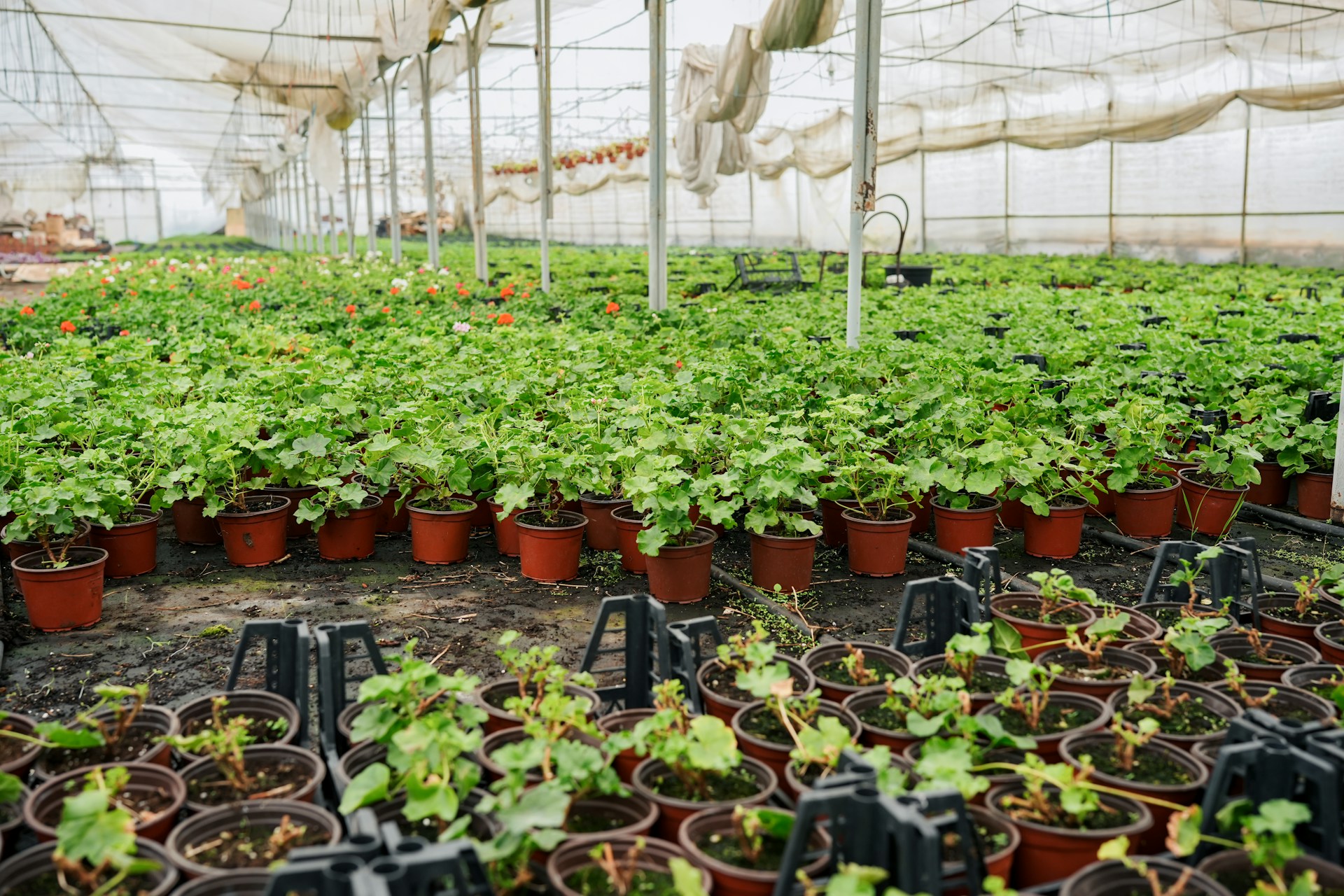
To get these crops started, you will need quality seeds and appropriate containers. Using starter kits or small grow bags helps control germination rates and reduces transplant shock. This setup allows you to maximize your growing space, whether you are in a backyard or a small greenhouse.


As an Amazon Associate, we may earn from qualifying purchases.
Hardy perennials for long-term yield
When you want to maximize the return on your initial labor, hardy perennial herbs are the smartest starting point. Unlike annuals that need to be replanted every single spring, these plants come back year after year, providing consistent harvests with minimal effort. This longevity is a major advantage for anyone looking to grow profitable herbs to sell, as it stabilizes your supply and reduces the constant cycle of purchasing new seedlings.
Rosemary, thyme, and oregano are the standout performers in this category. They are drought-tolerant and thrive in well-drained soil, making them forgiving choices for beginners who might miss a watering schedule. Because they share similar needs for sun and dry conditions, you can plant them together in the same bed or container, simplifying your maintenance routine. This grouping strategy not only saves space but also ensures that your most reliable sellers are always within reach.
By focusing on these resilient varieties, you build a foundation of steady income. A single planting can last for several seasons, meaning your profit margins improve over time as the initial setup cost is amortized over many harvests. This approach allows you to scale your operation gradually, testing market demand for dried or fresh bundles without the pressure of starting from scratch every year.
High-value niche herbs for premium markets
While standard culinary herbs like basil and mint are reliable staples, they often compete in a crowded market with thin margins. If you are looking to maximize profit per square foot, consider shifting your focus to high-value niche herbs. These crops typically require less volume to generate significant income and target specialized buyers such as apothecaries, cosmetic formulators, and luxury retailers.
Saffron stands at the top of the list for sheer value. It is the most expensive culinary herb in the world, often selling for $5,000 to $10,000 per pound. This price tag reflects the intense labor required to harvest the delicate stigmas from each crocus flower by hand. Because the yield is so low, saffron is a lower-volume crop, but the returns can be substantial for growers willing to manage the meticulous harvesting process.
Medicinal and aromatic herbs offer another strong avenue for premium sales. Plants like lavender, ginseng, goldenseal, echinacea, and ashwagandha are in high demand for natural health products, essential oils, and teas. These herbs appeal to consumers seeking wellness solutions, allowing you to sell directly to health-focused markets rather than competing in the commodity spice aisle.
These niche crops demand more specific knowledge than common garden varieties, but they also face less price competition. By targeting these high-margin crops, you can build a more resilient and lucrative farming business, even on a smaller scale.
Essential herb farming equipment and tools
Starting your journey into herb farming requires more than just seeds and soil. The right equipment protects your investment and ensures your crops reach market in peak condition. From initial soil analysis to final harvest, having the correct tools simplifies the process and boosts your yield quality.
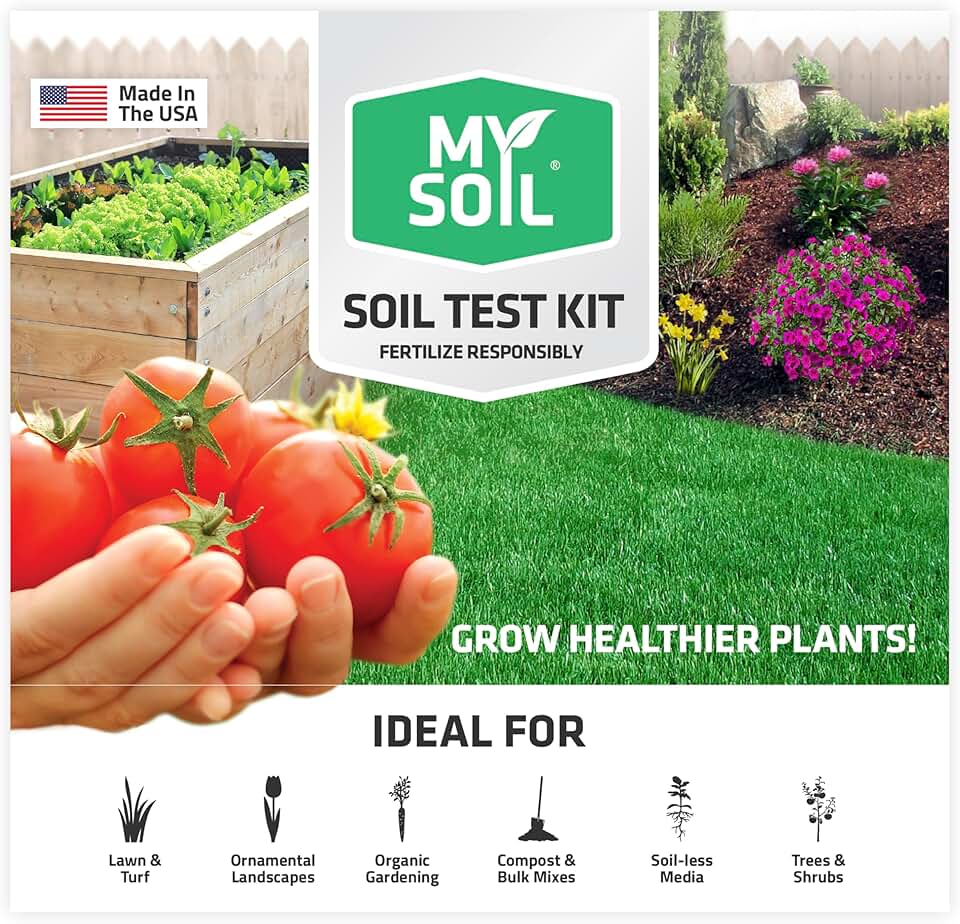
Before planting, you need to understand your growing medium. A reliable soil testing kit helps you adjust pH levels and nutrient content specifically for herbs like basil or cilantro, ensuring they thrive rather than struggle. This small upfront cost prevents crop failure later on.
Harvesting and post-harvest care are where many beginners lose money. Sharp pruning shears prevent crushing delicate stems, while proper cooling systems preserve freshness for longer shelf life. Choosing the right gear for your scale—whether you are testing soil for a small balcony garden or a large commercial plot—makes a significant difference in your bottom line.
| Tool | Beginner Setup | Commercial Setup |
|---|---|---|
| Soil Testing | Handheld pH meter ($15-$30) | Lab-grade digital kit ($100+) |
| Harvesting | Standard pruning shears | Heavy-duty harvest knives |
| Post-Harvest | Cooler with ice packs | Walk-in cooler or hydro-cooler |
| Planting | Seed starting trays | Automated seeding systems |
Investing in the right tools early on sets the foundation for a successful business. Here are some essential items to consider for your setup.


As an Amazon Associate, we may earn from qualifying purchases.
Pick your sales channel
Before you plant your first seed, decide where they will end up. Your business model dictates which varieties thrive and how you handle the harvest. Most new herb farmers choose between selling directly to people or supplying businesses.
Sell at farmers markets
Direct-to-consumer sales offer the highest profit margins because you cut out the middleman. This channel works best for delicate, high-value herbs like sweet basil, cilantro, and flat-leaf parsley. These crops have short shelf lives and require careful handling, which fits the farmers market model perfectly. You get immediate cash flow and direct feedback on what customers prefer.
Supply restaurants and grocers
Wholesale channels provide steady volume but lower per-unit prices. Restaurants and local grocers often prefer hardier herbs like rosemary, oregano, and thyme, which store longer and travel better. This route requires consistent supply and reliable weekly deliveries. It is less about individual customer preference and more about meeting bulk volume needs.
Match your crops to the channel
Your sales channel should dictate your planting plan. If you target restaurants, focus on durable, high-yield varieties that can withstand transport. If you target markets, prioritize aromatic, fresh-cut herbs that appeal to home cooks. Combining plants with similar water and sun requirements, such as grouping rosemary with oregano, simplifies irrigation and care.
Decide if you will sell to end consumers or businesses. This choice determines your crop selection and harvest schedule. Focus on crops that match the expectations of your chosen buyer.
Choose herbs that align with your sales channel. Pair delicate basil with market sales and hardy thyme with wholesale contracts. Group plants with similar needs to simplify maintenance.

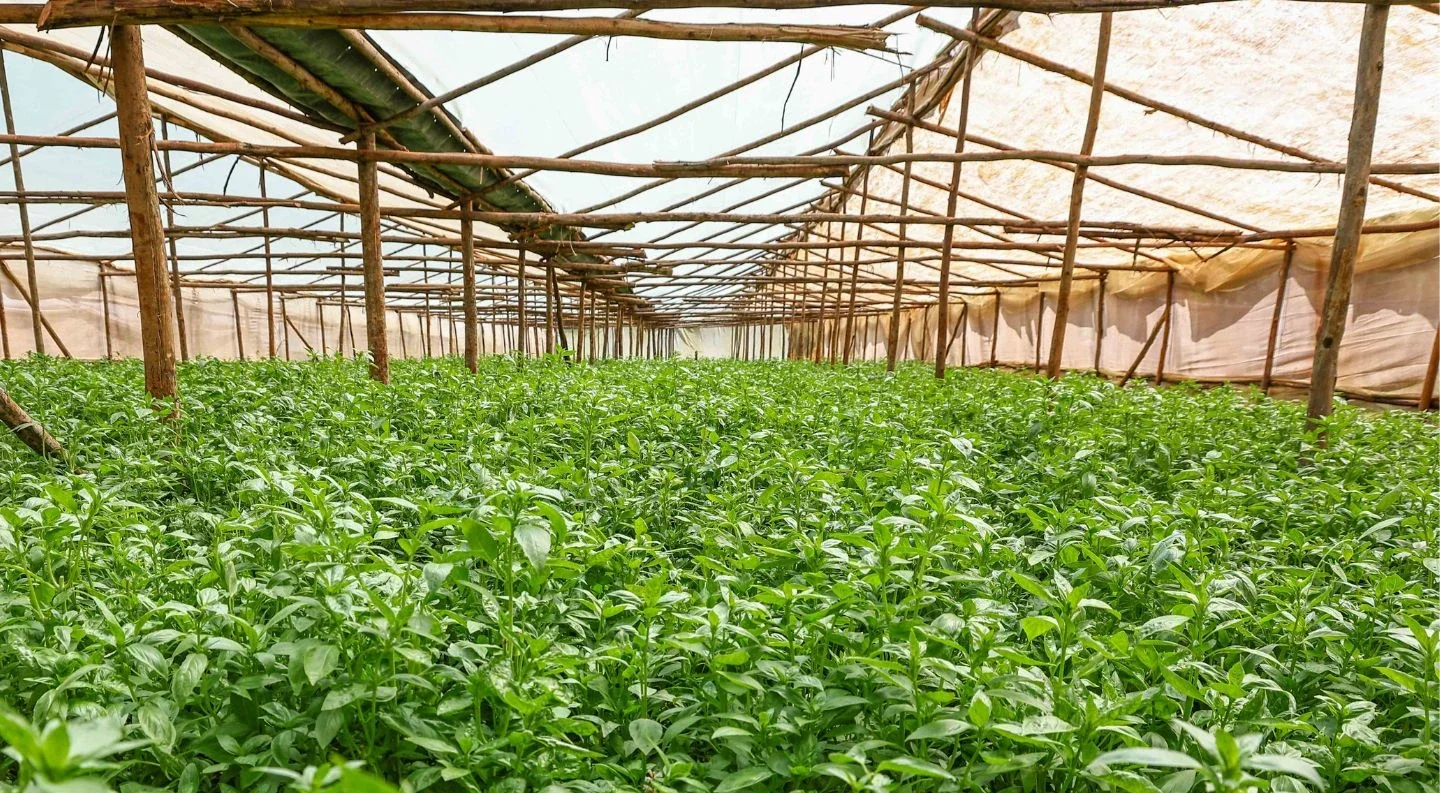
Build your growing space to support your chosen crops. Ensure your irrigation and shade structures match the specific requirements of your selected herb varieties.
Frequently asked questions about herb farming
What is the most profitable herb to grow and sell?
Basil, chives, and cilantro are consistently among the most profitable herbs to grow for commercial sales. Their rapid growth cycles and high demand in fresh markets make them ideal for beginners looking to generate quick returns. While saffron commands a higher price per pound, the labor intensity makes basil a more reliable entry point for new growers.
Can I make money selling herbs?
Yes, growing and selling herbs can be profitable even on a small scale. Herbs are versatile and serve culinary, medicinal, and cosmetic purposes, creating steady demand. You don't need a large farm to start; a focused approach on high-value varieties like rosemary or mint can yield strong margins with minimal overhead.
What herbs are in high demand?
Fresh-market herbs like sweet basil, cilantro, and flat-leaf parsley are staples in restaurants and grocery stores. For dried or potted sales, rosemary, oregano, and thyme remain perennial favorites. Growing these high-demand varieties ensures you are producing what buyers are actively seeking, reducing the risk of unsold inventory.
No comments yet. Be the first to share your thoughts!