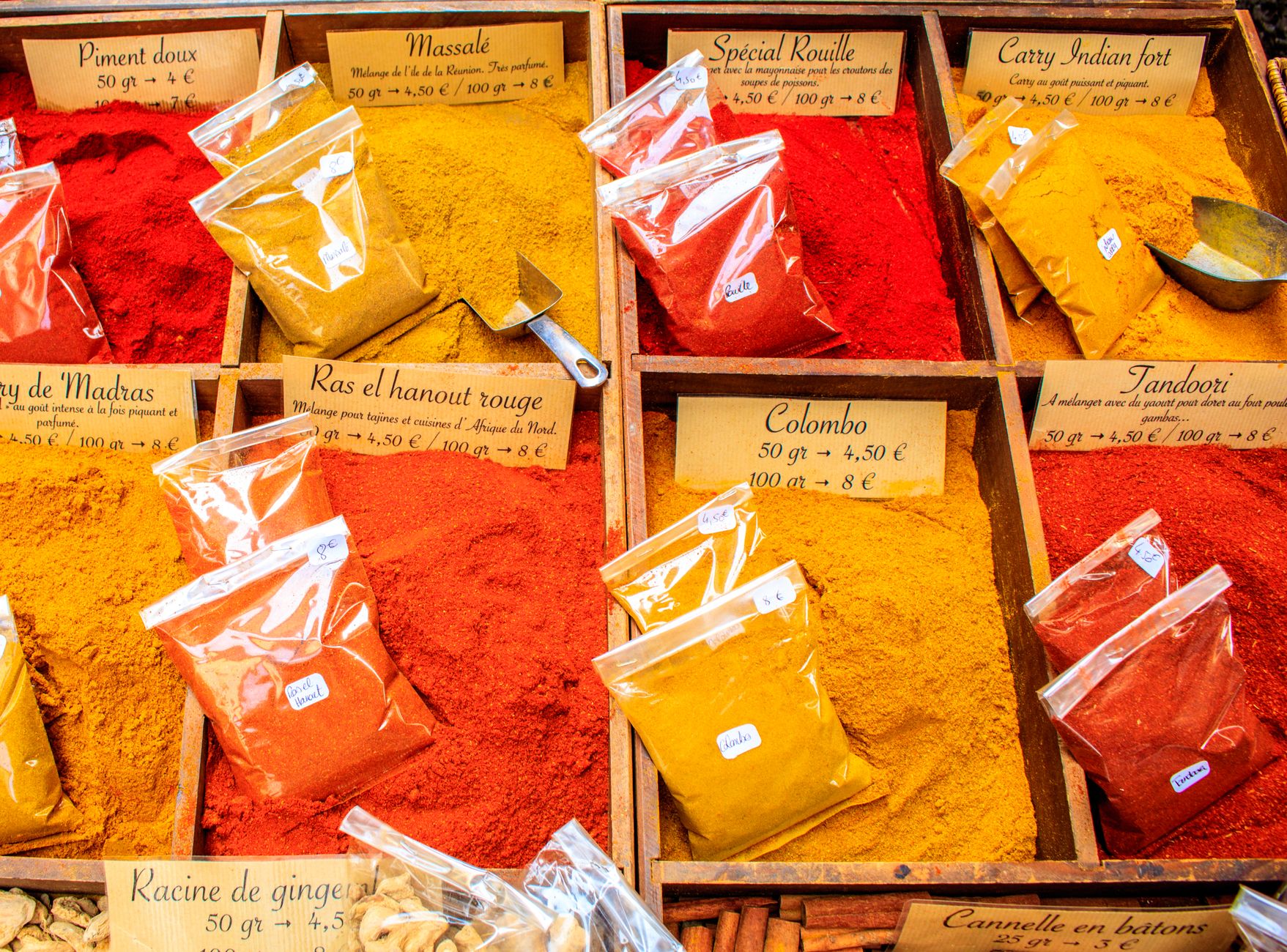

How to start an herb business: prerequisites
Before buying seeds or equipment, clarify your business model. You can grow herbs for direct sale, process them into teas or oils, or supply local restaurants. Each path requires different licenses, space, and marketing. Start with one niche to keep costs low and quality high.
Check local regulations early. Many areas require a business license and specific agricultural permits. If you sell food products like dried herbs, you may need a cottage food license or commercial kitchen approval. Contact your local county extension office for exact rules.
Secure your growing space. A sunny windowsill works for small batches, but consistent volume needs a greenhouse or outdoor plot with good drainage. Ensure you have access to clean water and storage for drying or packaging.
Build a simple financial plan. Calculate startup costs for soil, seeds, pots, and licenses. Estimate monthly expenses like water, electricity, and packaging. Set a sales price that covers these costs and leaves a profit margin.
Work through the steps
Starting an herb business requires a clear path from seed to sale. The following sequence covers the essential operational phases, from defining your product line to managing compliance and marketing.
Common Mistakes That Kill Herb Farming Profitability
Starting an herb business requires more than just planting seeds. Many new growers fail because they prioritize volume over value or ignore the specific needs of their chosen crop. These errors drain margins before the first harvest is even sold.
Skipping Market Research
The biggest mistake is growing what you like instead of what buyers want. A farmer might decide to grow basil because they enjoy pesto, but if local restaurants already have a reliable supplier, the market is saturated.
- The Fix: Talk to chefs, farmers market vendors, and grocery buyers before planting. Ask what varieties they are struggling to source.
- The Consequence: Growing generic parsley or cilantro in bulk often leads to price wars with large industrial farms. High-value, niche herbs like lemon balm or shiso command better prices.
Ignoring Microclimate and Soil
Herbs are sensitive to environmental stress. Planting rosemary in heavy, waterlogged soil is a guaranteed way to lose the crop to root rot. Similarly, growing sun-loving thyme in a shaded corner stunts growth and reduces essential oil concentration, which directly impacts flavor and scent.
- The Fix: Test your soil drainage and light exposure. Match the herb to the site, not the other way around.
- The Consequence: Poor quality produce is rejected by buyers who prioritize consistent flavor profiles.
Overlooking Post-Harvest Handling
Harvesting is only half the battle. Improper washing, drying, or storage can ruin hours of labor. For example, drying basil at high temperatures turns it black and destroys its flavor. Storing cut flowers without proper hydration leads to rapid wilting before they reach the customer.
- The Fix: Invest in proper drying racks, humidity-controlled storage, or cold chain logistics depending on your product.
- The Consequence: High spoilage rates eat into profits and damage your reputation with repeat customers.
Start herb business: what to check next
Before committing capital or land, clear up the regulatory and market basics. This section answers the most common objections readers raise when planning a new herb venture.
No comments yet. Be the first to share your thoughts!