
Pick your profit crops first
Choosing the right herbs is the difference between a hobby and a business. You need varieties that grow well in your local climate, have a proven market demand, and offer high margins relative to the labor required. Start by narrowing your focus to three or four distinct types to keep operations simple and manageable.
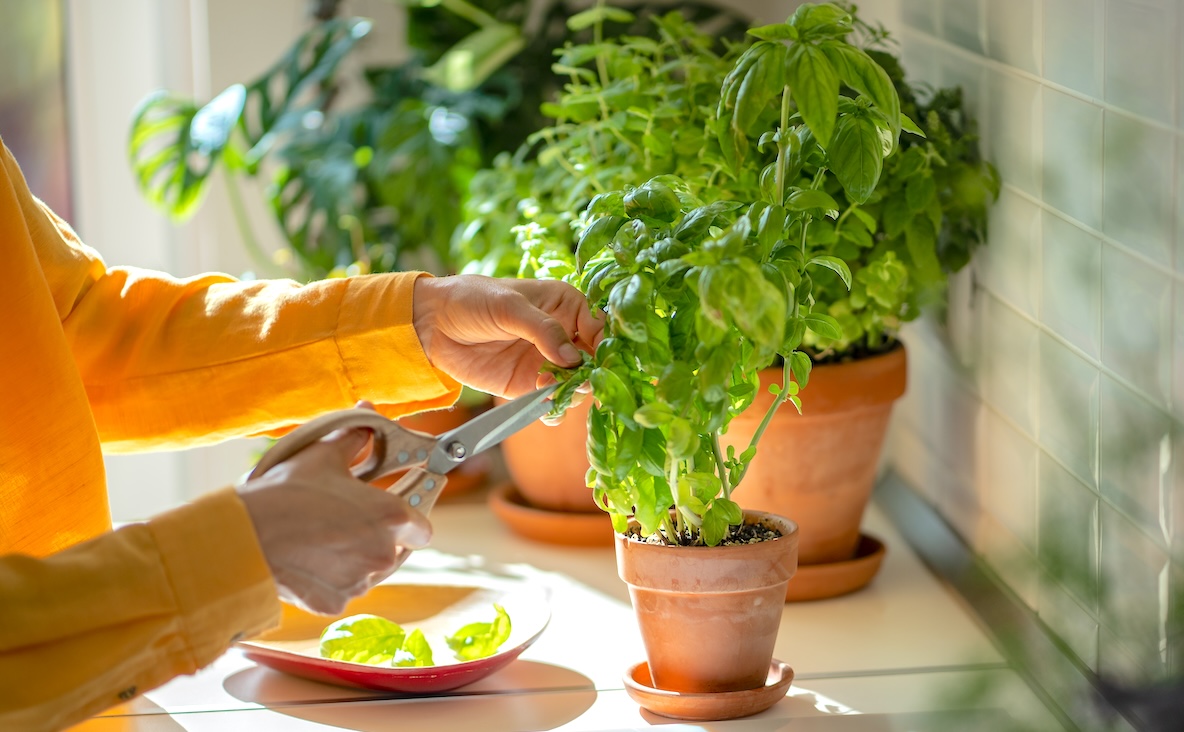
Don't chase trends you can't support. If your region is too humid for lavender, or your soil is too sandy for delicate cilantro, those crops will drain your resources rather than build your profits. Stick to what thrives locally. This reduces your risk of crop failure and lowers your input costs for water, fertilizer, and pest control. A focused, manageable selection allows you to perfect your growing and harvesting techniques before expanding.
Once you've selected your core varieties, verify they align with your business model. Are you selling fresh bundles, dried herbs, or starting value-added products like oils? Your crop choice should directly support your primary revenue stream. Keep your initial list short. You can always add more varieties once your infrastructure and customer base are established.
set up your growing infrastructure
Building a reliable growing environment is the foundation of a profitable herb business. You don't need a massive commercial facility to start; many successful operations begin with raised beds or a small high-tunnel greenhouse. The goal is to create a controlled space where you can manage water, temperature, and soil quality efficiently. This setup minimizes crop loss and ensures consistent quality for your buyers.
choose your growing structure
Your choice of structure depends on your budget and local climate. Raised beds are the most affordable entry point. They offer excellent drainage and make harvesting easier, which reduces labor costs. For longer growing seasons or protection from harsh weather, a simple hoop house or high-tunnel greenhouse is a smart investment. These structures extend your production window, allowing you to sell fresh herbs when market supply is low.
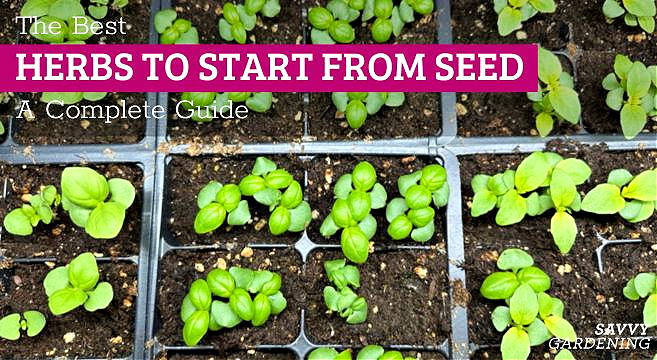
Clear the land of weeds and debris. Test your soil pH and nutrient levels before installing any structures. Good drainage is non-negotiable; herbs like basil and cilantro will rot in waterlogged soil. Level the ground to ensure even water distribution and easy access for harvesting tools.
Drip irrigation is the standard for commercial herb production. It delivers water directly to the roots, reducing waste and preventing leaf diseases that can ruin your crop. Set up a timer to maintain consistent moisture levels. Consistent watering is critical for flavor development; stressed herbs often become bitter or woody.
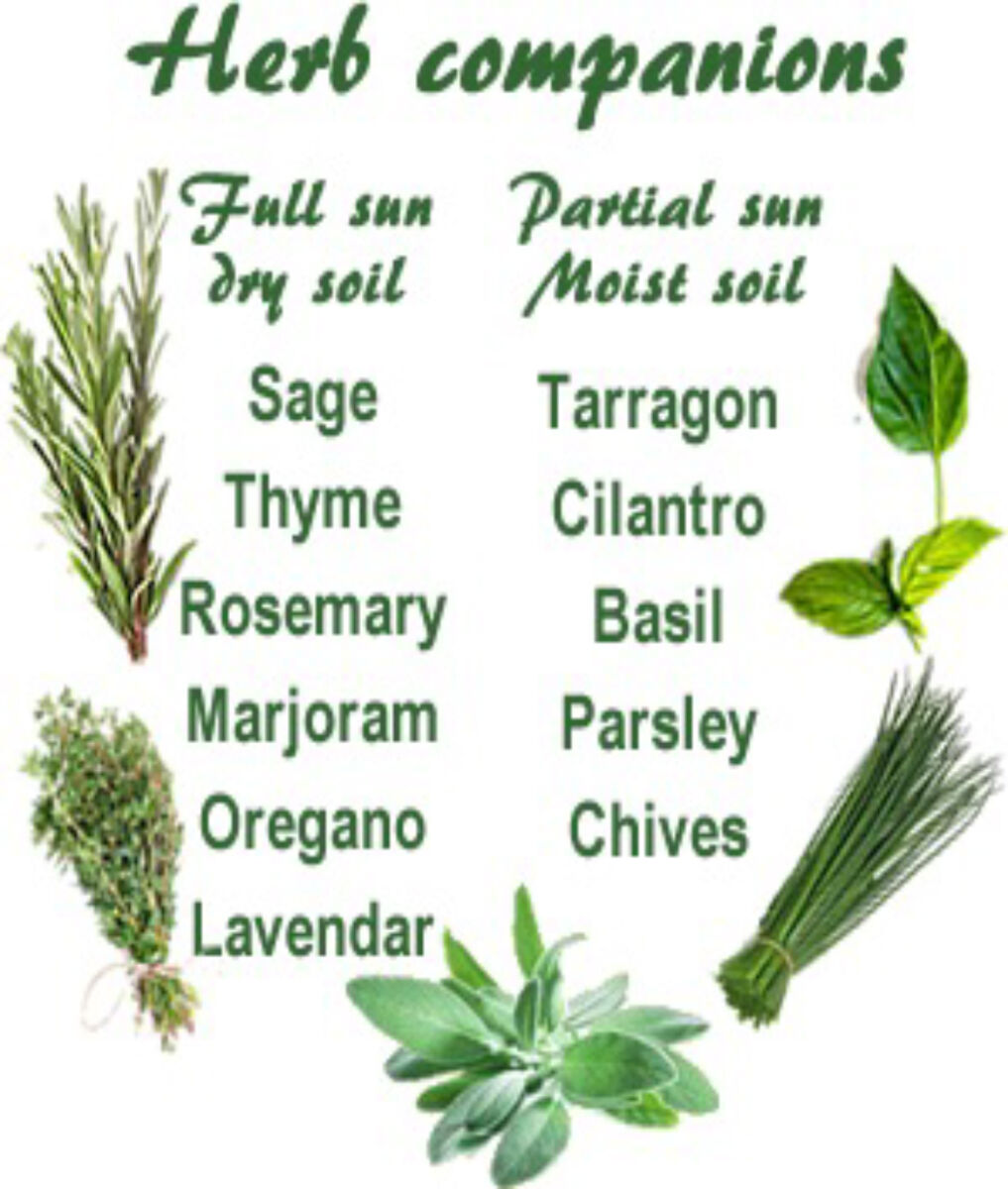
Build raised beds using untreated cedar or rot-resistant materials. Fill them with a high-quality, organic-rich soil mix tailored to your specific herbs. For example, Mediterranean herbs like rosemary prefer sandy, well-draining soil, while basil thrives in richer, moisture-retentive mixes. Space beds to allow for easy movement and airflow.
Start with hardy, high-demand varieties like basil, parsley, and cilantro. Space plants according to their mature size to prevent overcrowding, which leads to disease. Monitor growth closely during the first few weeks. Adjust your irrigation and shading as needed to acclimate the plants to your new infrastructure.
essential equipment for production
Beyond the beds and structure, you need specific tools to maintain efficiency. Pruning shears, hand trowels, and wheelbarrows are basic necessities. If you plan to dry herbs for sale, you will need a dehydrator or a dedicated drying rack with good airflow. A reliable scale and packaging materials are also critical for meeting buyer expectations. Investing in quality tools now saves time and reduces errors as you scale.
Handle licenses and local rules
Navigating the regulatory landscape is often the most daunting part of starting an herb business, but it is also the most critical. The rules governing your operations depend heavily on your location and exactly what you are selling. A product sold fresh from the garden falls under different regulations than dried herbs or processed teas.
Start by checking your state’s department of agriculture or health department websites. These agencies define whether your herbs are considered food, dietary supplements, or cosmetics, each with distinct compliance requirements. For instance, California requires additional product registration for certain herbal products, while Florida has specific permit requirements for manufacturing. New York imposes stricter labeling and testing standards.
If you plan to sell dried or processed herbs, you may need a food facility registration or a cottage food permit, depending on your state’s laws. Ensure your labeling meets FDA guidelines if your products make health claims. Skipping this step can result in fines or forced product recalls, so treat compliance as a foundational business expense, not an afterthought.
Build your sales channels
Selling herbs requires matching your product format to the right buyer. Fresh cut herbs have a short shelf life and need local, fast-moving channels like farmers markets or restaurant deliveries. Dried herbs, bouquets, or seed packets can ship nationally, opening up e-commerce and wholesale opportunities.
Sell at local farmers markets
Farmers markets offer immediate cash flow and direct feedback from customers. You need a sturdy display table, clear pricing signs, and cold storage to keep cut herbs crisp during hot days. Bring a variety of popular herbs like basil, cilantro, and parsley to attract first-time buyers.
Supply local restaurants and grocers
Chefs and local grocers value consistency and freshness. Start by identifying restaurants within a 20-mile radius that feature fresh herbs on their menus. Offer small, consistent deliveries of high-quality cut herbs. Build trust by being reliable and flexible with last-minute orders.
Launch an online store
Selling dried herbs, bouquets, or seed packets online allows you to reach customers nationwide. Use platforms like Etsy or Shopify to set up a simple storefront. Focus on high-margin items like dried lavender or rosemary bundles that ship easily without refrigeration.
Set up wholesale contracts
Wholesale deals provide steady income but require volume. Approach local gift shops, spas, or craft stores that sell herbal products. Negotiate bulk pricing that covers your packaging and shipping costs while leaving room for profit.
Set up a clean, organized table at your local market. Use buckets of water to keep cut herbs fresh and clear signs to show prices and herb names.
For online sales, use breathable packaging for dried herbs and sturdy boxes for bouquets. Include care instructions to help customers enjoy their purchase.
Keep a simple log of what sells best at each market or to each client. Use this data to adjust your planting schedule and product mix for the next season.
Check your business readiness
Start an Herb Business works best as a clear sequence: define the constraint, compare the realistic options, test the tradeoff, and choose the path with the fewest hidden costs. That order keeps the advice usable instead of decorative. After each step, pause long enough to check whether the recommendation still fits the reader's actual situation. If it depends on perfect timing, unusual access, or a best-case budget, include a simpler fallback.
The simplest way to use this section is to write down the real constraint first, compare each option against it, and choose the path that still works outside ideal conditions.
common questions about herb farming
Starting an herb business involves navigating specific regulatory and financial realities. Addressing these concerns early helps you avoid costly delays and ensures your operation is built on a solid foundation.
do i need a license to sell herbs?
Licensing requirements vary significantly by location and product type. You cannot assume a single national standard applies. For example, California requires additional product registration for certain herbal products, while Florida enforces specific permit requirements for manufacturing. New York imposes stricter labeling and testing rules. You must check your state’s agricultural and health department guidelines before planting or packaging.
can i make money selling herbs?
Herb farming is a viable income source, especially because it does not require large acreage. The primary advantage is flexibility. Unlike many fresh-market crops that must be sold immediately, herbs can be dried, stored, and sold well beyond the narrow window of a harvest day. This allows you to manage cash flow more effectively and reduce waste.
what are the startup costs?
Initial investment is generally lower than for traditional row crops. According to industry data, startup costs for a home-based or part-time herb farm typically range from $2,000 to $10,000. This covers essential infrastructure like greenhouse space, drying equipment, and initial seed stock. Many operations can begin part-time, allowing you to validate the market before scaling up.
how long does it take to become profitable?
Profitability timelines depend on your sales channel and post-harvest handling. Building a profitable herbal business often takes several months of planning and logistics refinement. You must line up your supply chain, validate your product with early customers, and analyze your margins. Most successful operators treat the first year as a validation period, tweaking their approach based on real-world sales data rather than expecting immediate high returns.
No comments yet. Be the first to share your thoughts!