
Get profitable herbs to grow right
Before planting, align your crop selection with your local climate, soil conditions, and buyer demand. Growing the wrong herb for your region is the fastest way to drain your budget. Start by checking your USDA hardiness zone and soil pH. Most culinary herbs prefer well-draining soil with a pH between 6.0 and 7.0. If your soil is heavy clay, amend it with compost or consider raised beds to prevent root rot.
Next, decide between annuals and perennials. Annuals like basil, cilantro, and dill provide quick turnover but must be replanted every season. Perennials like rosemary, thyme, chives, and mint return year after year, reducing long-term labor costs. Mint is particularly aggressive; always plant it in containers or isolated beds to prevent it from overtaking your garden.
Finally, verify your market. High-demand herbs like basil, cilantro, and specialty microgreens often command premium prices at farmers' markets or through CSA subscriptions. However, volume matters. If you plan to sell to restaurants, they may prefer consistent, smaller quantities of a few key varieties rather than a wide assortment. Choose 3–5 varieties to start, master their growing cycles, and expand as you learn.
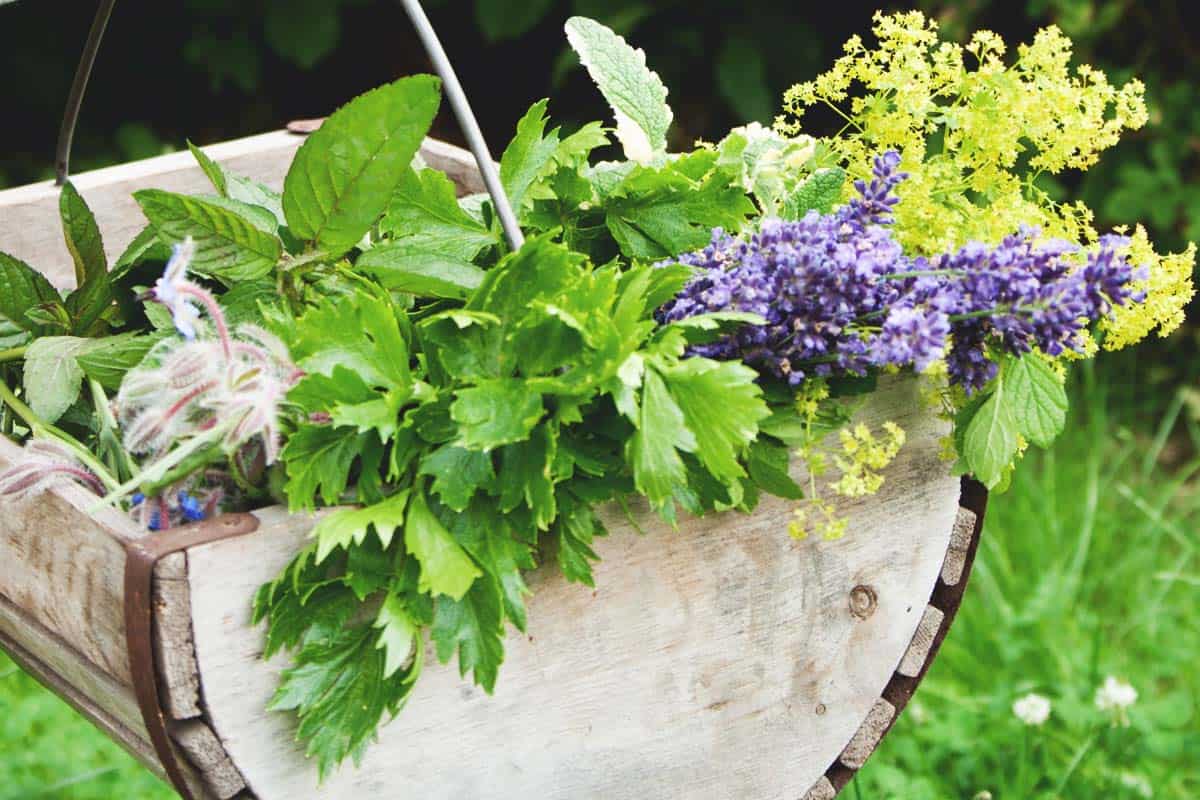
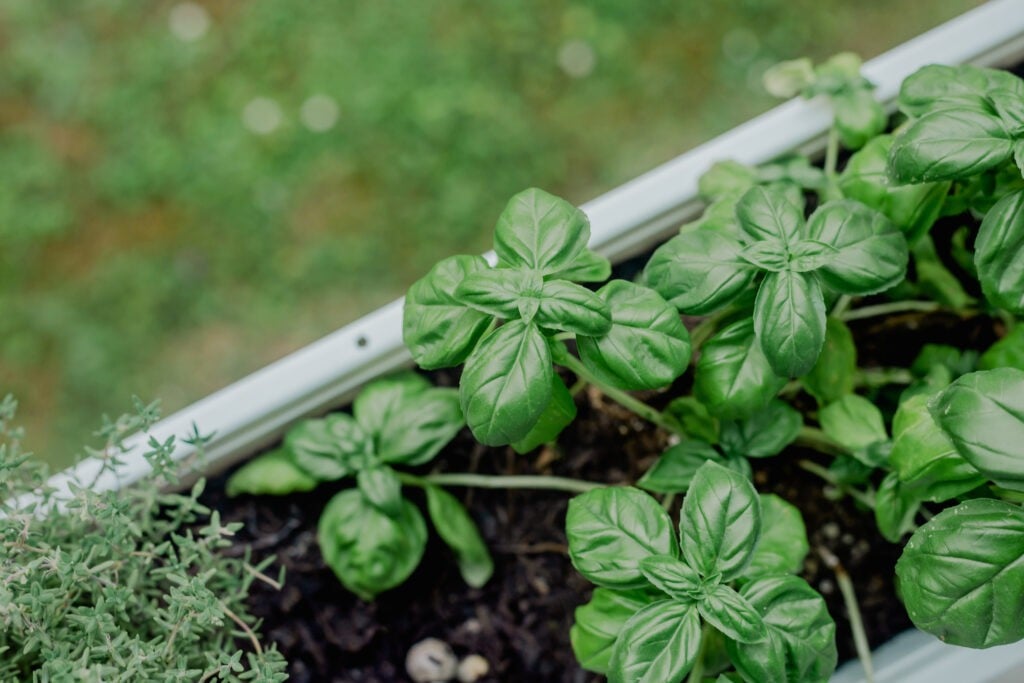
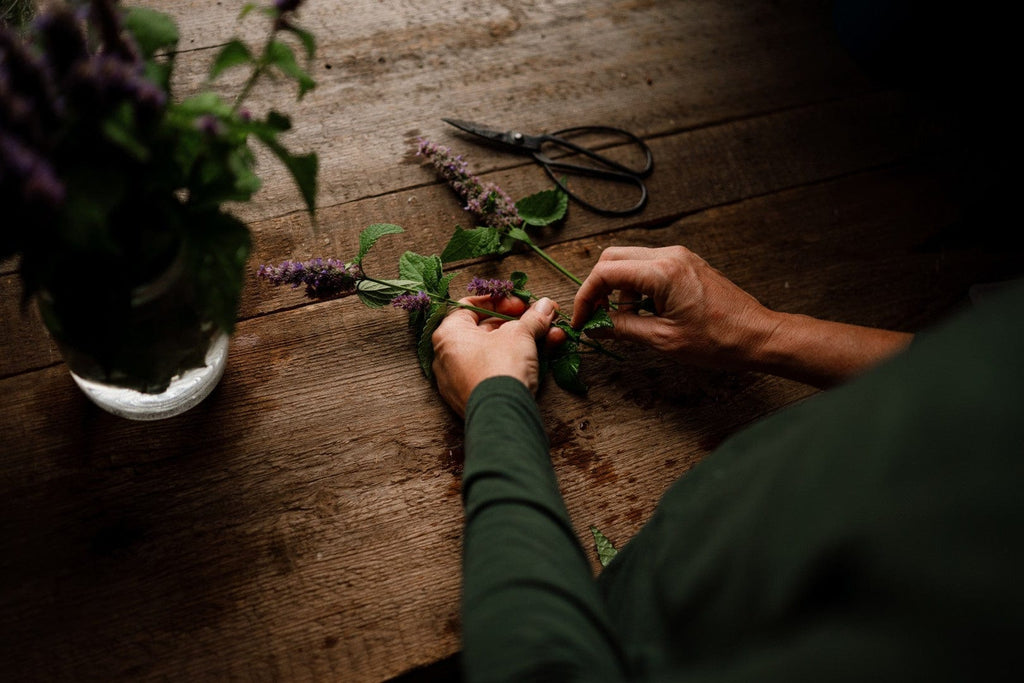
Grow high-margin herbs: a step-by-step guide
Turning a small plot into a cash crop requires more than just seeds; it demands a clear sequence from soil prep to harvest. This playbook walks you through the essential stages of starting an herb farm, focusing on high-value varieties like basil, cilantro, and perennial mint.
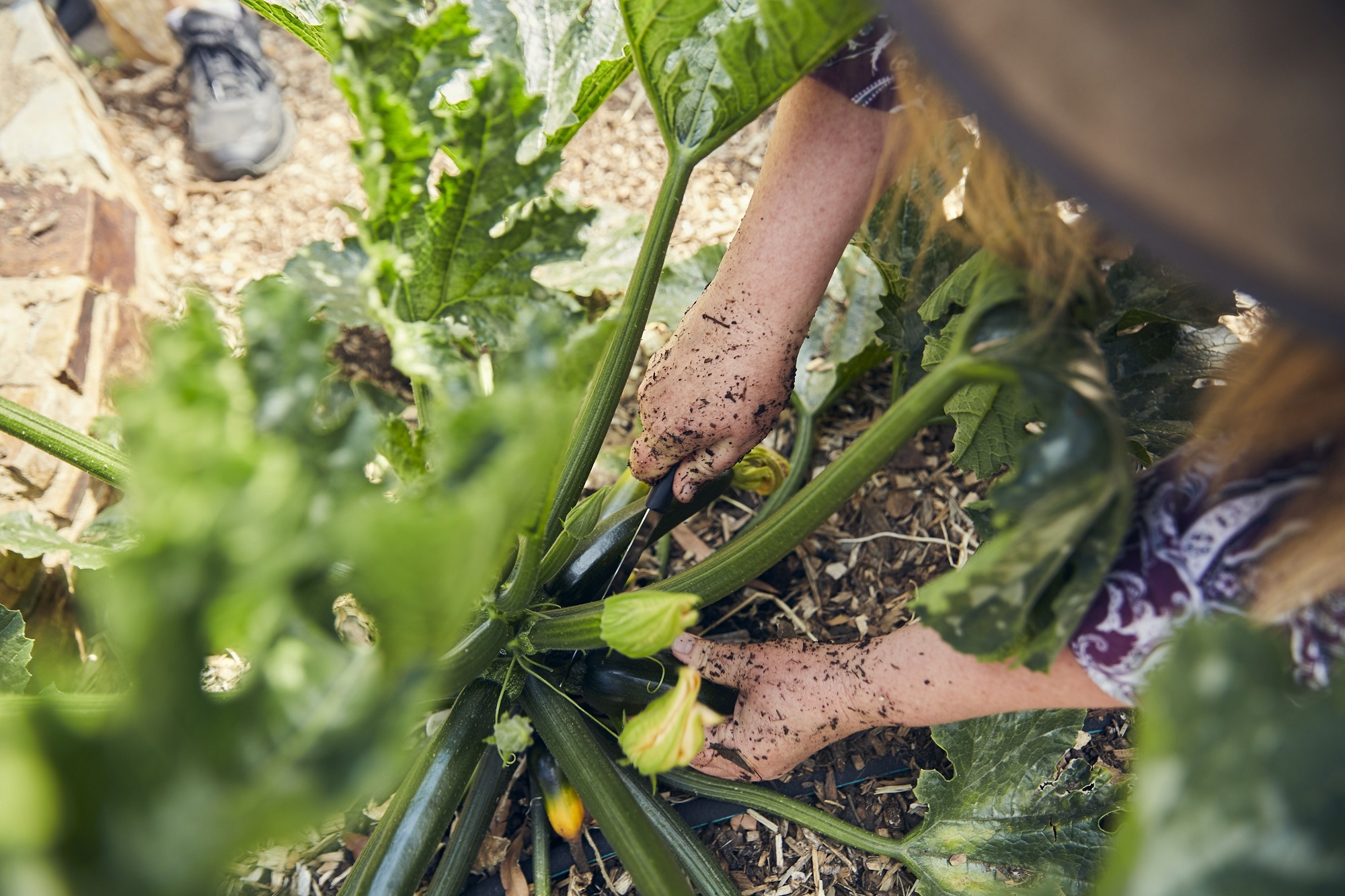
Herbs thrive in loose, well-draining soil rich in nutrients. Before planting, mix in aged compost or manure to improve texture and fertility. Avoid fresh manure, which can burn roots and introduce pathogens. Test your pH levels; most culinary herbs prefer a range between 6.0 and 7.0.
Focus on varieties with proven market demand. Basil and cilantro are annuals that offer quick turnover, while mint, lemon balm, and echinacea are perennials that return year after year. Research local restaurants and farmers' markets to identify which herbs command premium prices in your specific region.
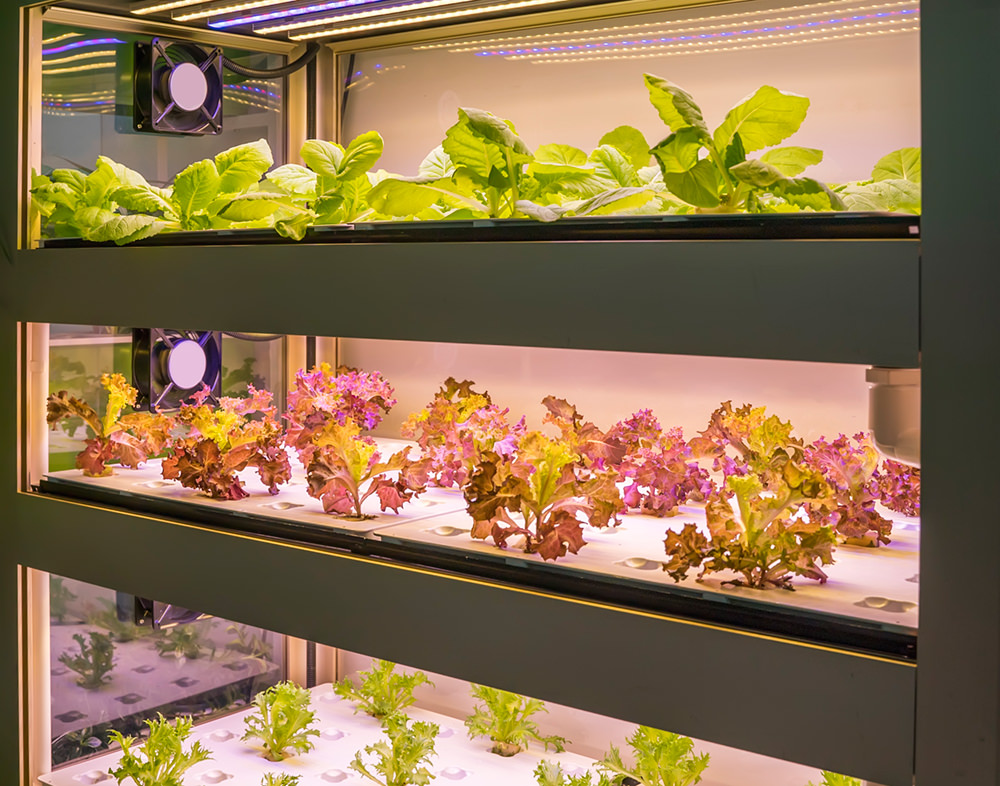
Crowding herbs leads to poor air circulation and increased disease risk. Follow seed packet instructions for spacing, typically 6-12 inches apart depending on the variety. Plant seeds at the recommended depth—usually twice the diameter of the seed—and keep the soil consistently moist until germination.
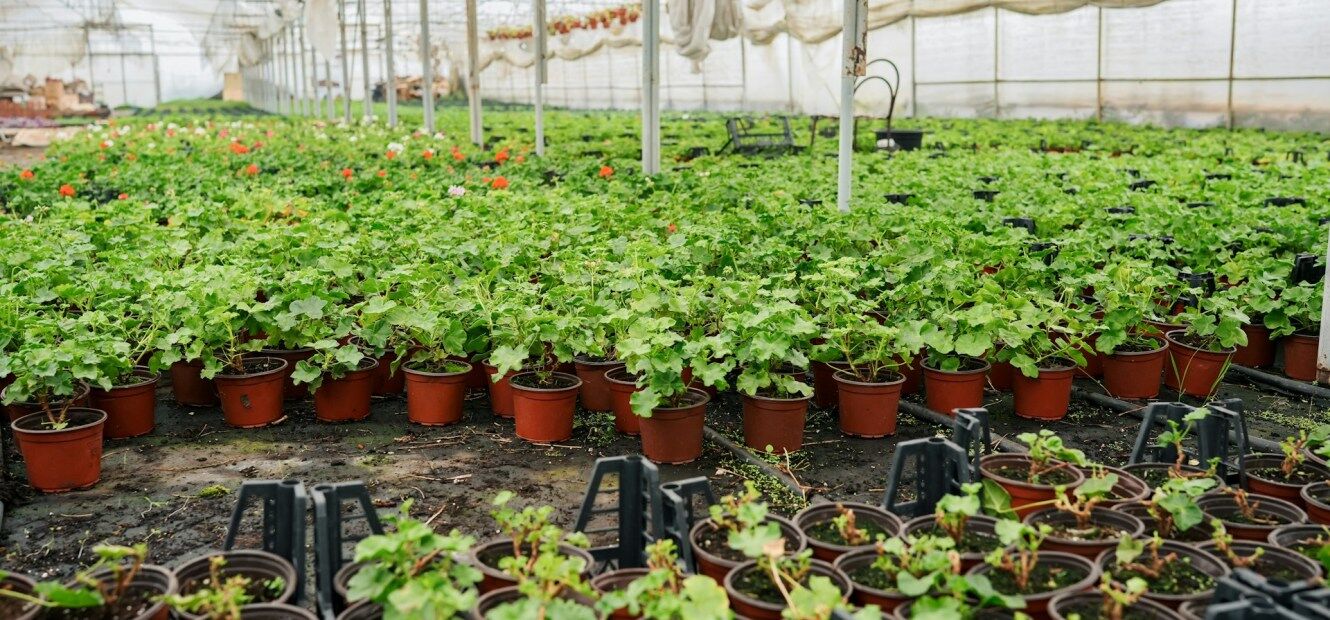
Overwatering is the most common mistake for new herb growers. Water deeply to encourage strong root growth, then allow the top inch of soil to dry out before watering again. Morning is the best time to water, reducing the risk of fungal diseases that thrive in evening moisture.
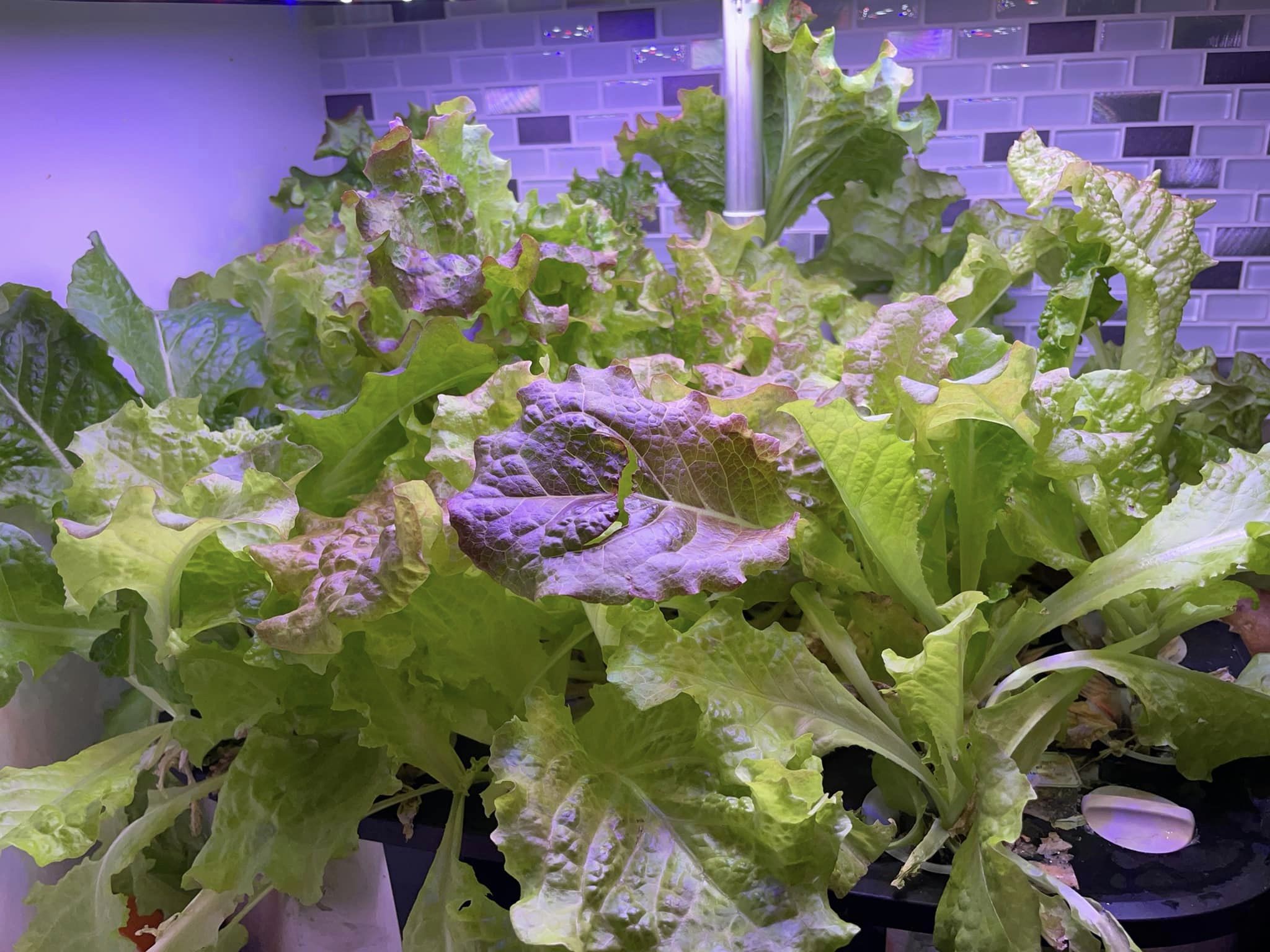
Harvest herbs in the morning after the dew has dried but before the midday sun volatilizes their essential oils. Use sharp, clean shears to cut stems just above a leaf node. This encourages bushier growth and ensures you are selling product at its highest flavor and aroma intensity.
Common Herb Farming Mistakes to Avoid
New entrepreneurs often treat herb farming like a standard vegetable crop, leading to preventable financial losses. The difference between a profitable operation and a failed one usually comes down to specific execution errors. By identifying these pitfalls early, you can protect your margins and ensure sustainable growth.
Poor Site Selection and Soil Preparation
Herbs are generally hardier than leafy greens, but they are not immune to environmental stress. Planting high-value varieties like basil or cilantro in heavy, clay-rich soil without proper amendments leads to root rot and stunted growth. Before planting, perform a comprehensive soil test. Most culinary herbs thrive in well-draining soil with a pH between 6.0 and 7.0. If your soil is too acidic, add lime; if it’s too alkaline, incorporate sulfur. Additionally, ensure the site receives at least six to eight hours of direct sunlight daily. Shaded areas reduce essential oil production, which directly lowers the flavor potency and market value of your harvest.
Incorrect Plant Spacing and Overcrowding
Overcrowding is a frequent error among new growers trying to maximize yield per square foot. While it might seem efficient, dense planting restricts air circulation, creating a humid microclimate that invites fungal diseases like powdery mildew and botrytis. These diseases can wipe out an entire crop overnight. Follow recommended spacing guidelines strictly. For example, basil plants should be spaced 8-12 inches apart, while rosemary needs 18-24 inches. Proper spacing allows air to flow freely, reducing humidity around the leaves and minimizing disease pressure. It also ensures each plant gets adequate light and nutrients, resulting in larger, higher-quality leaves that fetch better prices at market.
Neglecting Post-Harvest Handling
Harvesting is only half the battle; how you handle the herbs immediately after cutting determines their shelf life and marketability. Many new farmers harvest during the heat of the day, causing the herbs to wilt rapidly before they reach the customer. Harvest early in the morning when the essential oils are most concentrated and the plant turgor pressure is highest. Immediately after cutting, place the herbs in cool water or a hydro-cooler to rehydrate them. Avoid stacking harvested herbs in deep piles, which can crush the lower leaves and accelerate spoilage. Proper cooling and gentle handling can extend shelf life by several days, reducing waste and increasing your profit margin.
Inadequate Pest Management Strategies
Relying solely on reactive pesticide sprays is a costly mistake. Integrated Pest Management (IPM) starts with prevention. Use row covers to exclude pests like aphids and flea beetles before they establish populations. Introduce beneficial insects such as ladybugs and lacewings to naturally control pest outbreaks. Regularly scout your crops for early signs of damage. Early detection allows for targeted interventions that are less disruptive to the ecosystem and more effective. Avoid broad-spectrum pesticides that kill beneficial insects, as this can lead to secondary pest outbreaks that are harder to control. A proactive, biological approach is more sustainable and often more cost-effective in the long run.
Profitable herbs to grow 2026: what to check next
Choosing the right crop is the first step toward a profitable farm. The market favors herbs that chefs use daily and wellness brands need in bulk. Focus on high-turnover culinary staples for quick cash flow, and reserve space for perennial medicinal herbs that pay out over multiple seasons.
No comments yet. Be the first to share your thoughts!