Pick the highest value herbs
Choosing which profitable herbs to grow starts with matching your local market demand to crops that offer strong margins. While many gardeners think of basil and cilantro as standard staples, looking at higher-value options like saffron or medicinal nettle can significantly boost your revenue potential from day one.
Basil remains a reliable workhorse for fresh-market sales, particularly in regions with a strong restaurant culture. It grows quickly, allowing for multiple harvests per season, and sells well at farmers markets or to local chefs. Its high turnover rate makes it an excellent entry point for beginners looking to understand the flow from seed to sale.
For those willing to invest more labor for higher returns, saffron stands out as the most expensive culinary herb in the world. It commands prices between $5,000 and $10,000 per pound, though it requires careful handling and specific growing conditions. Similarly, medicinal herbs like nettle are gaining traction in the wellness market, offering niche buyers a reason to pay a premium for organic, locally sourced products.
To help you decide where to start, here is a comparison of three distinct herb categories based on their market potential and growth requirements.
| Herb | Profit Margin | Growth Difficulty | Primary Market |
|---|---|---|---|
| Sweet Basil | Medium | Easy | Restaurants & Markets |
| Saffron | Very High | Hard | Specialty Retail |
| Medicinal Nettle | High | Medium | Wellness & Tea Shops |
Set up your growing system
Choosing the right cultivation method and preparing the soil correctly are the first steps toward turning profitable herbs to grow into a viable business. Whether you opt for a greenhouse or a field, the goal is to create a controlled environment that maximizes yield and quality. This setup phase sets the foundation for everything that follows, from planting to harvesting and selling.
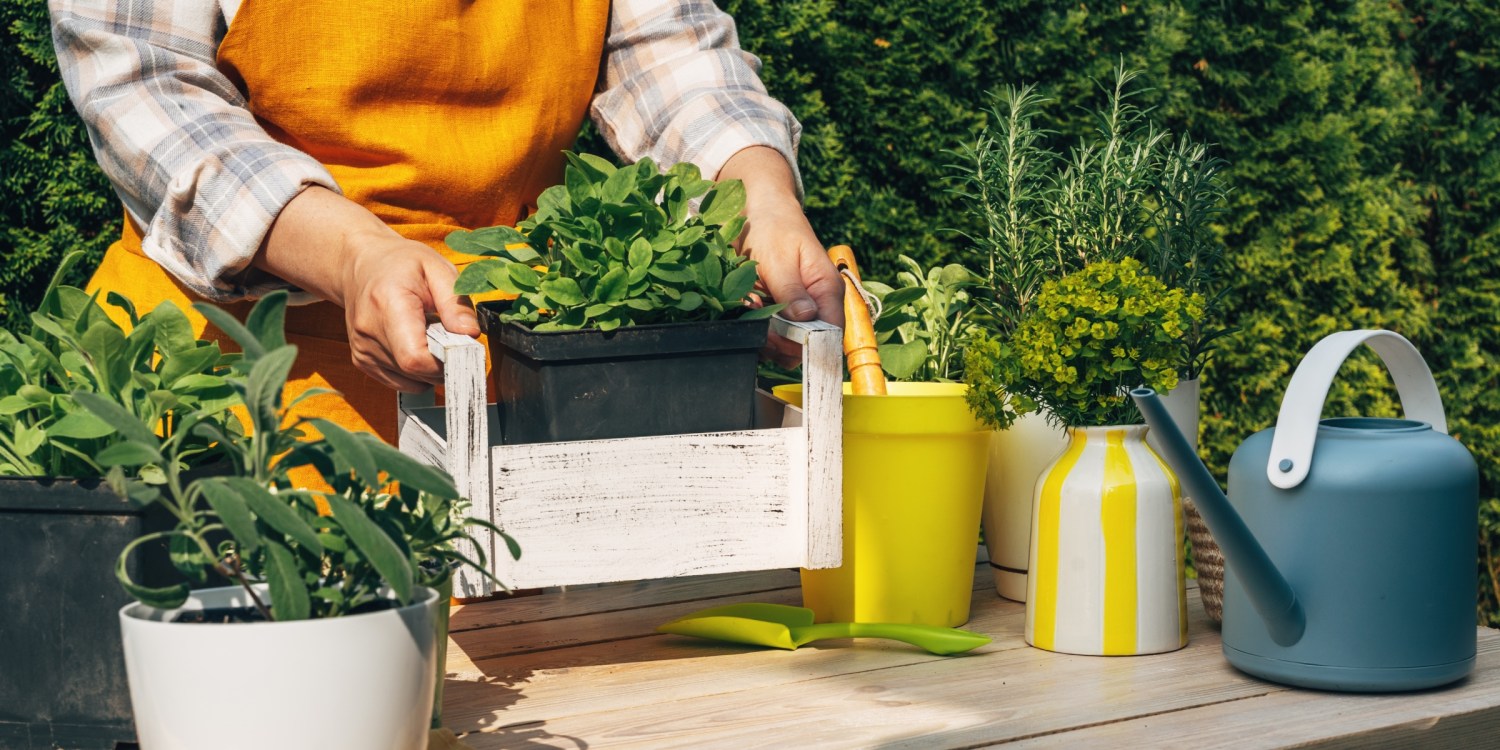
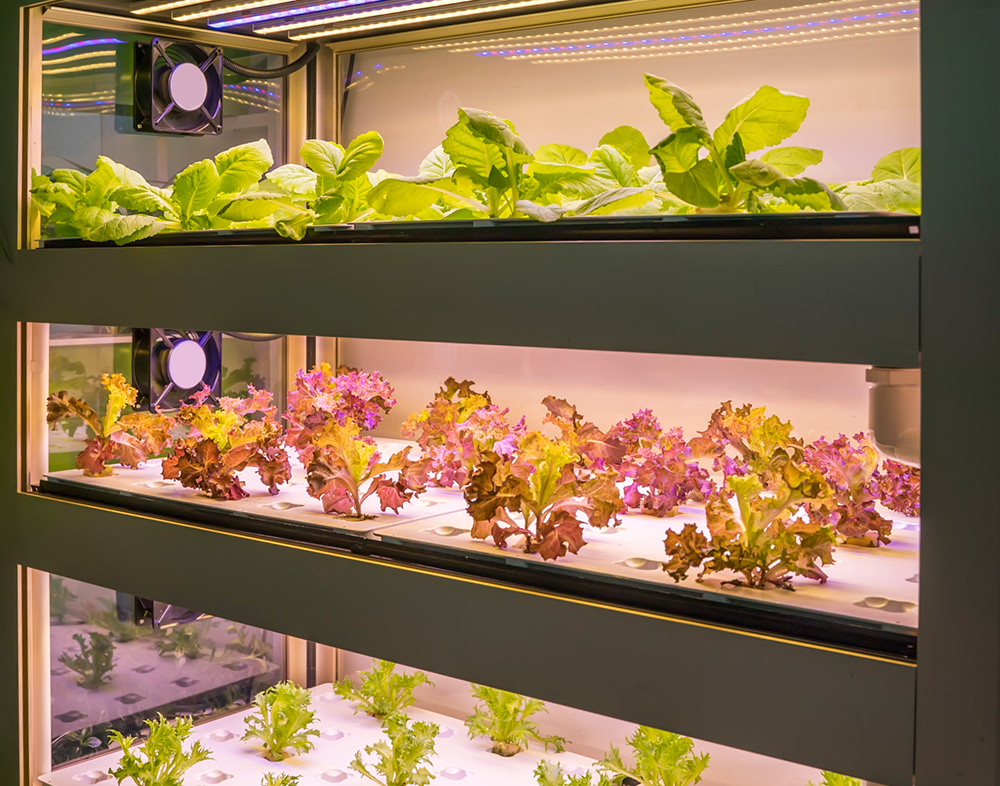
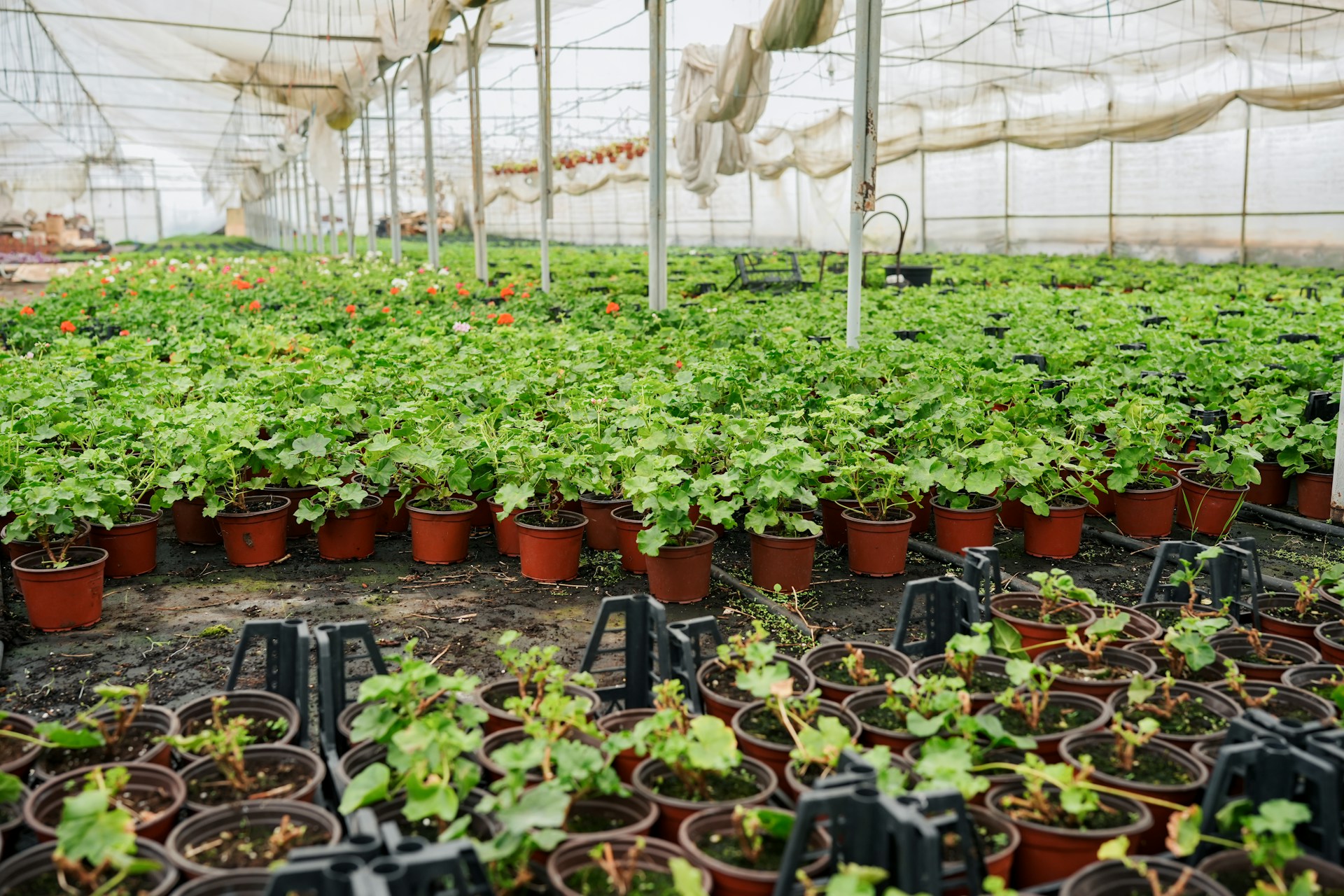
Start by deciding between a greenhouse and field cultivation. Greenhouses offer climate control, allowing you to grow sensitive herbs like basil year-round, while fields are better suited for hardy varieties like rosemary or fennel that thrive in open conditions. Consider your local climate, market demand, and initial investment when making this choice.
Soil preparation is critical for healthy herb growth. Test your soil pH and nutrient levels, and amend it with organic matter like compost to improve fertility and drainage. For greenhouse cultivation, consider using container systems or raised beds for better control over soil conditions.
Choose herbs that align with your market and growing system. High-demand options include basil, saffron, and nettle, each with unique growth requirements and market opportunities. Source high-quality seeds or seedlings from reputable suppliers to ensure strong germination and early growth.
Plant your herbs according to their specific spacing and depth requirements. Water thoroughly after planting and monitor for pests or diseases. Establish a consistent care routine to support healthy growth and prepare for future harvests.
By following these steps, you will have a solid foundation for growing profitable herbs to sell. Remember, consistency and attention to detail in the early stages will pay off in higher yields and better quality products.
Care and Harvest for Premium Quality
Growing profitable herbs to sell isn't just about getting seeds in the ground; it's about managing the plant's energy to maximize flavor and shelf life. A well-cared-for crop commands higher prices at the farmers market or from local chefs. When you focus on the details of care and harvest, you turn a simple garden patch into a reliable income stream.
Water and Feed for Flavor
Basil and cilantro are thirsty, but they hate "wet feet." Consistent moisture keeps leaves tender and prevents bolting, which turns basil bitter and ruins the crop. Use a balanced, organic fertilizer early in the season, but cut back as you approach harvest. Too much nitrogen makes lush, watery leaves with weak flavor—buyers can taste the difference. For medicinal herbs like nettle, which is a best-seller for teas and tinctures, lean soil often produces more potent compounds than rich, fertilized ground.
Timing the Harvest
The clock matters as much as the soil. Harvest leafy herbs like basil and mint in the morning after the dew dries but before the midday heat. This is when essential oils are most concentrated, giving your product that fresh, potent punch. For root-based medicinal herbs like burdock or mullein, wait until the plant's energy has moved into the roots, usually in late fall or early spring. Harvesting at the wrong time results in a product that looks good but lacks the potency or flavor customers expect.
Clean Cuts and Quick Cooling
Use sharp, clean shears to avoid crushing stems, which can introduce bacteria and speed up rot. Bundle herbs loosely to allow air circulation. Immediately move your harvest into the shade and cool it down. A quick dip in ice water (hydrocooling) can extend the shelf life of delicate greens like cilantro by several days. For high-value crops like saffron, which requires hours of labor to harvest, handling the stigmas gently and drying them immediately is the only way to protect your investment.
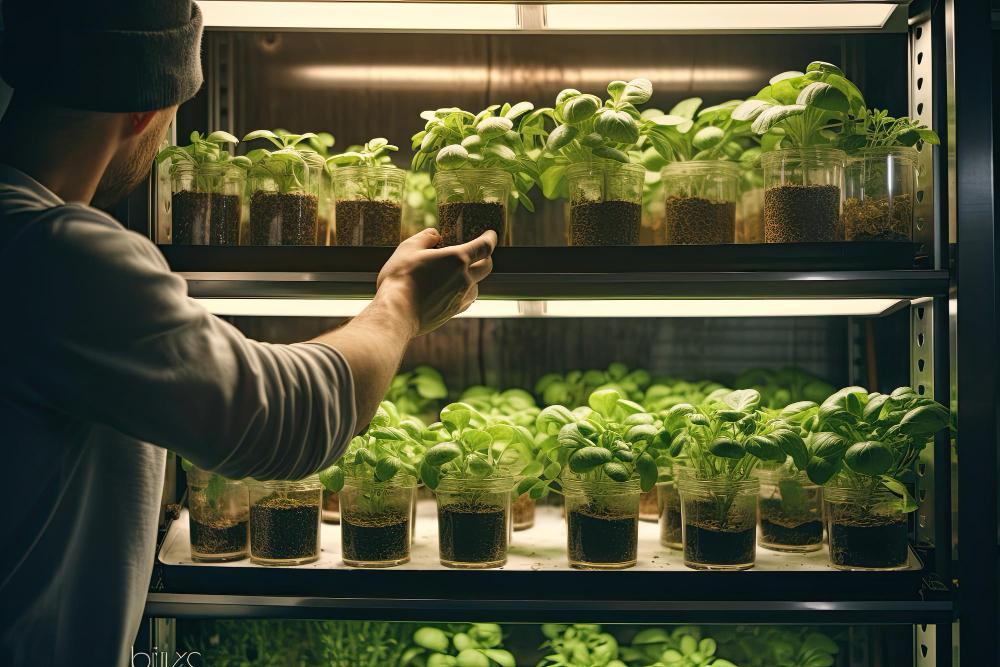
Ensure soil is consistently moist but not waterlogged. Reduce nitrogen fertilizer two weeks before harvest to boost flavor concentration.
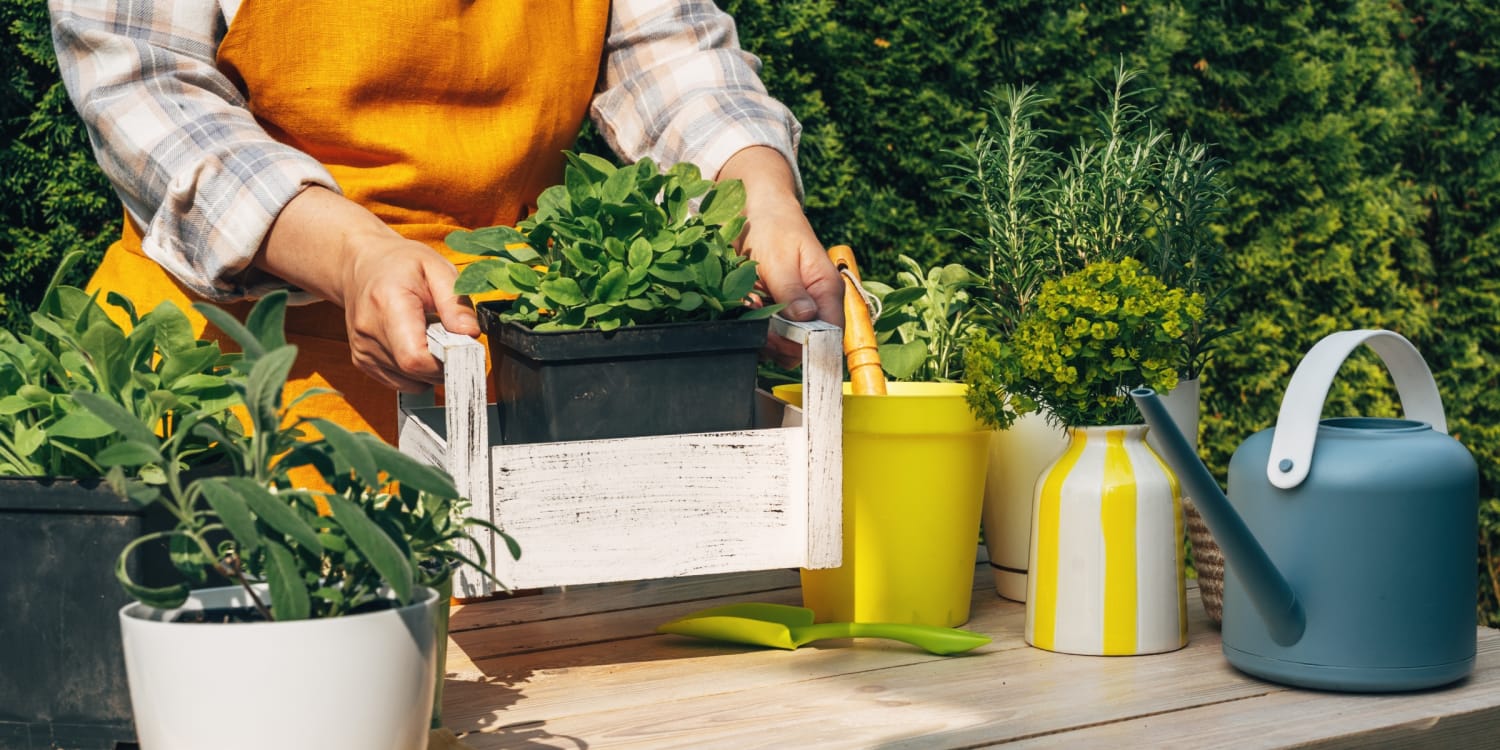
Harvest leafy herbs in the cool morning hours. Use sharp shears for clean cuts, leaving enough stem for rebatching.
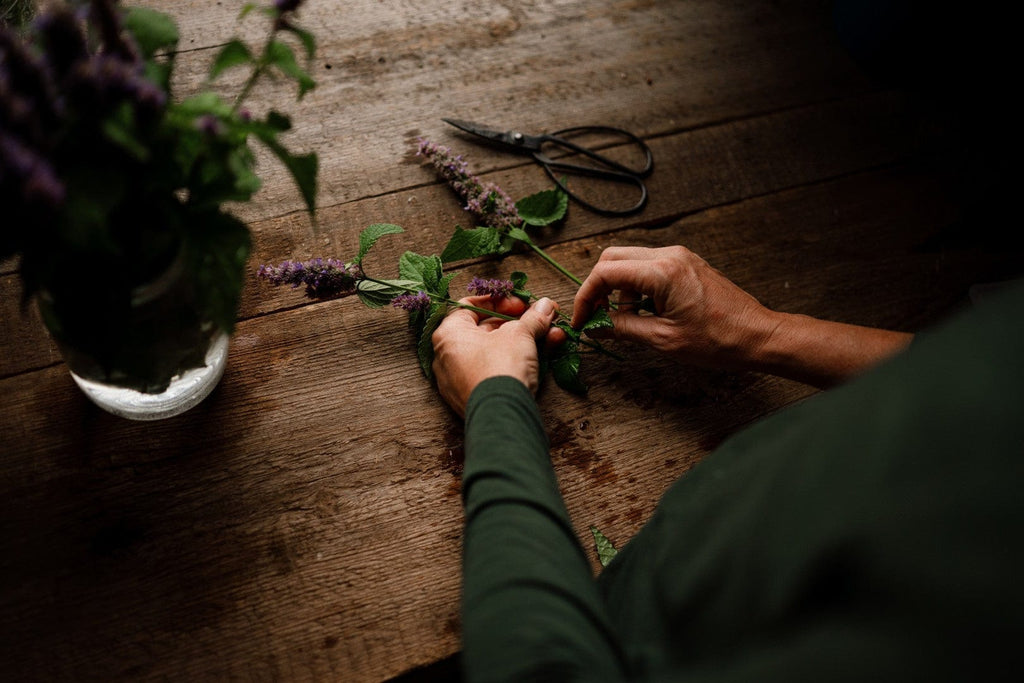
Submerge bundles in ice water for 15-20 minutes to remove field heat and extend shelf life for sale.
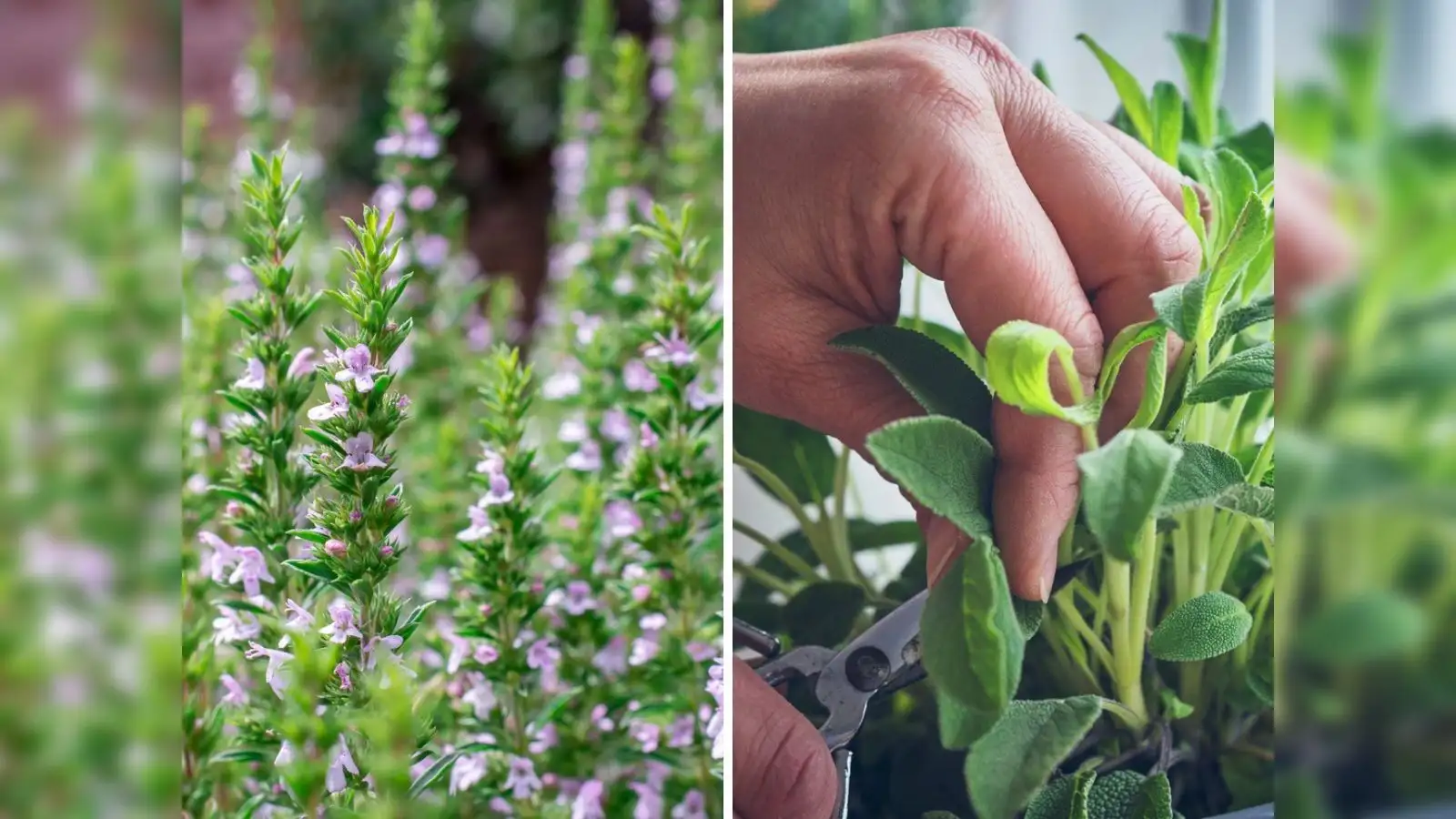
Dry medicinal herbs like saffron or nettle immediately in a dark, airy space. Package in airtight containers to preserve potency.
Package and sell your herbs
Your harvest is fresh, but the product isn't ready for the market until it's properly prepped. For profitable herbs to grow, the difference between a wilted loss and a premium sale often comes down to post-harvest care. Treat your crops like a commercial product from day one, and your customers will notice the quality.
Clean, bundle, and chill
Start by gently washing your herbs to remove soil and debris, then spin them dry immediately. Moisture is the enemy of shelf life. Bundle them tightly with rubber bands or biodegradable ties, then place them in a cooler or refrigerator at roughly 34–38°F (1–3°C). This cold chain preserves the vibrant color and potent oils in high-value crops like basil, saffron, and nettle.
Choose your sales channel
Decide where your herbs will go. Direct-to-consumer sales at farmers markets offer the highest profit margins but require more labor. B2B sales to local restaurants provide steady volume but often come with stricter quality and consistency requirements. Many growers mix both approaches to balance risk and reward.
Pre-market checklist
Before you head to market, verify these essentials to ensure your herbs look their best and comply with local regulations:
-
Herbs are washed, dried, and cold-stored.
-
Bundles are uniform in size and weight.
-
Labels include herb name, grower contact, and harvest date.
-
Packaging is clean, breathable, and eco-friendly.
-
Sales tax and business permits are current.
Common mistakes to avoid
Even the best seeds can fail if the plan is flawed. New growers often chase high-value crops like saffron without realizing the harvesting labor is manual and exhausting. While saffron can yield thousands per pound, it requires picking every stigma by hand at dawn. If you cannot handle that intensity, stick to basil, which grows fast and sells steadily.
Another frequent error is planting too much too soon. It is better to start with a few rows of rosemary and oregano to test your market. These hardy herbs forgive minor mistakes and have a reliable customer base. Overcrowding leads to poor air circulation and disease, which ruins your entire batch before you can sell anything.
Finally, many beginners focus only on growing and forget to plan the sale. You need to know who will buy your herbs before you plant them. Talk to local chefs or set up a stall at the farmers market first. This sequence—plan the sale, then grow the crop—keeps your profits healthy and your waste low.
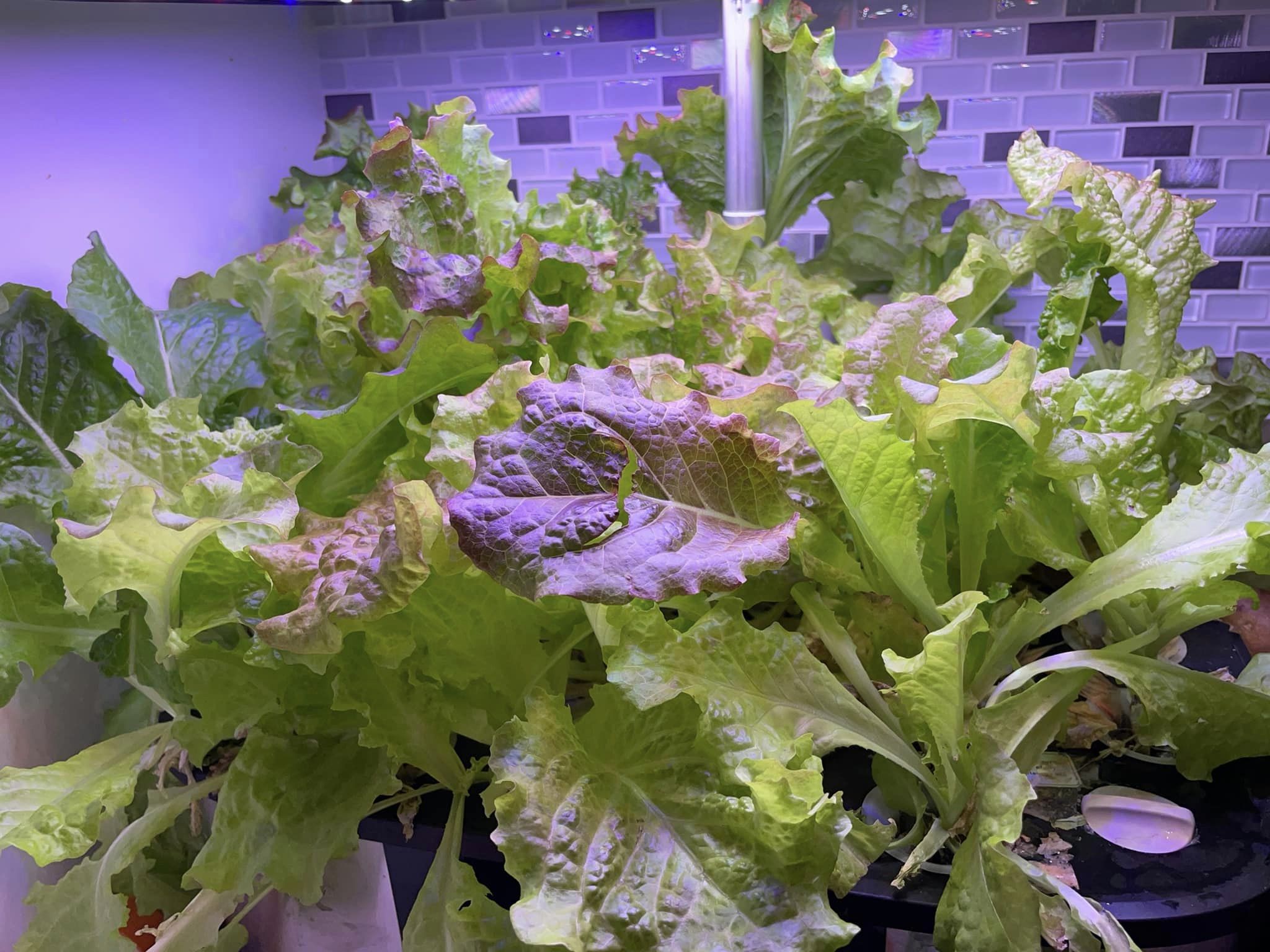
Begin with basil or mint. These herbs are forgiving and have a quick turnover, allowing you to learn the basics of commercial growing without high risk.
Before planting large quantities, talk to local buyers. Knowing who will purchase your herbs helps you plan exactly how much to grow.
Once you are confident, try saffron or ginseng. Only move to these labor-intensive crops after you have mastered the basics of growing and selling.
No comments yet. Be the first to share your thoughts!