
Pick high-margin herb varieties
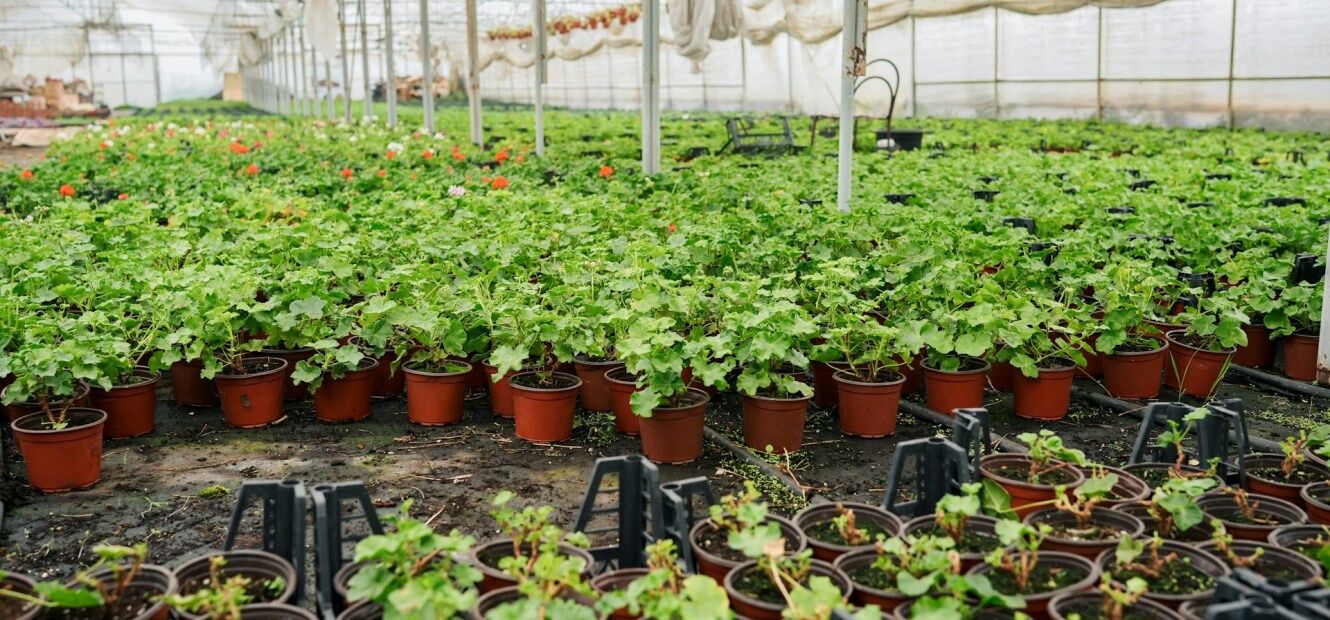
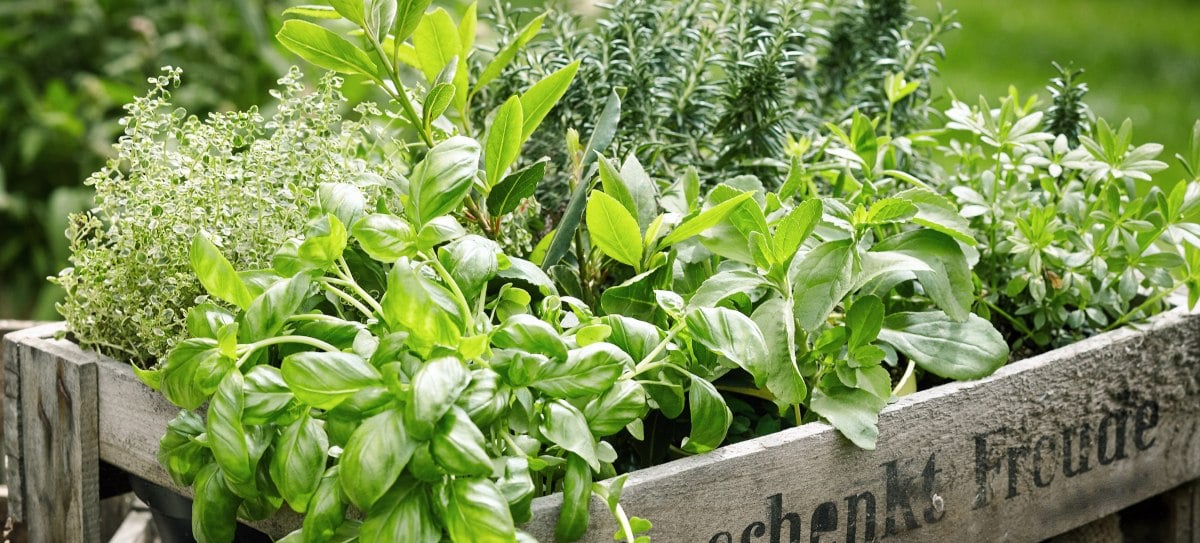
Selecting the right crops is the first step toward building a profitable herb farming business in 2026. While culinary staples like basil, dill, and parsley remain reliable volume drivers—especially for restaurant chefs who purchase by the pound—the highest profit margins often come from herbs that scale better or command premium pricing. Rosemary and lavender, for instance, thrive in coastal climates and offer higher per-unit value than leafy greens, making them ideal for growers looking to maximize yield per square foot.
The following comparison table breaks down the top four profitable herbs to grow in 2026, highlighting yield potential, market price, and growth cycles to help you plan your planting schedule effectively.
| Herb | Yield per Sq Ft | Market Price (per lb) | Growth Cycle |
|---|---|---|---|
| Basil | High | $8–$12 | 6–8 weeks |
| Cilantro | Medium | $6–$9 | 4–6 weeks |
| Rosemary | Medium | $15–$20 | 6–9 months |
| Lavender | Low | $25–$35 | 6–12 months |
Basil and cilantro offer rapid turnover, allowing for multiple harvests within a single season. This makes them excellent for beginners who need quick cash flow to cover initial operating costs. However, their shorter growth cycles require diligent succession planting to maintain a consistent supply for buyers.
Rosemary and lavender, while slower to mature, provide a more stable long-term investment. Once established, these perennial herbs require less frequent replanting and can be harvested over several years. Their higher market price per pound compensates for the longer wait, making them ideal for growers with access to larger plots of land or those targeting the essential oils and dried herb markets.
Calculate startup and operating costs
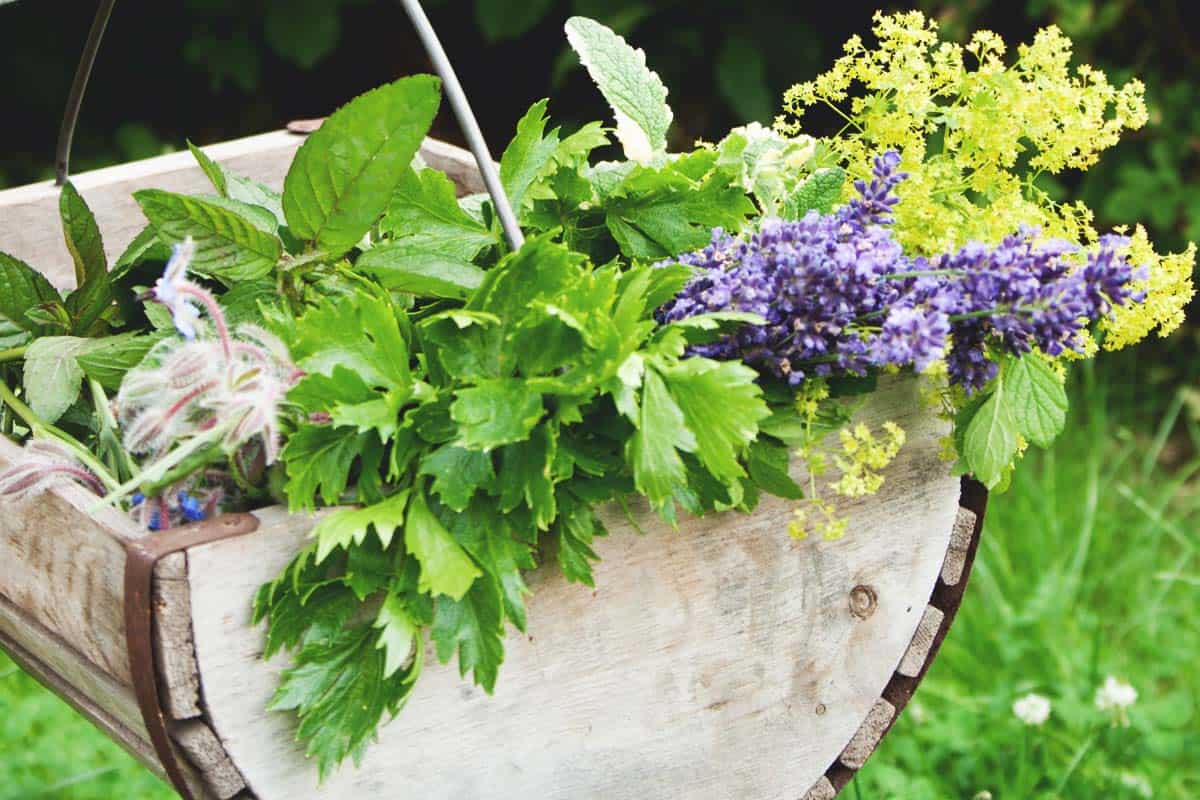
Starting a farm for profitable herbs to grow 2026 requires a clear view of your financial runway. Unlike annual crops that require full replanting every season, perennial herbs like rosemary, thyme, and lavender spread their initial investment over multiple harvests. This difference shifts the focus from recurring seed costs to upfront infrastructure. You need to account for land preparation, irrigation systems, and specialized packaging before your first sale.
The largest variable is your scale. A backyard operation might start with $500 for raised beds and soil amendments, while a commercial plot exceeding an acre requires heavy machinery and drip irrigation networks that can exceed $10,000. Labor is another silent cost. Even if you do the work yourself, assign an hourly wage to your time to understand the true break-even point. Packaging and branding, often overlooked by beginners, typically consume 15-20% of the final retail price.
Use the calculator below to model these expenses. Adjust the inputs based on your specific region and chosen herb varieties. Basil and cilantro have low startup costs but high labor turnover, whereas woody herbs demand higher initial capital but offer lower maintenance fees once established.
Select essential farming equipment
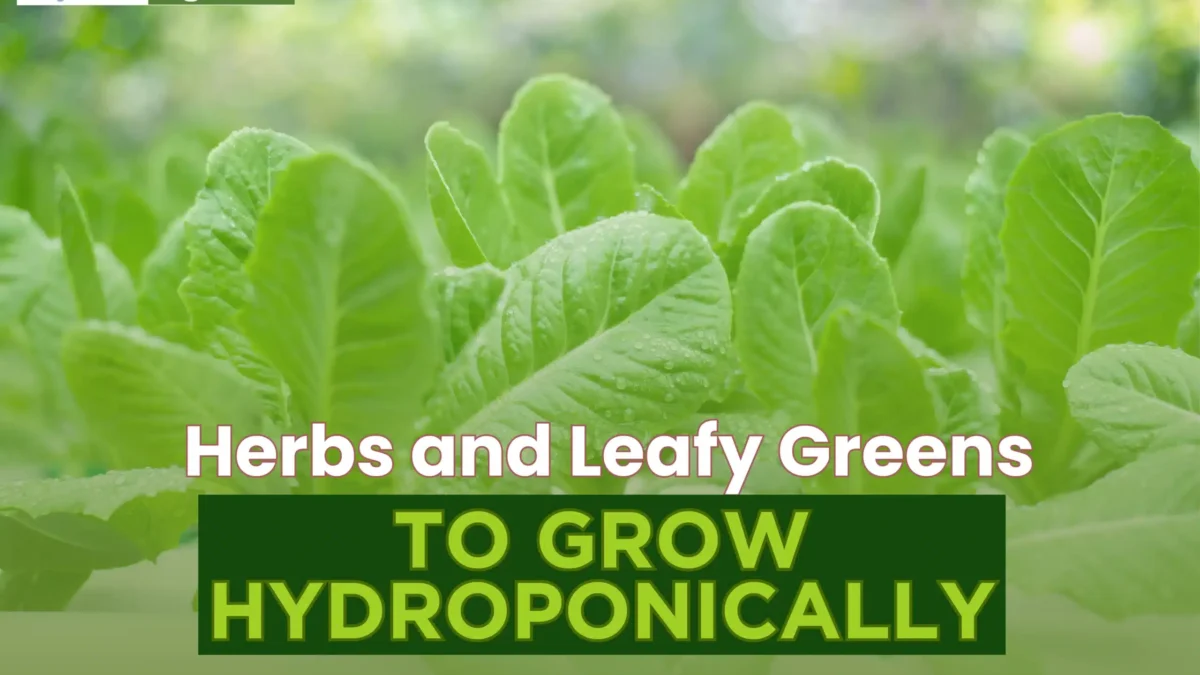
Starting a profitable herb farm requires more than seeds and soil. You need infrastructure that supports high-yield varieties like basil, dill, and parsley. These crops are often sold by the pound to restaurant chefs, meaning volume and consistency are non-negotiable. The right tools minimize labor costs and maximize harvest efficiency.
Irrigation and Climate Control
Water is your most critical input. Drip irrigation systems deliver precise amounts directly to the root zone, reducing waste and preventing fungal diseases common in dense herb plantings. For indoor or greenhouse operations, automated climate control maintains the temperature and humidity levels that basil and cilantro require. This automation ensures uniform growth cycles, allowing you to plan harvests weeks in advance.
Harvesting and Processing Tools
Sharp harvest knives or shears prevent bruising, which shortens shelf life. For small-scale commercial production, a clean cutting board and food-grade storage containers are essential. Consider investing in a small-scale washing and drying station. Proper post-harvest handling is the difference between a premium product and one that wilts before reaching the customer. Succession planting relies on this efficiency; you must move product quickly to make room for the next crop.
Storage and Packaging
Herbs are perishable. You need refrigerated storage to maintain freshness until delivery. Packaging materials should be breathable yet protective. Vacuum-sealed bags work for some dried herbs, but fresh basil and mint require humidity-controlled clamshells or breathable wraps. Labeling equipment is also part of your essential toolkit; clear branding helps your product stand out in local markets and restaurant kitchens.
Plan your sales channels
Profitable herbs to grow 2026 require a clear path to market before the first seed is sown. The difference between a hobby garden and a farm lies in the distribution strategy. You must match your crop volume and shelf life to the buyer’s purchasing habits.
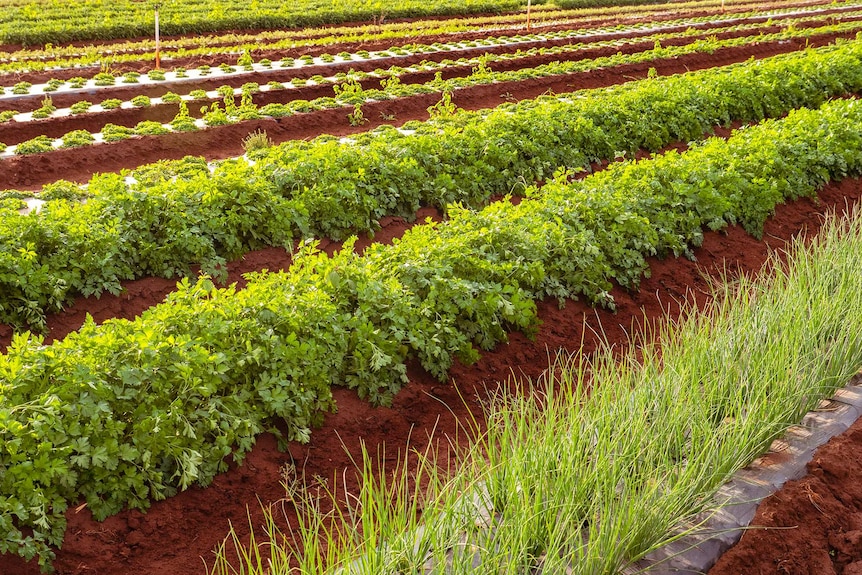
Chefs buy high-volume culinary herbs by the pound, not by the packet. Focus on basil, dill, and parsley, which are used daily in large quantities. Succession plant these crops to ensure consistent weekly deliveries. Approach local restaurants with fresh samples and a reliable delivery schedule.
Direct-to-consumer sales at farmers markets offer the highest margin per unit. This channel works best for delicate herbs that lose value quickly in transit. Grow cilantro, chives, and parsley for peak freshness. Bring bundles that are easy for customers to grab and carry home.
For long-term storage and scale, target rosemary and lavender. These herbs thrive in coastal climates and have a longer shelf life than leafy greens. Wholesale buyers like spas, cosmetic makers, and large grocery chains prefer these durable varieties. Build relationships with distributors who handle cold-chain logistics.
Subscription boxes provide predictable revenue and reduce waste. Offer a mix of high-demand herbs like basil and cilantro with seasonal specialties. Use social media to drive traffic to your store. Consistent branding and reliable shipping schedules are essential for retaining subscribers.
Avoid Common Beginner Mistakes
Even with a solid plan for profitable herbs to grow 2026, execution errors can erase margins before harvest. The most frequent pitfall is overplanting low-value crops without a confirmed buyer. Chefs often purchase basic culinary herbs like basil, dill, and parsley by the pound, but they expect consistent volume. Planting too much parsley without a contract leads to rapid spoilage and zero revenue.
Another critical error is ignoring succession planting. Herbs like cilantro and basil bolt quickly in summer heat, halting production. Instead of one large harvest that floods the market, stagger plantings every two weeks. This ensures a steady supply chain that keeps chefs and farmers' markets coming back, stabilizing your cash flow throughout the season.
Frequently asked: what to check next
How much money can you make growing herbs?
Profitability in the profitable herbs to grow 2026 market depends on volume and crop selection. High-demand culinary staples like basil, dill, and parsley are typically purchased by restaurant chefs by the pound, requiring large plantings and succession planting to maintain consistent supply. While volume drives revenue for these staples, niche perennial herbs like rosemary and lavender offer better scaling potential due to lower recurring planting costs and higher wholesale margins.
What is the easiest herb to sell?
Basil, cilantro, parsley, dill, and chives are the most accessible herbs to sell because they are standard inventory for nearly every food service establishment. Their high turnover rate means consistent demand, but it also requires strict adherence to freshness and succession planting schedules. For beginners, starting with these high-volume crops provides a reliable entry point into the B2B supply chain before expanding into more specialized varieties.
Do you need a license to sell herbs?
Yes, selling herbs commercially generally requires specific agricultural or food safety licenses depending on your local jurisdiction. While home gardening is unrestricted, any transaction involving wholesale distribution to restaurants or retail stores triggers regulatory requirements. You must verify local zoning laws and food safety certifications before planting for sale to ensure your operation is compliant and insurable.
No comments yet. Be the first to share your thoughts!