
Pick high-value herbs to grow
Choosing the right crops is the first step in how to start an herb business successfully. Avoid low-margin commodities like common basil or cilantro unless you have a guaranteed buyer. Instead, target high-value varieties that command premium prices at farmers' markets or from local chefs.
Focus on specialty herbs with distinct flavors or medicinal properties. Varieties like lemon verbena, holy basil (tulsi), or rare thymes often sell for significantly more per pound than standard grocery store herbs. These crops also tend to have lower competition in local markets, giving you a stronger negotiating position.
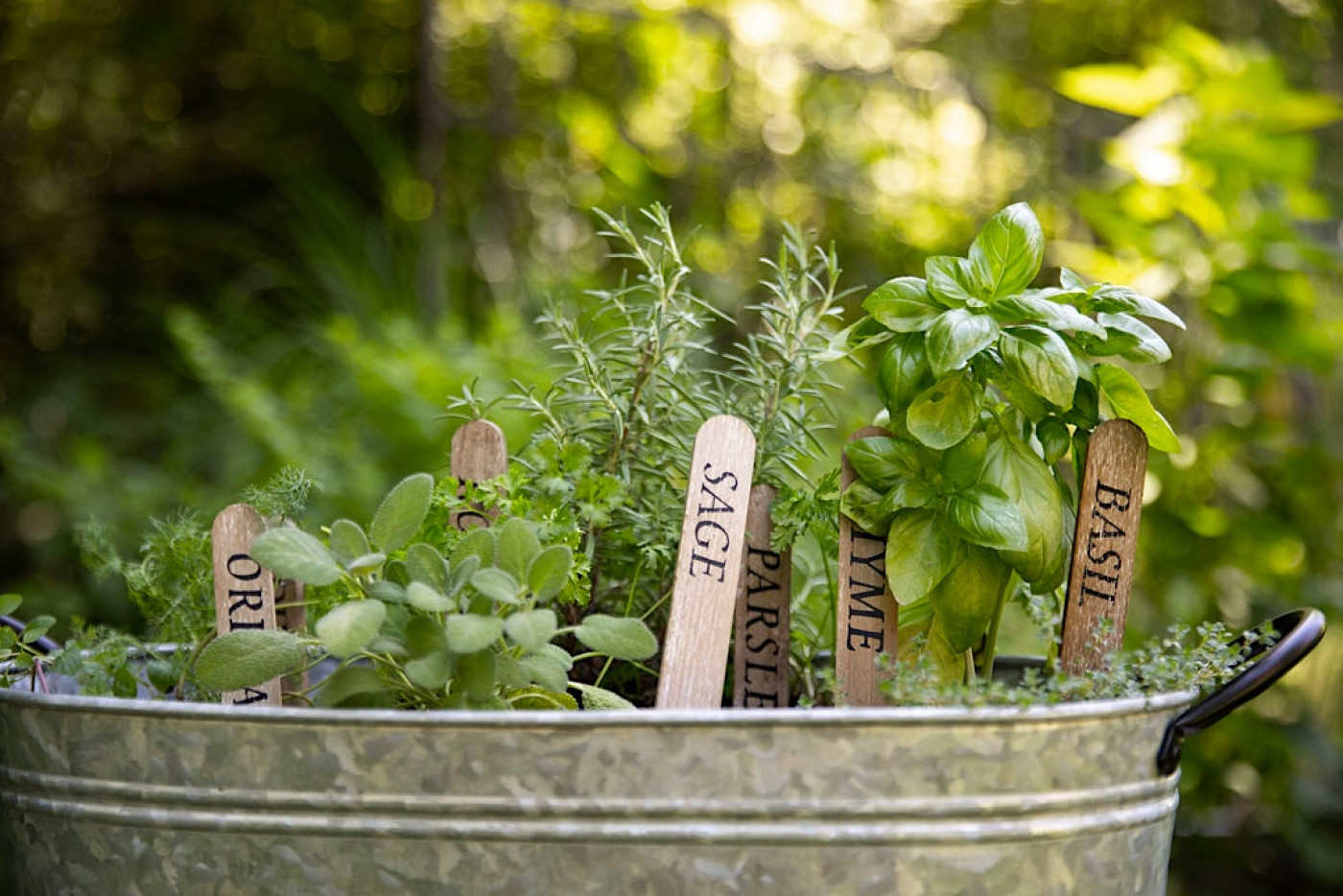
Evaluate growing difficulty alongside market price. Some high-value herbs require specific climate controls or extensive processing, which can eat into your margins. Start with crops that match your current infrastructure. If you are growing in greenhouses, consider herbs that thrive in controlled humidity. If you are field-growing, choose hardy perennials that reduce annual replanting costs.
Consider volume versus value. A small plot of saffron crocus or vanilla orchids can generate more revenue than acres of parsley, but they require intense labor. Balance your crop selection by mixing easy-to-grow staples with niche high-value items. This diversification protects your business against crop failure or sudden market shifts.
Set up your growing infrastructure
Before you plant your first seed, you need a reliable system for soil, water, and light. The physical setup determines your yield and consistency, which are the backbone of any herb business. You can start small with low-cost entry points, but the infrastructure must be scalable.
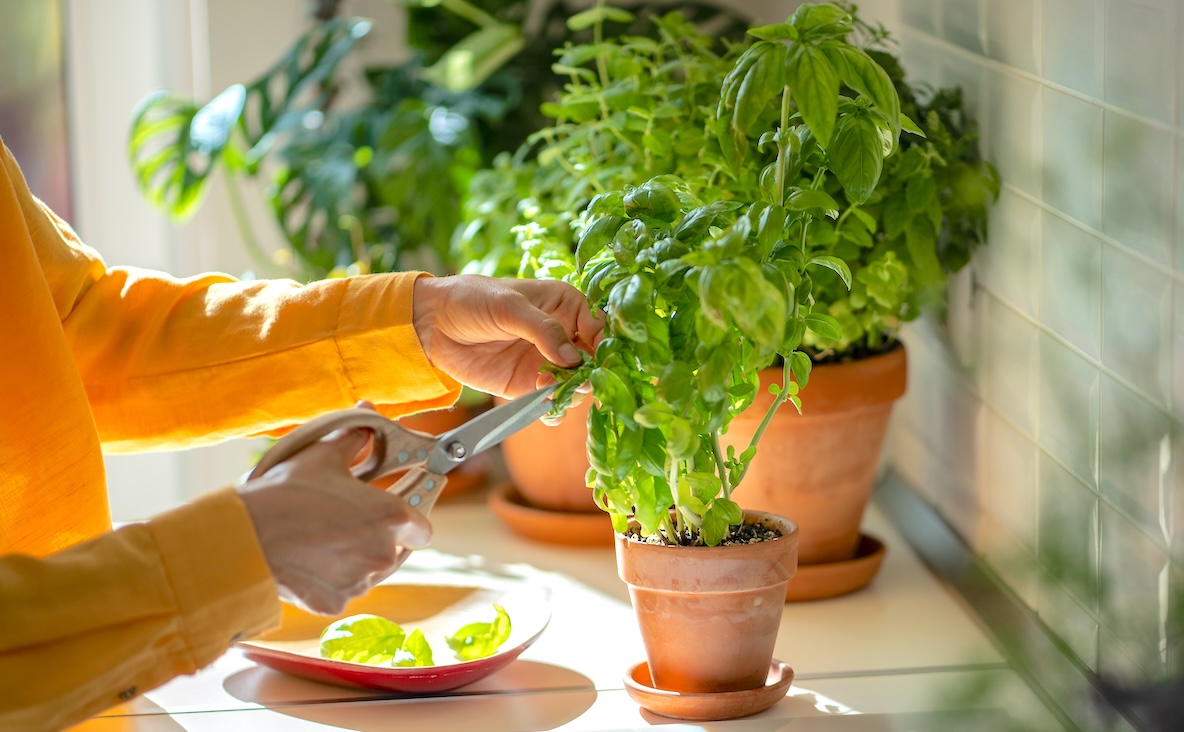
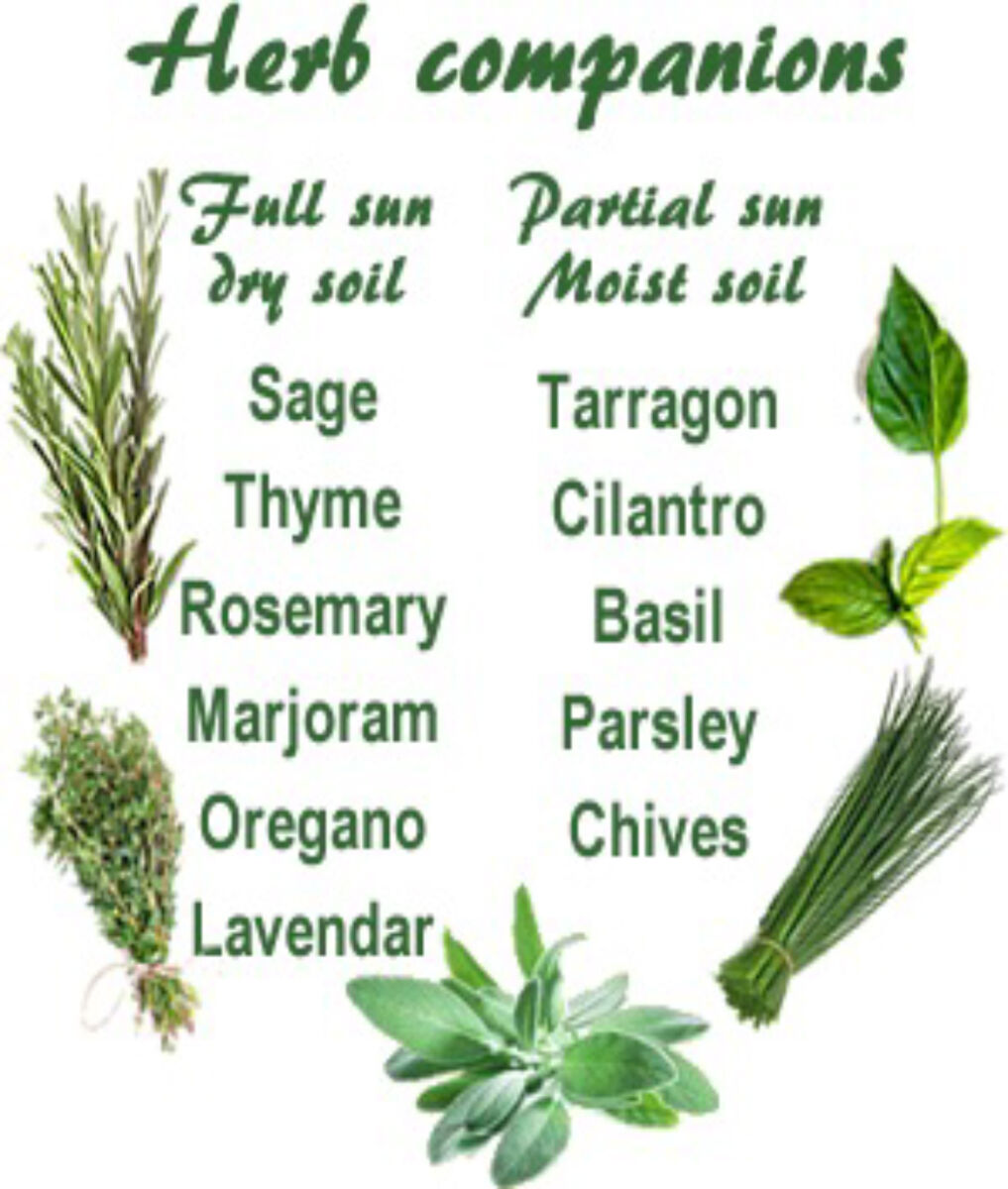
Start by testing your soil pH and nutrient levels. Most culinary herbs prefer slightly acidic to neutral soil (pH 6.0–7.0). Amend with compost or perlite to improve drainage and aeration. Poor drainage is the fastest way to kill an herb business through root rot.
Raised beds offer better control over soil quality and drainage than in-ground planting. They also make harvesting easier for your team. If space is limited, use deep containers for root-heavy herbs like cilantro or parsley. Ensure all containers have drainage holes.
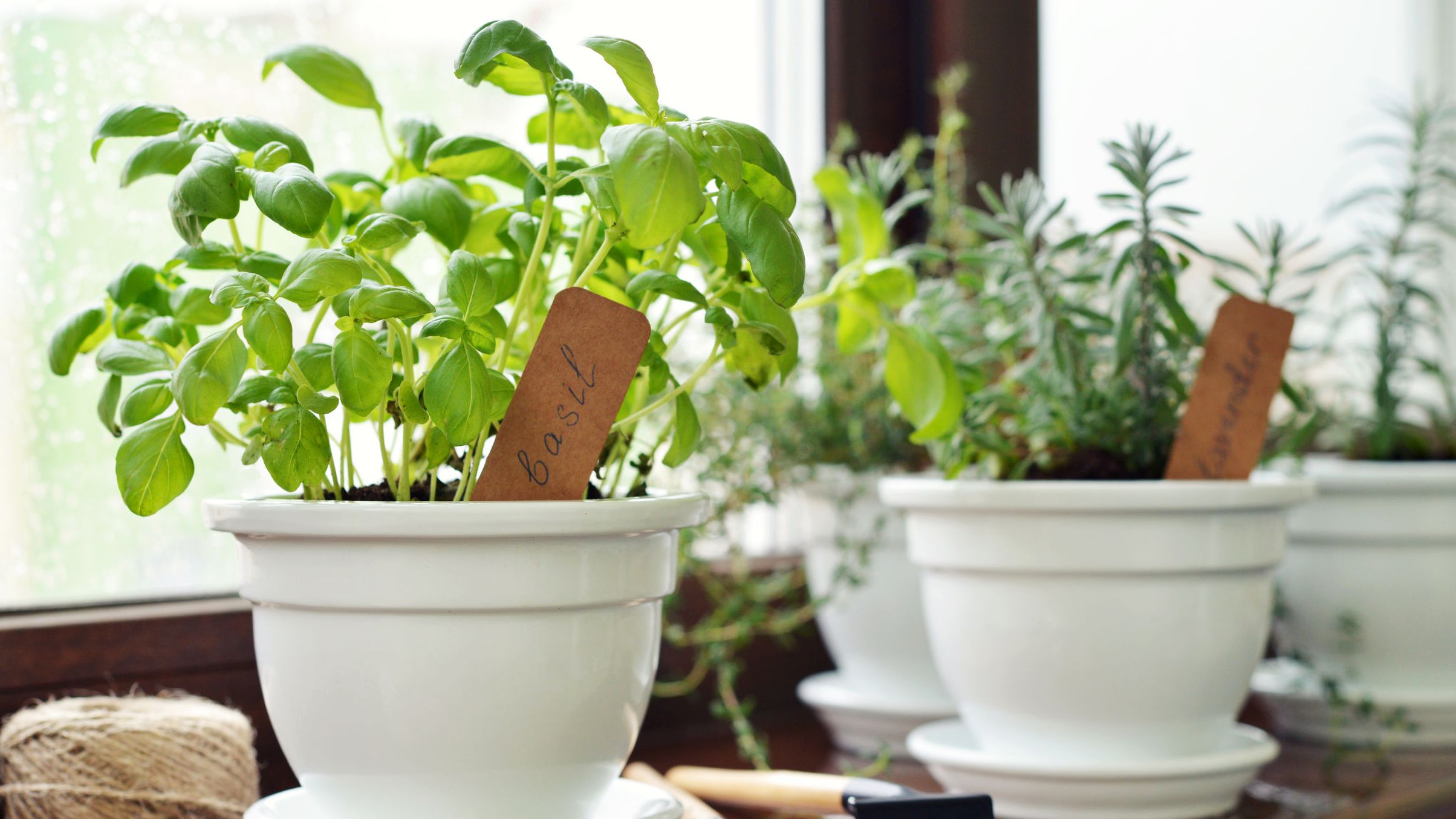
Consistent watering is critical for herb quality. Install a drip irrigation system with timers to maintain moisture levels without overwatering. This reduces labor costs and prevents disease caused by wet foliage. Drip lines deliver water directly to the roots, minimizing waste.

If you are growing indoors or in a region with short winters, invest in full-spectrum LED grow lights. Position lights 6–12 inches above the canopy and adjust height as plants grow. Proper lighting ensures year-round production, which is essential for maintaining steady supply to buyers.
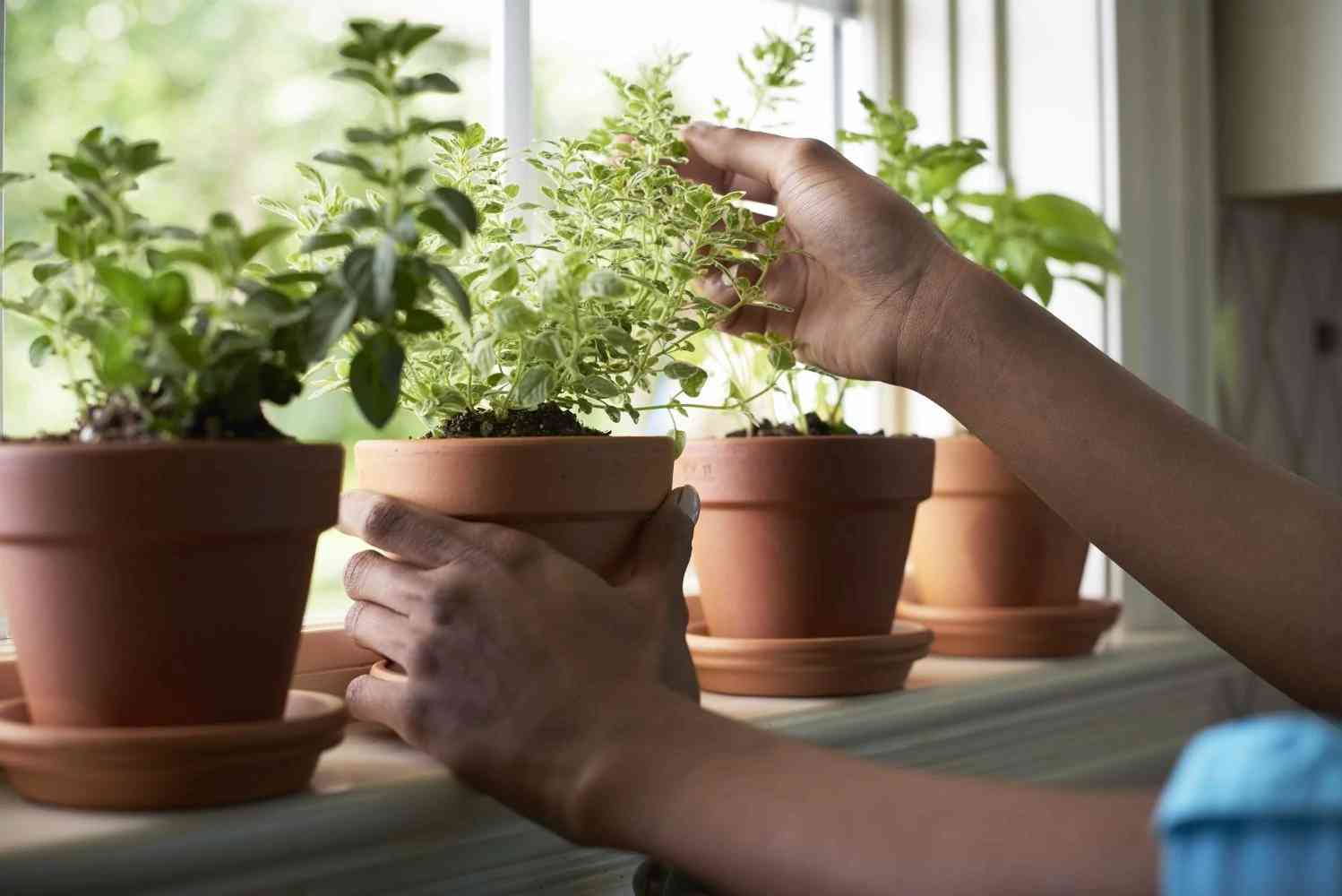
Begin with hardy, high-demand herbs like basil, mint, or parsley. Space plants according to their mature size to ensure adequate air circulation. Transplant seedlings carefully to avoid root shock. This initial planting tests your infrastructure and provides early cash flow.
By following these steps, you establish a foundation for a profitable herb business. The initial investment in proper infrastructure pays off in reduced labor and higher quality produce.
Harvest and Post-Harvest Care
The window between cutting and cooling determines the market value of your crop. For a new herb business, quality control starts the moment the scissors touch the stem. Harvesting during the early morning, after dew has dried but before the sun heats the leaves, preserves essential oils and prevents wilting. Rushing this step leads to rapid spoilage and customer returns.
Immediate Cooling
Move herbs to a cold storage area within 30 minutes of harvest. Most culinary herbs maintain peak freshness at 34–38°F (1–3°C). If you lack commercial refrigeration, use ice packs in insulated containers to transport crops to a cooling facility. This "field heat" removal slows respiration and extends shelf life significantly.
Washing and Drying
Gentle washing removes soil and potential contaminants, but moisture is the enemy of preservation. Use a salad spinner or air-dry racks to remove surface water completely. For dried herbs, hang bundles in a dark, well-ventilated space or use a dehydrator set to 95°F (35°C). Never wash herbs intended for drying, as residual water promotes mold.
Sorting and Packaging
Sort herbs by grade, discarding any damaged or discolored leaves. Package immediately in breathable containers or vacuum-sealed bags depending on the product format. Label with harvest dates to track inventory rotation. Proper post-harvest handling ensures your herbs reach customers in pristine condition, supporting your reputation as a reliable supplier.
Cut herbs after dew dries but before midday heat. This timing preserves essential oils and flavor profiles for the best market product.
Move crops to 34–38°F storage within 30 minutes. Removing field heat slows respiration and prevents rapid wilting.
Use a salad spinner to remove water completely. Moisture causes spoilage, so ensure herbs are bone-dry before packaging.
Grade herbs by quality and package in breathable or sealed containers. Label with harvest dates for proper inventory rotation.
Check local regulations and licenses
Starting an herb business requires more than just growing plants; you must address the legal landscape of agricultural sales. Before you harvest your first batch, verify that your location is zoned for commercial activity. Residential zones often restrict business operations, and some municipalities have specific rules regarding agricultural structures or livestock that could impact your setup.
Beyond zoning, you must comply with state and local food safety regulations. If you are selling herbs for consumption, you may need a food handler’s permit or a specific agricultural exemption. Contact your state’s Department of Agriculture to understand labeling requirements and any necessary inspections for processing or packaging. Keeping your records organized and transparent will streamline this process and help you stay compliant as you scale.
Find buyers and sell your harvest
Selling your crop requires matching the right channel to your product form and volume. Fresh herbs have a short shelf life, making local, high-turnover channels like farmers markets and restaurant partnerships ideal for maximizing value. Dried or processed herbs offer more flexibility for online direct-to-consumer sales, where you can reach customers beyond your immediate geographic area.
Farmers markets and local retail
Farmers markets provide immediate cash flow and direct feedback from consumers. This channel works best for fresh, high-quality herbs that customers can inspect before buying. To succeed, you need consistent supply, attractive packaging, and a clear price point. Many herb businesses start here to build a local reputation before expanding. Consider joining multiple markets to spread risk and reach different customer demographics.
Restaurant and chef partnerships
Local restaurants often seek fresh, high-quality herbs for their menus. This channel requires building relationships with chefs and understanding their specific needs. You may need to supply herbs regularly, sometimes daily, which demands reliable logistics. Offer samples and maintain consistent quality to secure long-term contracts. This channel can provide steady, predictable income, though margins may be lower than online direct-to-consumer sales.
Online direct-to-consumer sales
Selling online allows you to reach a wider audience and sell dried herbs, seeds, or starter plants. This channel requires investment in e-commerce infrastructure, marketing, and shipping logistics. Dried herbs are easier to ship and have a longer shelf life, making them suitable for online sales. You can also sell herb kits or subscription boxes to create recurring revenue. Focus on building a strong brand story and high-quality product photography to stand out in a crowded market.
YouTube offers visual guides on packaging fresh herbs for retail. Watching these demonstrations can help you standardize your packaging, which is critical for both farmers markets and online sales. Consistent, professional packaging builds trust and makes your product more appealing to buyers.
Check startup costs and margins
Starting an herb business requires a clear view of your initial investment versus your potential return. Costs vary significantly based on whether you choose a home-based model or a commercial farm, but accurate budgeting is the first step to profitability. According to Entrepreneur, startup costs for an herb farm typically range from $2,000 to $10,000, depending on scale and infrastructure. This range covers everything from seeds and soil to licensing and marketing materials.
To help you plan, compare the financial requirements of two common approaches for how to start herb business operations.
| Category | Home-Based | Commercial Farm |
|---|---|---|
| Initial Investment | $2,000 – $5,000 | $5,000 – $10,000+ |
| Infrastructure | Shelving, grow lights | Greenhouse, irrigation systems |
| Inventory | Small seed/soil stock | Bulk seeds, fertilizer, pots |
| Labor | Owner-operated | Hired staff, equipment |
Before spending, verify your specific cost structure using this checklist.
-
Seeds and starter plants
-
Potting soil and nutrients
-
Irrigation or watering tools
-
Packaging and labeling
-
Business licensing and permits
-
Marketing materials
Once you have your numbers, map out your production workflow to ensure efficiency.
Select seeds and soil that match your target herb varieties. Quality inputs reduce waste and improve yield consistency.
Install grow lights, shelving, or greenhouse structures. Ensure temperature and humidity controls are in place for optimal growth.
Harvest herbs at peak potency. Clean, dry, or package immediately to preserve freshness and quality for market.
Use clear, compliant packaging. Include herb type, harvest date, and care instructions to build customer trust.
Common mistakes new herb farmers make
Starting an herb business requires precision. Many new farmers lose money by treating herbs like standard vegetables. These crops have specific requirements for space, timing, and handling. Avoiding these pitfalls saves time and keeps your operation profitable.
Overplanting without a buyer
New growers often plant what they love, not what sells. A large basil crop that wilts before harvest is a total loss. Start small. Plant only what you can sell through your existing channels. Scale up only after securing consistent orders from restaurants or farmers markets.
Ignoring post-harvest handling
Harvesting is only half the work. Herbs lose flavor and value quickly if not handled correctly. Wash them in cold water, spin dry immediately, and store them in breathable containers. Never seal warm, wet herbs in plastic bags. This causes rapid rotting and ruins your reputation for quality.
Skipping local regulations
Herb farming involves food safety laws. You must register your business and follow local agricultural guidelines. Ignorance of these rules can lead to fines or shutdowns. Check with your state’s department of agriculture before planting. Compliance protects your investment and ensures you can legally sell your products.
No comments yet. Be the first to share your thoughts!