
Pick your most profitable herbs
Choosing the right crops is the first real test of how to start an herb business. You need plants that sell quickly and leave room for profit after harvest and packaging. Many beginners make the mistake of planting everything at once, which spreads your resources too thin and complicates your harvest schedule.
Focus on high-demand varieties that match your local climate. Basil is a classic starter crop because it grows fast and sells well in summer markets. Lavender and mint are excellent for dried goods or essential oils, offering higher margins than fresh produce. These plants thrive in many regions and have steady consumer demand.
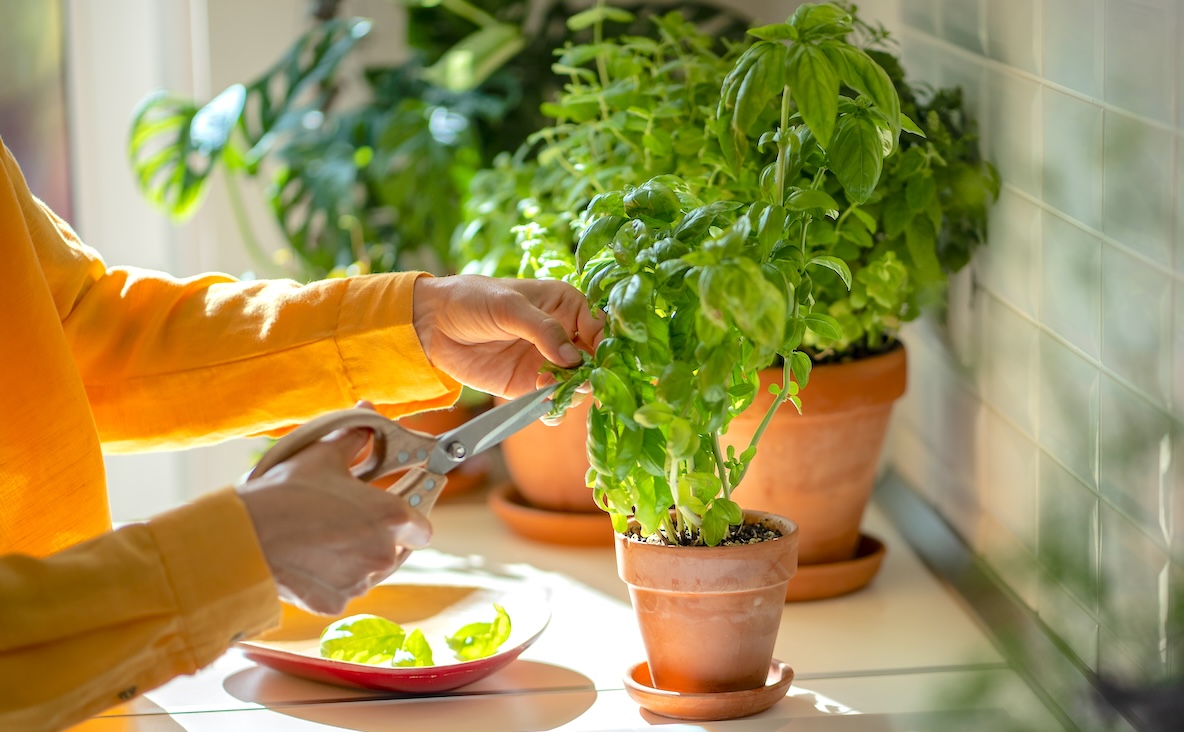
Start with just three or four types. This keeps your operations simple and lets you master the specific needs of each plant. As you learn what sells in your area, you can expand your variety. For more detailed guidance on getting started, you can review resources from Mother Earth News on starting an herb business.
Set up your growing space
Before you buy seeds, you need a place to grow them. Your growing space dictates your startup costs and your daily workflow. You can start small with containers on a balcony or scale up to a greenhouse or field plot. The goal is to find a setup that fits your budget while keeping your herbs healthy.
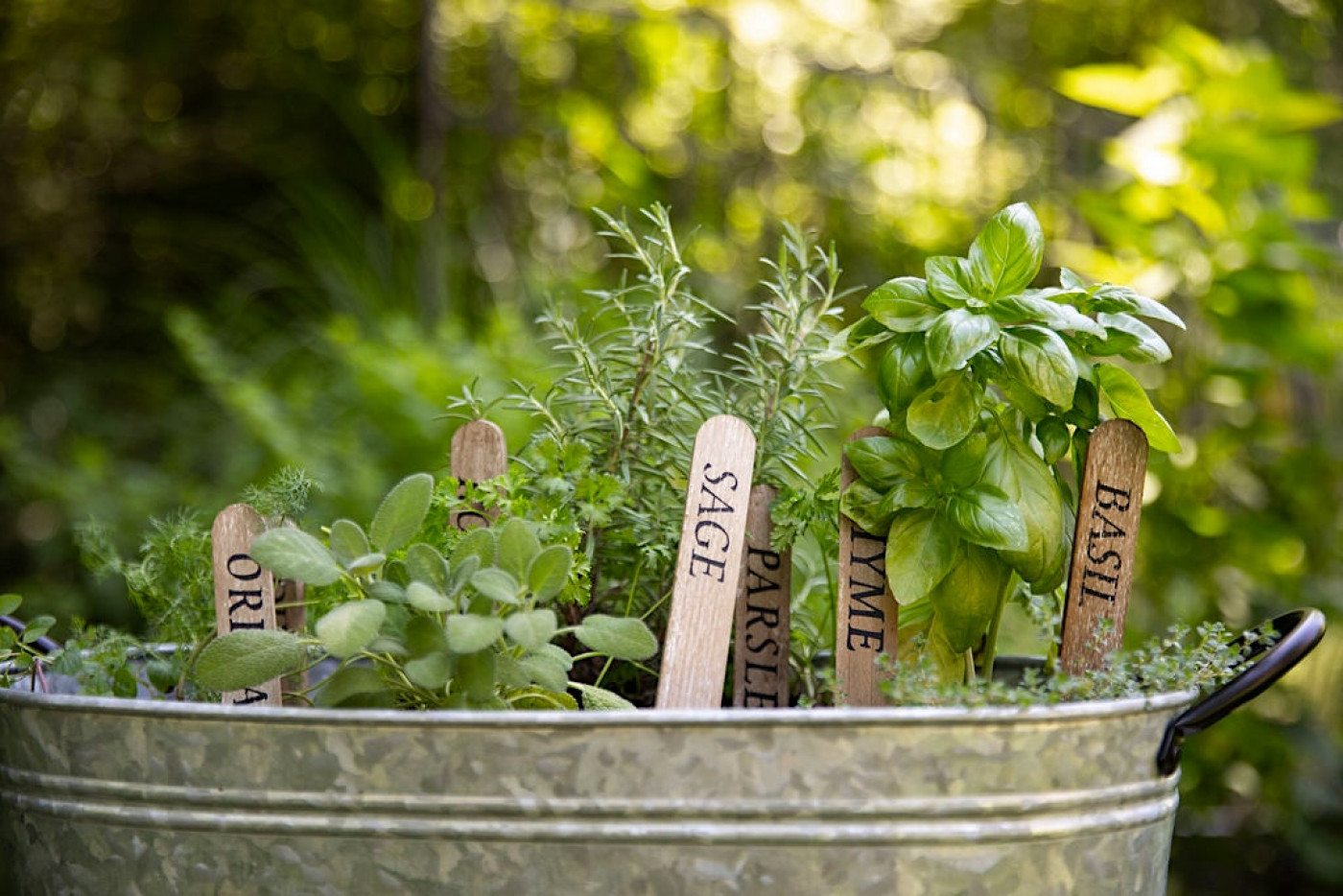
Herbs need at least six hours of direct sunlight daily. For small-scale operations, a south-facing patio or windowsill works well. Larger plots require flat, well-drained land away from large trees that block light. If you are growing indoors, invest in full-spectrum LED lights to mimic the sun.
Quality soil is the foundation of a successful herb business. Use a sterile, potting mix for containers to prevent disease. For field production, test your soil pH and amend it with compost. Most culinary herbs prefer slightly acidic to neutral soil with excellent drainage.
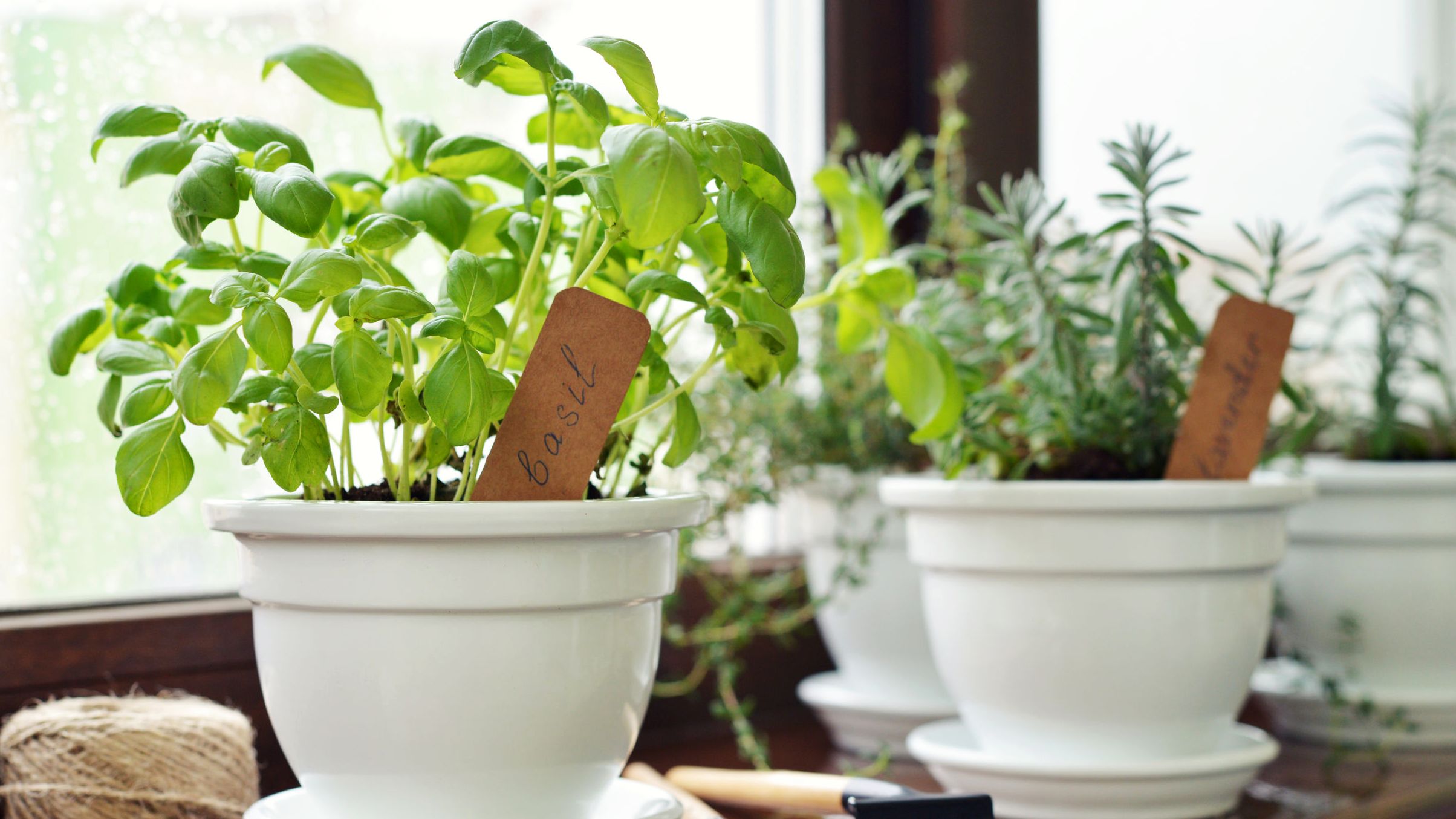
Consistent water is critical, but overwatering is the most common mistake. Drip irrigation or soaker hoses deliver water directly to the roots, saving time and reducing leaf disease. For small container setups, a simple watering can with a long spout is sufficient to start.
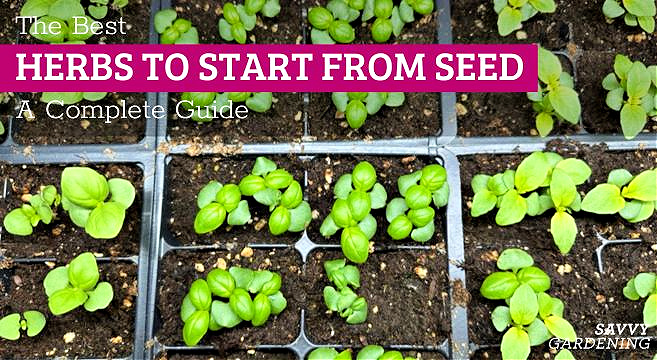
Start with easy-to-grow herbs like basil, mint, or chives. Follow seed packet instructions for depth and spacing. If you buy seedlings, handle roots gently to avoid shock. This first planting helps you learn your specific microclimate before scaling up for commercial sales.
Starting small reduces your risk. You can always expand your footprint as your customer base grows. Focus on mastering the basics of light, soil, and water before investing in expensive infrastructure.
Handle licenses and regulations
Start an Herb Business works best as a clear sequence: define the constraint, compare the realistic options, test the tradeoff, and choose the path with the fewest hidden costs. That order keeps the advice usable instead of decorative. After each step, pause long enough to check whether the recommendation still fits the reader's actual situation. If it depends on perfect timing, unusual access, or a best-case budget, include a simpler fallback.
The simplest way to use this section is to write down the real constraint first, compare each option against it, and choose the path that still works outside ideal conditions.
Find buyers for your harvest
Selling fresh herbs is less about listing products and more about building relationships. Before you scale up production, you need to validate demand through direct interaction. This section outlines the most practical sales channels for beginners, helping you find reliable buyers while you refine your growing process.
Start at local farmers markets
Farmers markets are the best place to test the waters. They offer immediate feedback on what customers prefer, whether it’s basil, cilantro, or specialty varieties like Thai basil. You can also build a loyal local following by offering samples and explaining how to use your herbs. This direct contact helps you understand pricing and packaging preferences without the overhead of a website.
Partner with local restaurants
Chefs often seek consistent, high-quality local produce. Approach restaurants with a small, curated sample of your best herbs. Focus on varieties that are hard to find in grocery stores, such as shiso, lemon verbena, or microgreens. Building a relationship with a few key chefs can provide a steady, predictable income stream that is easier to plan around than sporadic market sales.
Sell online or via subscription
For those who prefer a digital approach, selling online or through subscription boxes can work well. Platforms like Etsy or local community groups allow you to reach customers who value convenience. You can also offer "herb boxes" delivered weekly or bi-weekly. This model encourages repeat business and helps you plan your planting schedule based on confirmed orders rather than guesswork.
Validate demand early
Never grow more than you can sell. Start small and expand as you secure buyers. This approach minimizes waste and helps you refine your business plan. By focusing on a few reliable channels first, you can build a sustainable foundation for your herb business without the risk of overproduction.
Common mistakes new farmers make
Growing herbs is the easy part. The hard part is running the business around them. Many beginners focus entirely on the plants and neglect the numbers, only to find themselves with plenty of basil and no profit. Here are the three biggest pitfalls to avoid when you start an herb business.
Underpricing your labor
New growers often price their herbs based only on seed and soil costs. This ignores the hours spent weeding, harvesting, and driving to the farmers market. If you don't account for your time, you are essentially working for minimum wage or less. Calculate your true cost of production, including packaging and transport, before setting a price.
Poor post-harvest handling
Herbs wilt quickly if not handled correctly. Harvesting in the heat of the day or leaving produce in a hot truck can ruin your product before it reaches the customer. Learn proper cooling and storage techniques immediately. Freshness is your main selling point against supermarket alternatives; let it speak for itself.
Skipping the business plan
You cannot guess your way to profitability. A basic business plan forces you to think through startup costs, target markets, and cash flow. As the University of Idaho notes, an herb entrepreneur must understand financing and management just as well as cultivation. Without a plan, you risk running out of capital before your first major harvest.
Frequently asked: what to check next
Starting an herb business involves specific financial and legal considerations. Here are the most common questions beginners ask about getting started.
How much does it cost to start an herbal business?
Most herbal apothecaries need between $20,000 to $50,000 in initial investment capital. This range covers essential startup costs including inventory, specialized equipment, and necessary licenses. A detailed business plan should outline these projections to ensure you have enough runway.
What legal requirements do I need to meet?
You must understand your local and state regulations before selling products. Requirements vary significantly by location, so check with your local health department and state agriculture board. Compliance often involves business licensing, food safety certifications, and specific labeling standards.
Which herbs are best for beginners?
Start with high-demand, easy-to-grow varieties like basil, mint, and lavender. These herbs have established markets for both fresh produce and dried goods. Focusing on a few reliable crops helps you manage complexity while you learn the business side of growing and selling herbs.
No comments yet. Be the first to share your thoughts!