
Pick high-value herbs to grow
Choosing the right crop is the first step in learning how to start an herb business with a profit. Generic salad herbs like basil or parsley face saturated markets and thin margins. Instead, target medicinal or specialty varieties that command higher prices per pound. Herbs like ginseng, goldenseal, lavender, echinacea, and ashwagandha are among the most profitable due to their steady demand in natural health markets.
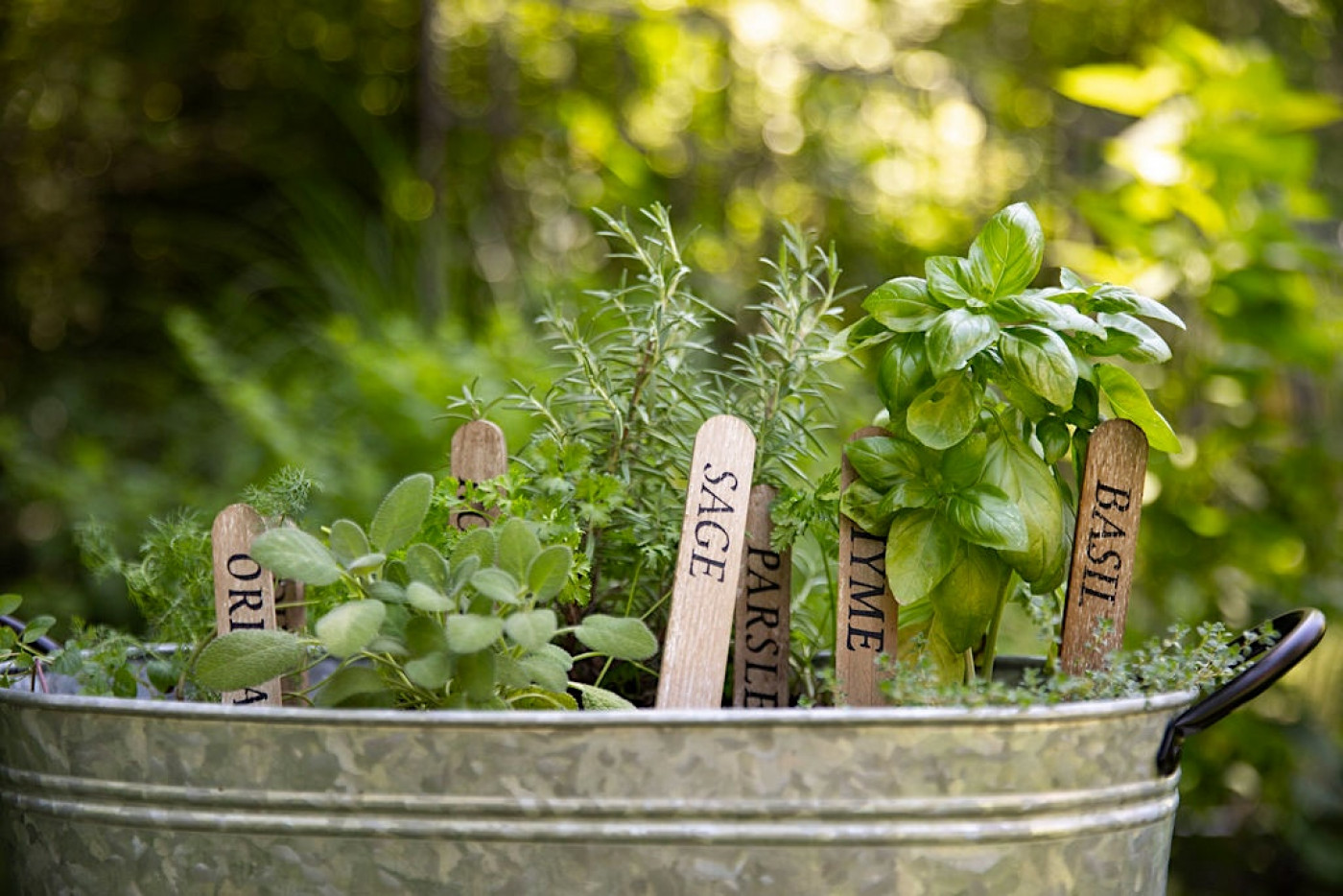
Use the comparison below to evaluate potential crops. Focus on profit margins, growth cycles, and market channels to determine which herbs fit your production capacity and local climate.
| Herb | Margin Potential | Growth Cycle | Primary Market |
|---|---|---|---|
| Lavender | High | 1–2 years | Essential oils, dried flowers |
| Ashwagandha | High | 6–8 months | Adaptogen supplements |
| Echinacea | Medium-High | 2–3 years | Immunity supplements |
| Ginseng | Very High | 4–6 years | Premium wellness products |
| Goldenseal | Very High | 3–5 years | Medicinal extracts |
| Basil | Low | 2–3 months | Fresh culinary, pesto |
Set up your growing infrastructure
Before you plant a single seed, you need to secure the physical space where your herbs will thrive. Whether you are converting a backyard plot or outfitting a spare room, your infrastructure determines your yield consistency and quality. For a small-scale startup, you can keep initial costs between $2,000 and $10,000 by prioritizing essential tools over luxury equipment.
The foundation of any successful herb business is a reliable growing environment. You must choose between outdoor beds, high tunnels, or indoor grow rooms based on your climate and target crop. Each option requires specific equipment to manage water, light, and air flow effectively.
Choose your growing medium and beds
Your soil or substrate must support rapid growth and easy harvesting. For outdoor operations, raised beds are often superior to in-ground plots because they offer better drainage and reduce weed competition. If you are growing indoors or in greenhouses, consider using soilless mixes like coco coir or peat-based substrates for precise nutrient control.
- Soil Preparation: Test your soil pH and nutrient levels before planting. Herbs generally prefer a pH between 6.0 and 7.0. Amend the soil with compost or organic matter to improve structure and water retention.
- Raised Bed Construction: Build or purchase raised beds made from untreated cedar or rot-resistant materials. Standard dimensions are 4 feet wide by 8 feet long, which allows easy access from both sides.
- Substrate Selection: For indoor setups, choose a sterile, well-aerated mix. Coco coir is popular for its sustainability and water-holding capacity, while rockwool provides excellent oxygenation for hydroponic systems.
Water management is critical for herb quality. Overwatering leads to root rot and diluted flavor, while underwatering stresses the plants. A drip irrigation system is the most efficient choice for small to mid-scale farms. It delivers water directly to the root zone, reducing waste and minimizing leaf wetness, which helps prevent fungal diseases. Install a timer to automate watering cycles, ensuring consistency even when you are not on-site.
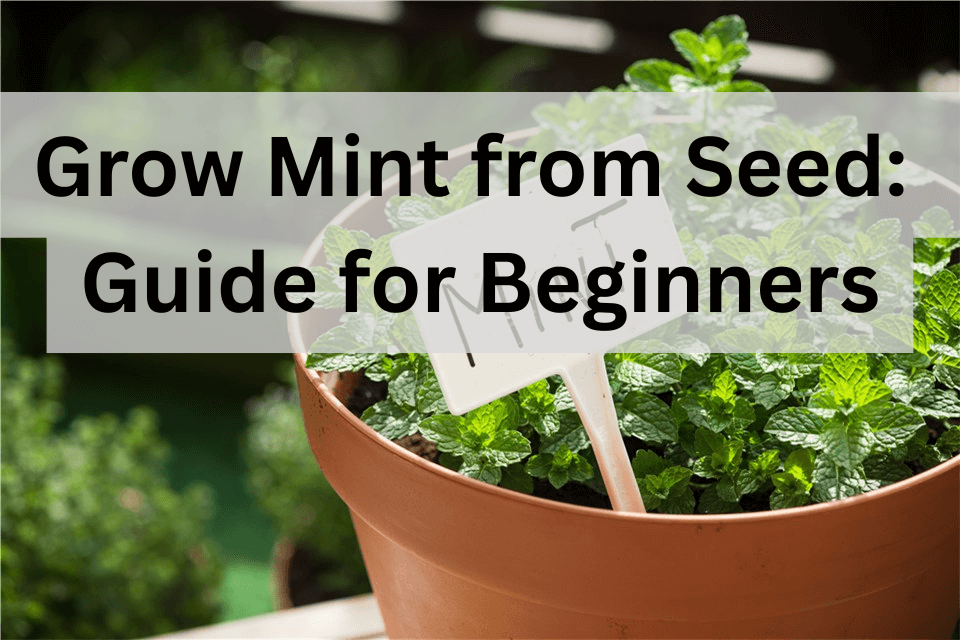
If you are growing indoors or extending your season, artificial lighting is non-negotiable. LED grow lights are the current standard for efficiency and heat management. They consume less electricity and produce less heat than traditional HID lights, allowing you to place them closer to the canopy. Calculate the light requirements for your specific herbs; most leafy herbs need 12-16 hours of light per day with an intensity of 200-400 PPFD.
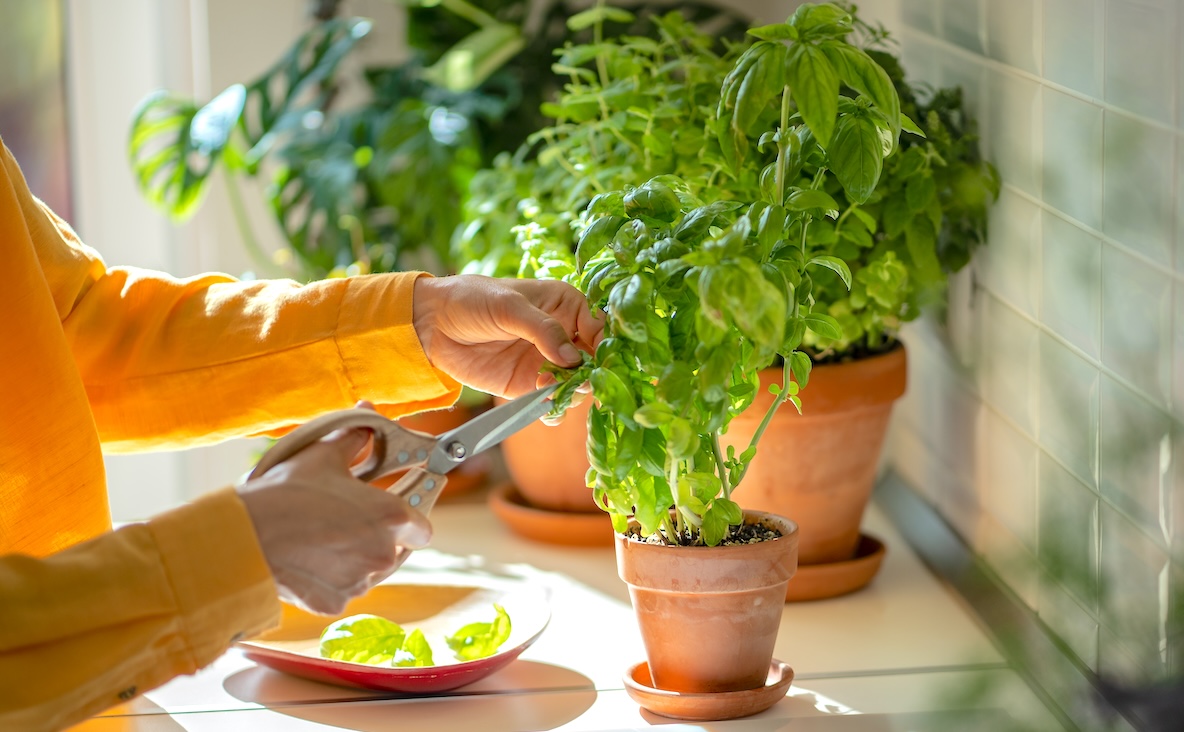
Harvesting is only the first step; you must have a clean, organized space for processing. Set up a washing station with a large sink or tub, a trimming table with good lighting, and drying racks or a dehydrator. Cleanliness is paramount to prevent contamination. Ensure you have food-grade containers for storage and a dedicated area for labeling and packaging your final product.
Select essential tools and equipment
You do not need expensive industrial machinery to start. Focus on durable, hand-held tools that make harvesting and maintenance efficient. Sharp pruning shears, garden trowels, and sturdy gloves are your primary daily tools. As you scale, consider investing in a mechanical harvester or a commercial-grade dehydrator to save labor costs.
Plan for climate control
If you are operating in a greenhouse or indoor facility, temperature and humidity control are your biggest operational challenges. Herbs are sensitive to extreme conditions; most prefer temperatures between 65°F and 75°F during the day and slightly cooler at night. Install fans for air circulation to strengthen plant stems and prevent mold. A hygrometer and thermometer are cheap, essential devices that help you monitor conditions in real-time.
By setting up these core infrastructure elements, you create a stable foundation for your herb business. This preparation allows you to focus on growing healthy, high-quality herbs rather than troubleshooting environmental issues.
Master harvesting and drying techniques
Start an Herb Business works best as a clear sequence: define the constraint, compare the realistic options, test the tradeoff, and choose the path with the fewest hidden costs. That order keeps the advice usable instead of decorative. After each step, pause long enough to check whether the recommendation still fits the reader's actual situation. If it depends on perfect timing, unusual access, or a best-case budget, include a simpler fallback.
Find buyers and sell your herbs
Before scaling production, you need to validate your product and establish revenue streams. Start by identifying where your specific herbs will sell best. Local farmers markets offer immediate feedback and higher margins, while wholesale contracts provide volume stability. Understanding these channels helps you price correctly and manage inventory.
Sell at farmers markets
Farmers markets are the best place to test demand. You interact directly with customers, gather feedback, and build a local reputation. This channel allows you to adjust pricing and product presentation in real time. It also helps you refine your brand identity before approaching larger buyers.
Pursue wholesale contracts
Once you have a consistent supply, approach local restaurants, boutiques, or health food stores. Wholesale requires reliable volume and consistent quality. You will need to negotiate terms, delivery schedules, and payment cycles. Building these relationships takes time, but they provide predictable income.
Explore online sales
Selling online expands your reach beyond your local area. Use social media to showcase your growing process and product quality. An e-commerce platform allows you to sell dried herbs, seeds, or herbal products directly to consumers. This channel works well for niche herbs that may not fit local market demand.
Validate your product
Track your sales data carefully. Monitor which herbs sell fastest and which customers return. Use this information to decide which crops to prioritize. Validation ensures you are growing what people actually want to buy, reducing waste and increasing profit.
Check regulations and finances
Before you plant your first seed, you need to secure the legal and financial foundation for your operation. Starting an herb business requires navigating local zoning laws, agricultural permits, and tax obligations. Skipping this step can result in fines or forced closure, so treat compliance as a non-negotiable part of your launch sequence.
Secure necessary licenses
Most jurisdictions classify herb farming as agriculture, but selling processed goods (like dried teas or essential oils) often triggers food safety regulations. You will likely need a general business license and a sales tax permit. If you are selling fresh produce at farmers' markets, check with your state department of agriculture for specific grower permits.
Note: Regulations vary significantly by state. Some states have "cottage food laws" that allow home-based food production with minimal oversight, while others require commercial kitchen certification for any value-added products. Always verify requirements with your local county clerk or state agricultural extension office.
Set up business finances
Separate your personal and business finances immediately. Open a dedicated business bank account to track income and expenses cleanly. This separation is essential for accurate bookkeeping and protects your personal assets if your business faces legal claims. As a startup, your initial costs typically range from $2,000 to $10,000, covering seeds, soil, infrastructure, and licensing fees.
Create a basic budget
Draft a simple budget that accounts for both one-time startup costs and recurring monthly expenses. Include items like irrigation systems, packaging materials, marketing, and insurance. Keeping records from day one simplifies tax filing and helps you identify profitable herb varieties early on.
Contact your city planning department to confirm your property is zoned for agricultural use. Apply for any required home occupation permits or agricultural exemptions before clearing land or installing permanent structures.
File your business formation documents (LLC, sole proprietorship, etc.) with your state. Obtain an Employer Identification Number (EIN) from the IRS for tax purposes and to open business bank accounts.
Open a dedicated business checking account. Use simple accounting software or a spreadsheet to track every expense related to growing and selling herbs, from soil amendments to packaging.
-
Obtain general business license
-
Apply for sales tax permit
-
Check local zoning laws
-
Open business bank account
-
Set up bookkeeping system
Common questions about starting an herb business
Which herb is most profitable?
High-value medicinal herbs like ginseng, goldenseal, lavender, echinacea, and ashwagandha command premium prices due to strong demand in natural health markets. However, profitability depends on your local climate and processing capabilities. Grow what thrives in your region to minimize input costs and maximize yield.
How much does it cost to start an herb business?
Startup costs vary widely based on scale. Small-scale indoor growers might spend $500–$2,000 on lighting, hydroponics, and seeds. Outdoor commercial farms require significant investment in land, irrigation, and equipment. Start small to validate your market before scaling operations.
Do I need a license to sell herbs?
Selling culinary herbs generally requires minimal licensing, often just a general business license. However, selling medicinal herbs or making health claims triggers FDA regulations and potentially state-level herbalist licenses. Always verify local zoning laws and agricultural regulations before launching.
No comments yet. Be the first to share your thoughts!