
The reality of starting an herb farm
I've seen many people jump into herb farming because they love the smell of lavender, but the transition from gardener to commercial grower is a massive shift. You're moving from a relaxing hobby to a business that requires hard capital and a strict schedule. If you aren't ready to treat it like a job, the plants will suffer before the bank account does.
Initial investments can range widely, from a few thousand dollars for a small-scale operation to tens of thousands for a more extensive setup with greenhouses and processing facilities. Time commitment is substantial, particularly during the growing season. Expect long hours dedicated to planting, weeding, harvesting, and processing. A six-figure income isn’t a guaranteed outcome; it requires strategic planning, efficient operations, and effective marketing.
The market is split between kitchens, medicine cabinets, and skincare labs. Research, but that growth has brought a wave of new growers. You need to know exactly who is buying in your zip code and what they pay per ounce before you put a single seed in the ground.
Before you invest time and resources, honestly assess your skills and resources. Do you have gardening experience? Are you comfortable with business management, marketing, and sales? Are you prepared for the physical demands of farm work? A realistic self-assessment will help you determine if herb farming is truly the right path for you. Don't underestimate the importance of careful planning and a willingness to learn.
Finding your niche
Simply growing herbs you enjoy isn't enough. Successful herb farming requires identifying profitable niches with strong demand. We need to move beyond "what can you grow’ to ‘what should you grow". The NC State Extension highlights the growing interest in locally sourced, specialty herbs, presenting opportunities for focused production. A thorough market analysis is paramount.
Culinary herbs like basil, rosemary, and thyme consistently see high demand, but competition is also fierce. Medicinal herbs, such as echinacea, goldenseal, and chamomile, offer higher profit margins but require specialized knowledge and potentially stricter regulations. Cosmetic herbs, like lavender and calendula, are gaining traction with the rise of natural beauty products. Consider the market size, growth potential, and competitive landscape for each category.
Direct sales channels – farmers markets and Community Supported Agriculture (CSAs) – allow you to connect directly with customers and build brand loyalty. Wholesale options include selling to restaurants, health food stores, and herbal product manufacturers. Online channels, such as Etsy and your own e-commerce website, expand your reach but require effective digital marketing. Each channel has its own costs and benefits.
Identifying a niche allows you to differentiate yourself from the competition. Perhaps you specialize in organic culinary herbs for local restaurants, rare medicinal varieties for herbalists, or aromatherapy blends using sustainably grown plants. Focusing on a specific niche allows you to become an expert, build a strong brand, and target your marketing efforts effectively. Consider what gaps exist in your local market and how you can fill them.
- Culinary herbs like basil and thyme have the highest demand but the thinnest margins because everyone grows them.
- Medicinal Herbs: Higher profit margins, specialized knowledge required.
- Cosmetic Herbs: Growing market, potential for value-added products.
Herb Niche Decision Matrix: Comparing Potential for Commercial Cultivation
| Herb Type | Startup Investment | Market Saturation | Profit Potential | Growth Complexity |
|---|---|---|---|---|
| Culinary Herbs (Basil, Parsley, Cilantro) | Moderate | Medium to High | Moderate | Relatively Easy |
| Medicinal Herbs (Echinacea, Goldenseed, Chamomile) | Moderate to High | Medium | Moderate to High | Moderate |
| Cosmetic Herbs (Lavender, Rosemary, Calendula) | Low to Moderate | Growing | Moderate | Easy to Moderate |
| Specialty/Rare Culinary Herbs (Lemon Verbena, Shiso) | Low | Low to Medium | Higher | Moderate to Difficult - Sourcing & Knowledge |
| Aromatic Herbs (Mint varieties, Thyme) | Low | Medium to High | Lower to Moderate | Easy - Potential for Overgrowth |
| Dried Herb Blends/Teas | Moderate | Medium | Moderate | Moderate - Requires Processing & Branding |
| Seed Starting & Herb Transplants | Low to Moderate | Medium | Moderate | Moderate - Seasonality & Timing Critical |
Qualitative comparison based on the article research brief. Confirm current product details in the official docs before making implementation choices.
Excited to announce another permaculture design course for late spring. Brookside Farm has some excellent examples of eco-technologies such as a WET system, aquaponics, anaerobic digestion, a forest garden, willow production and commercial herb growing, drying and distillation! pic.twitter.com/96waGvDWjz
— LearnPermaculture (@LearnPerm) February 19, 2018
Land and infrastructure
Securing appropriate land is the first practical step. Acreage requirements vary depending on your scale of operation and the herbs you intend to grow. Soil type is critical; most herbs prefer well-drained, fertile soil with a pH between 6.0 and 7.0. Water access is equally important, whether through natural rainfall, irrigation systems, or well water. Consider water rights and potential drought conditions.
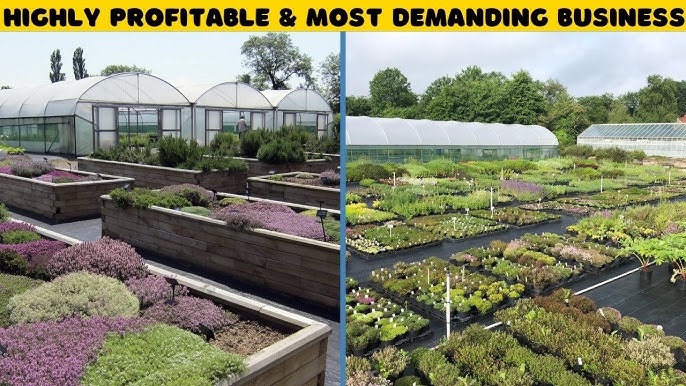
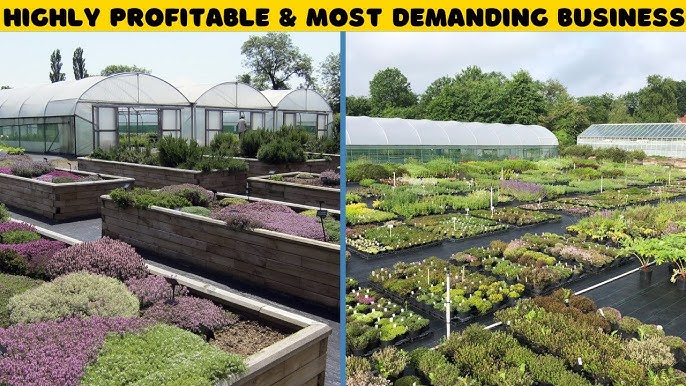
Infrastructure needs include a suitable growing space, processing facilities, and storage areas. Greenhouses extend the growing season and protect crops from harsh weather, but come with a significant upfront cost. Irrigation systems ensure consistent water supply. Drying racks, freezers, and processing equipment are essential for preserving and preparing herbs for market. Proper ventilation and sanitation are crucial for maintaining product quality.
Several growing methods are available, each with its own advantages and disadvantages. Open-field cultivation is the most traditional and cost-effective, but yields can be lower and crops are more vulnerable to pests and diseases. Raised beds improve drainage and soil quality. Hydroponics offers faster growth and higher yields, but requires a substantial initial investment and technical expertise. Container gardening is suitable for smaller-scale operations and allows for greater control over growing conditions.
Organic certification is increasingly important to consumers. While it requires adhering to strict standards and undergoing regular inspections, it can command premium prices and attract a loyal customer base. Sustainable practices – such as crop rotation, companion planting, and integrated pest management – minimize environmental impact and promote long-term soil health. Choosing the right growing method and implementing sustainable practices are vital for long-term success.
- Open-field cultivation: Low cost, lower yields.
- Raised beds: Improved drainage, increased soil quality.
- Hydroponics allows for fast growth and high yields, though the initial setup for a 1,000-square-foot system can be expensive.
- Container gardening: Small-scale, greater control.
Cultivation & Harvesting Schedule
A well-planned cultivation calendar is the backbone of a successful herb farm. This calendar should outline planting times, growing requirements, and harvesting schedules for each herb you intend to grow. Factors like climate, soil temperature, and frost dates will influence your planting schedule. Research the specific needs of each herb to ensure optimal growth.
Maximizing yield and quality requires attention to detail. Companion planting – growing certain herbs together to benefit each other – can enhance growth and deter pests. Crop rotation prevents soil depletion and reduces the risk of disease. Integrated pest management uses natural methods to control pests, minimizing the need for synthetic pesticides. Consistent monitoring and proactive management are essential.
Knowing when to harvest is as important as knowing how. Herbs should be harvested at their peak flavor and potency. This often means harvesting leaves before flowering or roots in the fall. Proper harvesting techniques – using sharp scissors or knives to avoid damaging the plant – are crucial for maintaining quality and encouraging regrowth. Timing is everything.
For example, basil benefits from successive plantings every few weeks to ensure a continuous supply. Lavender should be harvested when the flowers are fully open but before they begin to fade. Chamomile flowers are best harvested on a dry, sunny day. Keep detailed records of your planting and harvesting schedules to refine your practices over time.
The money side
You need a spreadsheet that tracks every penny. Your startup costs will cover the lease, irrigation kits, and seeds, while your monthly burn includes labor and packaging. Don't guess your revenue; look at what local chefs are actually paying for a pound of basil right now.
Calculating your break-even point – the point at which your revenue equals your expenses – is crucial for understanding when your farm will become profitable. Analyzing your potential return on investment (ROI) will help you assess the overall profitability of your venture. Be conservative in your revenue projections and realistic in your expense estimates.
Several funding options are available. Small business loans from banks and credit unions can provide capital for startup costs and operating expenses. Grants from government agencies and private foundations may be available for sustainable agriculture projects. Crowdfunding platforms allow you to raise money from a wider audience. Bootstrapping – self-funding your venture – requires discipline and careful budgeting.
The EPA's Urban Farm Business Plan Handbook provides a valuable framework for developing a comprehensive financial plan. Thorough financial planning will not only increase your chances of success but also demonstrate your credibility to potential investors and lenders.
Marketing & Sales Strategies
Effective marketing and sales strategies are crucial for reaching your target customers and generating revenue. Branding is the foundation of your marketing efforts. Develop a unique brand identity that reflects the quality and values of your herbs. This includes a memorable logo, consistent messaging, and a professional website.
A well-designed website is essential for showcasing your products and attracting online customers. Social media marketing – using platforms like Instagram and Facebook – allows you to connect with potential customers and build brand awareness. Content marketing – creating valuable content related to herbs and their uses – can attract organic traffic to your website.
Farmers markets provide a direct sales channel and an opportunity to interact with customers. Wholesale outreach involves contacting restaurants, health food stores, and herbal product manufacturers to offer your herbs. Online sales platforms, such as Etsy and Shopify, expand your reach to a wider audience. Diversifying your sales channels reduces your reliance on any single outlet.
Building relationships with chefs, herbalists, and retailers is key to long-term success. Offer samples, provide educational materials, and be responsive to their needs. Storytelling – sharing the story behind your farm and your herbs – can create an emotional connection with customers. Highlighting the unique qualities of your herbs – such as organic certification or sustainable growing practices – can differentiate you from the competition.
Content is being updated. Check back soon.
No comments yet. Be the first to share your thoughts!