
Is an herb business right for you?
Growing herbs for money is harder than keeping a kitchen garden. You'll spend more time scrubbing buckets and filing tax forms than sitting in a field of lavender. Before buying seeds, be honest about whether you can handle 10-hour days in the sun and the repetitive motion of stripping stems for hours on end.
Consider your lifestyle. Herb cultivation, even on a small scale, is seasonal and can be physically demanding. Harvesting, drying, and processing herbs all require significant time and effort. Are you comfortable with long hours, potentially working outdoors in all kinds of weather? Do you have the physical ability to handle repetitive tasks? Beyond the growing, there's marketing, sales, and administrative work to consider.
Initial investment can vary widely. A small-scale operation focusing on dried herbs for local markets might require a few hundred dollars for seeds, supplies, and marketing materials. However, a more ambitious venture, like a medicinal salve business or a larger-scale growing operation, could easily cost several thousand dollars. You need to honestly evaluate your financial resources and determine if you can secure the necessary funding. Don’t underestimate the cost of good soil, proper drying equipment, and packaging.
The potential rewards are substantial, both financially and personally. A successful herb business can provide a fulfilling career, a connection to nature, and the satisfaction of offering high-quality, natural products. However, it's crucial to approach this venture with a clear understanding of the challenges and a commitment to hard work. It’s a path that suits those who are passionate about herbs and dedicated to building a sustainable business.
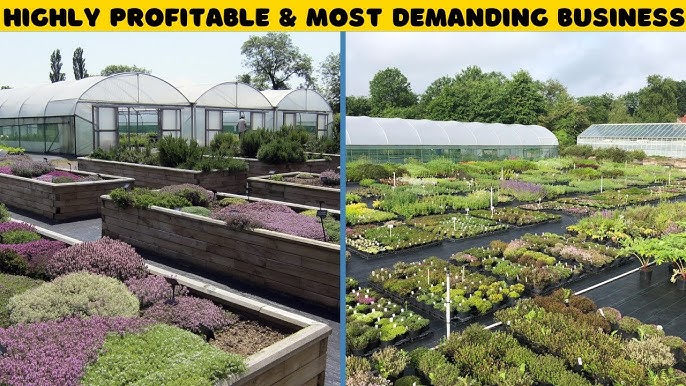
Five ways to make money with herbs
The herb market is wide enough that you shouldn't just sell 'herbs.' You need a niche. Based on 2024 data from the Chestnut School of Herbal Medicine, here are five paths that actually make money, ranging from low-cost tea blends to labor-intensive market gardening.
First, consider dried herb blends. This involves creating custom mixes for teas, cooking, or medicinal purposes. Startup costs are relatively low—around $500-$1,500—primarily for herbs, packaging, and marketing. Potential revenue could range from $2,000-$10,000 per year, depending on sales volume and pricing. Second, medicinal salves and balms offer higher profit margins but require more knowledge and attention to quality control. Initial investment might be $1,000-$3,000, with potential revenue of $5,000-$15,000 annually.
Herbal teas, both loose leaf and bagged, are consistently popular. Startup costs are in the $800-$2,000 range, factoring in packaging and potential blending equipment. Revenue potential is similar to dried herb blends, $2,000-$10,000 per year. A more labor-intensive, but potentially rewarding, option is market gardening, specializing in culinary herbs for local restaurants and farmers' markets. This requires land access and significant time commitment, with startup costs of $2,000-$5,000 and revenue potential of $3,000-$20,000 or more.
Finally, consider herbal workshops and classes. If you have expertise in herbalism, you can share your knowledge by teaching others. Startup costs are minimal—around $200-$500 for materials and marketing. Revenue depends on class size and frequency, but could easily generate $1,000-$5,000 per year. This option offers a great way to build community and establish yourself as an expert.
It’s important to thoroughly research your local market and identify unmet needs. What herbs are in demand? What products are missing? What price points are customers willing to pay? Answering these questions will help you choose the herb business idea that’s right for you.
- Dried Herb Blends: Startup $500-$1,500, Revenue $2,000-$10,000/year
- Medicinal Salves/Balms: Startup $1,000-$3,000, Revenue $5,000-$15,000/year
- Herbal Teas: Startup $800-$2,000, Revenue $2,000-$10,000/year
- Market Gardening: Startup $2,000-$5,000, Revenue $3,000-$20,000+/year
- Herbal Workshops/Classes: Startup $200-$500, Revenue $1,000-$5,000/year
Herb Business Ideas: A Comparative Overview for 2026
| Business Idea | Ideal Entrepreneur | Key Challenge | Scalability Potential | Marketing Focus |
|---|---|---|---|---|
| Fresh Herb Sales (Farmers Markets/Local Restaurants) | Individuals enjoying direct customer interaction and local networking | Maintaining consistent supply and quality throughout the growing season | Moderate, dependent on market size and production capacity | Building relationships with chefs and consumers; highlighting freshness |
| Dried Herb & Tea Blends | Those skilled in herbal formulation and product development | Ensuring proper drying and storage to preserve potency and flavor | Moderate, potential for online sales and wholesale | Emphasizing health benefits and unique flavor profiles; branding is crucial |
| Herb Starts & Seedlings | Gardeners with propagation expertise and greenhouse space | Managing seasonal demand and preventing disease in young plants | Low to Moderate, limited by growing space and local market | Targeting home gardeners and offering specialized varieties |
| Value-Added Products (Salves, Soaps, Infused Oils) | Craftspeople interested in combining herbalism with product creation | Navigating cosmetic or health product regulations and ensuring product safety | Moderate, potential for wider distribution through online platforms | Highlighting natural ingredients and handmade quality; building a brand story |
| Herbal Workshops & Consultations | Experienced herbalists with strong communication and teaching skills | Attracting consistent clientele and establishing credibility | Low to Moderate, dependent on reputation and local demand | Demonstrating expertise and building a community around herbal knowledge |
Qualitative comparison based on the article research brief. Confirm current product details in the official docs before making implementation choices.
What to grow for profit
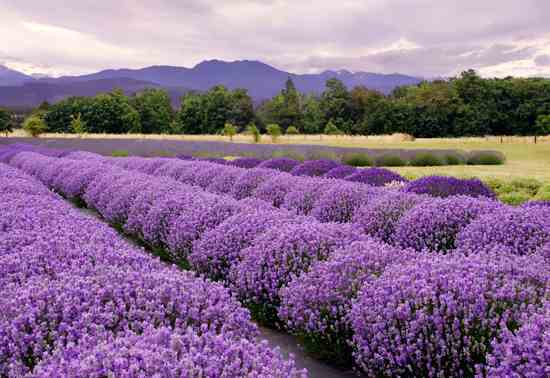
Successful herb cultivation is the foundation of any herb business. In 2026, certain herbs are projected to be particularly profitable due to increasing consumer demand and relatively easy cultivation. Lavender remains a strong contender, prized for its fragrance and versatility. Chamomile, known for its calming properties, is also in high demand. Echinacea, a popular immune-boosting herb, continues to see strong sales, but requires careful management to prevent overharvesting.
From my experience, culinary herbs like basil, rosemary, thyme, and oregano are consistently profitable, especially if you can supply local restaurants. These herbs have a relatively quick turnaround time and can be grown in smaller spaces. However, competition can be fierce, so it’s important to focus on quality and consistency. I’ve found that offering unique or heirloom varieties can give you a competitive edge.
Soil preparation is paramount. Herbs generally prefer well-drained soil with a pH between 6.0 and 7.0. Organic methods are highly recommended, both for the health of your plants and the preferences of your customers. Pest control should also be approached organically. Companion planting, beneficial insects, and natural pest repellents are all effective strategies. Avoid synthetic pesticides and herbicides at all costs.
Harvesting at the peak of flavor and potency is crucial. For culinary herbs, this is typically just before flowering. For medicinal herbs, timing depends on the specific plant and its intended use. Proper drying and preservation methods are essential for maintaining quality. Air drying, oven drying, and freeze-drying are all viable options. Organic certification can add value to your products, but it also requires meeting specific standards and undergoing regular inspections.
- Soil: Aim for well-drained dirt with a pH between 6.0 and 7.0.
- Pest Control: Organic methods only (companion planting, beneficial insects)
- Harvesting: Peak flavor and potency
- Preservation: Air drying, oven drying, freeze-drying
- Organic Certification: Consider for added value
The legal side of things
Navigating the legal and regulatory requirements is non-negotiable. Failing to comply can result in fines, penalties, or even business closure. You’ll likely need a business license to operate legally, and potentially a sales tax permit as well. Zoning regulations may restrict where you can grow and sell herbs, so it’s essential to check with your local planning department.
If you’re selling medicinal herbs or making claims about their health benefits, you'll need to be particularly careful. The Food and Drug Administration (FDA) has strict regulations regarding labeling and marketing of herbal products. You may need to comply with Good Manufacturing Practices (GMP) and potentially register your facility with the FDA. It's best to consult with a legal professional specializing in herbal regulations.
Liability insurance is also highly recommended. This will protect you in case of accidents or injuries on your property or from claims related to your products. Finally, accurate labeling is crucial. You must clearly identify all ingredients, net weight, and any potential allergens.
Marketing Your Herb Business
Growing high-quality herbs is only half the battle. You need a strategic marketing plan to reach your target customers. Farmers' markets are an excellent way to connect directly with consumers and build relationships. Online sales platforms like Etsy and Shopify offer wider reach, but require more marketing effort. Direct-to-consumer sales through Community Supported Agriculture (CSA) boxes can provide a steady stream of income.
Wholesale opportunities with local restaurants, health food stores, and herbalists can significantly increase your sales volume. However, wholesale prices are typically lower, so you need to factor that into your pricing strategy. Social media marketing is essential for building brand awareness and engaging with potential customers. Focus on creating high-quality content that showcases your herbs and their benefits.
Building a strong brand is crucial for standing out from the competition. Develop a unique brand identity, including a logo, color scheme, and messaging. Emphasize the quality, sustainability, and local sourcing of your herbs. Encourage customer reviews and testimonials. Word-of-mouth marketing is incredibly powerful.
I've found that workshops or farm tours are the best way to build a loyal following. It lets customers see your process firsthand. I also recommend trading products with local honey producers or bakers to get your herbs in front of their customers.
Scaling Your Herb Operation
What happens when demand for your herbs exceeds your current production capacity? Scaling your operation requires careful planning and investment. Expanding your growing space is the most obvious option, but it also requires additional land, labor, and resources. Consider adding greenhouses or high tunnels to extend your growing season and increase yields.
Hiring employees can free up your time to focus on marketing and business development. However, it also adds to your expenses and requires careful management. Automating certain processes, such as planting, harvesting, and packaging, can improve efficiency and reduce labor costs. Diversifying your product line can also help you reach new markets and increase revenue.
I’ve spoken with several herb farmers who successfully scaled their businesses by focusing on value-added products. For example, turning excess herbs into teas, tinctures, or salves can significantly increase your profit margins. Another strategy is to partner with other local businesses to create synergistic offerings.
Successful scaling requires a long-term vision and a willingness to adapt to changing market conditions. Don’t overextend yourself financially or compromise on quality. Focus on building a sustainable business that can thrive for years to come.
Resources and Further Learning
To help you on your journey, here’s a curated list of valuable resources. The Chestnut School of Herbal Medicine (chestnutherbs.com) offers comprehensive online herbal classes and workshops. Mother Earth News (motherearthnews.com) provides practical advice on organic gardening and homesteading. These are excellent starting points for learning more about herb cultivation and business management.
For a visual introduction to medicinal and herbal farming, I recommend checking out the YouTube video from Agriculture Central: Medicinal And Herbal Farming : Demanding Farming Business Ideas from Scratch - Beginners Guide. It offers a good overview of the industry and potential opportunities. There are also numerous books available on herbalism, organic gardening, and small business management.
Don't hesitate to connect with other herb farmers and herbalists in your area. Networking can provide valuable support, mentorship, and collaboration opportunities. Local farmers' markets and herbal guilds are great places to meet like-minded individuals.

No comments yet. Be the first to share your thoughts!