
Starting Costs: Real Numbers for Herb Farms
Starting an herb farm requires an initial investment. This section breaks down the costs to get a small-scale business off the ground, covering bare minimums and scaling-up expenses. The American Herbal Pharmacopoeia’s Good Agricultural and Collection Practice guidelines from 2006 provide a foundation for responsible farm setup.
Initial costs vary significantly depending on your land situation. Owning land is an advantage, but factor in soil testing, amendments (compost, fertilizer), and potential land clearing. A basic setup with a small garden plot, hand tools, seeds, and drying racks could cost $500 to $1,500. A more realistic starting point, including some irrigation and better tools, ranges from $3,000 to $8,000.
Scaling up adds costs. A greenhouse or high tunnel can add $2,000 - $10,000 to your initial investment. Irrigation systems, including drip setups, can cost $500 - $2,000. Also consider packaging materials, marketing, and business licenses. Chestnut School of Herbal Medicine notes that even starting with a single plant requires business planning; passion alone doesn't ensure profitability.
Create a detailed budget before starting and get quotes for all expenses. Be prepared to adjust plans as unexpected costs arise. Profitability depends on effective cost management from the outset.
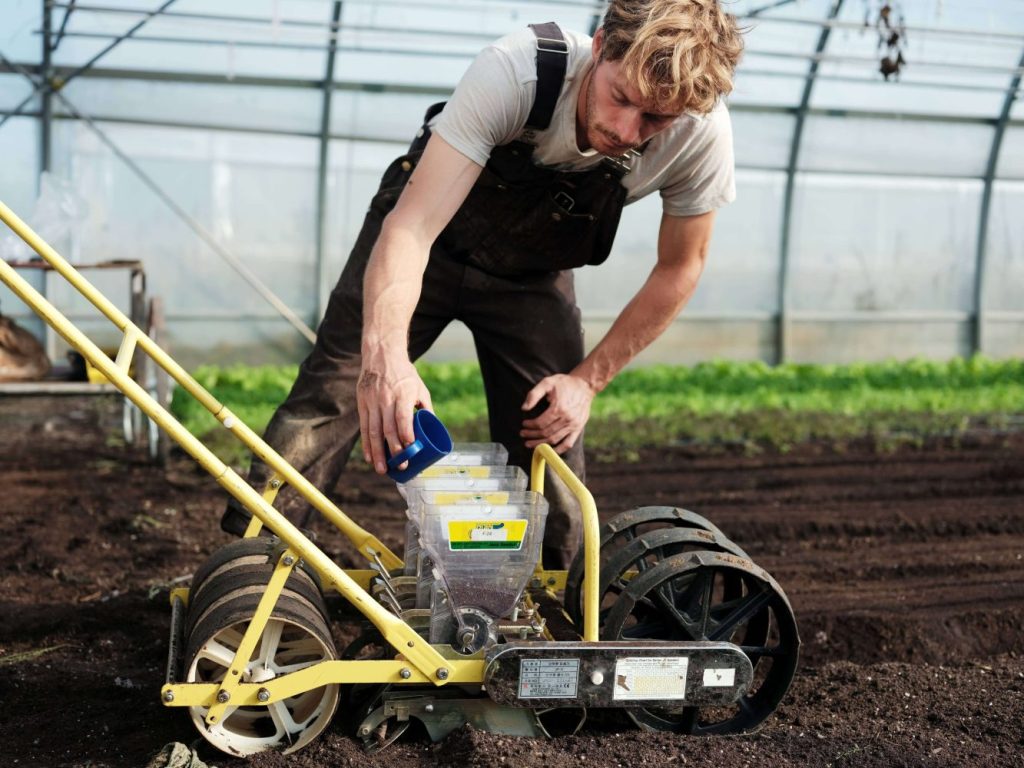
Essential Tools: Beyond the Hand Trowel
Beyond a trowel and hand fork, other tools are essential for commercial herb growing. These include seed starting supplies, irrigation, and basic harvesting equipment.
Seed starting requires trays, pots, and seed starting mix. A heat mat improves germination for herbs needing warmer temperatures. Drip irrigation delivers water directly to roots, minimizing waste and reducing fungal disease risk. Basic drip irrigation kits range from $100 - $300.
Harvesting tools depend on the herbs grown. Small scissors or pruning shears work for many, but a sickle or small harvesting machine may be needed for larger scales. Organic pest and disease control options include insecticidal soap and neem oil. A magnifying glass aids in early pest detection.
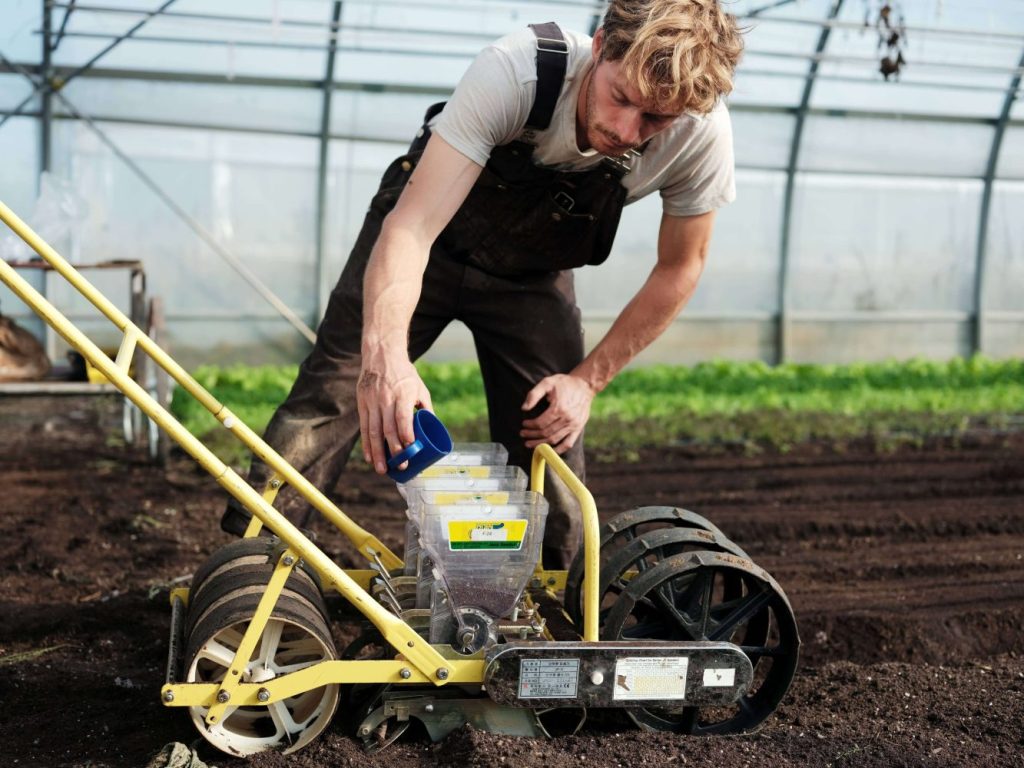
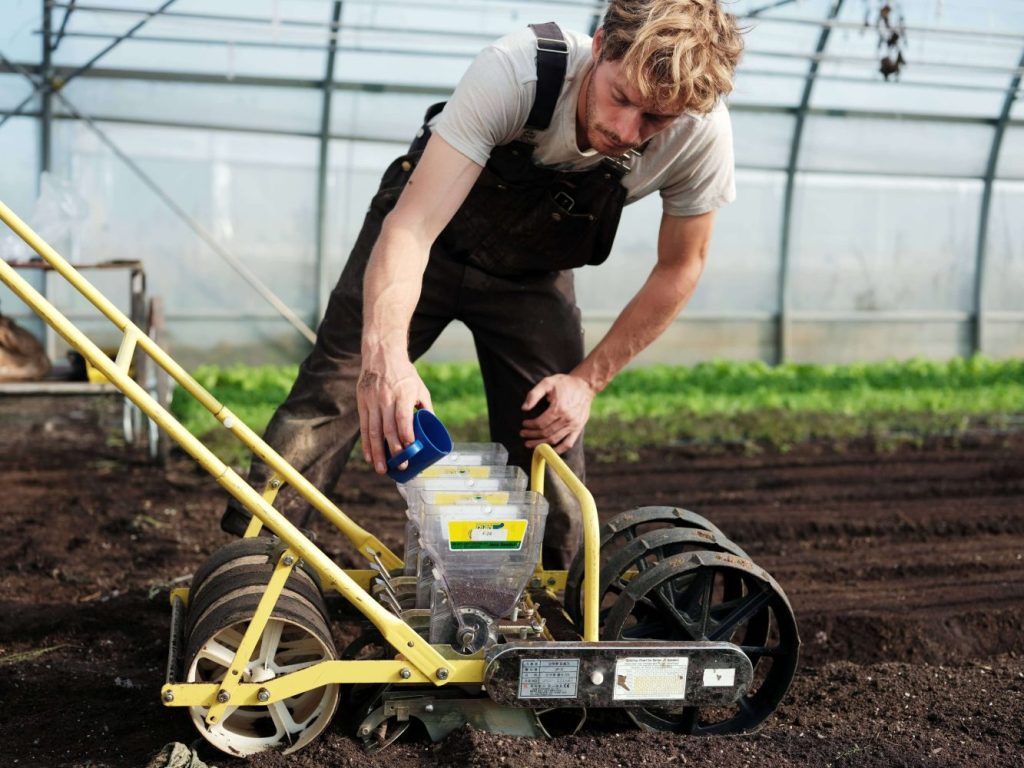
Powered options, like a walk-behind tiller, can save time preparing beds but represent a significant investment. Invest in tools that save time and labor, starting with essentials and adding more as the business grows. Consider used equipment to save money.
- Seed Starting: Trays, pots, heat mat, seed starting mix
- Irrigation: Drip irrigation kit, timer
- Harvesting: Scissors, pruning shears, sickle
- Pest Control: Insecticidal soap, neem oil, magnifying glass
Featured Products

36 individual cells for starting multiple herbs · Reusable and durable construction · Designed for optimal germination and seedling development
Provides an efficient and reliable way to start a large number of herb seeds indoors.
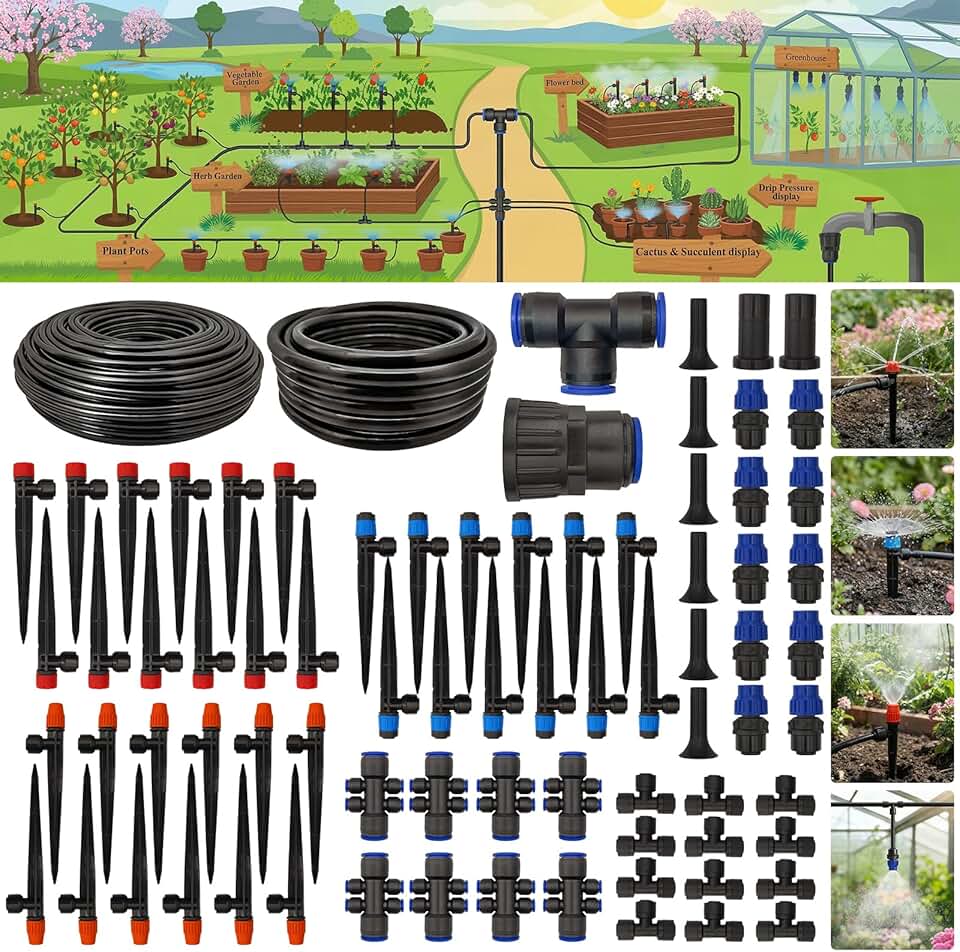
230 feet of tubing for extensive coverage · Quick-connect fittings for simple installation · Delivers water directly to plant roots, conserving water
Ensures consistent and efficient watering, crucial for healthy herb growth and water conservation.

Swiss-made precision bypass blade for clean cuts · Durable aluminum body with replaceable parts · Ergonomic design for comfortable use during long harvesting sessions
Offers superior cutting performance and durability for precise harvesting and plant maintenance.

Measures soil moisture, light, and pH · No batteries required, easy to use · Helps optimize growing conditions for healthier plants
Empowers growers to accurately monitor soil conditions, preventing over or under-watering and ensuring optimal plant health.
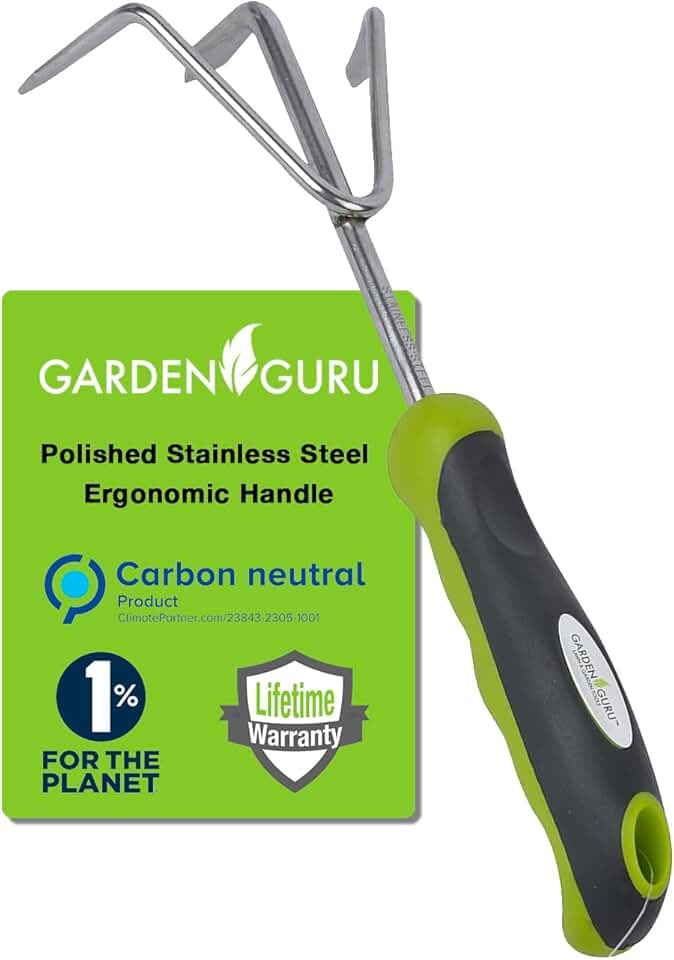
Durable stainless steel construction for strength and rust resistance · Ergonomic handle for comfortable grip and reduced fatigue · Ideal for loosening soil, weeding, and cultivating herb beds
Provides a robust and comfortable tool for essential soil preparation, weeding, and cultivation tasks.
As an Amazon Associate I earn from qualifying purchases. Prices may vary.
Greenhouses & High Tunnels: Worth the Investment?
Greenhouses and high tunnels extend the growing season, protect crops from weather, and can improve herb quality, but they are a significant expense. The decision to invest depends on climate, scale, and budget.
Hoop houses are the most affordable option, costing $1,000 - $5,000, but offer less insulation. Polycarbonate greenhouses range from $5,000 - $20,000 or more, providing better insulation and durability. Temporary pop-up greenhouses cost around $200 - $800.
Climate influences the choice; a hoop house may suffice in mild winters, while a polycarbonate greenhouse is better for harsh winters. Consider the operation's size; a small farm may need one small greenhouse, while a larger operation might require multiple. Ensure proper ventilation for disease prevention.
Carefully consider the costs and benefits before investing in a greenhouse. While it can extend the growing season and improve yields, it requires ongoing maintenance and energy costs. Starting small and adding a greenhouse later can be more cost-effective.
- Hoop Houses: $1,000 - $5,000
- Polycarbonate Greenhouses: $5,000 - $20,000+
- Pop-Up Greenhouses: $200 - $800
Greenhouse Comparison for Herb Growers: 2026 Buyer's Guide
| Greenhouse Type | Initial Cost | Durability | Climate Control | Ease of Setup | Scalability |
|---|---|---|---|---|---|
| Hoop House | Lower | Moderate - susceptible to weather damage | Basic - relies heavily on ventilation & side curtains | High - relatively simple construction | Moderate - expansion can be challenging |
| Polycarbonate Greenhouse | Medium | High - excellent resistance to weather | High - good insulation, allows for automated systems | Medium - requires more precise assembly | Medium - modular designs allow for some expansion |
| Pop-Up Greenhouse | Lowest | Low - lightweight materials, limited lifespan | Low - minimal climate control options | Very High - extremely quick and easy to assemble | Low - not designed for long-term or large-scale use |
| Gable Greenhouse (Poly Film) | Medium | Moderate - film needs regular replacement | Medium - good ventilation options, can add heating/cooling | Medium - requires a solid frame construction | Moderate - can be expanded with additional bays |
| Quonset Greenhouse (Poly Film) | Medium | Moderate - similar to gable, film replacement needed | Medium - good airflow, adaptable to climate control | Medium - requires frame assembly | Moderate - scalable by adding sections |
| High Tunnel (Poly Film) | Lower | Moderate - similar to hoop houses, more robust framing | Basic to Medium - ventilation & shade cloth are key | Medium - more involved than pop-up, less than polycarbonate | Moderate - limited scalability |
Qualitative comparison based on the article research brief. Confirm current product details in the official docs before making implementation choices.
Irrigation Systems: Water Wisely
Efficient water use is important for herb growth and the environment. Choosing the right irrigation system is critical for healthy herb growth.
Simple sprinklers are inefficient due to evaporation. Drip irrigation delivers water directly to roots, minimizing waste and reducing fungal disease risk. Micro-sprinklers suit larger areas. While a drip system has a higher initial cost, it saves money on water bills long-term.
Automated timers allow watering on a schedule, even when unattended, which is important during hot, dry weather. Soil moisture sensors can adjust watering based on soil moisture levels. Overwatering can occur without proper timers or sensors.
When choosing an irrigation system, consider garden size, layout, herb types, and water source pressure and flow rate. Proper installation and maintenance ensure efficient operation.
Harvesting & Processing: From Plant to Product
Growing is only half the battle. You need to harvest, dry, and process your herbs efficiently to maintain quality and shelf life. Proper handling is key. The timing of your harvest is crucial – it impacts flavor and potency.
The best time to harvest herbs is typically in the morning, after the dew has dried. Use sharp scissors or pruning shears to avoid damaging the plants. For leafy herbs like basil and mint, harvest the leaves regularly to encourage new growth. For root herbs like ginger and turmeric, harvest the roots in the fall. According to the American Herbal Pharmacopoeia guidelines, proper identification and documentation of the harvest date and location are essential.
Drying methods vary depending on the herb. Air drying is the simplest method, but it can take several weeks. Dehydrators are faster and more efficient, but they can also be more expensive. Ensure good air circulation regardless of the method to prevent mold. Proper drying is vital for preserving the herb's essential oils.
Once the herbs are dry, you can grind them, package them, and label them. Use airtight containers to protect the herbs from moisture and pests. Packaging materials should be food-grade and appropriate for the type of herb. Labeling should include the herb name, harvest date, and net weight.
- Harvesting: Use sharp tools, harvest in the morning
- Drying: Air drying or dehydrator
- Processing: Grind, package, and label
Post-Harvest Storage: Maintaining Herb Quality
So you've harvested and dried your herbs. Now what? Proper storage is critical for maintaining quality and potency. Herbs can lose their flavor and aroma quickly if they're not stored properly.
Airtight containers are essential. Glass jars are a good option, but plastic containers can also work. Store the containers in a cool, dark, and dry place. Avoid direct sunlight and heat. Moisture and pests are the enemy. I’ve lost entire batches of dried herbs to mold because of improper storage.
Labeling is also important. Include the herb name, harvest date, and net weight on the label. This will help you keep track of your inventory and ensure that you’re using the oldest herbs first. A simple spreadsheet can be a lifesaver for inventory management.
Consider using oxygen absorbers in your containers to further extend the shelf life of your herbs. These absorbers remove oxygen, preventing oxidation and preserving the herb's flavor and aroma.
- Containers: Airtight glass or plastic
- Location: Cool, dark, and dry
- Labeling: Herb name, harvest date, net weight
- Oxygen Absorbers: Extend shelf life
Scaling Up: Equipment for Growth
Let’s say your herb business is taking off. What equipment should you add next? Scaling up requires investing in more efficient and automated equipment to handle the increased workload. It’s a delicate balance between investing in automation and hiring help.
Larger greenhouses or high tunnels are a logical next step. Automated potting systems can significantly speed up the planting process. Commercial-grade dryers are more efficient than home dehydrators and can handle larger volumes of herbs. These investments can be substantial, so careful planning is essential.
Consider the costs and benefits of hiring help versus investing in more automation. Hiring help can free up your time to focus on marketing and sales, but it also adds labor costs. Automation can reduce labor costs, but it requires a significant upfront investment. I’ve found that a combination of both is often the best approach.
Don’t overlook the possibility of buying used equipment. You can often find high-quality used equipment at a fraction of the cost of new equipment. Online marketplaces and agricultural auctions are good places to look. Chestnut School of Herbal Medicine stresses the importance of adaptability and resourceful planning, which extends to sourcing equipment.
- Larger Greenhouses: Increased growing space
- Automated Potting Systems: Speed up planting
- Commercial Dryers: Efficient drying
- Used Equipment: Cost savings
Featured Products

12 Trays with 22.67 sq ft Usable Area · Full Stainless Steel Construction · Adjustable Temperature up to 190℉
This dehydrator is essential for preserving your herb crops, extending their shelf life and allowing for year-round sales.

440lb Capacity with 1oz Accuracy · Large Backlit LCD with Hold/Tare Functions · USB Power and Battery Operated
Ensure accurate shipping costs and professional presentation with this reliable and easy-to-use shipping scale.

6x16 Ft Walk-in Design · Durable Aluminum Frame and Polycarbonate Panels · Two Windows and Swing Door for Ventilation
This greenhouse provides a controlled environment to maximize herb growth and protect plants from adverse weather conditions.

15 Quart Stainless Steel Bowl · 3 Adjustable Speeds · 550W Powerful Motor
This commercial mixer is perfect for efficiently preparing larger batches of herb-based products, saving you time and labor.
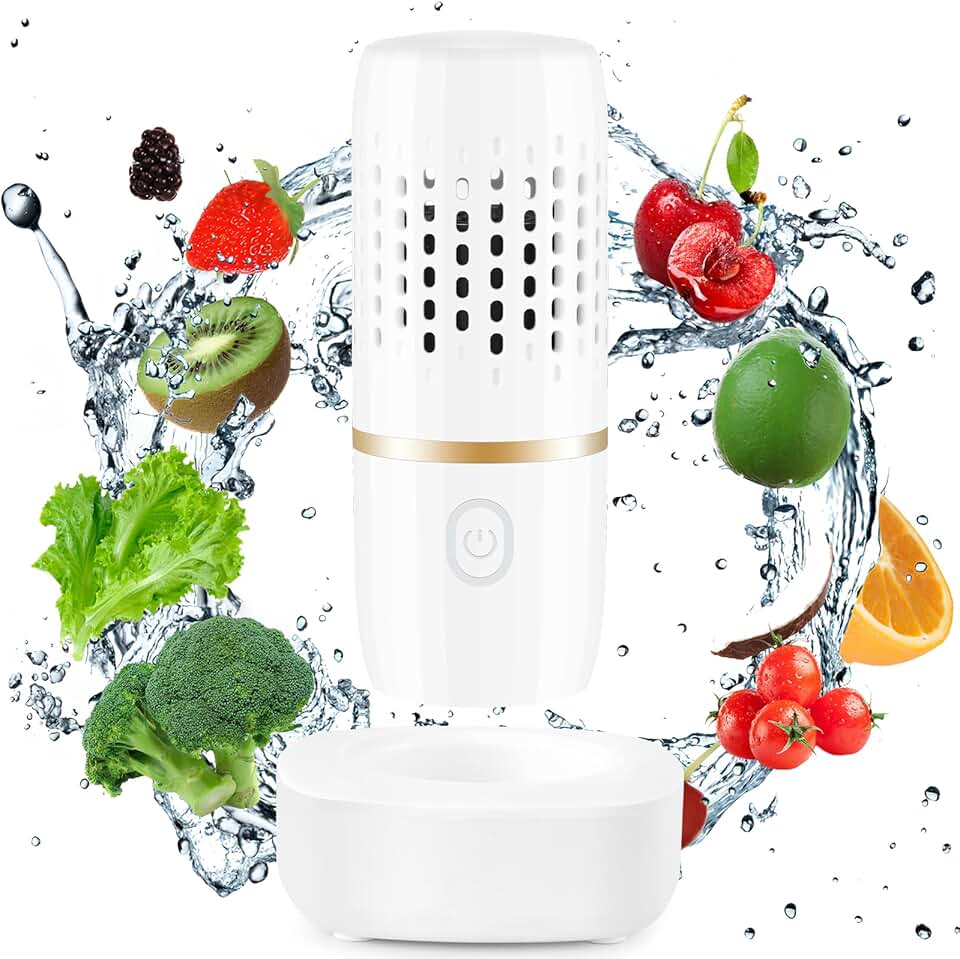
OH-ion Purification Technology · Cleans Veggies, Fruits, Grains, Rice, Meat, Seafood · Capsule Shape Design
Maintain the highest standards of food safety and quality by thoroughly cleaning your herbs before processing or sale.
As an Amazon Associate I earn from qualifying purchases. Prices may vary.
No comments yet. Be the first to share your thoughts!