
Which herbs generate the highest margins
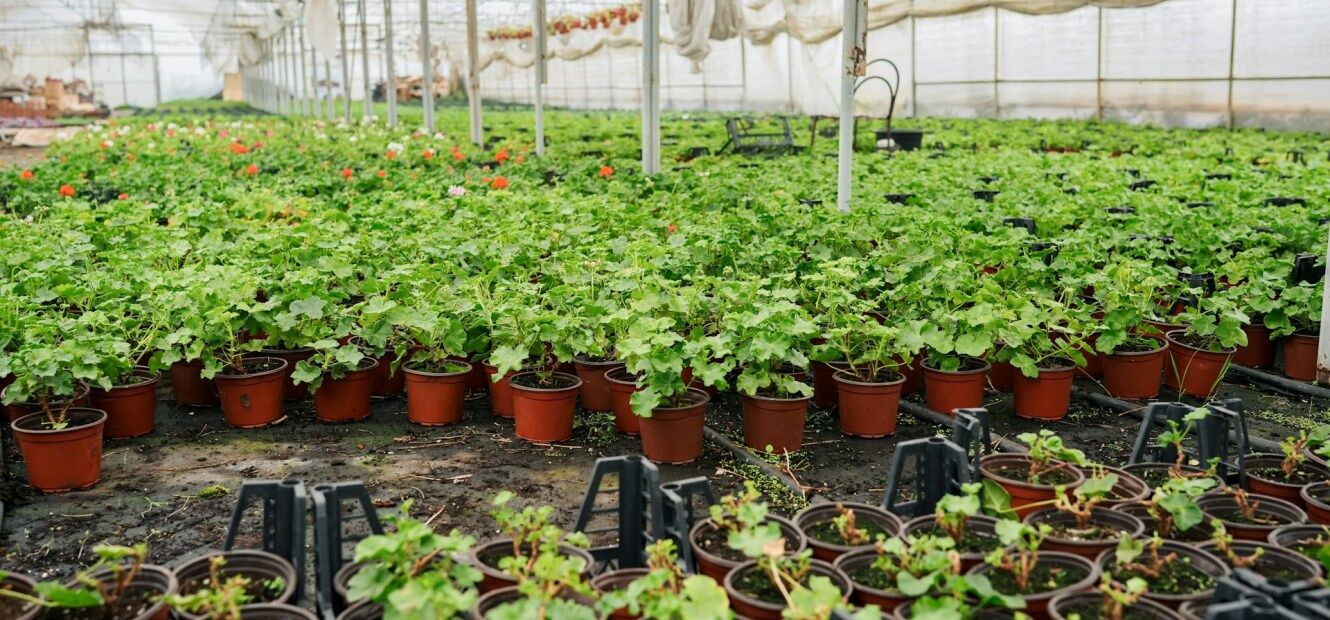
Growing profitable herbs requires balancing high market demand with manageable cultivation cycles. The most lucrative operations typically split their portfolio between fast-turnaround culinary staples and higher-value medicinal varieties. This hybrid approach stabilizes cash flow while capturing premium pricing for specialty crops.
High-Volume Culinary Herbs
Basil, parsley, and chives offer the quickest return on investment for commercial growers. These crops thrive in controlled environments and can be harvested multiple times per season. Their consistent demand from local restaurants and farmers markets ensures steady revenue, though margins are thinner compared to niche medicinal plants. Success here depends on operational efficiency and minimizing waste.
Premium Medicinal Varieties
Medicinal herbs like lavender, echinacea, and ashwagandha command significantly higher prices per pound. These crops require longer growth cycles and specific soil conditions, but the profit margin per unit is substantial. They are particularly valuable for direct-to-consumer sales through online stores or wellness shops, where consumers pay for perceived health benefits.

As an Amazon Associate, we may earn from qualifying purchases.
Essential herb farming equipment list
Scaling from a hobby patch to a commercial operation requires shifting from improvised tools to specialized infrastructure designed for volume and speed. The right equipment directly impacts your yield and margin by reducing labor time and minimizing crop damage during harvest and processing. Below are the core components needed to build a profitable herb farming workflow.
Washing and Processing Stations
Post-harvest handling is where most profit is lost due to spoilage or inefficiency. A dedicated washing station with a large sink or tank allows for rapid cleaning and hydration of delicate herbs like basil and cilantro before packaging. Commercial-grade colanders and drying racks ensure consistent moisture removal, which is critical for extending shelf life. Look for stainless steel units that resist corrosion and are easy to sanitize between batches.
Harvesting and Pruning Tools
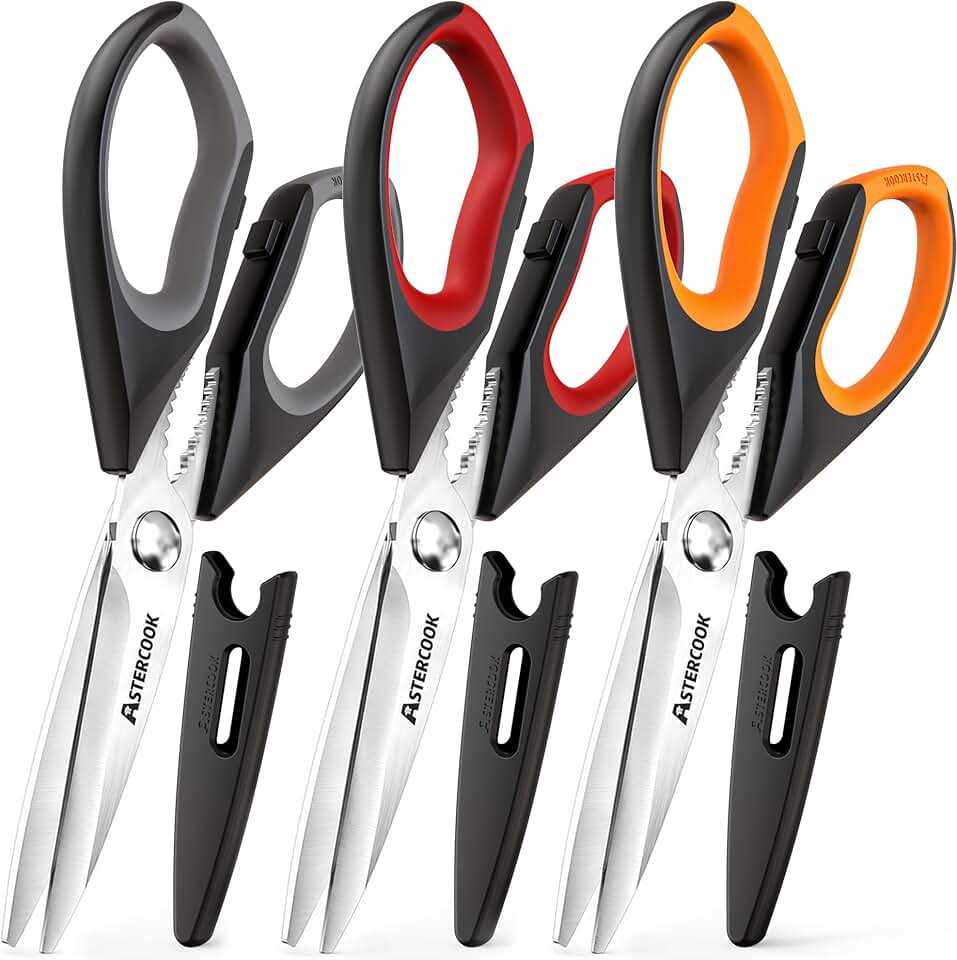
Precision cuts are essential for maintaining plant health and maximizing regrowth. High-quality bypass pruners and shears prevent crushing herb stems, which can lead to rot and disease spread. For larger operations, ergonomic handheld tools reduce hand fatigue during long harvesting windows, while bulk harvesters can significantly speed up the collection of hardy herbs like rosemary and thyme. Sharp, clean blades are your best defense against crop loss.
Growing Infrastructure
Controlled environments extend your growing season and protect high-value crops from weather volatility. Greenhouse kits provide the necessary structure for temperature and humidity control, while high-quality grow lights ensure consistent production during darker months. Drip irrigation systems deliver water directly to the root zone, conserving resources and reducing the labor associated with manual watering. Investing in durable infrastructure pays for itself through increased annual yields.


As an Amazon Associate, we may earn from qualifying purchases.
Comparing yield potential per square foot
When scaling profitable herbs, the margin between cost and revenue often hinges on density and harvest frequency. Some herbs, like basil, produce heavy biomass quickly but require constant cutting to prevent bolting. Others, such as rosemary, offer lower annual yields but can be harvested for years with minimal replanting costs. Understanding these operational differences helps you allocate square footage to the crops that maximize your return on investment.
The table below compares high-yield culinary herbs based on typical harvest cycles and dried weight conversion. Drying is a standard post-harvest step for many commercial herb growers, allowing for extended shelf life and easier shipping, which directly impacts net profit margins.
| Herb | Harvest Frequency | Dried Yield (oz/sq ft/year) | Typical Market Price (lb) |
|---|---|---|---|
| Basil | Every 2–3 weeks | 12–16 | $12–$18 |
| Cilantro | Every 3–4 weeks | 8–10 | $10–$15 |
| Parsley | Every 3–4 weeks | 6–8 | $8–$12 |
| Oregano | 2–3 times/year | 4–6 | $15–$20 |
| Rosemary | 1–2 times/year | 3–5 | $18–$25 |
Basil consistently tops yield charts due to its rapid growth cycle, making it a primary candidate for intensive vertical farming or high-density bed arrangements. However, its perishability requires a ready market or immediate drying infrastructure. In contrast, woody herbs like oregano and rosemary yield less per square foot annually but command higher prices per pound in dried form, offering stability for growers with limited drying capacity or storage space.


As an Amazon Associate, we may earn from qualifying purchases.
To maximize profitability, match your herb selection to your local climate and existing infrastructure. If you have access to efficient drying equipment, focusing on high-volume herbs like basil and cilantro can generate significant cash flow. If your operation is smaller or lacks drying facilities, woody herbs offer a lower-maintenance, higher-margin alternative that thrives with less frequent intervention.
Steps to launch your herb business plan
Turning profitable herbs into a revenue stream requires operational discipline. You must align your cultivation methods with your target sales channels before planting. This section outlines the critical setup phases, from legal compliance to logistics, ensuring your infrastructure supports high-margin yields.
Start by registering your business entity and obtaining necessary local permits. Commercial growers must comply with zoning laws, water usage regulations, and food safety standards. Proper legal groundwork prevents shutdowns and ensures you can sell to wholesale buyers who require documentation.
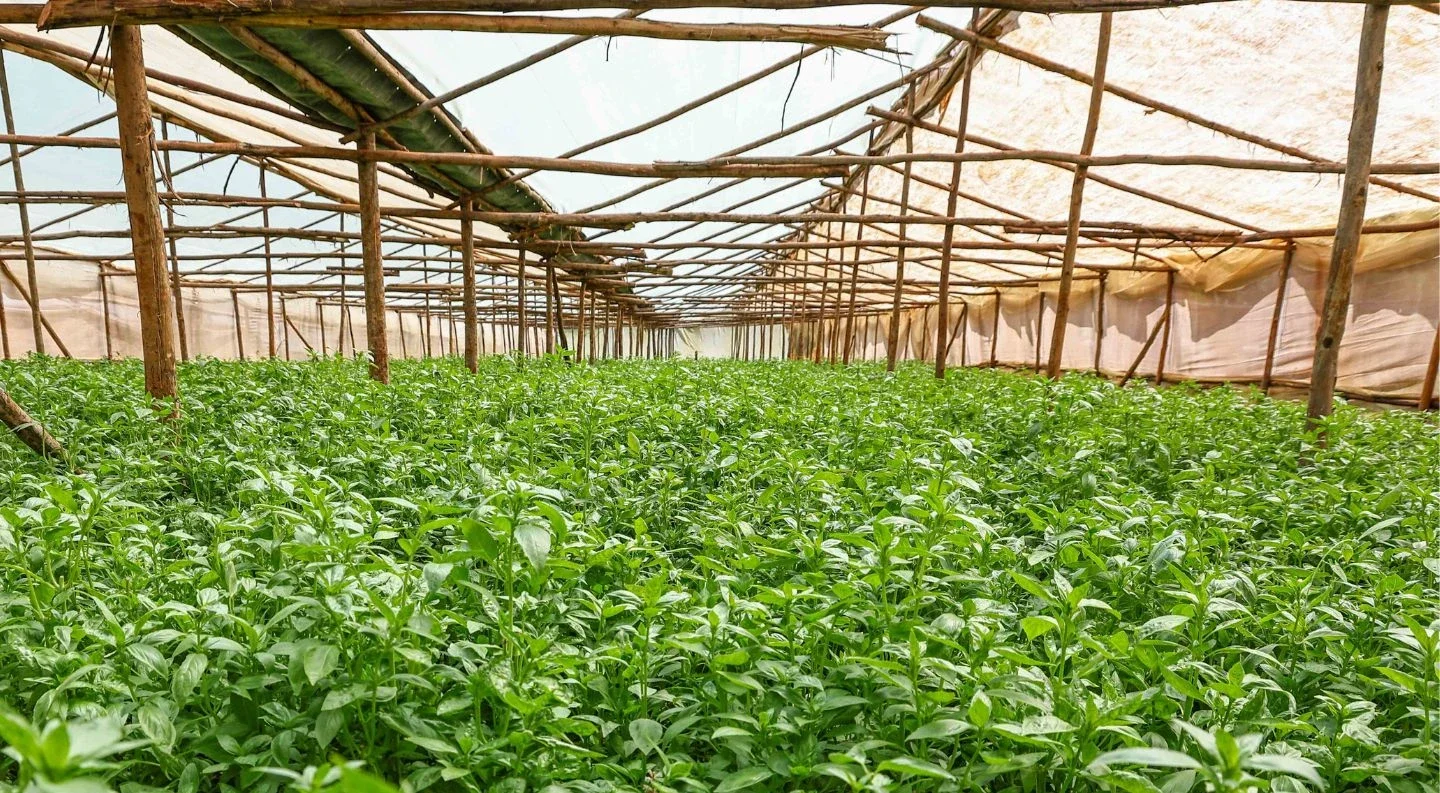
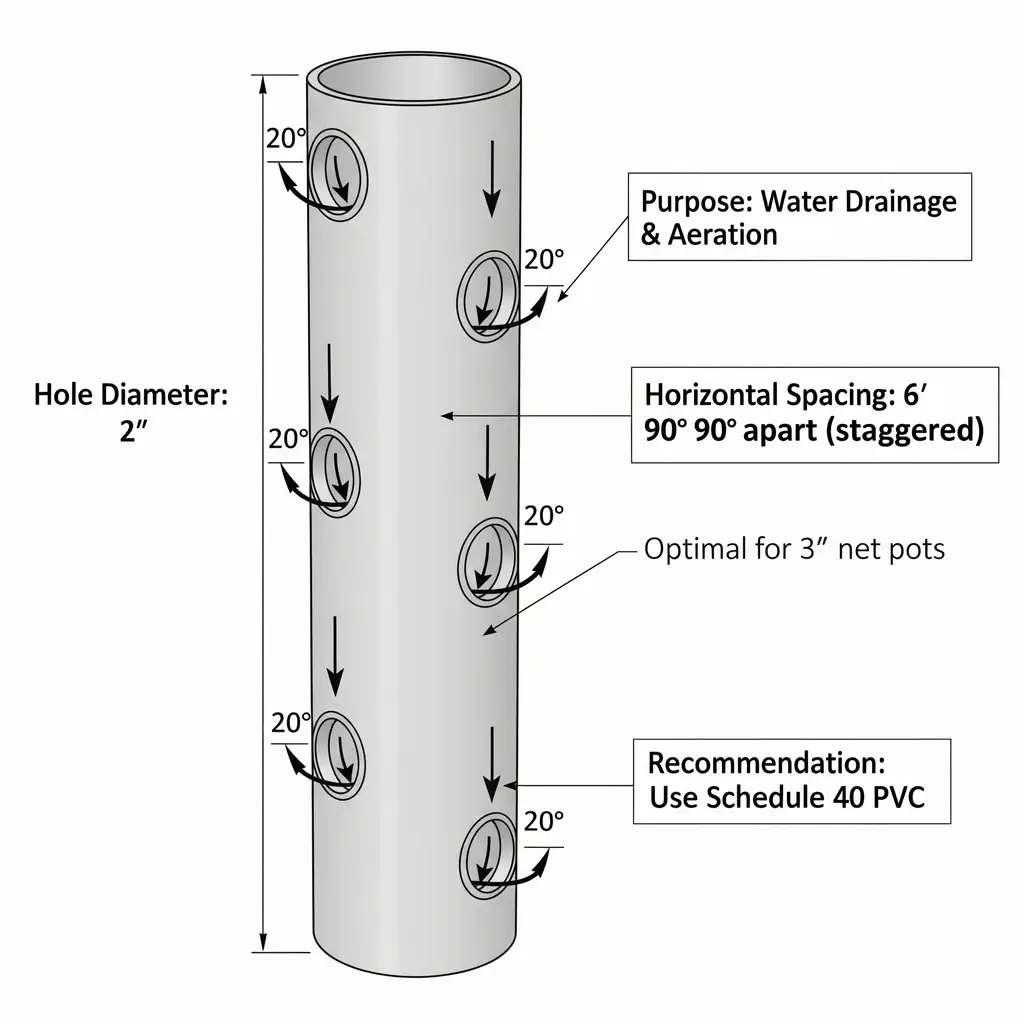
Choose between soil, hydroponics, or aquaponics based on your target crop and market. Hydroponic systems offer faster growth cycles and higher density, ideal for high-value herbs like basil. Soil-based systems are lower cost but require more labor. Match your infrastructure to the specific water and sun needs of your chosen herbs.

Invest in certified organic seeds and reliable growing media. Poor seed quality directly impacts yield consistency and profit margins. Source supplies from reputable agricultural vendors to ensure genetic purity and disease resistance. This foundational step is critical for maintaining the quality standards required by professional buyers.

Secure buyers before harvest. Develop relationships with local restaurants, farmers markets, or grocery stores. Consistent supply is key to retaining wholesale contracts. Consider direct-to-consumer options via online sales to capture higher margins, though this requires additional marketing and packaging logistics.

Standardize your post-harvest handling to minimize waste. Use clean, branded packaging that preserves freshness and extends shelf life. Efficient packing processes reduce labor costs and ensure product quality reaches the customer intact. This step directly impacts customer satisfaction and repeat business.


As an Amazon Associate, we may earn from qualifying purchases.
Common mistakes new herb growers make
New growers often confuse volume with profit, leading to operational bottlenecks that erase margins. The most frequent error is overplanting high-moisture crops like basil without the infrastructure to process them quickly. When harvest exceeds immediate sales or drying capacity, spoilage rates spike, turning potential revenue into waste.
Poor drying techniques represent the second major pitfall. Herbs require precise temperature and airflow control to preserve essential oils and color. Inadequate ventilation or excessive heat degrades product quality, causing buyers to reject batches or demand steep discounts. Consistent curing protocols are non-negotiable for maintaining premium pricing.
Ignoring buyer specifications is a third critical failure point. Chefs and retailers demand specific leaf sizes, stem lengths, and moisture levels. Growing herbs without understanding these requirements leads to mismatched inventory. Always align planting schedules and harvest methods with the exact standards of your target market.


As an Amazon Associate, we may earn from qualifying purchases.
No comments yet. Be the first to share your thoughts!