
Start with profitable herbs to grow
Choosing the right crops is the first step in building a viable commercial herb business. We selected these five herbs based on a combination of market demand, growth cycle speed, and established commercial infrastructure. The goal is to identify varieties where the return on investment is measurable and the risk is manageable for new and experienced growers alike.
Our selection process prioritizes crops with proven track records in both fresh and dried markets. We looked at data from agricultural extension services and grower communities to identify herbs that consistently perform well. These choices are not random trends; they are staples that supply chains already know how to handle.
When evaluating profitability, we considered more than just yield per square foot. We factored in the cost of specialized equipment, such as drying racks and hydroponic systems, against the potential wholesale price. Each herb below represents a different entry point into commercial farming, allowing you to choose based on your available space and capital.
As an Amazon Associate, we may earn from qualifying purchases.
5 High-Demand Herbs for Commercial Farming and Equipment ROI
Commercial growers are shifting focus to high-margin botanicals that maximize equipment utilization and yield per square foot. This guide evaluates the top five herbs for 2026 based on verified market demand, cultivation ROI, and compatibility with standard indoor farming infrastructure.
How to pick the right herb for your operation
Choosing the right herb requires matching crop traits to your specific resources. The market is saturated with general advice, but profitable commercial farming depends on matching demand with your operational strengths. A crop that yields high margins for a greenhouse grower may lose money for a field farmer due to disease pressure or labor costs.
Start by auditing your infrastructure. Indoor growers have an advantage with high-value, climate-sensitive crops like Thai basil or cilantro, which command premium prices year-round. Outdoor or hoop-house growers should prioritize hardier varieties like rosemary, oregano, or thyme, which withstand weather variability and require less intensive climate control.
Next, evaluate your labor capacity. Herbs like cilantro have a short lifecycle but require constant harvesting and rapid cold-chain logistics to prevent spoilage. In contrast, perennial herbs like lavender or bay leaf offer lower annual yield frequency but reduce annual planting and maintenance labor. Your choice dictates your equipment needs, from dehydrators and packaging machines to cold storage.
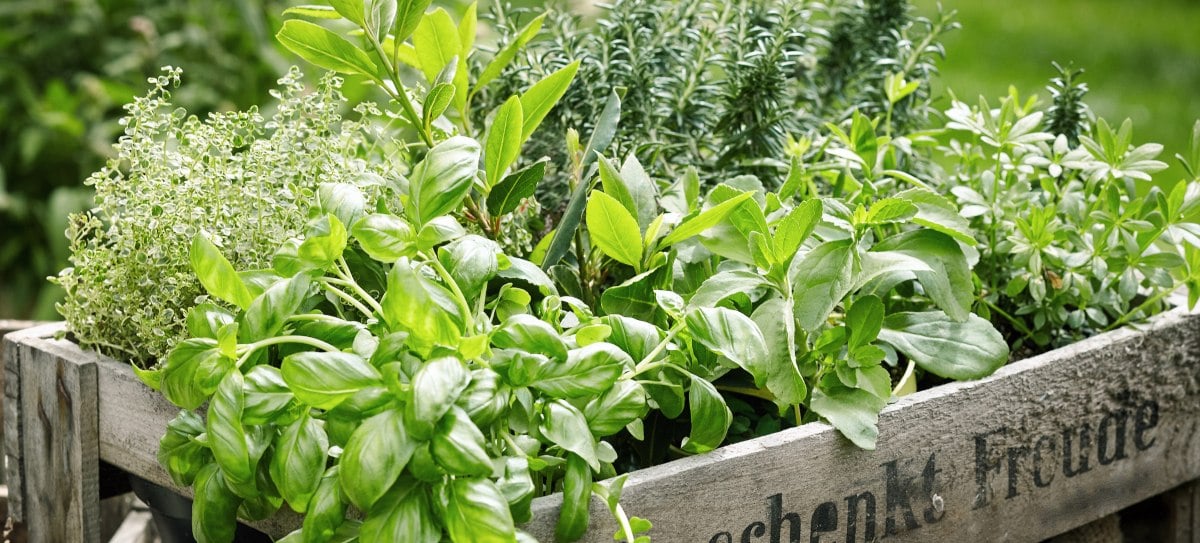
Match your growing environment to the crop. Cold-hardy perennials like rosemary and thyme thrive in outdoor beds across most US zones. Heat-sensitive annuals like cilantro and basil require protected environments or precise seasonal timing to avoid bolting.
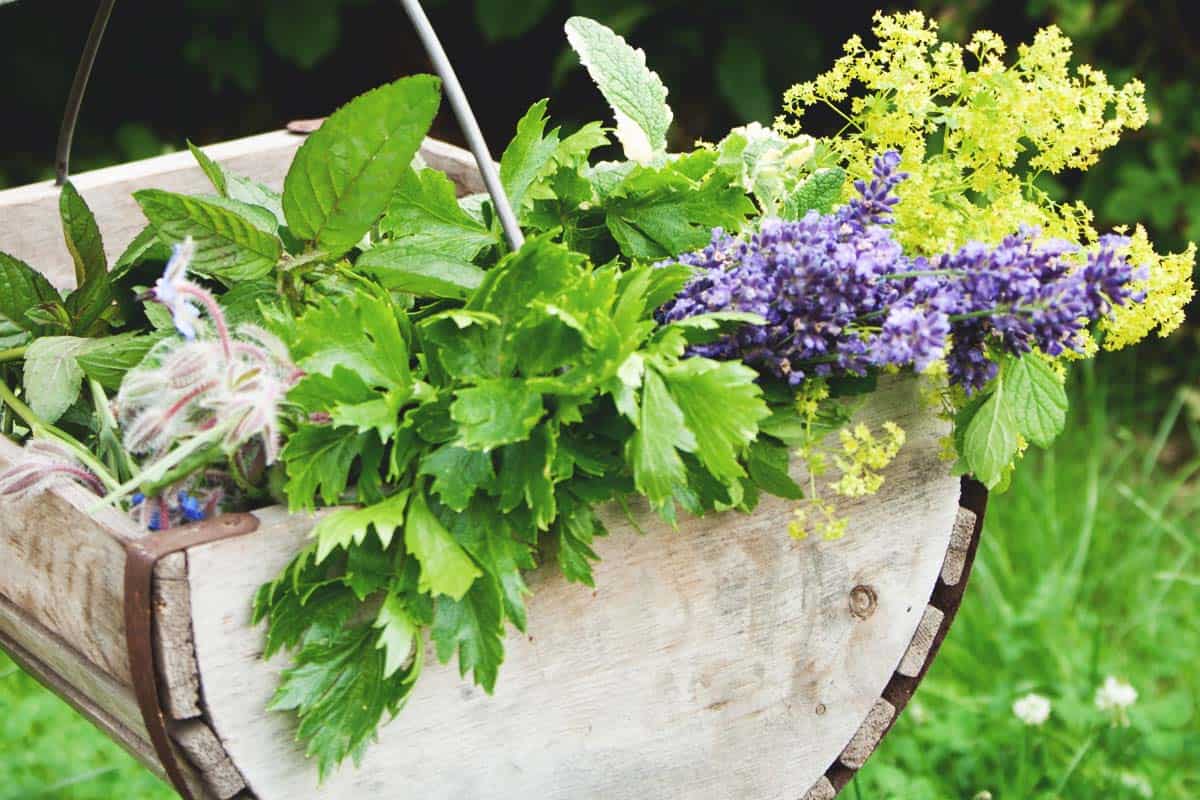
Identify your buyers before planting. High-volume, low-margin crops like parsley suit wholesale distributors. High-margin, low-volume crops like specialty mints or basil suits farmers markets, restaurants, and direct-to-consumer sales.
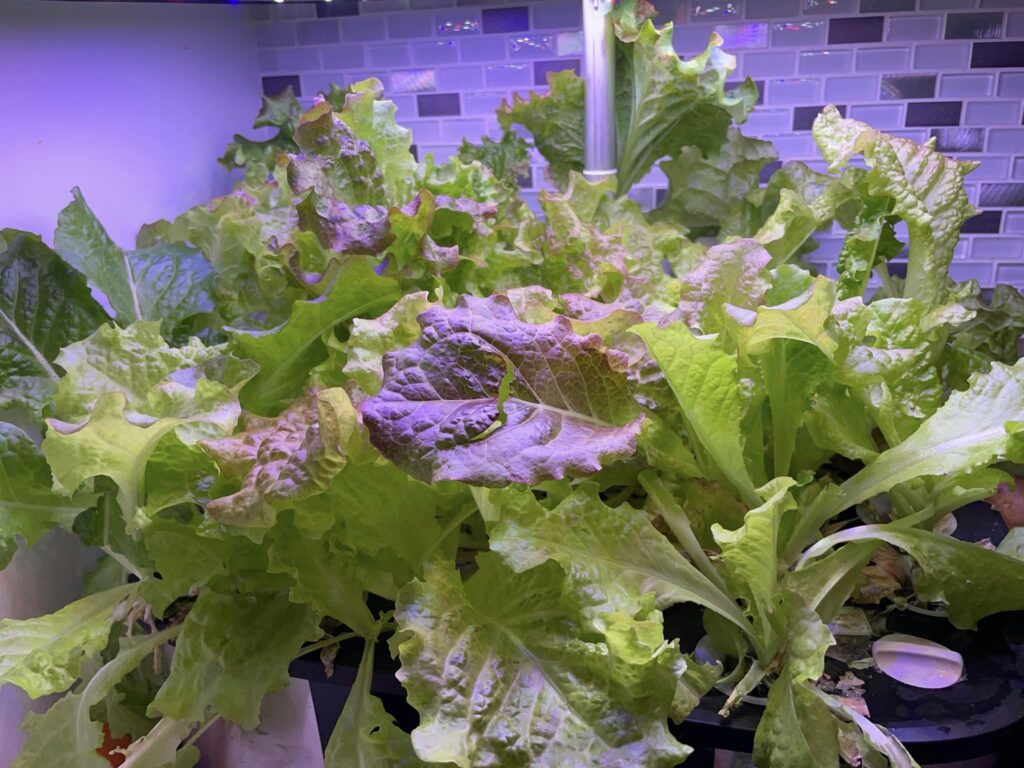
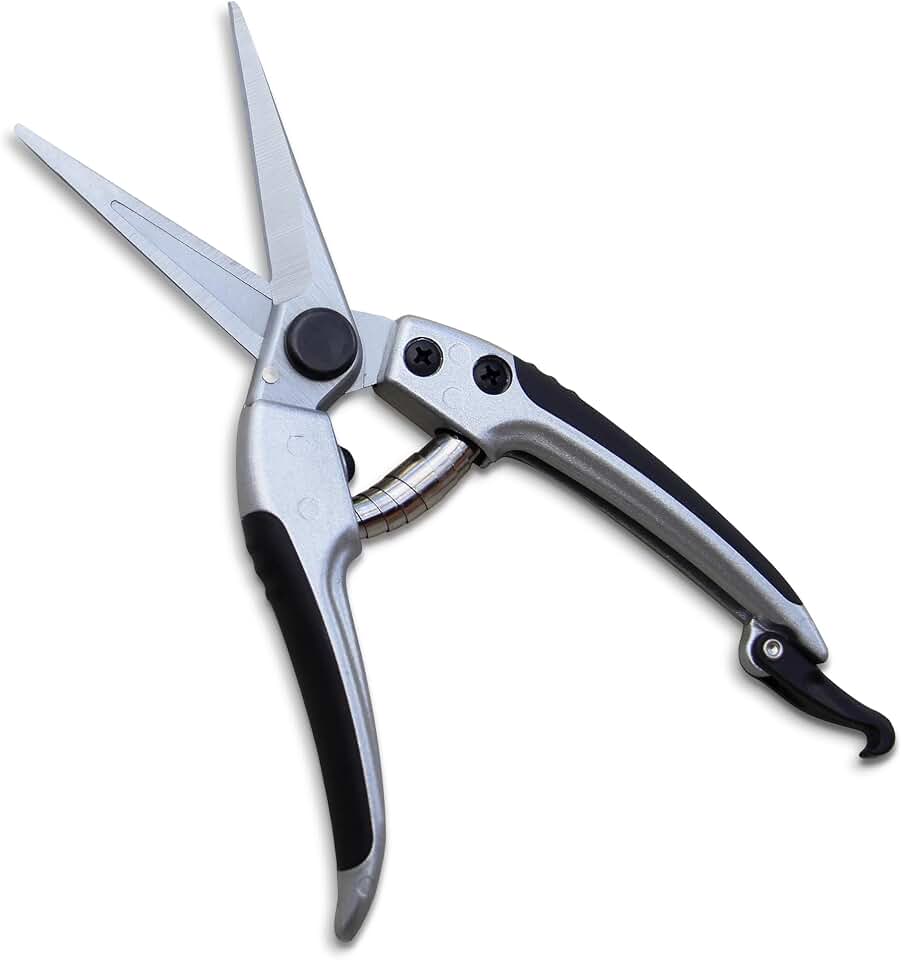
Ensure you have the tools to handle the harvest. Leafy herbs need rapid processing and refrigeration. Woody herbs require pruning shears and often drying racks or dehydrators to create shelf-stable products.
| Herb | Type | Labor | Best Environment |
|---|---|---|---|
| Basil | Annual | High | Indoor/Hoop-house |
| Rosemary | Perennial | Low | Outdoor/Field |
| Cilantro | Annual | High | Indoor/Hoop-house |
| Thyme | Perennial | Low | Outdoor/Field |


As an Amazon Associate, we may earn from qualifying purchases.
The Top 5 Herbs for 2026
1. Sweet Basil
Basil remains the king of commercial herbs due to its universal demand in Italian cuisine and pesto production. It commands a steady wholesale price and grows rapidly in hydroponic or soil-based indoor systems. However, it is highly susceptible to downy mildew, requiring strict sanitation protocols. For indoor growers, basil offers multiple cuttings per harvest, maximizing revenue per square foot. For outdoor growers, succession planting every two weeks ensures continuous supply through the summer.
2. Cilantro
Cilantro is a high-turnover crop favored by restaurants and ethnic food markets. Its primary challenge is bolting; it must be harvested quickly before flowering. This makes it ideal for indoor vertical farming where temperature and light can be controlled to delay bolting. The short growth cycle (30–45 days) allows for rapid cash flow, but it requires intense labor for harvesting and immediate cooling to maintain freshness.
3. Rosemary
Rosemary is a perennial woody herb that thrives in outdoor or hoop-house environments with minimal irrigation once established. It requires low labor input compared to leafy herbs, making it excellent for growers with limited staff. While the yield per harvest is lower than annuals, the plant produces for years, reducing replanting costs. Rosemary is often sold fresh, dried, or as essential oil, providing diversified revenue streams.
4. Thyme
Like rosemary, thyme is a hardy perennial that tolerates drought and poor soil. It is less sensitive to temperature fluctuations, making it a safe bet for outdoor growers in variable climates. Thyme has a long shelf life when dried, reducing spoilage risk. It is widely used in seasoning blends, ensuring consistent demand from food manufacturers and retail packs. Its compact growth habit allows for high-density planting.
5. Parsley
Flat-leaf parsley is a staple in almost every kitchen, ensuring stable wholesale demand. It is biennial but grown as an annual, offering a reliable growth cycle of 70–90 days. Parsley is more disease-resistant than basil and cilantro, making it a lower-risk crop for beginners. It can be grown in both indoor and outdoor settings, though indoor production allows for year-round supply when outdoor markets are slow.
No comments yet. Be the first to share your thoughts!