
Get your herb business foundation right
Before you buy equipment or plant a single seed, you need to lock in three prerequisites. Skipping these steps is the fastest way to waste money on inventory that won't sell or operations that violate local law.
1. Define your specific niche
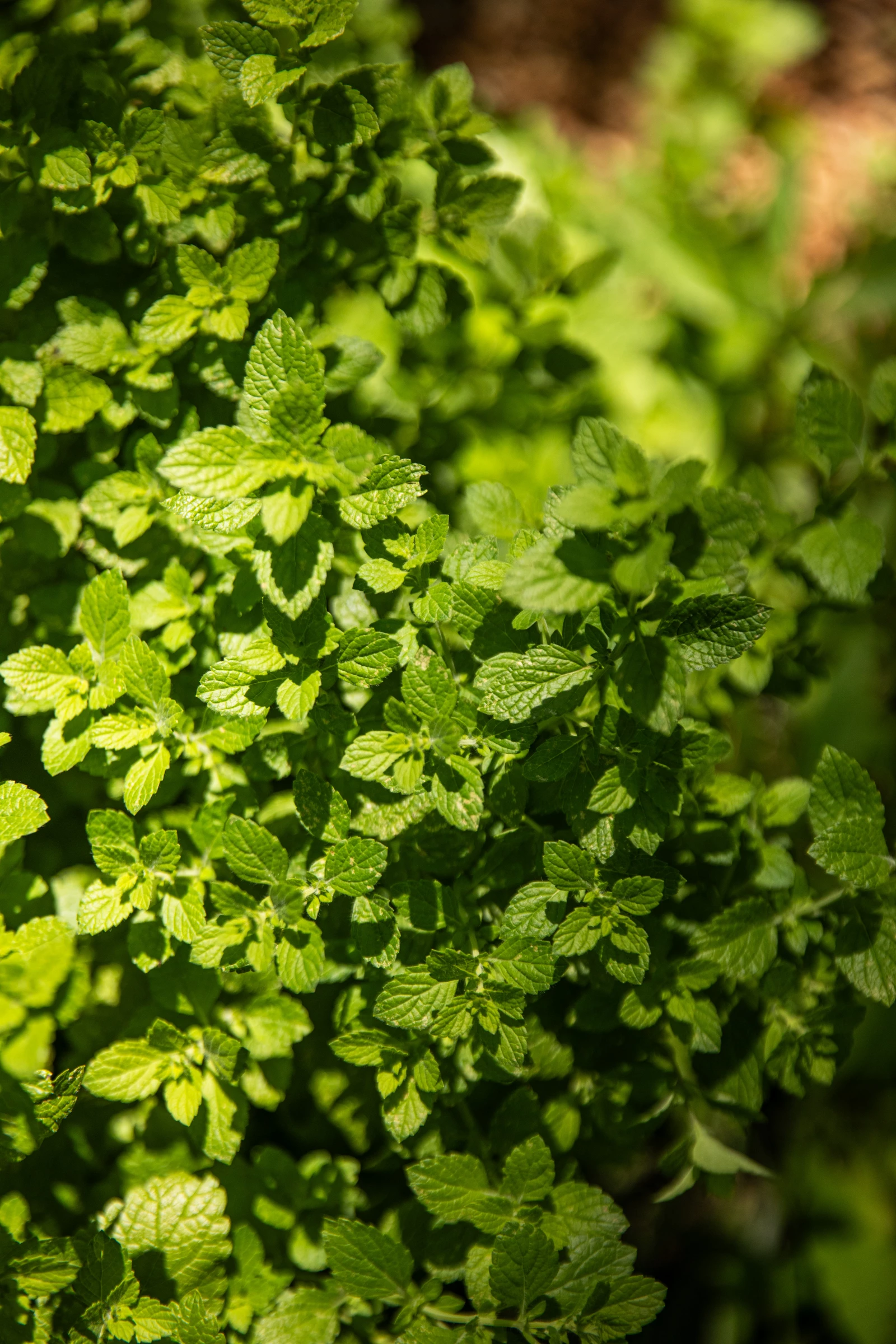
"Herbs" is too broad. You need to decide if you are selling fresh culinary bundles to local restaurants, dried medicinal leaves online, or live potted plants to garden centers. Your choice dictates your equipment, your marketing, and your customer base. A fresh herb business requires cold storage and rapid delivery; a dried herb business requires drying racks and packaging materials.
2. Check local regulations
Agricultural sales often fall under specific state and municipal codes. In many regions, selling fresh food requires a food handler’s permit or a farm license. Selling medicinal herbs may trigger additional health department scrutiny. Check with your local county extension office or state department of agriculture before you spend a dime. Non-compliance can shut you down before you open.
3. Validate demand with a small batch
Don’t scale to acres immediately. Grow a small plot of your chosen herbs and try to sell them at a farmers market or to a few local chefs. This tests your growing skills, your pricing, and your sales pitch simultaneously. If you can’t sell 20 bundles, you won’t sell 2,000.
Decide if you are focusing on fresh culinary herbs, dried medicinal blends, or live nursery stock. This decision drives every subsequent purchase.
Contact your county agriculture department to identify required permits for food sales or medicinal plant handling. Ensure you are legal before you harvest.
Grow a small quantity and attempt to sell it locally. Use this phase to refine your pricing and gauge customer interest without risking significant capital.
Work through the steps
The Herb Farming Blueprint works best as a clear sequence: define the constraint, compare the realistic options, test the tradeoff, and choose the path with the fewest hidden costs. That order keeps the advice usable instead of decorative.
After each step, pause long enough to check whether the recommendation still fits the reader's actual situation. If it depends on perfect timing, unusual access, or a best-case budget, include a simpler fallback.
Fix common mistakes
The most common mistake in starting an herb business is assuming that growing is the hard part. Sales, logistics, and compliance are often where new farmers fail.
Mistake 1: Overestimating shelf life. Fresh herbs wilt quickly. If you are selling to restaurants, you need a reliable cold chain. If you are selling online, you need packaging that protects moisture without suffocating the plant. Test your packaging with a 48-hour transit simulation before launching.
Mistake 2: Ignoring permit costs. Some localities charge significant fees for food processing or sales tax permits. Factor these into your initial budget. If the permits cost more than your projected first-month profit, reconsider your business model or location.
Mistake 3: Scaling too fast. Many new herb farmers plant too much too soon. This leads to waste if the market isn't ready. Start with a micro-batch, sell it, and only replant more once you have confirmed buyers.
No comments yet. Be the first to share your thoughts!