
Define your herb business model
Before you buy seeds or rent land, you need to decide what you are actually selling. The herb market is broad, ranging from fresh produce to shelf-stable supplements. Picking a specific niche now saves you from spreading yourself too thin later. You should aim for a model that matches your available space, budget, and local demand.
Think of your business options as three distinct paths. The first is selling fresh cut herbs. This is the most common entry point. You grow basil, cilantro, or mint and sell them immediately to farmers markets or local restaurants. It requires low startup costs but high daily labor because the product spoils quickly.
The second path is drying and selling whole herbs. Drying extends the shelf life significantly, allowing you to sell year-round. You might grow lavender or chamomile, dry them in a dehydrator, and package them in jars. This model reduces waste but requires equipment like dehydrators and storage containers.
The third option is value-added products. This means turning raw herbs into something new, such as herbal teas, infused oils, or salves. "Value-added" simply means you are processing the herb to increase its price and appeal. This path offers the highest profit margins but requires more knowledge of food safety regulations and packaging.
To help you compare these options, here is a breakdown of the typical startup requirements and potential margins for each model.
| Model | Startup Cost | Labor Type | Margin Potential |
|---|---|---|---|
| Fresh Cut | Low | High (daily harvest) | Low to Medium |
| Dried Herbs | Medium | Medium (processing) | Medium |
| Value-Added | High | Variable | High |
Select the most profitable herbs
Choosing the right crops is the first step to building a profitable herb business. Not all plants pay the same. Some herbs offer high margins because they are in constant demand, while others fetch premium prices when processed into value-added products. Value-added simply means selling the herb in a form that costs more to make, like dried bundles, herbal teas, or infused oils, rather than just fresh leaves.
To keep things simple, focus on varieties that match your local climate and your chosen sales channel. If you are selling at farmers markets, fresh basil and cilantro are reliable staples. If you are looking to sell online or to local shops, dried culinary herbs like oregano, thyme, and chives have a longer shelf life and lower shipping costs. This flexibility allows you to sell year-round, rather than being limited to the short window of a fresh harvest.
Top High-Margin Varieties
Basil: A market favorite that grows quickly. It has high turnover but requires consistent care. Ideal for local market sales.
Chives: Hardy and perennial, meaning they come back every year. They are easy to dry and sell well in bunches.
Lavender: High demand for dried sachets and oils. It thrives in dry climates and requires less water than leafy herbs.
Mint: Grows aggressively and is easy to harvest. Best sold as dried tea blends or in potted plants to control spread.
Market Price Trends
The following chart shows recent price trends for key culinary herbs. These trends help you decide which crops to plant based on current market demand and seasonal pricing.
Starting small with these resilient varieties lets you test your business model with low risk. Once you understand how your local customers respond to fresh versus dried herbs, you can expand your crop plan with confidence.
Calculate startup costs and budget
Starting an herb business is often more affordable than launching a traditional crop farm because herbs don't require massive acreage to generate meaningful income. However, your initial investment will vary significantly depending on whether you are operating from a home kitchen or setting up a dedicated growing site. Expect to budget between $2,000 and $10,000 for a lean, home-based startup, while a more robust operation with commercial infrastructure may require higher capital outlay.
Your budget needs to cover three main areas: land or space, infrastructure, and equipment. If you are starting small, your "land" cost might just be a few raised beds or greenhouse space. For infrastructure, consider the cost of high-quality soil, irrigation systems, and drying racks. Equipment costs can add up quickly if you plan to process herbs into value-added products—like teas, dried bundles, or soaps—which involves purchasing grinders, packaging materials, and labeling supplies.
To keep your initial costs manageable, focus on buying essential tools first. You don't need every piece of equipment on day one. Start with what you need to grow and process your first few varieties, such as basil, cilantro, or mint. As your sales grow, you can reinvest profits into larger dryers or specialized packaging machines. This approach helps you manage cash flow while you validate your market demand.
Choose essential farming equipment
You don’t need a warehouse full of heavy machinery to start an herb business, but you do need the right gear to handle your crop efficiently. Whether you are growing basil for a local farmer’s market or drying lavender for value-added products, your tools will determine how much time you save and how well your herbs hold up after harvest.
Start with the basics for planting and maintenance. A sturdy wheelbarrow is non-negotiable for moving soil, compost, and harvested bundles. For smaller plots, a high-quality hand trowel and a broad fork help you prepare beds without damaging delicate root systems. When it comes to irrigation, drip tape or soaker hoses are far more efficient than overhead sprinklers; they deliver water directly to the roots, keeping foliage dry and reducing the risk of fungal diseases like powdery mildew.
Harvesting requires sharp, clean tools. Pruning shears or sickles allow you to cut stems cleanly, which promotes regrowth for cut-and-come-again varieties like cilantro and mint. Avoid dull blades that crush stems, as this accelerates wilting. If you plan to sell dried herbs, you will need a drying rack or a food dehydrator. A dehydrator offers consistent temperature control, which is crucial for preserving the volatile oils that give herbs their flavor and aroma.
Finally, consider your processing needs. If you are creating "value-added" products—such as herbal teas, infused oils, or potpourri—you will need packaging materials, scales for precise weighing, and possibly a small grinder or blender. Investing in these core items early prevents bottlenecks when your first harvest comes in.

Navigate licenses and regulations
Before you harvest your first batch of basil or oregano, you need to clear the legal hurdles. Selling herbs isn't just about growing them well; it's about proving you can do it safely and legally. The rules vary depending on where you live and how you process your plants, so treating compliance as a checklist item is the smartest way to start.
Start with your general business structure. Registering your business name with your state and getting an employer identification number from the IRS are standard first steps. This separates your personal assets from your business and makes tax reporting much cleaner. You'll also want to check local zoning laws to ensure your growing operation, whether it's a backyard plot or a greenhouse, is permitted in your area.
If you plan to sell fresh herbs at farmers markets or to local restaurants, you'll likely need to look into agricultural exemptions and food safety practices. Many states have specific rules for "value-added" products—like dried herb blends or infused oils. These processed items often face stricter food safety regulations than raw produce because they involve handling, drying, and packaging. Understanding the difference helps you avoid costly fines later.
Finally, keep your records organized from day one. Whether you're tracking pesticide use, harvest dates, or sales receipts, good documentation is your best defense during an inspection. It shows buyers and regulators that you take safety seriously. For detailed guidance on herbal business regulations, resources like Learning Herbs offer clear overviews of what to expect as you scale.
Build your sales channels
You’ve grown the herbs. Now you need a way to sell them. The market is wide open, ranging from local farmers markets to wholesale contracts with restaurants and online stores. Each channel has its own rhythm, but they all share one goal: getting fresh product into customer hands.
Start by picking the sales channel that best fits your current volume and energy level. You don’t need to do everything at once.
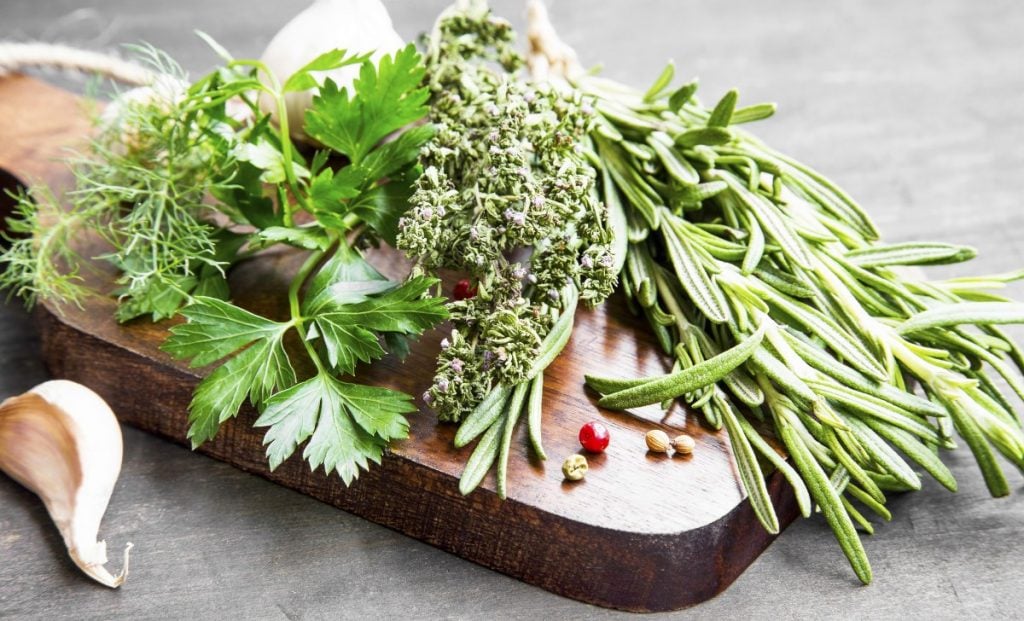
This is the fastest way to test demand. You get immediate feedback and build a local reputation. Focus on high-turnover varieties like basil, cilantro, and mint. Bring a simple display with clear pricing, and make sure your packaging is clean and professional. A small chalkboard sign can help explain unique varieties to curious shoppers.
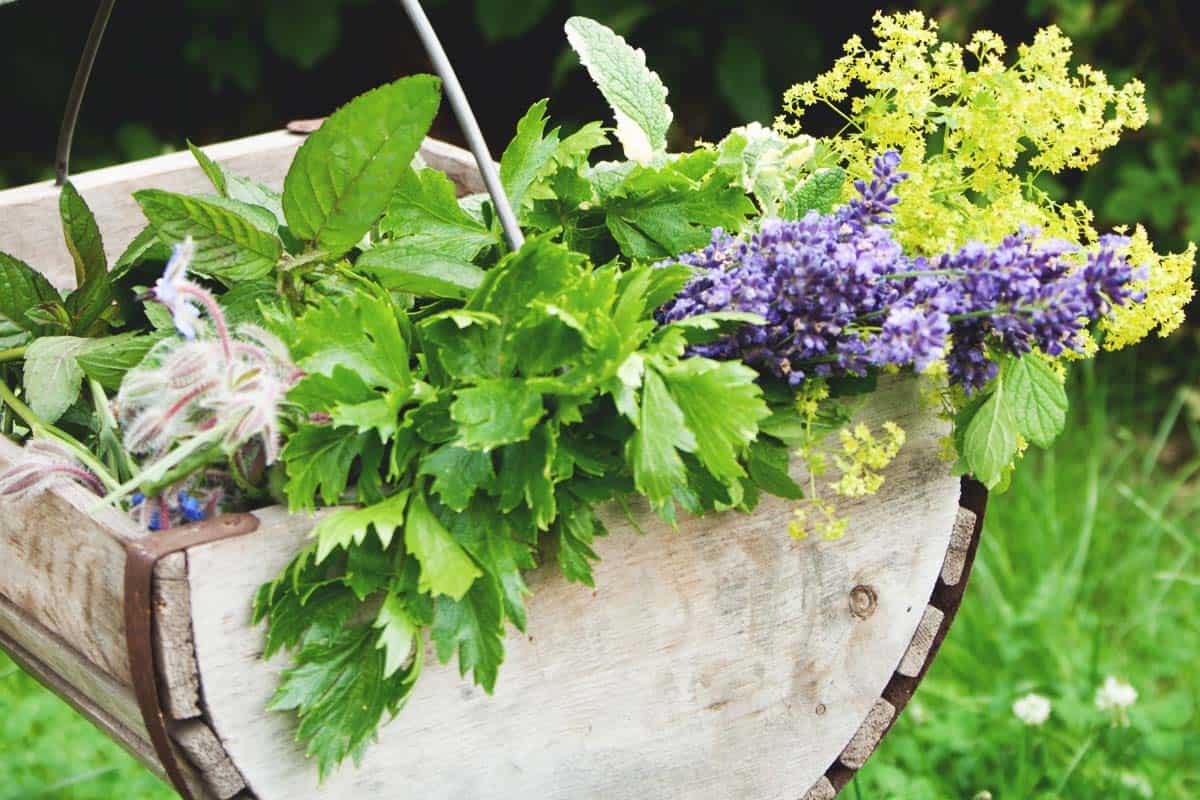
Restaurants and grocery stores buy in bulk, which means more predictable income. Chefs often look for specific, hard-to-find herbs like shiso, holy basil, or lemon verbena. Prepare a simple price list and sample kit. Visit local chefs in person; a face-to-face introduction builds trust faster than an email. Consistency and reliable delivery are your biggest selling points here.
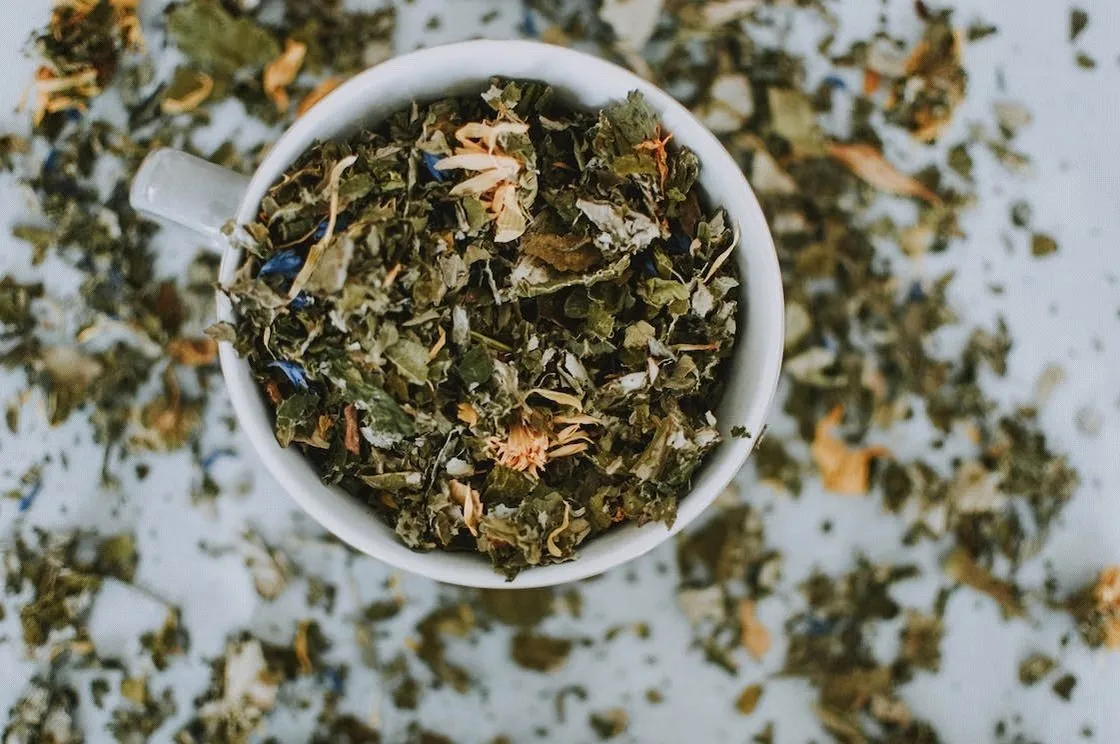
Selling online allows you to reach customers beyond your immediate area. You can sell fresh herbs, but also dried herbs, herb blends, or value-added products like herb-infused oils and salts. "Value-added" simply means you’ve processed the raw herb into something with higher perceived value. Use platforms like Shopify or Etsy to set up shop quickly, and focus on high-quality photos that show the freshness and scent of your product.
Building these channels takes time, but starting with one or two focused efforts is better than spreading yourself too thin. As you grow, you can expand into other markets like CSA (Community Supported Agriculture) boxes or local food co-ops.
By diversifying your sales channels, you protect your business against bad weather or slow weeks. Whether it’s a busy Saturday market or a steady monthly restaurant order, having multiple ways to sell ensures your herb business keeps growing.
Common mistakes to avoid
The easiest mistake with Start an Herb Business is comparing options on the most visible detail while ignoring the day-to-day constraint. A choice can look strong on paper and still fail because it is too hard to maintain, too expensive to repeat, or awkward in the actual setting. Use the same checklist for every option: fit, cost, durability, timing, upkeep, and fallback plan. That keeps the comparison practical instead of drifting into preference alone.
The simplest way to use this section is to write down the real constraint first, compare each option against it, and choose the path that still works outside ideal conditions.
No comments yet. Be the first to share your thoughts!