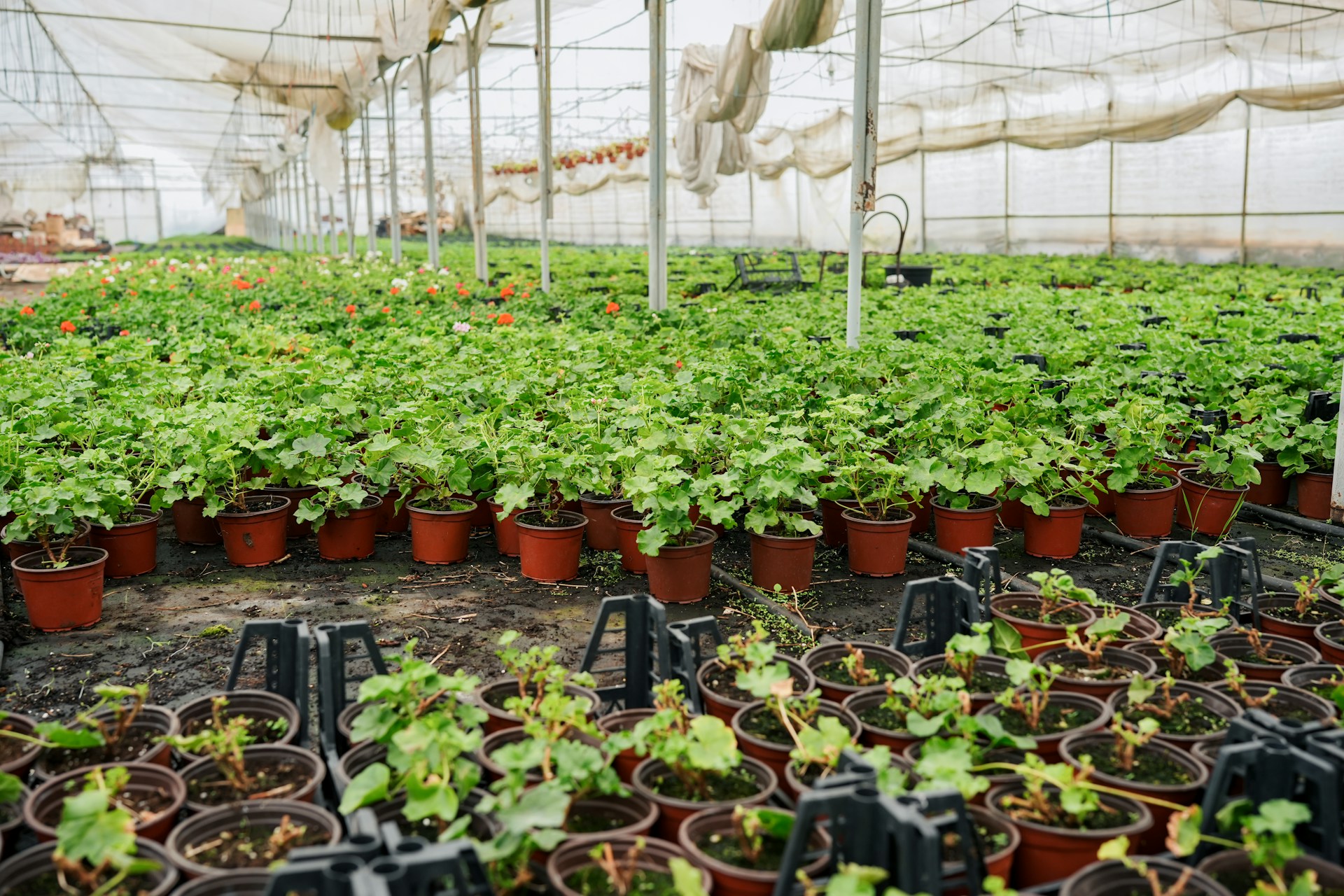

How to grow profitable herbs in 2026
Before buying seeds, match your growing conditions to market demand. Profitability depends on what survives your specific climate and infrastructure, not just what sells broadly. Planting heat-sensitive basil in a frost-prone zone drains your budget faster than a low-yield crop.
Start by auditing your space. Limited square footage favors high-turnover annuals like cilantro or dill, which require less long-term investment and can be harvested multiple times a season. Larger plots with established infrastructure suit perennials like lemon balm, catnip, or mint. These take a season to establish but provide returns for years, stabilizing annual costs.
Check local market gaps. The most profitable herb is often the one local chefs or farmers’ market buyers cannot easily source. Avoid generic commodities if a niche variety, such as Thai basil or shiso, commands a premium from the same customer base. Align your crop plan with your actual growing capacity to prevent waste.
Common mistakes in starting an herb business
Starting an herb business is often romanticized as a simple transition from garden to market, but the path to profitability is lined with avoidable errors. Many new growers fail not because their plants are unhealthy, but because they mismanage the business fundamentals that turn greenery into revenue. The most frequent pitfalls involve poor crop selection, inadequate post-harvest handling, and a lack of market alignment.
One of the most costly mistakes is planting perennial herbs like mint, lemon balm, or echinacea without a multi-year plan. While these plants offer returns in year two and beyond, they require a season or two to establish. New growers often expect immediate cash flow and abandon these crops before they become profitable. If you choose perennials, you must have the capital and patience to sustain the operation until the plants mature.
Another critical error is neglecting post-harvest handling. Herbs are perishable goods; their value drops sharply if they are not cooled and stored correctly immediately after harvest. Many beginners harvest in the heat of the day or leave bundles sitting in warm trucks, leading to rapid wilting and loss of customer trust. Proper cooling, clean packaging, and cold-chain logistics are not optional—they are the difference between a fresh product and a waste bin.
Finally, growing what you like rather than what the market buys is a recipe for unsold inventory. Popular culinary herbs like basil, cilantro, and parsley have consistent demand, while niche medicinal herbs may struggle to find buyers. Before planting, verify local demand through farmers' markets or restaurant partnerships. Aligning your crop plan with actual buyer needs ensures that your harvest translates into sales, not compost.
Profitable herbs to grow 2026: what to check next
Before planting, check the market. Profit depends on local demand, not just yield per square foot. Match your crop to buyers who pay for freshness or potency.
No comments yet. Be the first to share your thoughts!