
Starting an herb business budget
The cost to launch an herb business depends on your scale and whether you start indoors or outdoors. A home-based operation can begin for under $200, covering basic pots, soil, and seeds. Commercial growers investing in greenhouse infrastructure or commercial-grade lighting should expect startup costs between $2,000 and $10,000.
Start with what you have. If you are starting small, focus on high-value, low-volume crops like basil, cilantro, or chives. These herbs have quick turnover and consistent demand at local farmers markets. Avoid over-investing in equipment until you have validated your sales channels.
Essential startup costs include:
- Seeds and starter plants: $50–$150
- Growing medium and containers: $100–$300
- Basic tools (trowels, pruners, watering cans): $50–$100
- Packaging and labeling: $50–$150
- Marketing and market stall fees: $100–$500
As your business grows, you can reinvest profits into better infrastructure. This approach keeps your initial risk low while allowing you to scale based on actual demand. Consider starting with a few key herbs and expanding your product line as you learn what sells best in your local market.
Shortlist real options
Choosing the right entry point for an herb business depends on your available space, capital, and tolerance for regulatory complexity. Some models require minimal overhead but demand consistent marketing, while others involve higher startup costs for processing equipment and licensing. Below is a comparison of the most viable paths for starting an herb farming business in 2026.
Fresh Bulk Herbs
This is the lowest-barrier entry point. You grow high-demand culinary herbs like basil, cilantro, and parsley, selling them in bunches to local restaurants or at farmers markets. While the profit margin per pound is thin, the overhead is minimal. You can start with a small backyard plot or rented land, keeping initial costs under $2,000. The trade-off is volume; you must sell frequently to prevent spoilage. This model works best if you already have a local network of chefs or regular market customers.
Dried Culinary Blends
Drying herbs extends shelf life from days to months, allowing you to build inventory and sell year-round. This model requires a dehydrator, packaging materials, and potentially a cottage food license depending on your state. Margins are significantly higher than fresh sales because you are selling value-added products. You can create unique blends (e.g., Italian seasoning, taco spice) that stand out on shelves. This path suits entrepreneurs comfortable with basic food safety regulations and online marketing.
Essential Oils & Extracts
This is the highest-margin but most complex route. Producing essential oils requires steam distillation equipment and significant volume of plant material to yield small amounts of oil. Regulatory scrutiny is highest here, often requiring strict adherence to FDA guidelines and proper labeling. However, a single bottle of lavender oil can command a premium price. This model is best for those with substantial startup capital, technical knowledge of chemistry, and access to wholesale buyers or a strong direct-to-consumer brand.
Live Potted Herbs
Selling live plants in pots captures the "green thumb" market. Customers buy basil or mint plants to grow at home, paying a premium for the convenience of having a living source. Startup costs are low, primarily involving pots, soil, and seedlings. The main challenge is logistics; live plants are fragile and require careful handling during transport. This is an excellent seasonal strategy, particularly around holidays like Christmas when potted herbs serve as affordable gifts.
Inspect the expensive parts
Before scaling your herb farming business, audit the equipment and systems where mistakes cost the most. A single pump failure or poor ventilation setup can wipe out a harvest. Treat this inspection like a pre-flight check: if a component is cheap, it’s usually replaceable; if it’s expensive, it’s where you need to be meticulous.
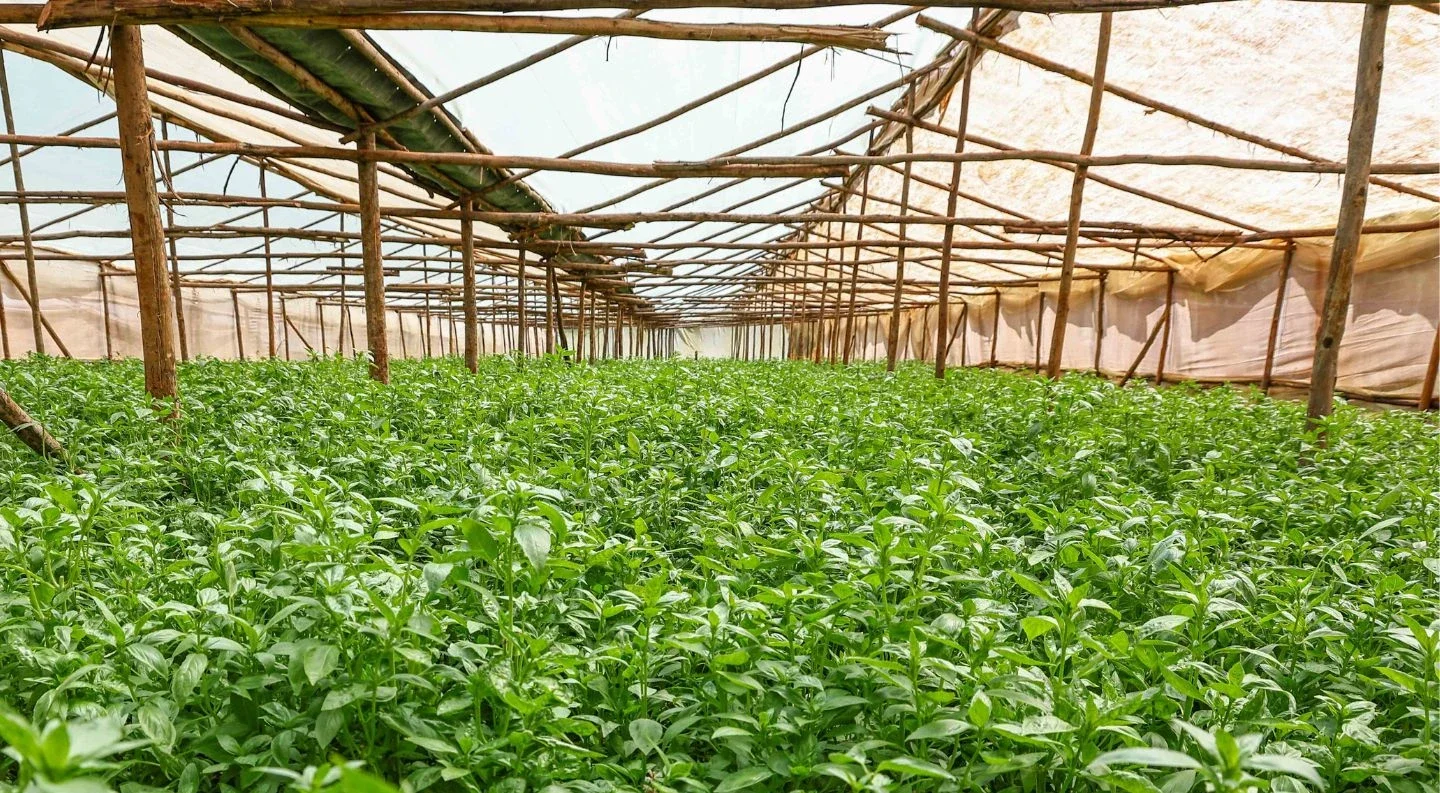
The pump is your heart. If it fails overnight, your crops dry out in hours. Check for unusual vibrations or noise, which signal bearing wear. Ensure the flow rate matches your system’s capacity—undersized pumps cause nutrient imbalance, while oversized ones waste energy and oxygenate the water too much. Inspect the intake strainer for clogs that reduce efficiency.
Lighting is your second biggest expense after the initial build. For LED setups, check for dead diodes or flickering, which indicate driver failure. For HPS/MH systems, inspect the ballast for heat damage or burnt wires. Clean reflectors regularly; dust buildup can reduce light output by 10-15%, forcing you to run fixtures longer and increasing your electricity bill without boosting yield.

Stale air leads to mold and powdery mildew, which can destroy your entire crop. Check that exhaust fans move the correct volume of air (CFM) for your grow space. Inspect carbon filters for saturation; a clogged filter increases back-pressure, making the fan work harder and potentially burning out the motor. Ensure ducting is airtight—leaks pull humid air into the room, creating ideal conditions for pathogens.
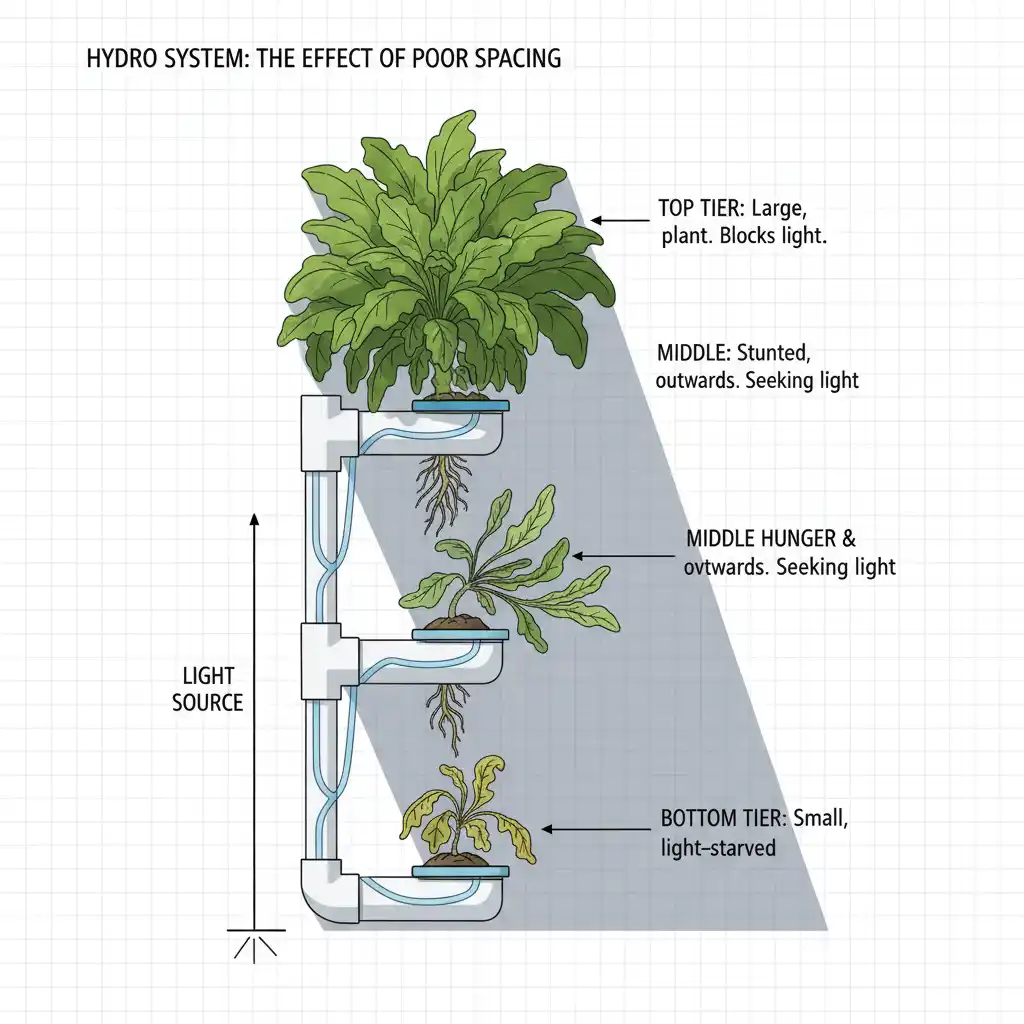
If you’re using soil, check for compaction or salt buildup, which block root growth. For hydroponics, scrub reservoirs with hydrogen peroxide between cycles to prevent biofilm. Inspect net pots for cracks that could allow roots to escape into the nutrient solution, causing clogs in the pump. Replace any media that shows signs of decomposition or nutrient lockout.

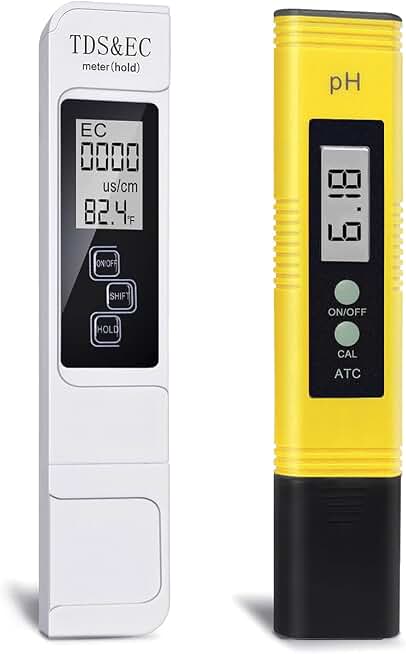
Temperature and humidity sensors drift over time. Cross-check your digital readouts with a reliable, calibrated hygrometer and thermometer. If your dehumidifier or AC unit isn’t responding correctly to the sensor’s data, you’re risking condensation on leaves—a primary trigger for fungal diseases. Calibrate or replace sensors that show a variance of more than 2%.
By focusing on these high-cost failure points, you protect your investment and ensure consistent, high-quality harvests. A small amount of preventive maintenance now saves thousands in lost crops and equipment replacement later.
Ownership costs: maintenance surprises and hidden fees
The sticker price of a greenhouse or indoor grow tent is only the entry ticket. The real cost of ownership lies in the daily operations that don't always appear on a sales receipt. For a small-scale herb farm, these recurring expenses can quietly eat into margins if they aren't accounted for in your initial business plan.
Electricity is usually the largest variable cost. Unlike a traditional garden, indoor or controlled-environment farming requires lighting, ventilation, and climate control to run consistently. A poorly insulated space or inefficient LED setup can double your power bill compared to a well-designed system. Always calculate the wattage of your full setup and multiply it by your local electricity rate and expected daily hours of operation.
Water and substrate also add up. Hydroponic systems, while water-efficient in theory, require precise nutrient solutions that must be replaced regularly. Soil-based setups need high-quality potting mixes and fertilizers. Don't overlook the cost of water filtration; many herbs are sensitive to chlorine and heavy metals in tap water, so investing in a basic filtration system is often cheaper than losing a crop to root rot or nutrient burn.
Finally, consider the "cheap buy" trap. Entry-level fans, pumps, and timers often fail within the first growing season. Replacing a $20 pump three times a year costs more than buying a $60 commercial-grade unit once. When evaluating equipment, look at the warranty, replacement part availability, and user reviews regarding longevity rather than just the upfront price.


As an Amazon Associate, we may earn from qualifying purchases.
How to start an herb business
Starting an herb business requires balancing agricultural skill with retail strategy. The path to profitability depends on choosing the right crop and understanding local regulations before investing in infrastructure.
Can I make money selling herbs?
Yes, but margins vary significantly by volume and product type. Small-scale growers often start with backyard plots or rented land, keeping initial costs under $2,000. Profitability increases when moving beyond raw leaves to value-added products like dried blends or essential oils, which command higher price points at farmers' markets and online.
Which herb is most profitable?
High-value culinary and medicinal herbs typically offer the best return on investment. Basil, cilantro, and mint are staples with consistent year-round demand. For medicinal applications, lavender and echinacea provide strong margins due to their use in teas and cosmetics. Research local restaurant and apothecary needs to identify which specific varieties sell fastest in your area.
Do I need a license to sell herbs?
Regulations depend on whether you are selling raw produce or processed goods. Most jurisdictions require a general business license and a sales tax permit for raw herb sales. If you process herbs into teas, tinctures, or packaged blends, you may need additional food safety certifications and labeling compliance. Always check with your local county clerk and state department of agriculture for specific requirements.
Which herbs are in high demand?
Culinary herbs like basil, parsley, and thyme remain the highest-volume sellers for home cooks and restaurants. Medicinal herbs such as chamomile, peppermint, and sage are growing in popularity due to the wellness trend. Focus on varieties that thrive in your local climate to reduce maintenance costs and ensure consistent quality for buyers.
No comments yet. Be the first to share your thoughts!