
Market outlook for commercial herb growing
The global culinary and medicinal herb market is shifting from a niche hobbyist sector into a high-stakes commercial arena. For 2026, the financial viability of growing herbs depends less on gardening skill and more on understanding supply chain dynamics and consumer demand shifts. This is not about filling a backyard pot; it is about managing a volatile agricultural asset class where margins are tight and timing is everything.
Historical data shows a steady upward trajectory in market value, driven by the mainstreaming of fresh, locally sourced produce in both retail and food service sectors. However, the barrier to entry has risen. Successful commercial growers are no longer just planting seeds; they are analyzing market trends to select crops with the highest return on investment.
Understanding these macro trends is critical before committing capital to infrastructure or seeds. The following chart illustrates the historical and projected market value trends for the global culinary and medicinal herb market, highlighting the scale of opportunity and the competitive landscape you are entering.
Top culinary herbs with highest margins
For new commercial growers, the path to profitability often starts with herbs that have rapid turnover and consistent buyer demand. While saffron commands a high price per pound, it requires significant land and labor. Instead, focusing on high-volume culinary staples like basil, cilantro, and mint offers a more reliable return on investment for small to mid-scale operations.
These three herbs are not just popular; they are perishable commodities that restaurants and grocery stores restock weekly. This creates a recurring revenue stream that is less dependent on seasonal spikes. As noted by industry guides, herbs like basil, cilantro, and mint typically bring in more profit than slower-growing alternatives because their quick growth cycles allow for multiple harvests per season.
Current Market Pricing
Understanding the wholesale price range is essential for calculating your break-even point. Prices fluctuate based on seasonality, region, and whether the product is sold fresh or dried. The following widget provides a real-time look at the broader market trends for these popular culinary plants.
Note: Herb commodity indices can be volatile. For precise local pricing, consult your regional extension service or local wholesale market reports.
Basil: The Volume Leader
Basil is arguably the most consistent seller in the culinary herb market. Its high demand from both restaurant chains and retail markets makes it a safe starting point. However, it is also highly perishable, meaning your logistics and cold chain management must be tight. Success here depends on speed: getting the product from the field to the buyer within days of harvest.
Cilantro: High Turnover, High Risk
Cilantro (coriander leaf) has a very short shelf life, often lasting only a few days after harvest. This risk is offset by its extremely fast growth cycle and high demand in many cuisines. Growers who can manage the post-harvest handling effectively often see higher margins per square foot than with slower-growing herbs. The key is to plant in smaller, more frequent batches to ensure freshness.
Mint: The Resilient Performer
Mint is nearly indestructible and grows vigorously, making it ideal for beginners. It has a long shelf life compared to basil and cilantro, reducing waste. While the price per pound may be lower, the consistency of supply and low maintenance costs make it a steady income generator. It is often sold in bundles or as potted plants year-round, providing a buffer during off-seasons for other herbs.
Medicinal and niche herb opportunities
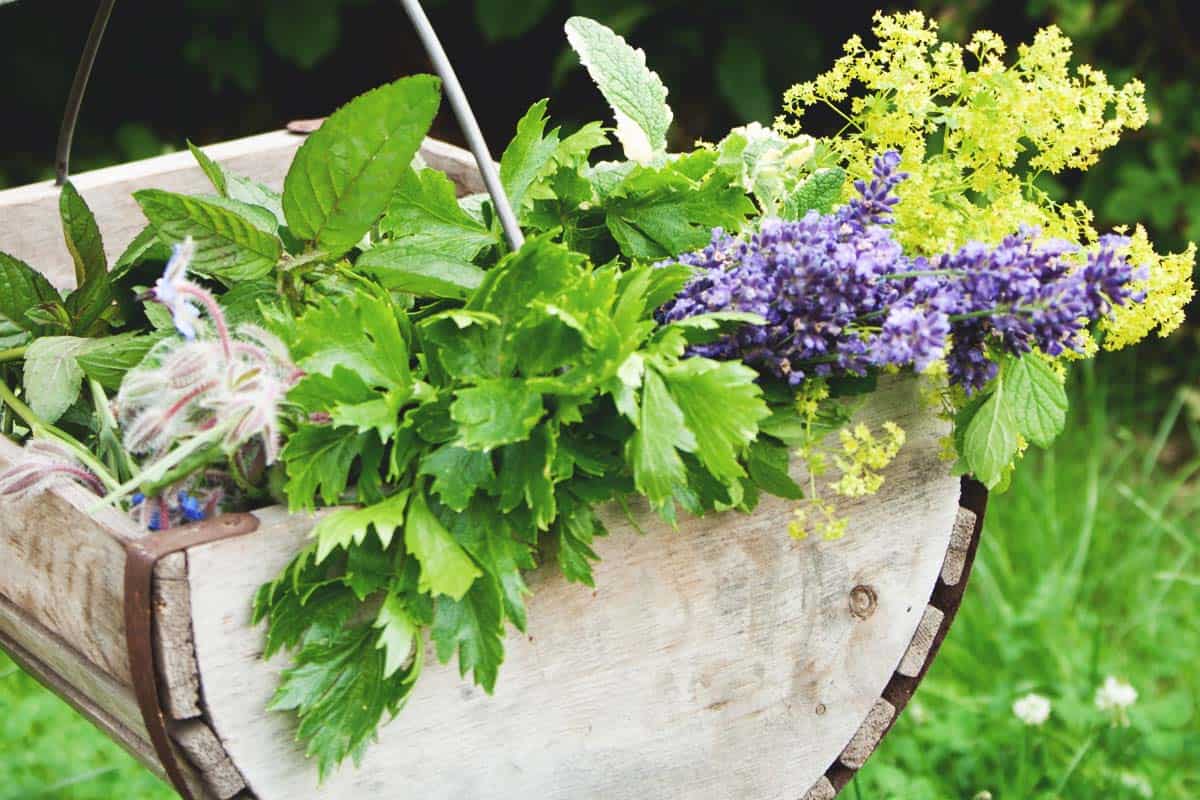
While culinary herbs like basil and cilantro dominate farmers' markets, a less saturated and often more lucrative market exists in medicinal and niche herbs. Species such as nettle, yarrow, mullein, and burdock are frequently dismissed as common weeds, yet they command premium prices from herbalists, tea blenders, and cosmetic manufacturers. This segment allows growers to bypass the intense price competition of culinary crops by targeting specific health and wellness trends.
The financial upside is significant, but the barrier to entry is higher. Medicinal herbs require stricter quality control, often involving third-party testing for pesticides and heavy metals. Unlike culinary herbs, where freshness is the primary value driver, medicinal buyers prioritize chemical profile consistency and potency. This shift demands a different marketing strategy, focusing on traceability and compliance rather than just volume.
To validate the market potential, track current demand trends for dried medicinal botanicals. The following chart illustrates the volatility and recent performance of related agricultural commodities, helping you gauge market stability before committing land to these specialized crops.
Essential herb farming equipment upgrades
Transitioning from a backyard hobby to a commercial operation requires a fundamental shift in hardware. Home gardening tools—hand trowels, watering cans, and basic raised beds—are designed for flexibility and low cost. They are not built for the volume, consistency, or labor constraints of a business selling fresh herbs at scale.
Commercial herb farming demands infrastructure that maximizes yield per square foot while minimizing manual labor. The gap between amateur and professional setups is widest in irrigation and harvesting. Inefficient watering leads to inconsistent growth and higher water bills, while manual harvesting becomes a bottleneck as acreage grows. Investing in professional-grade equipment early prevents costly retrofits later.
The table below compares the typical home setup against essential commercial upgrades. The focus is on cost efficiency and operational scale.
| Equipment Type | Home Setup | Commercial Upgrade | Key Benefit |
|---|
A clear plan separates profitable growers from those who burn out. By anchoring your decisions in market data and operational reality, you build a business that can withstand seasonal fluctuations and competitive pressure.
Frequently asked questions about herb farming
These questions address the core concerns of new entrants. The data shows that profitability isn't just about what you grow, but how efficiently you can turn that growth into sales. Understanding the specific demand for these high-margin varieties is the first step toward a sustainable business model.
No comments yet. Be the first to share your thoughts!