
Pick high-value crops to grow
Start by selecting herbs that balance high market demand with manageable growing requirements. This strategy minimizes initial risk while ensuring your first harvests have a ready buyer. Focus on crops that yield significant value per square foot and thrive in your local climate zone.
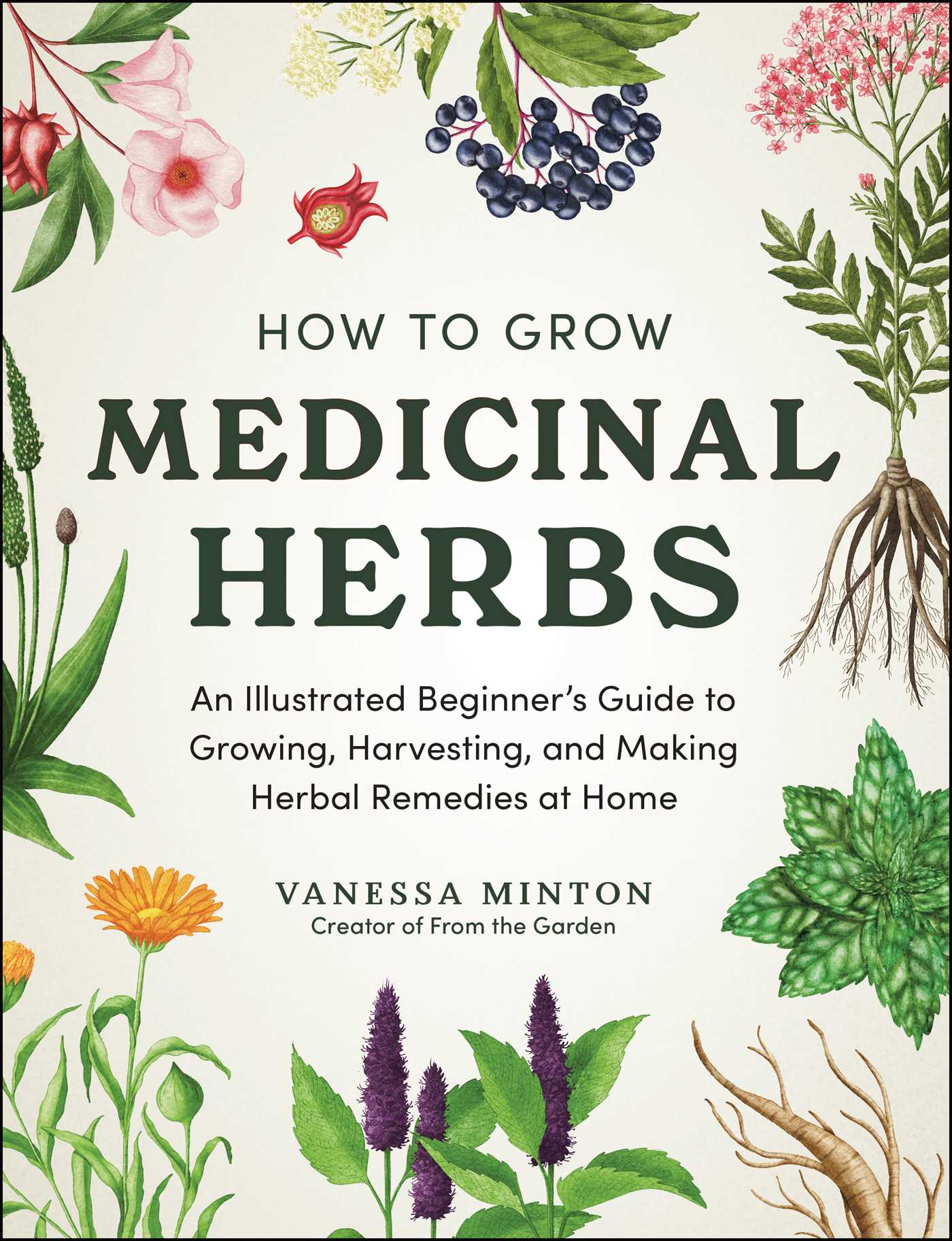
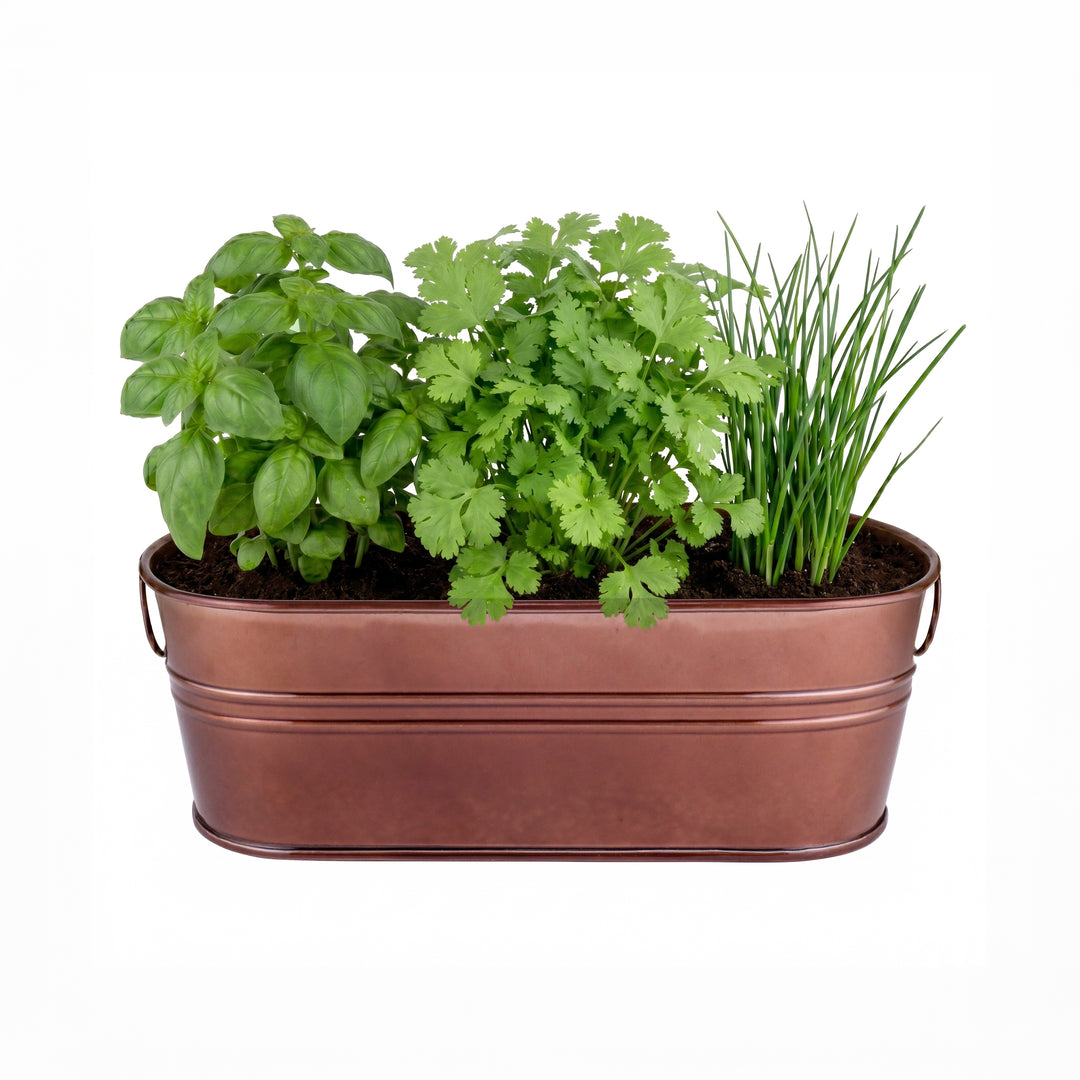
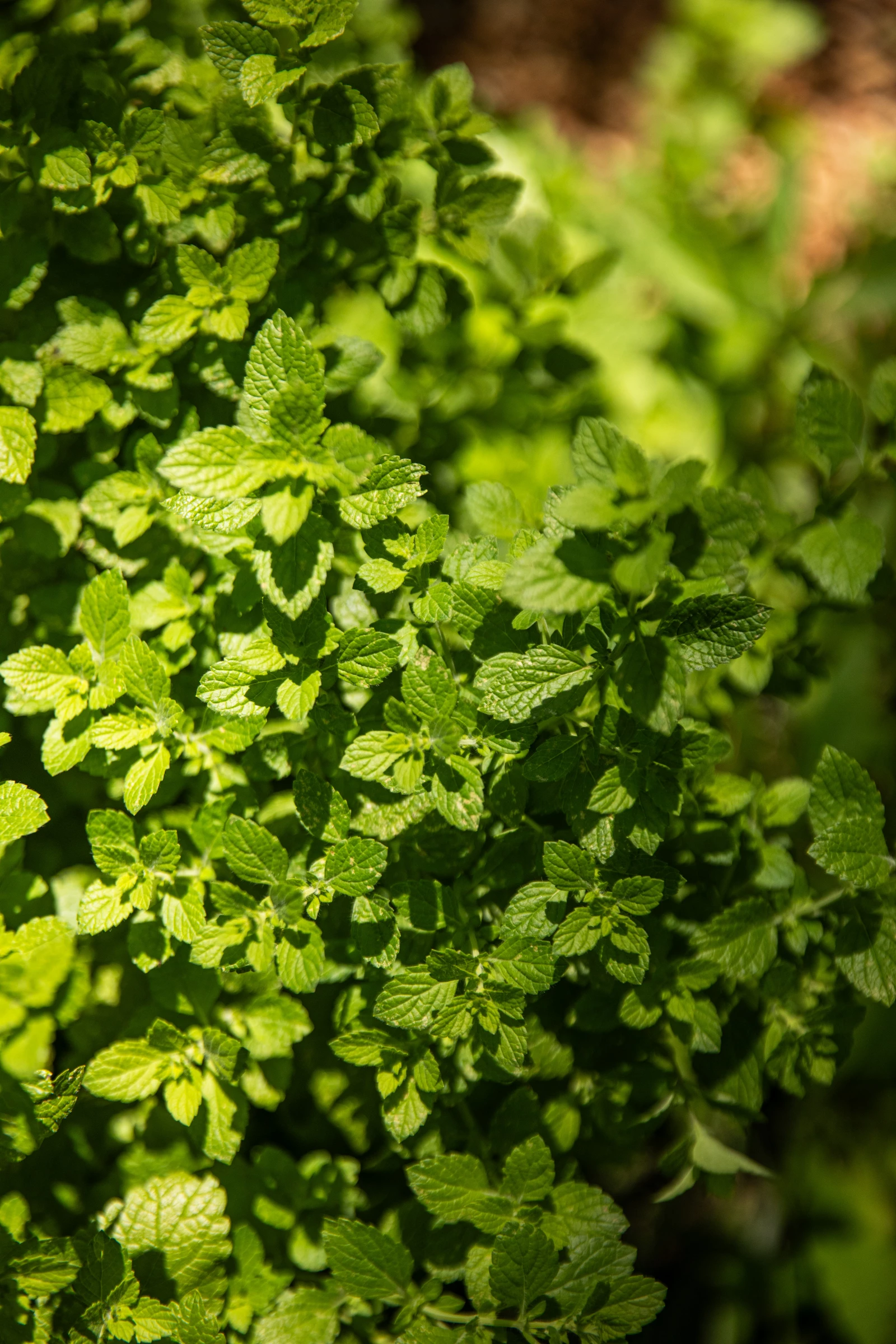
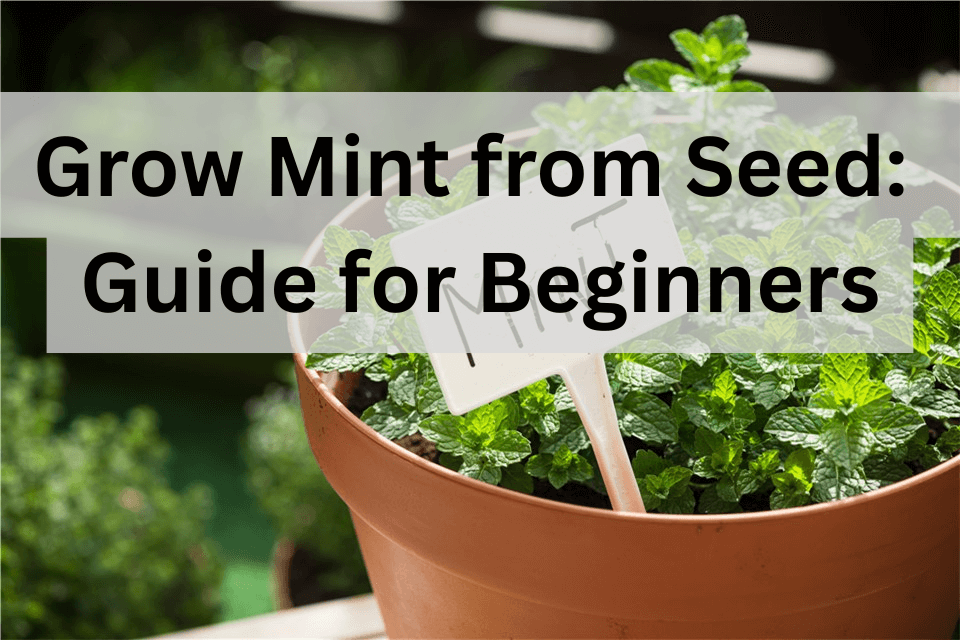
Basil is a staple in culinary markets, offering rapid turnover and consistent demand from restaurants and farmers' markets. Lavender commands a premium price for dried bundles, essential oils, and sachets, requiring well-drained soil and full sun. Mint is virtually indestructible and sells well fresh or dried, though it must be grown in containers to prevent aggressive spreading.
When evaluating potential crops, consider your target sales channel. Selling live plants to gardeners requires healthy, pest-free stock and attractive display gardens, while selling dried herbs or value-added products like tea blends requires efficient curing and packaging infrastructure. Choose crops that align with the logistics you are prepared to handle.
Avoid over-diversifying your initial inventory. Starting with three to five high-performing varieties allows you to refine your growing techniques and marketing approach before scaling. This focused approach ensures you can meet quality standards and build a reliable customer base without spreading your resources too thin.
Set up basic growing infrastructure
You do not need a commercial greenhouse to launch a profitable herb business. Start with low-cost, modular infrastructure that scales as demand grows. The goal is to control the environment just enough to ensure consistent quality and year-round production without locking you into heavy capital expenses.
Begin by securing a reliable water source and installing a simple drip irrigation system. Herbs like basil, cilantro, and parsley thrive with consistent moisture but rot in standing water. Drip lines deliver water directly to the root zone, reducing waste and disease. If you are starting in a garage or shed, a basic 50-gallon barrel with a timer and nozzle setup is sufficient for your first few hundred plants.
Soil preparation is your next critical step. For container or raised-bed production, mix high-quality potting soil with perlite or vermiculite to ensure proper drainage. Herbs are sensitive to waterlogged roots, so aeration is non-negotiable. If you are growing directly in the ground, amend the soil with compost to improve structure and nutrient retention. Test your pH levels; most culinary herbs prefer a slightly acidic to neutral range between 6.0 and 7.0.
Finally, choose your growing space based on your climate and crop selection. A simple hoop house or cold frame can extend your season by a few months, allowing you to sell fresh herbs when local competitors are out of stock. For indoor production, invest in full-spectrum LED lights rather than expensive high-pressure sodium fixtures. They run cooler, use less electricity, and provide the exact light spectrum herbs need for robust flavor and yield.
Set up a timer-controlled drip system to deliver water directly to the root zone. This reduces labor and prevents fungal diseases caused by overhead watering. Start with a simple barrel setup if you are operating from home.
Mix potting soil with perlite or vermiculite to ensure rapid drainage. Herbs rot easily in wet soil. Test your pH to ensure it falls between 6.0 and 7.0, which is ideal for most culinary varieties.
Construct a simple hoop house using PVC pipes and greenhouse plastic. This extends your growing season by weeks or months, allowing you to sell fresh herbs when local supply is low. It is a fraction of the cost of a glass greenhouse.
If growing indoors, use full-spectrum LED lights. They are energy-efficient and provide the specific light spectrum herbs need for strong flavor. Avoid expensive high-pressure sodium fixtures for small-scale starts.
Harvest and dry herbs correctly
Timing determines whether your inventory sells or spoils. Harvest herbs when essential oil concentration peaks, usually just before flower buds open. For leafy herbs like basil and mint, pick on a dry morning after the dew evaporates but before the sun intensifies. For roots and seeds, wait until the plant shows full maturity. Wet plants invite mold during the drying phase, so never harvest immediately after rain or irrigation.
Use sharp, clean shears to cut stems. Gather herbs into small, loose bundles tied with twine. Large bundles trap moisture and cause rot. For delicate herbs like cilantro, handle stems gently to avoid bruising.
Choose a dark, warm, and well-ventilated area. Darkness preserves color and potency. Use screens or racks for airflow. If using a dehydrator, set it to the lowest possible temperature (95°F–105°F) to avoid cooking the oils.
Dry until leaves crumble easily. Check daily for mold, especially in humid climates. Once fully dry, strip leaves from stems and store in airtight glass jars away from light. Label with the harvest date.
Proper drying preserves the marketable quality of your crop. Rushing the process or exposing herbs to direct sunlight degrades flavor and aroma, reducing their value to buyers. Consistent, slow drying yields the highest potency and longest shelf life.
Find buyers for your harvest
Before you harvest, you need to know who will buy your product. Selling fresh herbs requires speed and cold-chain logistics, while dried herbs or bouquets offer more flexibility for shipping and storage. Your sales channel should match your product’s shelf life and your production scale.
Sell at local farmers markets
Farmers markets provide immediate cash flow and direct customer feedback. You can test pricing, gather email addresses, and build a local brand without middlemen. Bring coolers and ice to keep fresh herbs crisp until they leave your stall. This channel is ideal for high-volume, perishable crops like basil, cilantro, and parsley.
Supply local restaurants and shops
Chefs and boutique grocers often pay a premium for fresh, locally grown herbs with distinct flavors. Approach chefs with a simple price list and samples of your best varieties. Establish a consistent delivery schedule and ensure your packaging meets their kitchen standards. This channel requires reliability more than volume.
Sell dried herbs and bouquets online
Dried herbs, spice blends, and decorative bouquets have a long shelf life and are easy to ship. This model reduces waste and allows you to reach customers beyond your local area. Start by listing on platforms like Etsy or your own website, focusing on unique varieties or aesthetic appeal. This approach works well for herbs like lavender, rosemary, and thyme.
Wholesale distributors
Wholesale distributors buy in bulk at lower prices but offer consistent, large-volume orders. This channel is best for established growers with high production capacity. You must meet strict quality and quantity requirements and navigate complex logistics. It is a low-margin, high-volume game that requires significant infrastructure.
Check local regulations early
Before you plant your first seed or buy packaging, verify that your herb business complies with local zoning and state agricultural laws. Regulations vary significantly by municipality and crop type. Growing herbs for personal use is usually permitted, but selling them often triggers specific licensing requirements. Ignoring these rules can lead to fines or forced closure before you make a single sale.
Start by checking your city or county zoning ordinances to confirm home-based agriculture is allowed in your area. Many residential zones permit small-scale farming, but they may restrict commercial traffic, signage, or the volume of produce sold. Next, contact your state’s department of agriculture. They can clarify if you need a grower’s permit or a food handler’s license, especially if you are processing herbs into teas, oils, or dried bundles.
Food safety laws are another critical layer. If you are selling fresh herbs, you may need to comply with the FDA’s Food Safety Modernization Act (FSMA) or state-specific produce safety standards. These rules govern how you grow, harvest, wash, and package your product to prevent contamination. Keep copies of all permits and correspondence in a dedicated file. This documentation proves your compliance to inspectors and builds trust with wholesale buyers.
Check your local zoning map to see if home-based agriculture is permitted in your residential zone. Look for restrictions on commercial activity, customer visits, or signage.
Apply for a general business license and any specific agricultural permits required by your state. This often includes a seller’s permit for tax collection.
Review FDA FSMA guidelines or state produce safety rules. Implement proper washing, handling, and packaging protocols to avoid contamination risks.
Start your herb business checklist
Launching a herb business requires coordinating cultivation, compliance, and sales channels simultaneously. Use this checklist to verify that each operational layer is in place before you scale production.
Select 2-3 high-demand varieties like basil, mint, or lavender. Focus on crops with established local market demand to reduce initial risk.
Set up pots, soil, and lighting. Verify that your space meets the specific light and drainage requirements for your chosen herbs.
Register your business entity and check local zoning laws. Ensure you have the necessary permits for selling agricultural products.
Harvest, dry, or package your first batch. Create simple, compliant labeling that includes plant names and harvest dates.
List products on local farmer’s markets or online platforms. Start with a small inventory to test pricing and customer interest.
-
Register business entity and obtain EIN
-
Verify local zoning for home-based sales
-
Set up separate business banking account
-
Create basic product labels and packaging
-
List first batch on local market or online store
No comments yet. Be the first to share your thoughts!