
Pick high-margin herbs to grow
Choosing the right crops determines whether your herb business survives its first year. You need plants that offer a high return on investment, tolerate your local climate, and have steady demand from chefs or retailers. Focus on herbs that grow quickly, yield heavily per square foot, and retain quality after harvest.
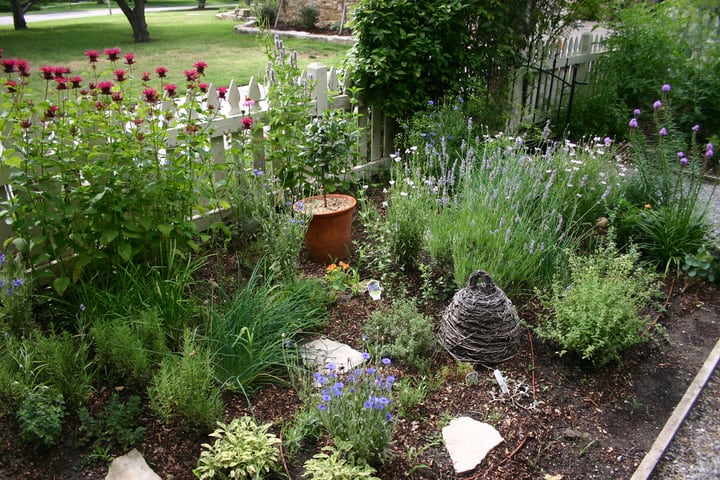
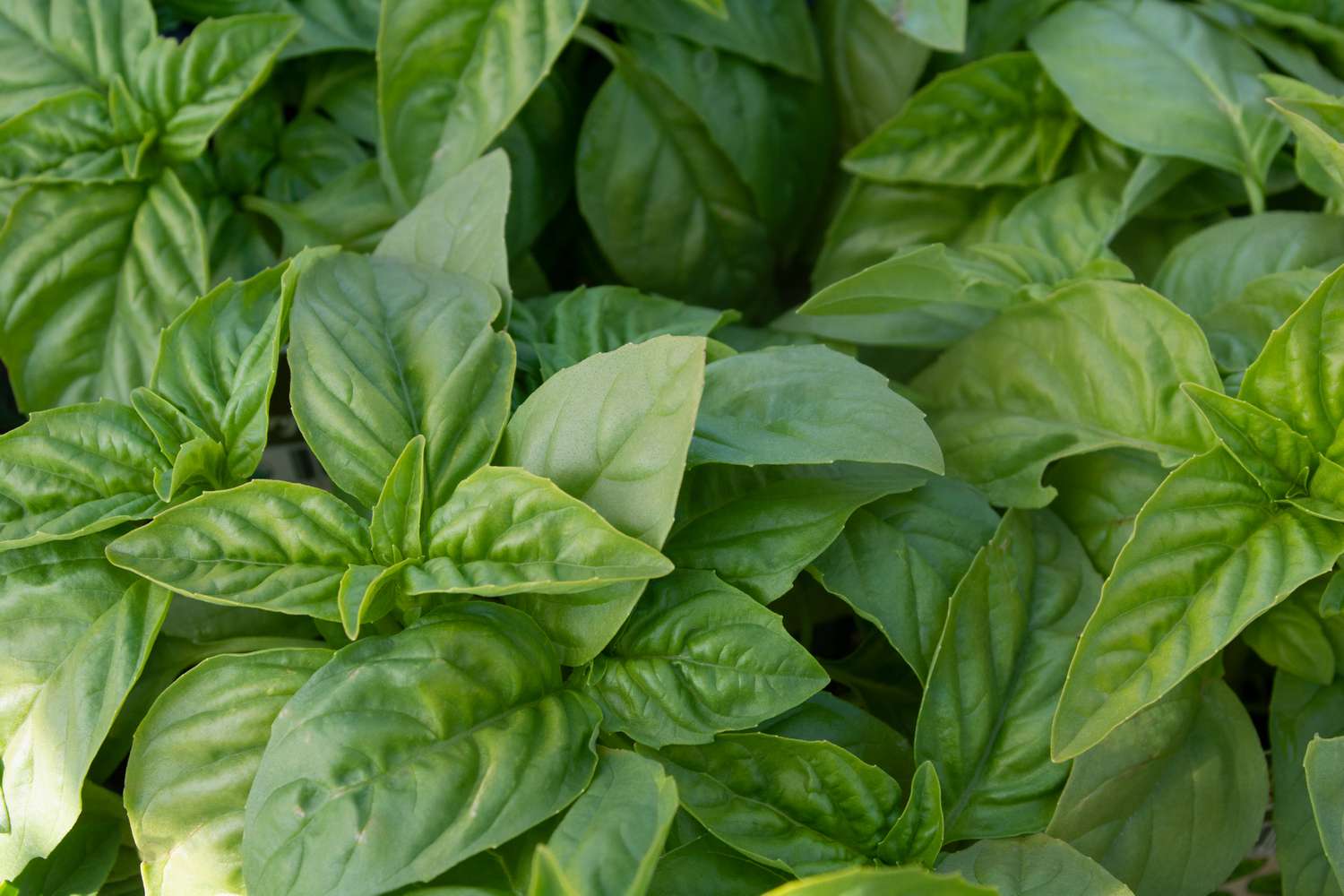
Basil is the industry standard for high-volume sales. It grows rapidly in warm weather and commands premium prices in summer when local supply dips. Pair it with low-maintenance perennial herbs like lavender or rosemary for winter stability. These crops require less daily watering and fetch good prices for dried bundles or essential oils.
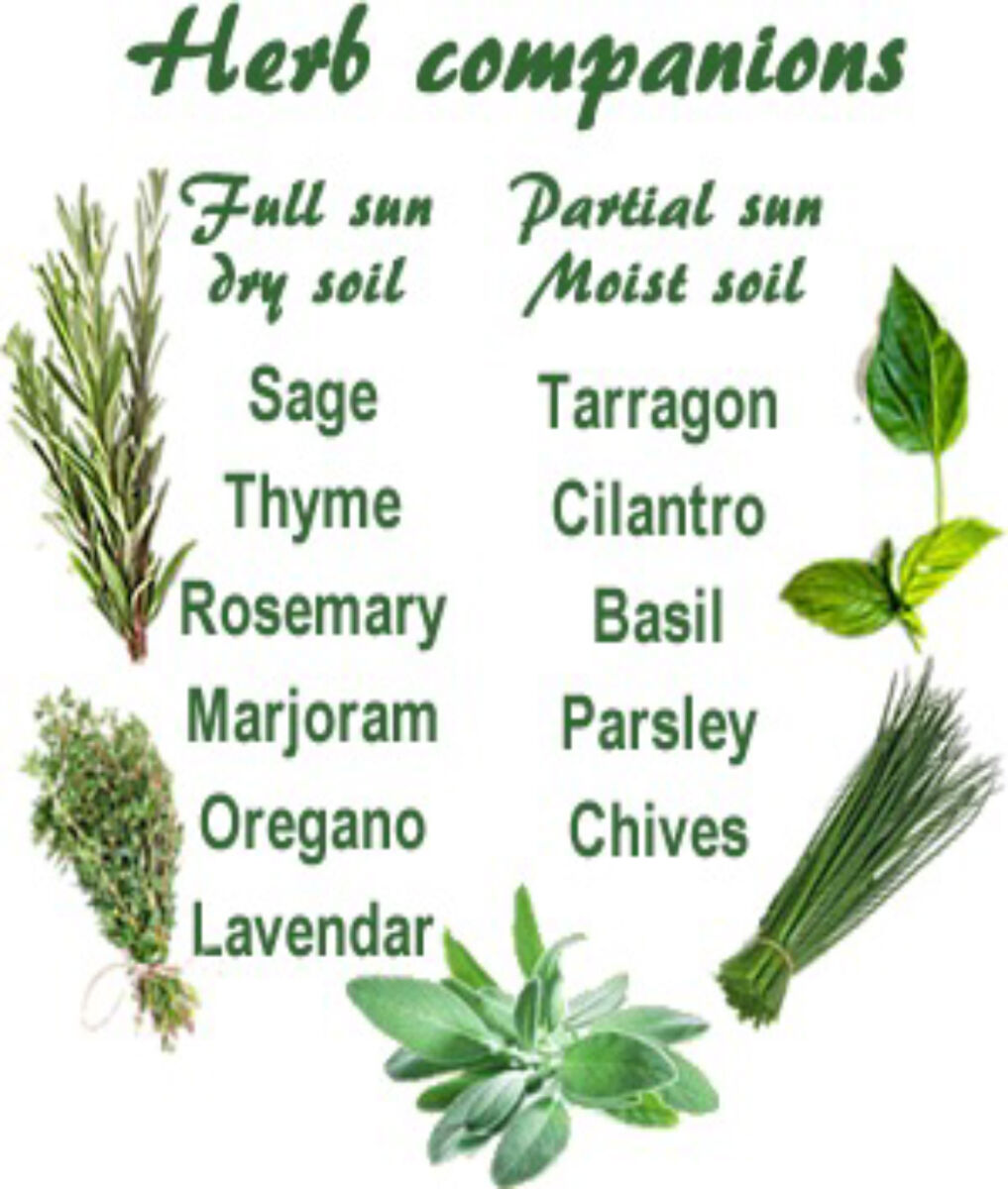
Start by testing three varieties in a small plot. Track their growth rate, pest resistance, and market price weekly. This data helps you scale only the crops that actually profit, keeping startup costs low while you refine your growing routine.
Set up the growing infrastructure
Turning a backyard plot into a commercial herb farm requires more than just seeds and soil. You need a reliable system for water, structure, and protection that can handle consistent harvests. The goal is to build a low-cost, high-efficiency infrastructure that scales with your sales volume.
Start by preparing the ground. Whether you are using raised beds or in-ground plots, the soil must be rich in organic matter. Amend with compost or well-rotted manure to ensure proper drainage and nutrient density. Herbs like basil and cilantro thrive in loose, fertile soil that doesn't waterlog.
Install efficient irrigation
Manual watering doesn't scale. Install a drip irrigation system to deliver water directly to the root zone. This reduces evaporation, prevents fungal diseases on leaves, and saves hours of labor. A simple timer-controlled system costs very little but pays for itself in water savings and plant health.
Mark and build beds
Define your planting zones clearly. Use wooden frames, gravel, or landscape fabric to create distinct beds. This organization helps you track crop rotation, manage weeds, and streamline the harvesting process. Consistent bed spacing also allows for easier access with carts or small equipment.
Place seedlings strategically
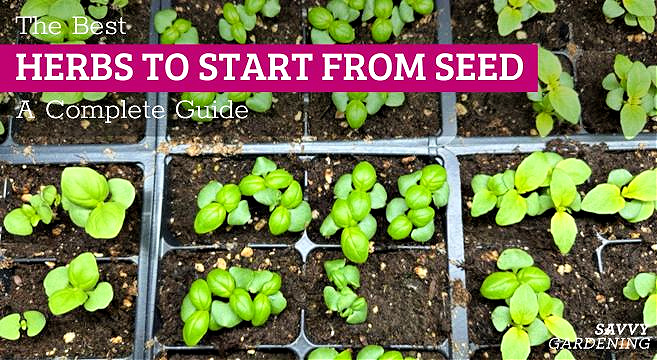
Once the infrastructure is ready, transplant your starter plants. Follow spacing guidelines to prevent overcrowding, which invites pests and disease. Stagger plantings every two weeks to ensure a continuous supply rather than a single massive harvest. This steady flow is what keeps buyers coming back.
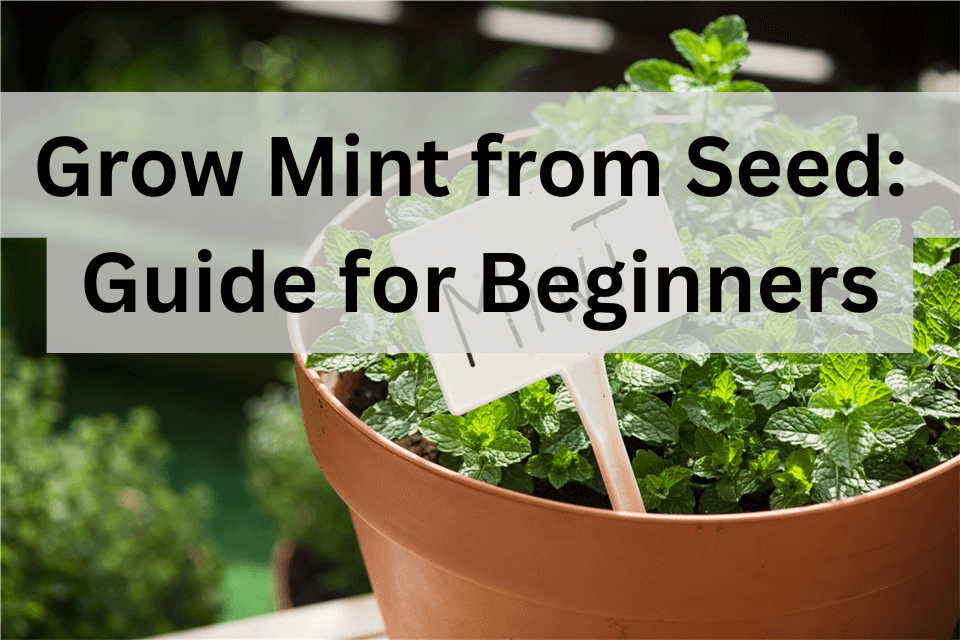
Loosen the top six inches of soil and mix in three inches of compost. Test pH levels to ensure they are between 6.0 and 7.0 for most culinary herbs.
Run polyethylene tubing along the length of your beds. Attach emitters every 12 inches to ensure even water distribution without wetting the foliage.
Construct raised beds using untreated cedar or rot-resistant wood. Keep the height between 8-12 inches for ergonomic harvesting and better root aeration.
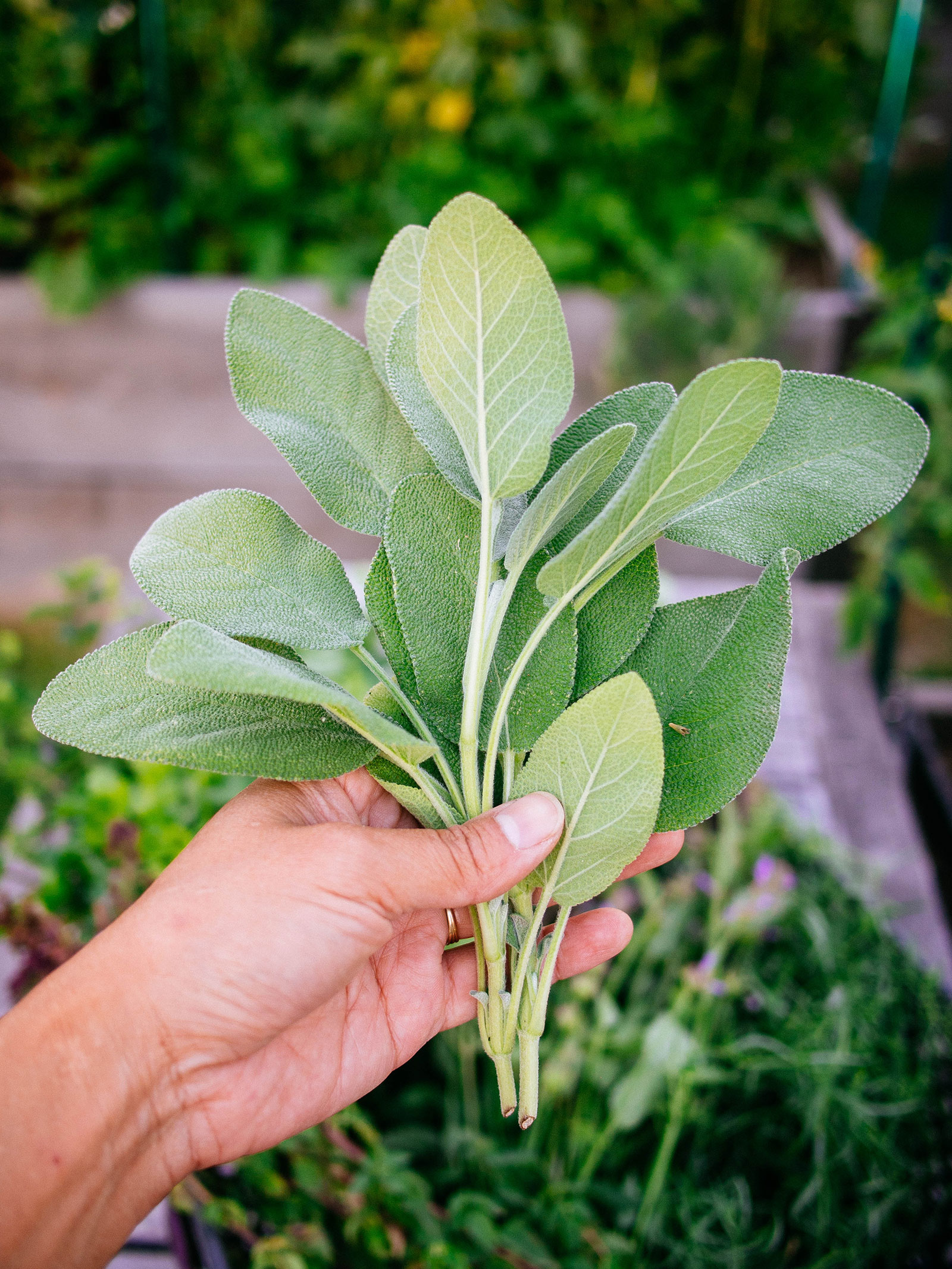
Gently remove young plants from trays and place them in pre-dug holes. Water immediately after planting to settle the soil and reduce transplant shock.
Harvest and dry herbs for shelf stability
The quality of your dried herbs determines your profit margin. Once harvested, the clock starts ticking on flavor and shelf life. Proper post-harvest handling preserves essential oils and prevents mold, ensuring your product meets market standards.
Cut herbs early in the morning after the dew has dried but before the sun heats the plants. This timing ensures the highest concentration of essential oils. Use clean, sharp shears to avoid bruising the stems, which can accelerate decay.
Rinse herbs quickly in cool water if soil is present, then spin them dry immediately. Excess moisture is the enemy of drying. Sort out any damaged leaves or stems, as these will rot and compromise the entire batch during the drying process.
Group stems into small bundles and tie them with string, or lay leaves in a single layer on mesh screens. Ensure good air circulation around every leaf. Hang bundles in a dark, warm, and well-ventilated area to prevent fading and preserve flavor.
Herbs are fully dry when leaves crumble easily between your fingers and stems snap rather than bend. This step is critical; any remaining moisture will cause mold during storage. Allow herbs to cool to room temperature before storing to prevent condensation.
Place completely cooled herbs in dark glass jars or heavy-duty bags. Store them in a cool, dark place to protect against light and heat degradation. Properly dried and stored herbs can retain their potency for up to a year, maximizing your inventory value.
Find buyers and sell your harvest
Before the first bunch of basil is tied, you need a plan for who buys it. New herb farmers often make the mistake of growing first and asking questions later. Start by identifying your primary sales channel. This decision dictates your harvest schedule, packaging needs, and pricing strategy.
Build local brand recognition
Farmers markets are the best starting point for most new herb businesses. They provide immediate feedback on variety preference and allow you to charge retail prices. Use the market stall to build a customer list. Offer small tasting samples of fresh herbs in recipes. This direct interaction turns casual browsers into regulars.
Secure wholesale restaurant contracts
Once you have consistent supply, approach local chefs. Restaurants value reliability over the lowest price. Offer a weekly delivery schedule with a limited menu of high-turnover crops like cilantro, parsley, and thyme. Provide samples of your best product to prove quality. A single restaurant contract can stabilize your cash flow for the season.
Explore online and value-added sales
If your farm is near a metro area, consider online sales. Selling dried herb bundles or fresh herb subscription boxes (CSA) allows you to reach customers outside your immediate geographic radius. Dried herbs also extend your shelf life, reducing waste from unsold fresh inventory. This approach works well for unique varieties that local grocers might not stock.
Prepare for plant sales
If you grow herb starts, display gardens help drive sales. Visitors can see the health and size of the plants before buying. Offer tours of your growing area to explain your organic practices. This transparency builds trust and justifies premium pricing for starter plants.
Check regulations and insurance needs
Before you sell a single bundle, verify the legal requirements for your herb business. Agriculture is heavily regulated at the local and state levels, and compliance is non-negotiable for a sustainable operation.
Start by contacting your local county extension office. They can clarify zoning laws for home-based nurseries and identify any specific agricultural permits required in your area. Next, check with your state’s department of agriculture. Most states require a nursery license or a greenhouse registration to sell plants legally.
Insurance is equally important. Standard homeowner policies rarely cover commercial activities. You need a general liability policy to protect against claims if a customer slips on your property or if a product causes harm. Consider adding product liability coverage specifically for agricultural goods.
Steps to ensure compliance
Verify if your residential zone allows home-based agricultural businesses. Some areas restrict commercial traffic or large-scale outdoor operations.
Apply for a nursery stock license or greenhouse registration. Fees are usually low, but the process ensures your plants meet state health standards.
Purchase general liability and product liability insurance. This protects your assets if a customer is injured or if a plant causes an allergic reaction.
Your herb farming launch checklist
Before you harvest your first batch, run through this final verification. This list ensures your herb business is legally compliant, financially sound, and ready for market.
-
Register your business name and obtain local permits
-
Secure liability insurance and farm insurance coverage
-
Finalize crop selection and seed inventory
-
Set up harvest, drying, and packaging workflow
-
Launch marketing channels and pre-order page
Once these items are checked off, you have moved from hobbyist to operator. Review your local agricultural regulations one last time to ensure no zoning changes have occurred since your initial research.
Common questions about starting an herb business
Starting an herb business requires balancing low upfront costs with strict regulatory compliance. Most new growers begin with a backyard setup or small rented plot to keep initial investment between $2,000 and $10,000 [src-serp-7].
No comments yet. Be the first to share your thoughts!