
Calculate your herb farm profits
Turning a patch of dirt into a revenue stream requires more than just green thumbs; it requires a clear view of the numbers. Before you invest in seeds, soil amendments, or irrigation systems, it helps to see how your potential revenue stacks up against your operational costs. This calculator lets you model different scenarios for popular cash crops like sweet basil, cilantro, or rosemary to see if the margins make sense for your specific market.
Think of this tool as your financial blueprint. You’ll input your expected yield per square foot, the market price you can realistically charge, and your fixed costs. The result isn’t a guarantee, but it’s a grounded estimate that helps you avoid the common beginner mistake of underpricing your labor or overestimating your harvest. By tweaking these variables, you can identify which herbs offer the best return on investment for your local climate and sales channels.
High-value herbs for commercial sales
Choosing the right crop mix is the first step toward building a profitable herb farm. While some herbs like saffron command astronomical prices, they often require specialized labor and processing that can be daunting for beginners. For most commercial growers, the sweet spot lies in high-demand fresh-market herbs that offer a reliable return on investment without excessive complexity.
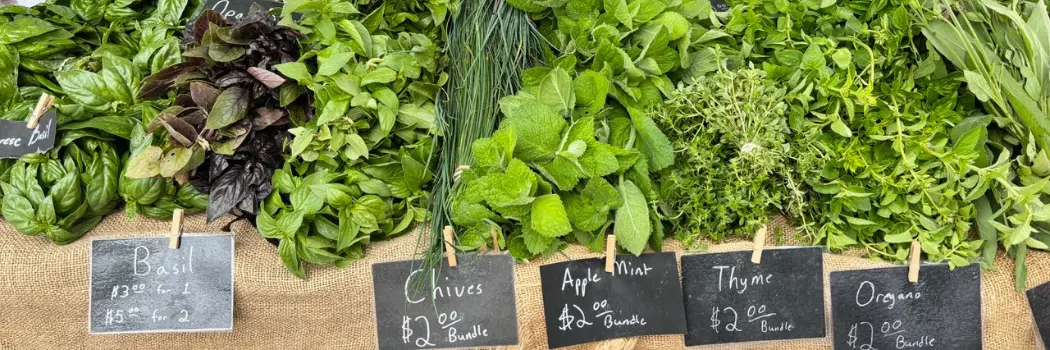
Basil remains the king of fresh herbs, particularly for restaurant and farmers' market sales. It grows quickly and can be harvested multiple times per season. Cilantro and flat-leaf parsley are also staples, though they require careful temperature management to prevent bolting. Chives and mint are hardy perennials that provide steady income with lower annual replanting costs.
The following table breaks down the estimated yield, average market price, and risk level for the most commercially viable herbs. These figures are based on average fresh-market data and can vary by region and season.
| Herb | Yield (lbs/sq ft/year) | Avg. Market Price | Risk Level |
|---|---|---|---|
| Sweet Basil | 3-5 | $3.00-$5.00/lb | Medium (sensitive to cold) |
| Cilantro | 2-3 | $2.50-$4.00/lb | Medium (bolts in heat) |
| Mint | 4-6 | $2.00-$3.50/lb | Low (perennial, invasive) |
| Chives | 3-4 | $3.00-$4.50/lb | Low (perennial, cold-hardy) |
| Parsley (Flat-leaf) | 2-3 | $2.50-$4.00/lb | Low (perennial/biennial) |
When planning your crop mix, consider both the yield per square foot and the market price. Herbs like mint and chives offer lower prices per pound but higher yields and lower risk, making them excellent for steady baseline income. Basil and cilantro offer higher price points but require more active management to maintain quality and prevent crop loss.
Essential equipment for starting out
Transitioning from a kitchen windowsill to a commercial operation requires more than just seeds; it demands reliable infrastructure that protects your margins. You don't need a state-of-the-art facility on day one, but you do need tools that scale with your growth. Focus on durable, mid-range equipment that reduces labor costs and minimizes crop loss.
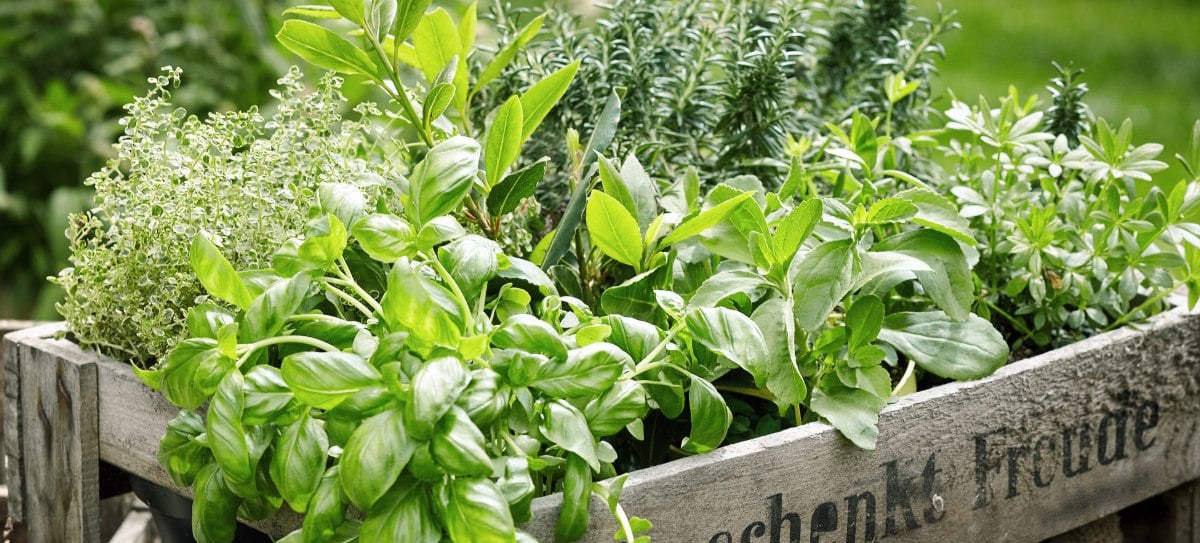
Start with a dedicated growing space, such as a high-tunnel greenhouse or a converted garage with proper ventilation. For leafy herbs like basil and parsley, hydroponic racks offer the highest yield per square foot, while woody herbs like rosemary and thyme thrive in well-drained soil beds. Proper lighting is non-negotiable for indoor operations; LED grow lights provide the necessary spectrum for photosynthesis while keeping electricity bills manageable.
Packaging and harvesting tools are where efficiency becomes profit. Invest in sharp, ergonomic shears to prevent crushing delicate stems, which reduces spoilage. For packaging, choose clear clamshells or biodegradable pouches that protect the product during transport while allowing customers to see the quality. Always include a moisture-retaining liner to extend shelf life, especially for herbs like cilantro and mint that wilt quickly.
By prioritizing equipment that directly impacts yield and shelf life, you build a foundation for consistent revenue. This approach keeps your initial investment lean while ensuring you can meet market demand without compromising on quality.
Steps to launch your herb business
Turning a patch of soil into a revenue stream requires more than just planting seeds; it demands a structured approach to compliance and logistics. Before you invest in infrastructure, you need to map out the legal and operational framework that will protect your margins. This guide walks you through the essential phases of launching a commercial herb operation, ensuring you build a foundation that supports consistent growth and profitability.
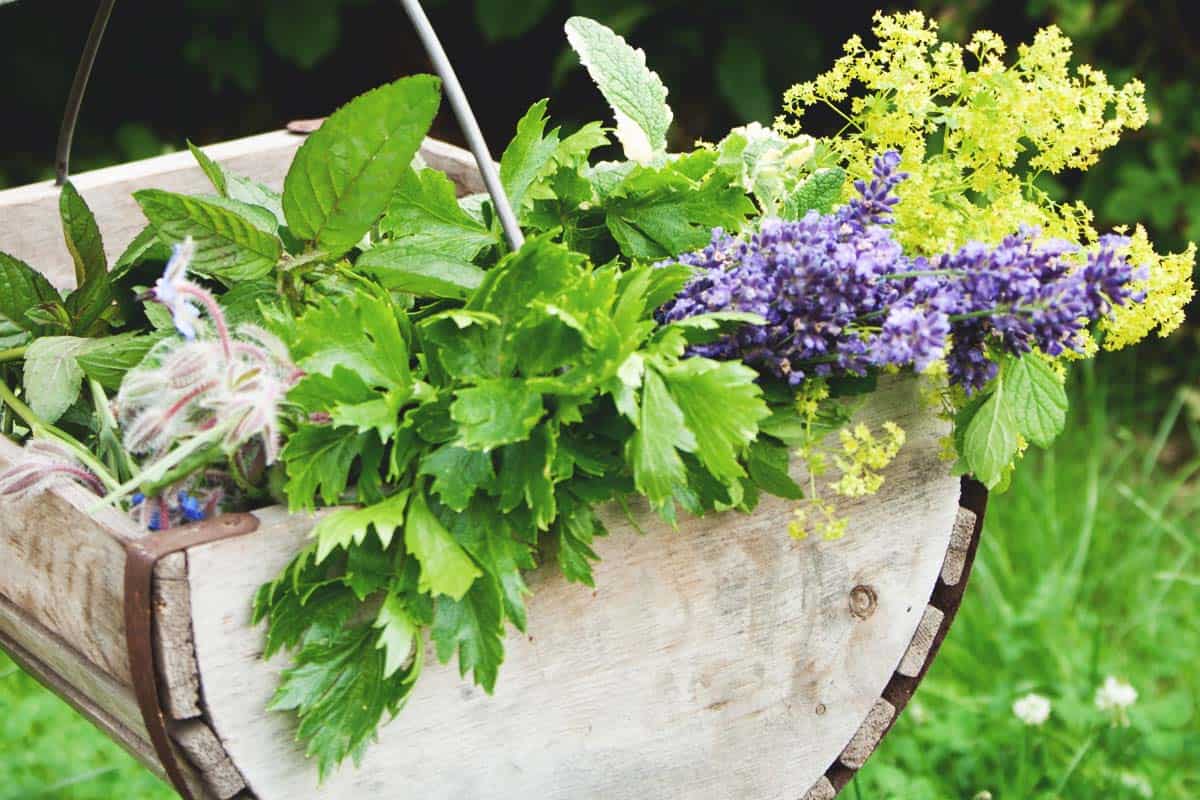
Start by formalizing your entity, whether as an LLC or sole proprietorship, and obtain an EIN. Herbs often fall under specific agricultural regulations, so check with your local county extension office for zoning laws and agricultural exemptions. If you plan to process dried herbs or teas, you may need additional food handling permits. Registering correctly from day one prevents costly fines and ensures you can legally sell to retailers and restaurants.

Don’t guess what sells; look at what buyers are already purchasing. Fresh-market herbs like sweet basil, cilantro, and flat-leaf parsley are staples in restaurants, offering steady volume. For medicinal herbs, nettle and yarrow are often considered weeds but are highly valued by herbalists and supplement makers, often commanding higher prices per pound. Align your crop selection with local demand to minimize risk and ensure your harvest has a ready buyer.
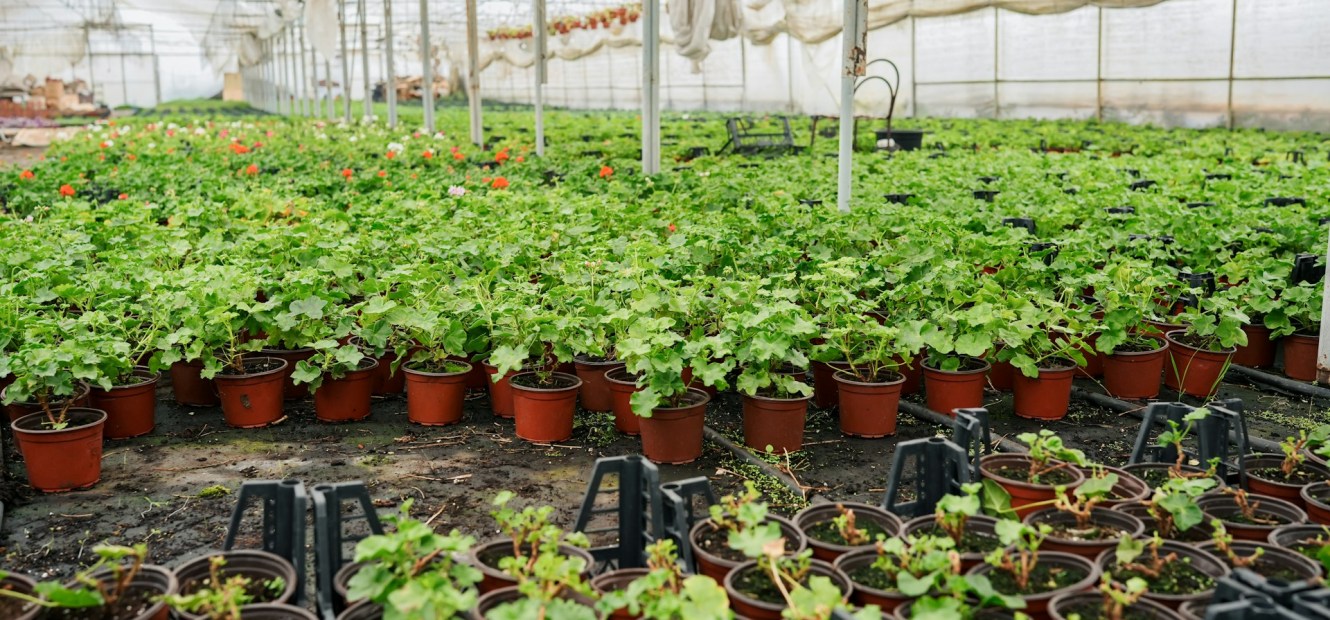
Whether you choose greenhouse, high-tunnel, or outdoor beds, your infrastructure should maximize yield per square foot. Herbs like basil and cilantro have short growth cycles, allowing for multiple harvests per season, which improves your overall ROI. Invest in reliable irrigation and soil preparation early. Consistent water quality and nutrient balance are critical for high-quality leaves that fetch premium prices from commercial buyers.
Your product is perishable; finding buyers before you plant is the safest way to ensure profit. Reach out to local farmers markets, independent grocers, and restaurant chefs to gauge their needs and pricing. Building these relationships early allows you to plan your planting schedule around their order cycles. A guaranteed buyer reduces waste and stabilizes your cash flow, making your business model more resilient.
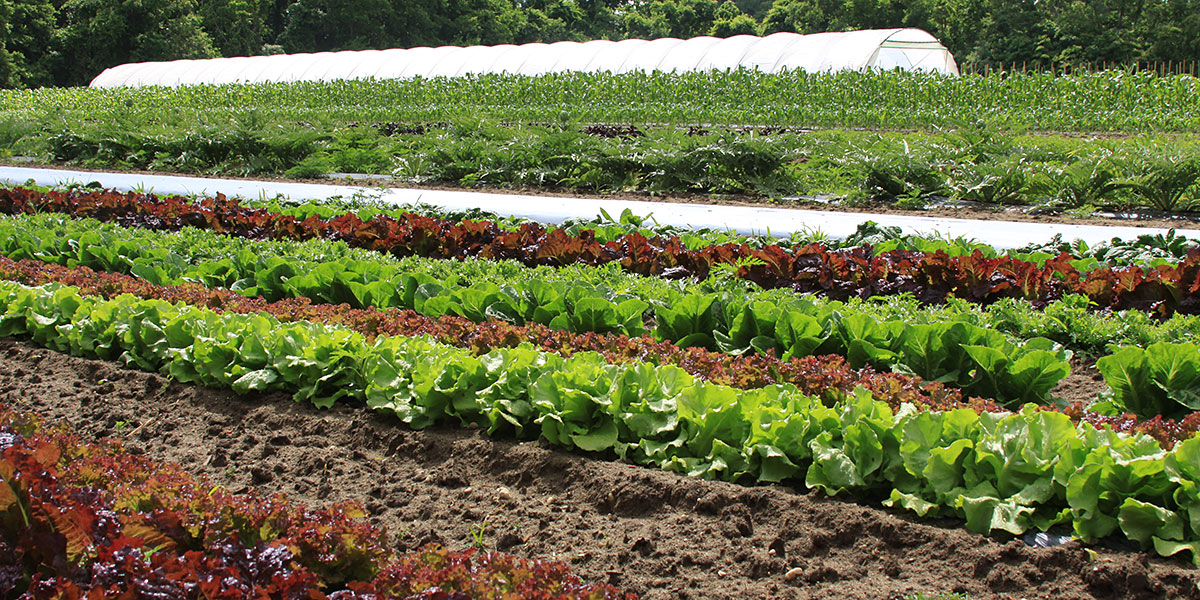
Quality control is where you protect your brand and your margins. Herbs must be cooled, washed, and packaged immediately after harvest to maintain freshness and extend shelf life. Invest in proper refrigeration and clean packaging materials. Consistent quality encourages repeat business from chefs and retailers, turning one-time buyers into long-term clients who value reliability as much as price.
Common questions about herb farming
Starting a commercial herb operation is a significant financial decision. Below are direct answers to the most frequent questions from new growers, focusing on concrete market data and profitability.
No comments yet. Be the first to share your thoughts!