
Get profitable herbs to grow right
Before you buy seeds or build beds, align your choices with market reality. The most profitable herbs to grow are those you can produce consistently at low cost while buyers are actively seeking them. Start by identifying which herbs are in high demand in your local area or target niche, then verify that your growing conditions match their needs.
Focus on varieties with proven commercial viability. Sweet basil, cilantro, and flat-leaf parsley remain staples for fresh-market sales, while rosemary, oregano, and mint offer higher shelf life and lower spoilage risks. Consider specialty medicinal herbs if you have access to niche buyers willing to pay premium prices for specific qualities.
Evaluate your infrastructure early. Herbs require precise moisture control, consistent light, and clean growing media. Small-scale growers often underestimate the labor needed for harvesting, washing, and packaging. Ensure your equipment budget covers not just planting, but the post-harvest handling that keeps products fresh and sellable.
Check local regulations and buyer requirements before scaling. Some herbs need specific organic certifications or safety testing for commercial sale. Talk to local chefs, farmers market managers, or wholesale distributors to confirm demand exists before committing large resources. This step prevents costly mistakes and ensures your first harvest finds a ready market.
How to start a commercial herb business with smart equipment
Turning a home garden into a cash crop requires more than just good soil; it demands a shift toward controlled environments and efficient processing. Growing herbs like sweet basil, cilantro, and mints as a commercial venture relies heavily on equipment that maximizes yield while minimizing labor. By starting with precise climate control and moving to streamlined harvesting tools, you can build a profitable operation that scales with demand.
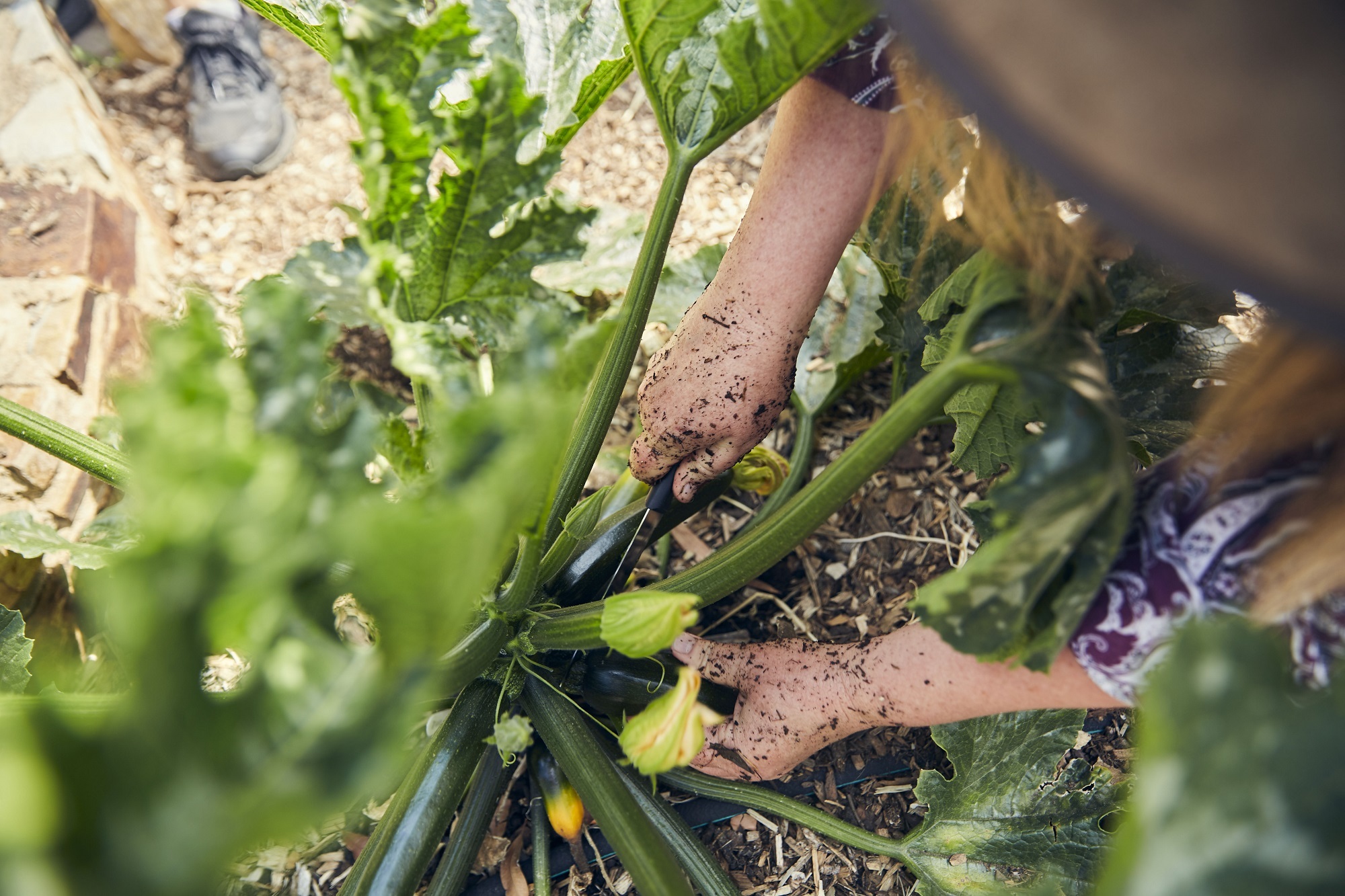
Commercial herb production thrives on consistency. Install high-efficiency LED grow lights and smart environmental controllers to maintain stable temperature and humidity levels, especially for sensitive crops like basil and cilantro. This setup allows you to grow year-round, independent of seasonal weather changes, ensuring a steady supply for buyers.
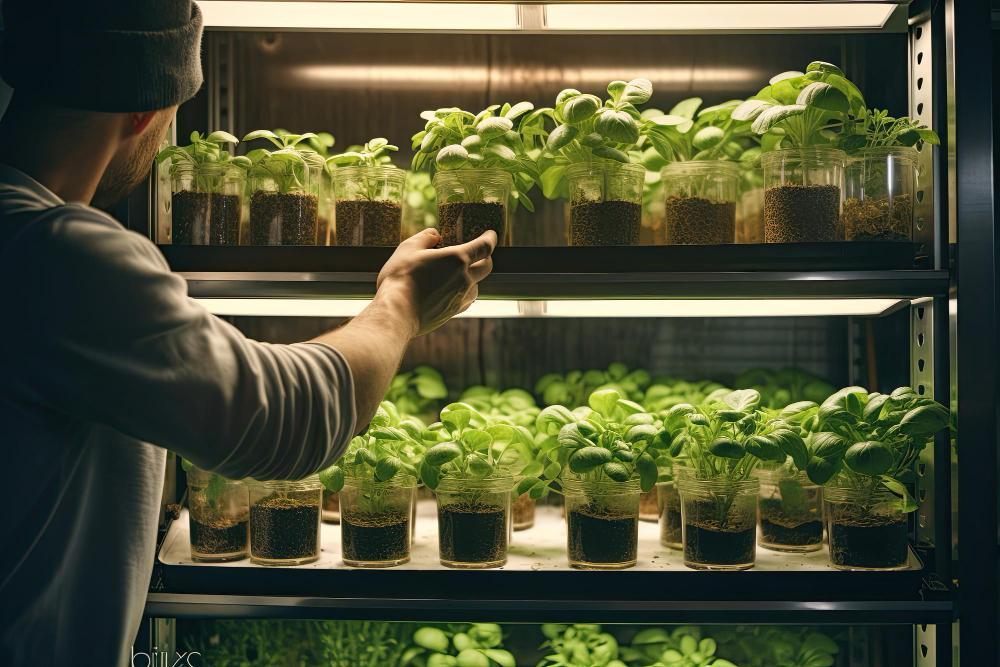
Maximize your square footage by using vertical shelving systems. These racks allow you to stack trays of herbs like mint and oregano, significantly increasing your yield per square foot. Vertical setups also improve air circulation, reducing the risk of mold and disease, which is critical when growing dense crops in a controlled environment.
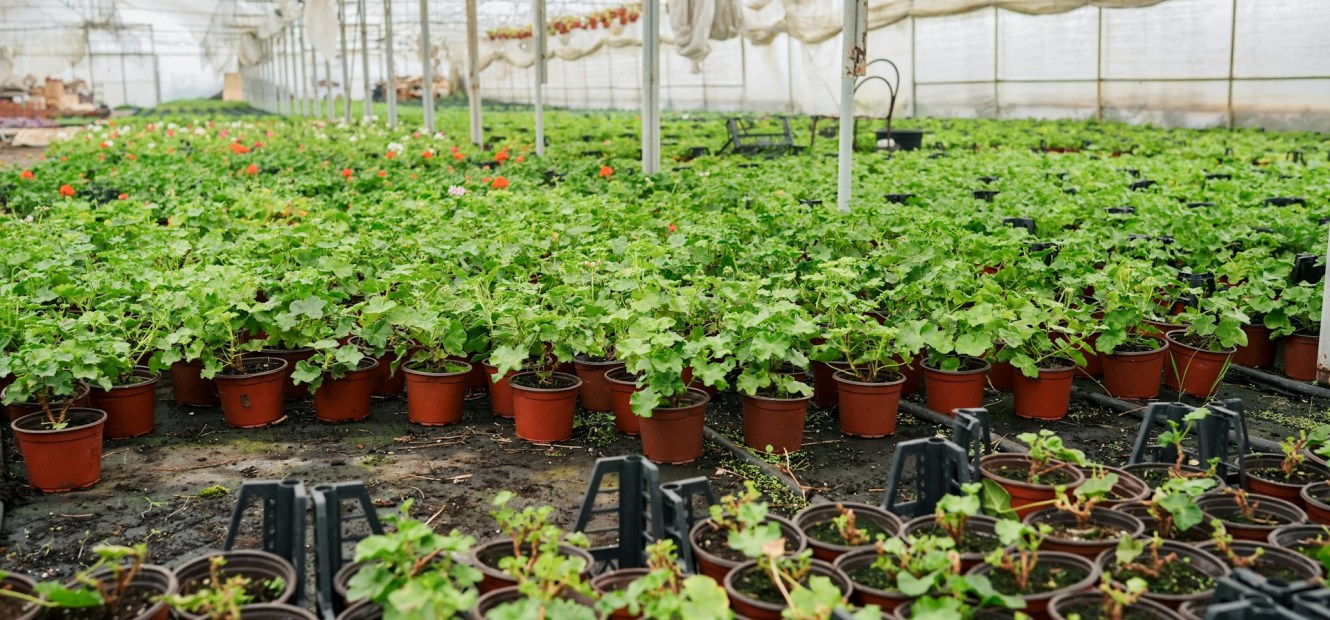
Water and nutrient delivery should be automated to ensure uniform growth and reduce labor costs. Drip irrigation or hydroponic systems with automated dosing pumps deliver precise amounts of water and fertilizer directly to the roots. This consistency improves herb flavor and potency, making your product more attractive to chefs and retailers who value quality.
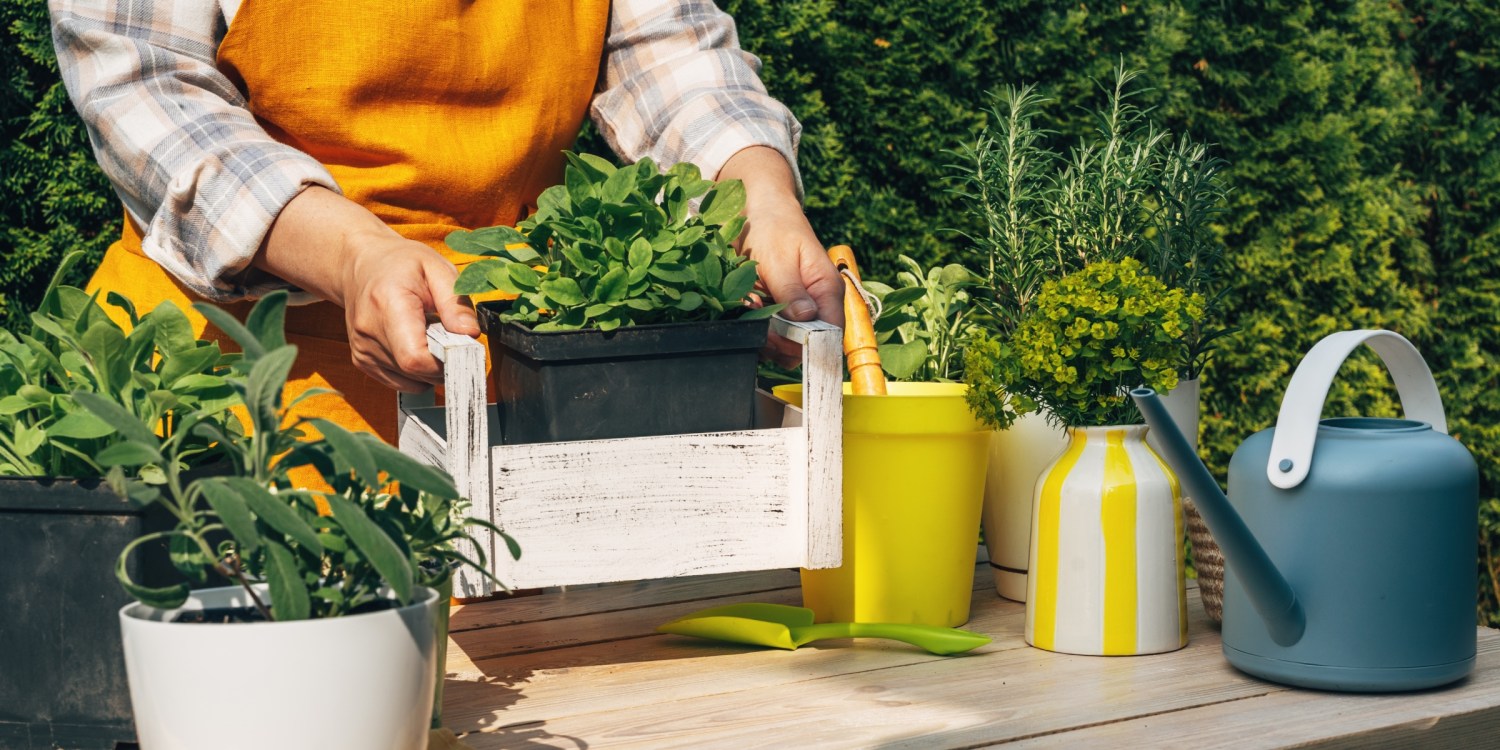
As you scale, manual harvesting becomes a bottleneck. Invest in sharp, ergonomic shears for small batches or automated cutting systems for larger operations. Pair these with commercial-grade washing and drying stations to prepare herbs quickly. Fast processing preserves freshness and extends shelf life, which is essential for maintaining profitability in the fresh herb market.
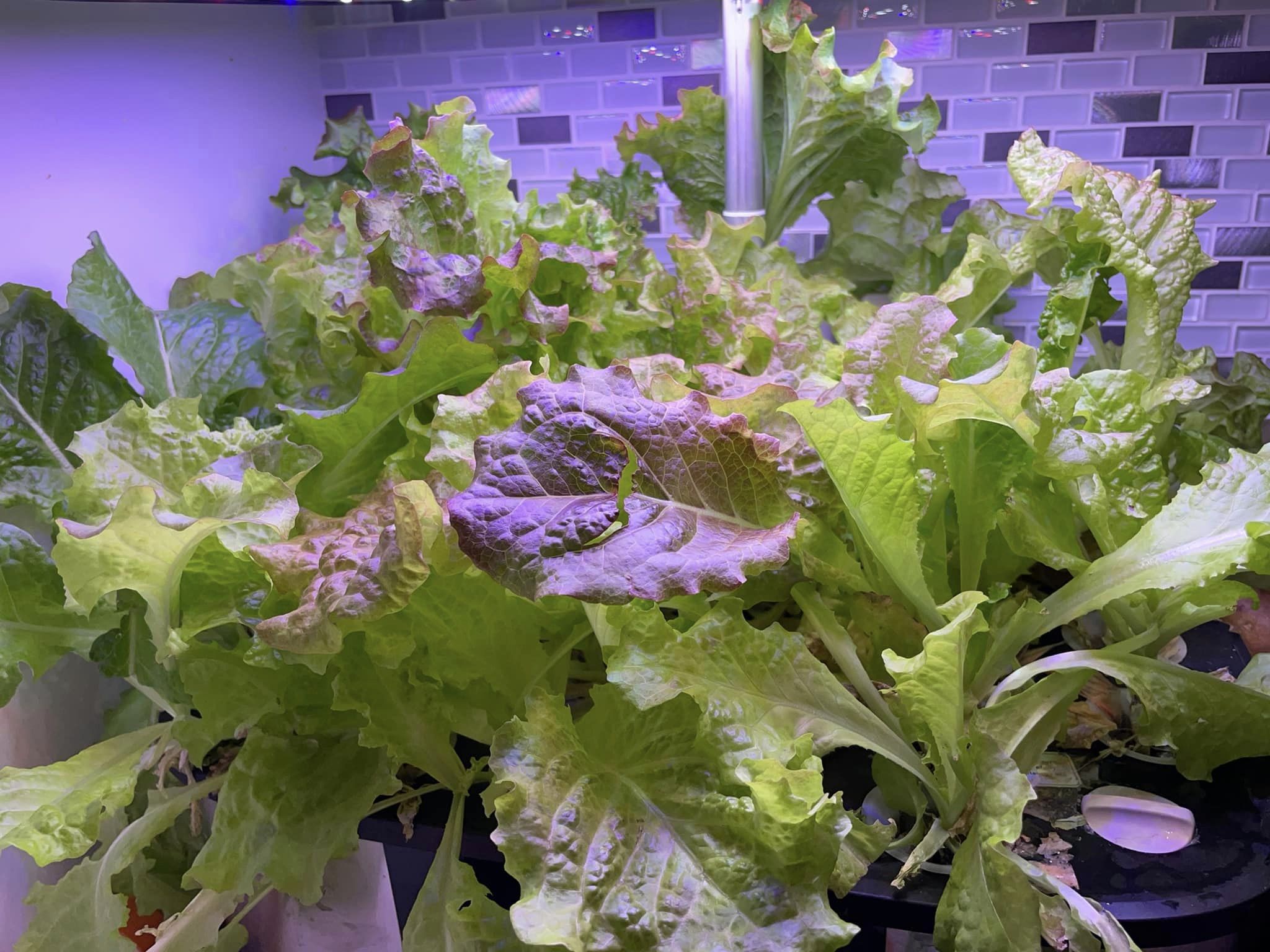
Proper packaging and temperature control are the final steps before your herbs reach the market. Use breathable, food-safe packaging that protects delicate leaves during transport. Maintain a cold chain from harvest to delivery to preserve quality. Reliable logistics ensure that your herbs arrive fresh, building trust with buyers and encouraging repeat orders.
-
Verify LED spectrum matches herb growth stages
-
Test humidity controllers for accuracy
-
Calibrate nutrient dosing pumps
-
Sanitize washing and drying stations
-
Audit cold storage capacity
Common Mistakes in Starting a Commercial Herb Business
Even with the right equipment, commercial herb growers often lose margins to preventable errors. These pitfalls usually stem from treating herbs like vegetables or underestimating the speed of spoilage. Fixing these habits early protects your bottom line.
Skipping Soil and Water Testing
Herbs are sensitive to nutrient imbalances and pH levels. Growing without testing your soil or irrigation water is like flying blind. Basil, for example, struggles in high-sodium water, while cilantro yields drop sharply if the pH drifts outside the 6.0–7.0 range. Test your inputs before planting. If your water has high alkalinity, you may need acid injection systems to keep nutrient uptake efficient. This step costs little but prevents entire crop failures.
Overcrowding for Quick Volume
New growers often pack plants too tightly to maximize square footage. This creates a microclimate that invites powdery mildew and botrytis. Herbs need airflow to dry quickly after watering or rain. Space plants according to their mature width, not their seedling size. Crowded plants also produce weaker stems and lower essential oil content, which buyers notice immediately. Proper spacing reduces disease pressure and improves the quality of every harvest.
Ignoring Post-Harvest Cooling
Herbs are living tissue that continues to respire after cutting. Leaving them at room temperature accelerates wilting and browning. The "field heat" must be removed within hours of harvest. Use hydro-cooling or vacuum cooling to drop temperatures rapidly. Without this step, even the healthiest basil will look tired by the time it reaches the market. Proper cooling extends shelf life by days, reducing waste and allowing for longer distribution routes.
Underestimating Labor Costs
Herbs require meticulous hand-harvesting, sorting, and bundling. Many new businesses fail because they budget for equipment but not for the hourly labor required to process each batch. Calculate the time per pound for harvesting, washing, drying, and packaging. If labor exceeds 30% of your revenue, your margins will vanish. Automate where possible, but never underestimate the human element in high-quality herb production.
Skipping Market Validation
Growing what you like is not a business plan. Many growers plant popular herbs like basil or mint without checking local demand. If your target buyers are already saturated, you will compete on price until profits disappear. Talk to chefs, grocery buyers, and farmers market managers before planting. Ask what varieties they need and what quality standards they enforce. Align your crop selection with existing demand to ensure your harvest has a buyer from day one.
Profitable herbs to grow: what to check next
Before committing land and equipment to an herb business, it helps to separate high-margin crops from high-maintenance ones. The most profitable herb to grow and sell is typically sweet basil or torral, depending on your local market and climate. Basil commands premium prices in fresh markets, while torral offers higher yield density for dried products.
Can you make money selling herbs? Yes, but margins depend on volume and waste reduction. Fresh herbs like cilantro and chives have short shelf lives, so success requires a direct-to-consumer channel or established restaurant contracts to minimize spoilage. Dried herbs like rosemary, oregano, and thyme offer more flexibility in storage and shipping, making them safer bets for new growers.
What herbs are in high demand? The consistent top performers are sweet basil, cilantro, mint, and rosemary. Mint is particularly valuable because it is resilient and grows aggressively, ensuring a steady supply for teas and culinary uses. If you are looking for the most profitable plant to sell beyond herbs, consider that many commercial growers pair high-value herbs with niche vegetables like microgreens to maximize greenhouse space.
No comments yet. Be the first to share your thoughts!