
Pick high-value herb varieties
Choosing the right crop is the first step toward profitability in 2026. The market has shifted away from generic bulk production toward specialized varieties that chefs and consumers actively seek. You can categorize these opportunities into two main streams: fresh market herbs for immediate sale and dried or essential oil crops for longer-term value.
Fresh Market Annuals
Sweet basil, cilantro, and flat-leaf parsley remain the workhorses of the fresh market. These annuals grow quickly and have high turnover rates, making them ideal for maintaining steady cash flow. For 2026, consider upgrading to specialty varieties like lemon basil or French tarragon. These niche items command higher prices from local chefs who are looking to differentiate their menus.
Perennials for Dried and Oil Markets
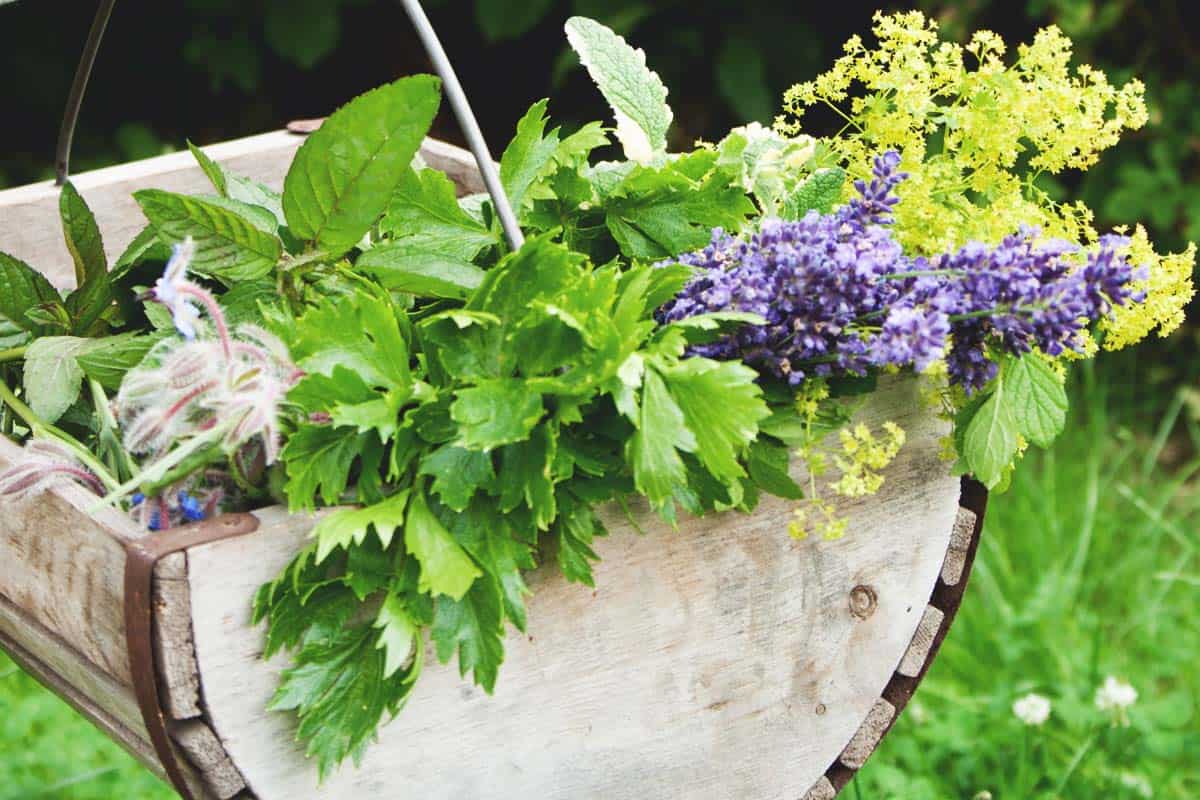
Lavender, chamomile, and echinacea offer a different profit model. These perennials return year after year, reducing your annual planting labor. Their primary value lies in drying for teas, potpourri, or extracting essential oils. While the initial setup takes longer, the margin per pound of dried material often exceeds that of fresh herbs, especially when sold directly to wellness brands or at farmers' markets.
Set up your growing infrastructure
Moving from a hobby garden to a commercial operation requires shifting your mindset from casual gardening to systematic production. In 2026, the most profitable herb farmers are those who treat their growing space like a factory floor, where consistency, cleanliness, and efficiency drive the bottom line. Before you plant a single seed, you need to build a foundation that supports high-yield cycles and meets the strict quality standards of chefs and retailers.
This infrastructure isn't just about buying pots; it's about creating an environment where your profitable herbs can thrive with minimal waste. Whether you are scaling up in a greenhouse, a high tunnel, or a climate-controlled indoor room, the following steps will help you establish a professional-grade growing station.
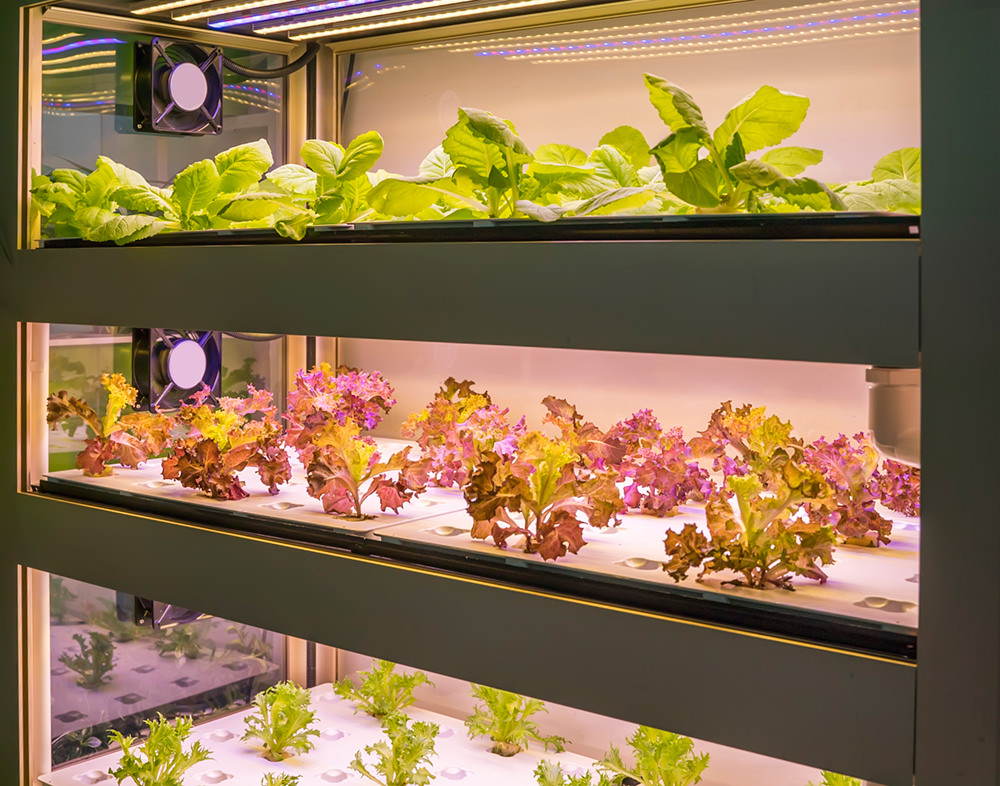
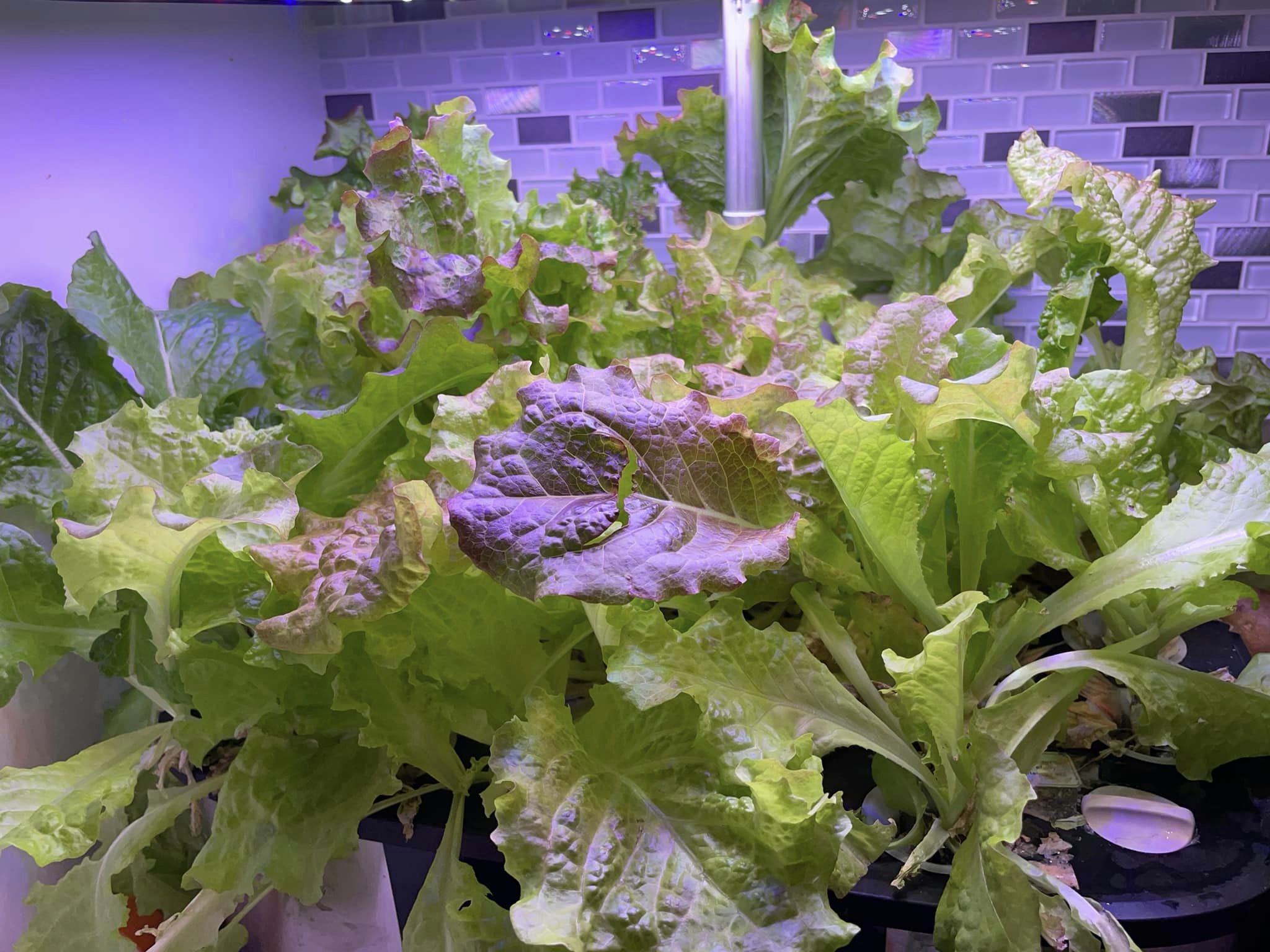
Start by defining your growing space. For commercial-scale herbs, a greenhouse with automated ventilation and shading is ideal for basil and cilantro, while indoor racks with full-spectrum LED lights offer year-round consistency for high-value crops like microgreens or specialty mint. The key is climate control: herbs are sensitive to temperature swings and humidity, which can invite mold or stunted growth. Ensure your space has adequate airflow to prevent stagnation, and install a reliable irrigation system that delivers water directly to the root zone without wetting the foliage.
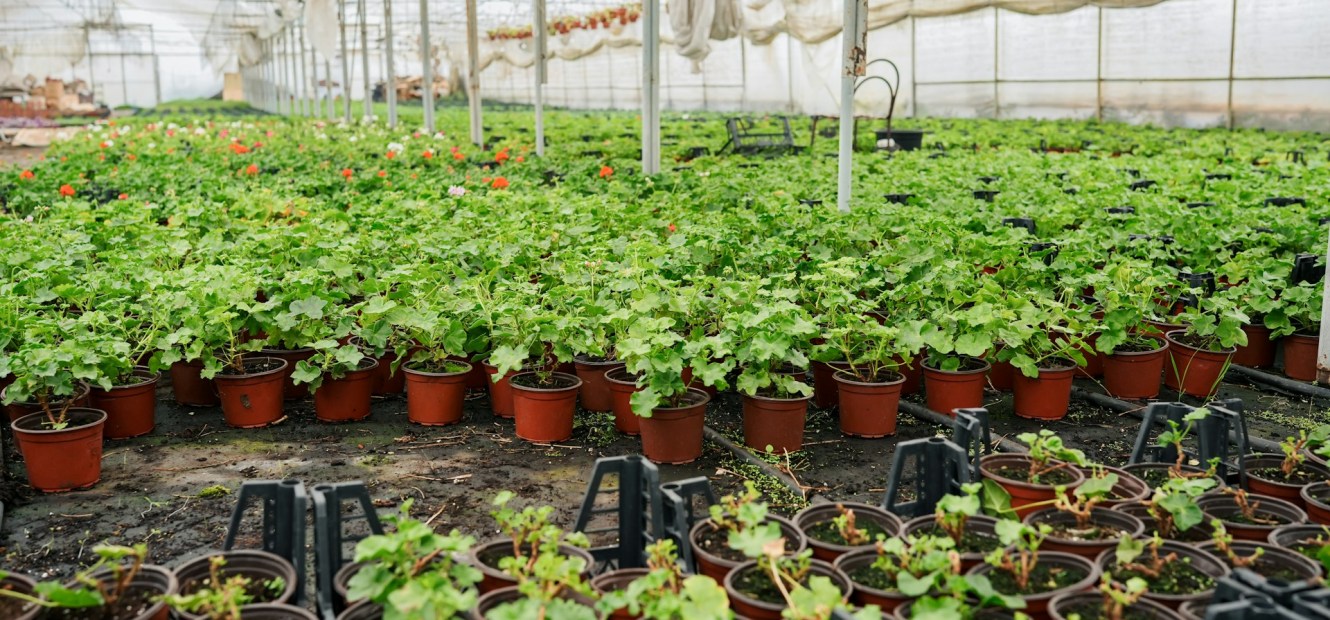
Container choice depends on your sales channel. If you are selling cut herbs to chefs, consider growing in 4-inch pots or shallow trays that can be displayed whole, as suggested by industry leaders like Johnny's Selected Seeds. For bulk sales, use larger benches or troughs. Your growing medium must be sterile and well-draining. A mix of peat, perlite, and vermiculite is standard for container herbs, while hydroponic systems use inert media like rockwool or clay pebbles. Avoid garden soil, which can harbor pests and diseases that are unacceptable in a commercial setting.
You cannot scale with household gardening tools. Invest in a high-quality harvest knife with a replaceable blade for clean cuts that preserve shelf life. Add a digital pH and EC (electrical conductivity) meter to monitor nutrient levels in your water or medium, ensuring your plants receive the exact balance they need. A calibrated scale is essential for accurate packaging and pricing. Finally, keep a dedicated set of cleaning supplies, such as hydrogen peroxide or citric acid, to sanitize tools and surfaces between batches, preventing cross-contamination.
Your infrastructure must extend beyond the growing area. Set up a "packing station" with a cool, clean surface for washing, drying, and packaging your herbs immediately after harvest. This area should be separate from the growing space to avoid introducing contaminants. Invest in commercial-grade salad spinners or air dryers to remove excess moisture, which is critical for preventing spoilage. Have your packaging materials ready: breathable bags, clamshells, or wraps that keep herbs fresh while showcasing their vibrant color to customers.
Building this infrastructure takes time and initial investment, but it pays off in consistent quality and higher yields. By treating your growing operation with professional rigor, you position yourself to meet the demands of the 2026 market, where chefs and consumers expect nothing less than perfection.
Post-Harvest Handling for Maximum Profit
The clock starts ticking the moment you cut the stem. For small-scale farmers in 2026, post-harvest handling is where you either protect your margin or lose it. Chefs and local buyers pay for crispness, vibrant color, and long shelf life. If your herbs wilt or turn brown in the box, the price drops significantly. This section breaks down the immediate steps to keep your profitable herbs looking fresh from the field to the market.
Wash and Cool Immediately
Harvest early in the morning when plant temperatures are lowest. This preserves the essential oils and texture. If you wash the herbs, use cold water and dry them thoroughly with a salad spinner or air blowers. Moisture is the enemy of shelf life; it invites mold and bacterial growth. After washing, move the herbs into a cooler or use hydrocooling to drop the core temperature quickly. This slows respiration and keeps the herbs crisp for days longer than if left at ambient temperature.
Trim and Grade
Remove any damaged, yellow, or diseased leaves. Only the highest-quality stems make it into premium bundles. Sort your herbs by size and quality. Uniform bundles look professional and suggest care. If you are selling to restaurants, consider offering whole stems or pre-chopped varieties depending on their kitchen workflow. Consistency in grading builds trust with buyers and encourages repeat orders.
Bundle and Package
Use breathable packaging materials like perforated plastic bags or paper wraps. Herbs need to "breathe" to prevent condensation buildup. Tie bundles loosely with natural twine or rubber bands. Avoid over-tightening, which can crush stems and cause discoloration. For high-value herbs like microgreens or delicate basil, consider clamshell containers with moisture-absorbing pads to extend freshness during transport.
Store at Correct Temperature
Different herbs have different temperature needs. Leafy herbs like cilantro and parsley prefer colder storage (32-35°F), while tender herbs like basil and mint do better in warmer conditions (45-50°F). Storing them together can lead to premature spoilage. Keep a log of storage temperatures and adjust based on seasonal changes. Proper cold chain management is essential for maintaining quality through to the point of sale.
Label and Track
Label every bundle with the harvest date and variety. This helps you manage inventory and practice first-in, first-out (FIFO) rotation. It also provides transparency to buyers, who appreciate knowing how fresh their produce is. Tracking harvest dates helps you identify patterns in quality and adjust your growing or handling practices for future seasons.
Cut herbs early in the morning when temperatures are cool and plant moisture levels are high. This preserves essential oils and texture, giving you the best starting point for quality.
Use cold water to wash herbs and dry them completely with a salad spinner or air blower. Remove all surface moisture to prevent mold and bacterial growth during storage.
Move washed herbs into a cooler or use hydrocooling to drop the core temperature rapidly. This slows respiration and extends shelf life significantly compared to ambient storage.
Remove damaged leaves and sort herbs by quality. Bundle stems uniformly and loosely to avoid crushing. Use breathable packaging to allow airflow and prevent condensation.
Store herbs at appropriate temperatures based on variety. Label each bundle with the harvest date to track freshness and manage inventory using the first-in, first-out method.
Find buyers for your harvest
Turning a successful harvest into revenue requires matching your crop to the right sales channel. In 2026, the most profitable herb growers are not just planting; they are planning their sales strategy before the first seed goes in the ground. Whether you are looking for quick cash flow or long-term contracts, understanding your market options will determine your bottom line.
Sell at farmers markets
Local farmers markets remain the most accessible entry point for new growers. This channel allows you to set your own prices and build a direct relationship with your customers. You can test which varieties sell best in your specific neighborhood without committing to large wholesale contracts.
To succeed, focus on visual appeal and freshness. Display your herbs in clean, branded packaging that highlights their quality. Offer small "trial packs" of less common varieties, such as lemon basil or Thai basil, to encourage customers to try something new. Consistency is key—show up every week, rain or shine, to build a reliable customer base.
Supply restaurants and chefs
B2B sales to restaurants offer higher volume and more predictable income than retail markets. Chefs often need specific, high-quality herbs that are difficult to find in standard grocery stores. They value consistency, cleanliness, and reliable delivery over the lowest price.
Start by targeting local farm-to-table restaurants that emphasize fresh ingredients. Bring cuttings or small bundles of your best herbs to the head chef during their off-hours. If you can supply specialty items like French tarragon or microgreens, you will stand out from competitors who only sell standard basil or parsley.
Secure grocery store contracts
Selling to local grocery stores or co-ops requires meeting strict quality and volume standards. These buyers need a steady supply of consistent product, often in pre-packaged formats. This channel is best suited for growers who have scaled up production and have the infrastructure to handle washing, packaging, and delivery.
Build relationships with produce managers well in advance. Provide them with a clear price list, delivery schedule, and samples of your packaged product. Many stores now prefer locally sourced herbs as a marketing point, so emphasize your local growing practices and freshness in your pitch.
Avoid common beginner mistakes
Even the most promising small farm can lose money if the foundation isn't solid. Profitability in 2026 depends less on luck and more on avoiding the specific traps that catch new growers. By steering clear of these common errors, you protect your margins and ensure your herb business stays resilient.
Overplanting and Poor Timing
It is tempting to plant every variety you love, but space and labor are finite resources. Overplanting leads to wasted seeds, excessive weeding, and harvests that overwhelm your sales channels. Instead of planting large areas of low-value crops, focus on high-turnover varieties that match your local market demand. Timing is equally critical; planting heat-sensitive herbs like cilantro in mid-summer without shade structures will result in rapid bolting and lost crops.
Neglecting Soil Health
Herbs are often grown in small spaces, which means the soil is under constant stress. Many beginners skip soil tests, assuming their garden soil is "good enough." This is a costly mistake. Poor soil structure limits root development and reduces essential oil concentration, which directly impacts the flavor and market value of your harvest. Regularly amend your beds with compost and consider cover cropping during off-seasons to maintain nutrient balance.
Ignoring Perennial Strategies
Annual herbs require replanting every year, which adds labor and seed costs. Perennial herbs like lemon balm, catnip, and echinacea establish quickly and provide returns from year two onward. Integrating these into your crop plan reduces long-term input costs and stabilizes your yield. They act as a reliable baseline income while you experiment with more delicate annual varieties.
Watch a herb farming demo
Seeing the process in motion helps clarify the technique. This video from Growing for Market demonstrates proper harvesting methods for perennial herbs like lemon balm and mint.
Focus on how the grower handles the soil and selects mature stems. These visual cues are essential for maximizing yield in your 2026 crop plan.
Questions About Starting an Herb Business
Launching a small-scale herb farm in 2026 requires navigating specific legal and financial waters. Before you buy your first seed, understanding the regulatory landscape and startup costs will save you time and prevent costly mistakes. Here are the most common questions aspiring farmers ask.
No comments yet. Be the first to share your thoughts!