
Pick high-margin herbs to grow
Choosing the right crop is the first step toward profitability. Not all herbs offer the same return on investment. Some require expensive equipment or long growing cycles, while others yield quick cash with minimal overhead. Focus on varieties that balance strong market demand with manageable cultivation difficulty.
Medicinal and specialty herbs often command higher prices than culinary staples. Lavender, for example, sells well as dried bundles, essential oils, or sachets. Medicinal plants like ashwagandha or echinacea can fetch premium rates in the supplement and apothecary markets, though they may require specific growing conditions. Culinary herbs like basil and cilantro have consistent demand but lower per-unit margins, making volume sales critical.
Consider your local climate and growing space. Herbs that thrive in your region will require less energy for heating or cooling, directly impacting your bottom line. Start with a small selection of high-value crops to test the market before scaling up.
set up your growing infrastructure
Building a profitable herb business starts with low-overhead infrastructure. You do not need a commercial greenhouse to begin. Most small-scale operations succeed by focusing on high-value, fast-turnaround crops like basil, cilantro, and microgreens. The goal is to minimize fixed costs while maximizing yield per square foot. Think of your setup as a production line: every tool and space should directly contribute to harvesting and drying efficiency.

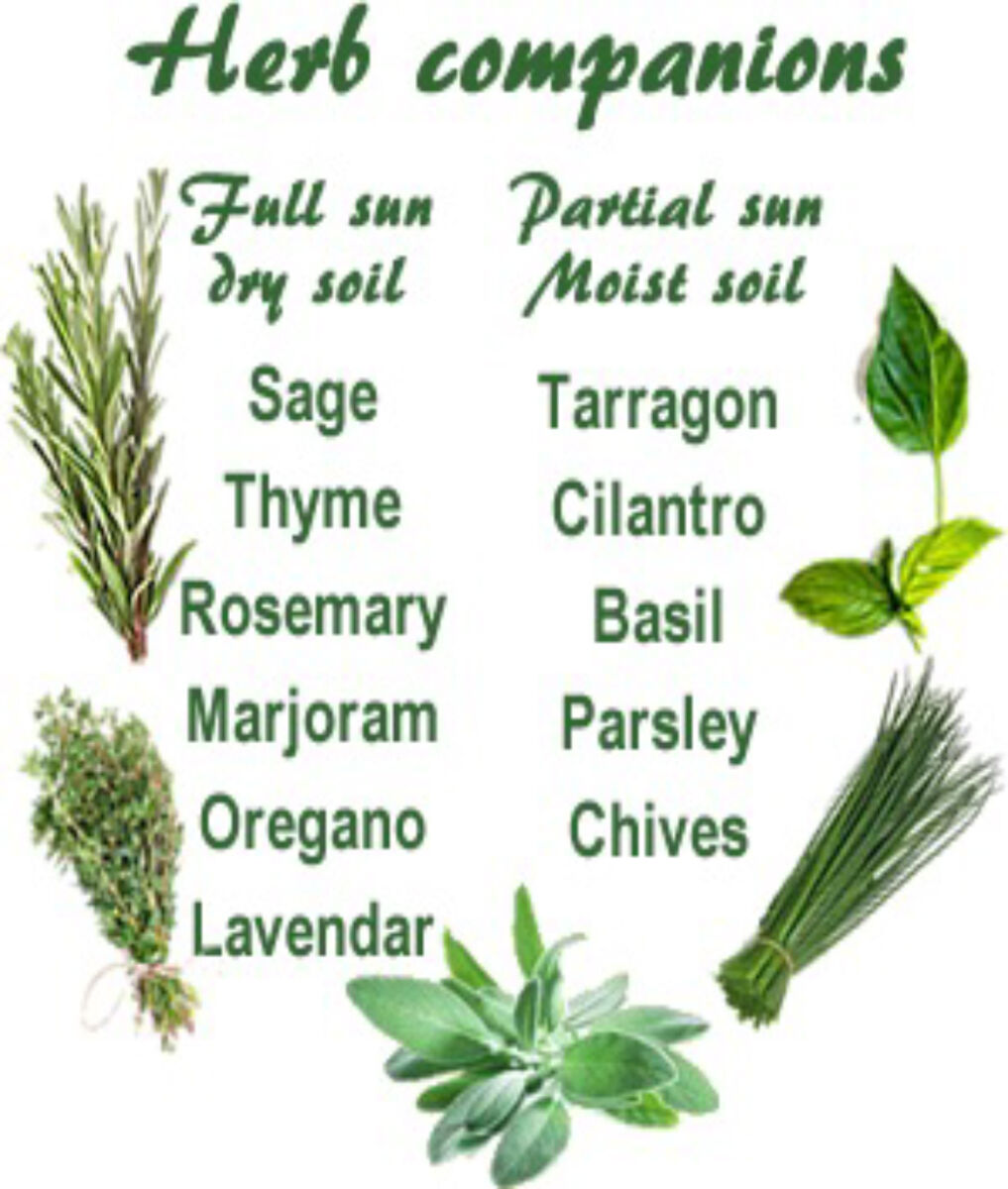
Skip expensive soil if you can. For indoor or greenhouse setups, a sterile, peat-based potting mix prevents disease and reduces weed pressure. If you are growing outdoors, amend your native soil with compost to improve drainage. Herbs like rosemary and thyme hate wet feet, so ensure your beds or containers have adequate drainage holes. This step is critical for preventing root rot, which is the fastest way to lose inventory.

Water consistency determines leaf quality. Drip irrigation is the most cost-effective solution for scaling up. It delivers water directly to the roots, keeping foliage dry and reducing fungal issues. For small batches, a watering can with a long spout works, but it does not scale well. Install a timer if possible to maintain consistent moisture levels without manual labor. This automation saves hours of labor during peak harvest seasons.
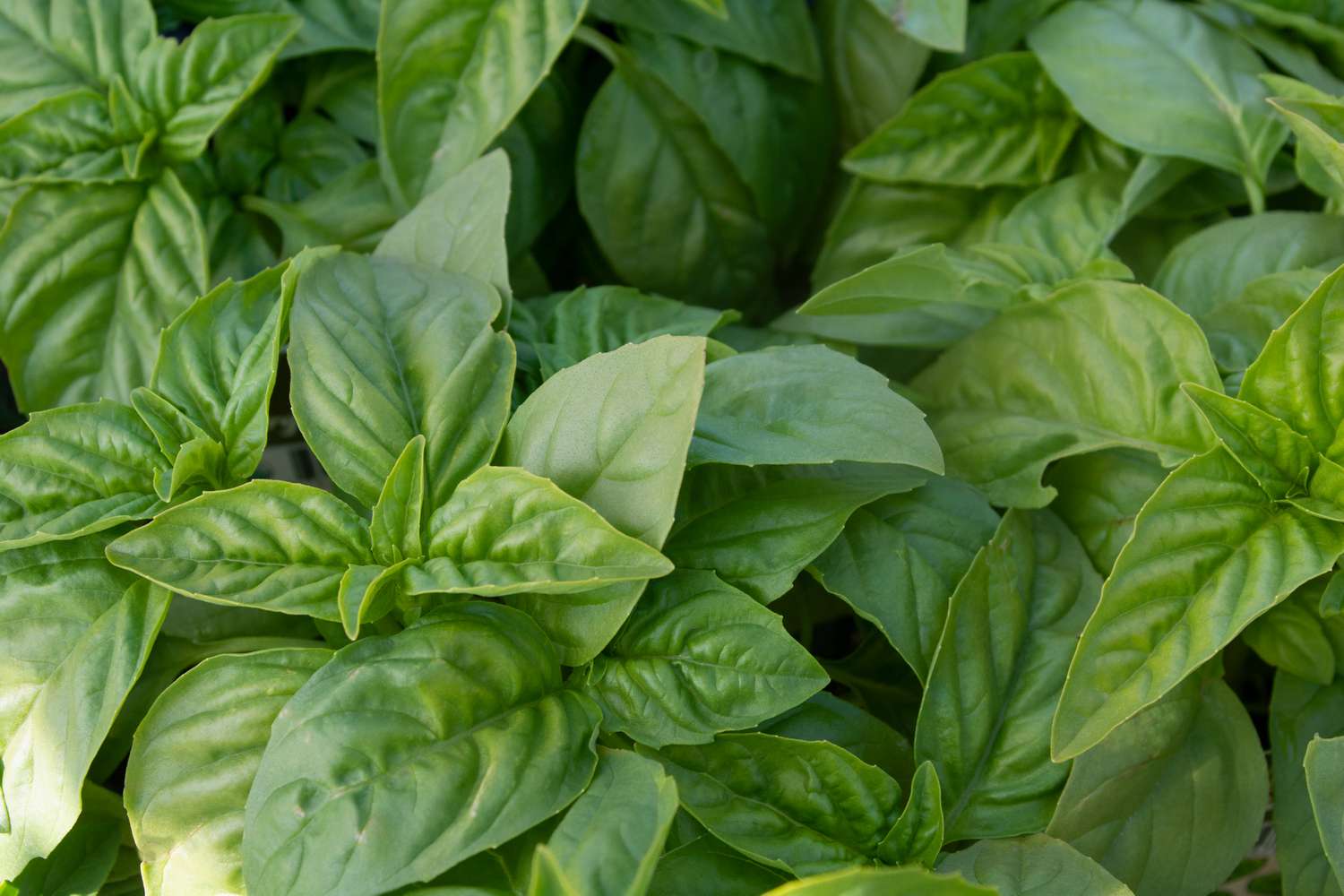
Fresh herbs spoil quickly. You need a dedicated, dark, and well-ventilated area for drying. A simple rack with mesh trays allows air to circulate around each bunch. Hang bundles of basil, mint, or parsley upside down in this space. Proper drying preserves flavor and extends shelf life significantly. If you plan to sell dried products, this space is your first processing plant.
Once your infrastructure is in place, focus on crop selection. High-margin herbs like saffron, vanilla, or specialty microgreens require more specific conditions but offer higher returns per square foot. Start with easier crops to refine your drying and packaging processes before moving to premium varieties. Consistency in your growing routine will build the reputation needed for repeat wholesale or retail customers.
Navigate licenses and regulations
Selling herbs isn't just about growing them well; it's about proving you can do it safely and legally. Before you harvest a single leaf, you need to clear the bureaucratic hurdles that vary by state and county. Ignoring these steps can lead to fines or shutdowns, wiping out your profit margins before they start.
Check local zoning and state rules
Start with your local zoning laws. Even if you have a home-based business, your municipality may restrict commercial agricultural activities or customer visits. Next, contact your state's Department of Agriculture. They regulate the sale of raw agricultural products and may require a seller's permit or a specific agricultural license. For example, selling fresh herbs at a farmers market often requires a different permit than selling dried herbs online.
Understand food safety standards
If you are processing herbs—drying, grinding, or packaging them—you fall under food safety regulations. The FDA's Food Safety Modernization Act (FSMA) applies to many small food producers. You may need to implement a Preventive Controls plan or follow the Voluntary Produce Safety Rule, depending on your sales volume and product type. Keep detailed records of your growing and processing practices. This documentation is your first line of defense during any health department inspection.
Decide on organic certification
Certified Organic is a powerful marketing tool, but it comes with strict rules. You must follow the USDA National Organic Program standards, which prohibit synthetic pesticides and fertilizers. The certification process takes time and money, involving annual inspections and detailed record-keeping. If you are just starting out, consider using "pesticide-free" or "naturally grown" labels initially. You can pursue full certification once your sales volume justifies the cost and administrative burden.
Build your sales channels
Profitability depends on where you sell. Direct-to-consumer channels like farmers' markets and online stores capture the highest margins. Wholesale contracts offer volume but lower per-unit returns. Start with local channels to build brand recognition, then expand to broader distribution.
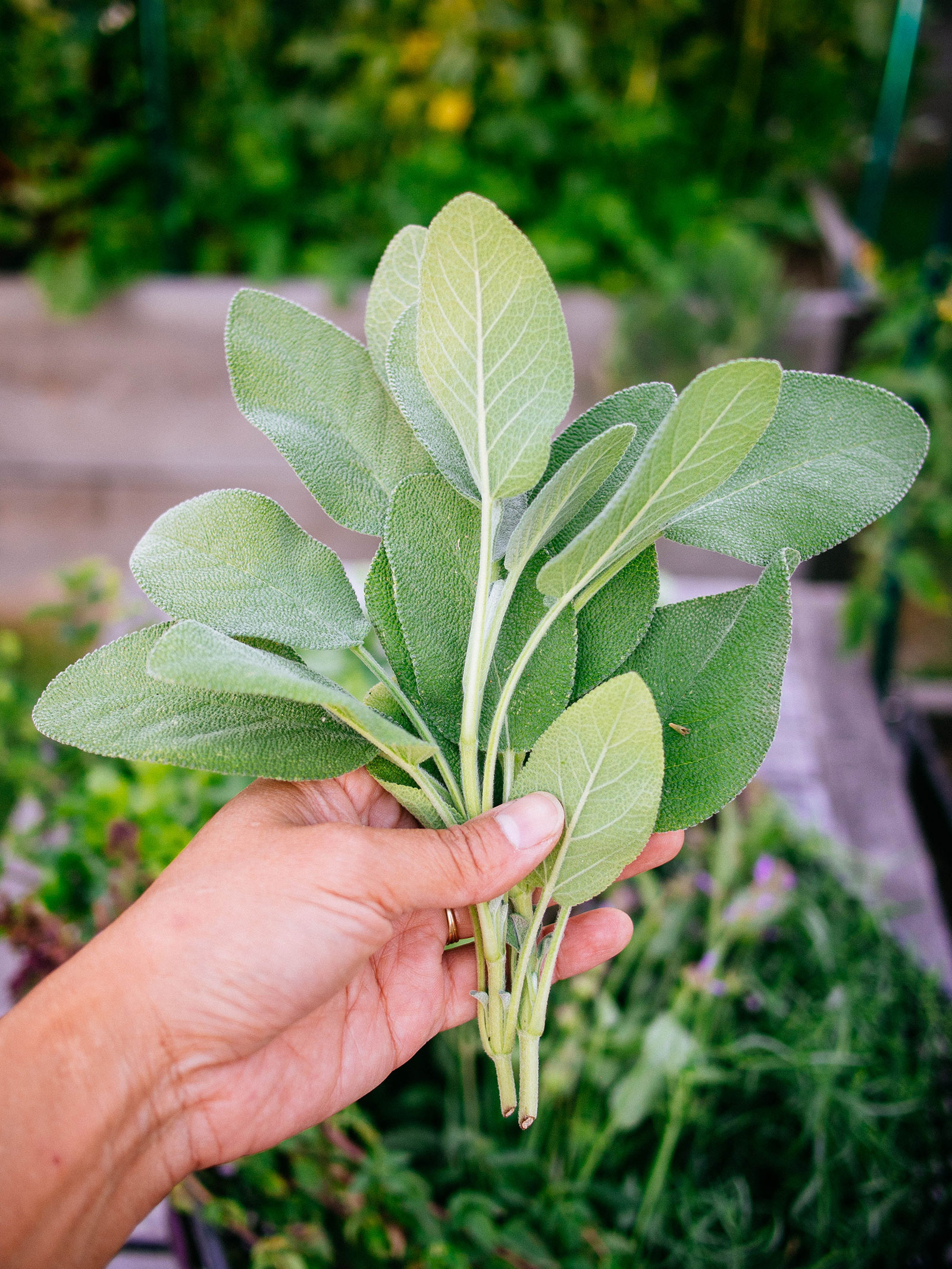
Local markets provide immediate feedback and high margins. Invest in clean, branded packaging that highlights freshness. Train staff to explain usage and storage to customers, which increases sales and builds loyalty.
An e-commerce platform lets you reach customers beyond your local area. Use high-quality photos and clear descriptions. Offer subscription boxes for recurring revenue, which stabilizes cash flow and reduces marketing costs per sale.
Supplying restaurants and grocery stores requires consistent volume and quality. Build relationships with chefs and buyers early. Ensure you can meet their delivery schedules and volume demands before signing contracts to avoid fulfillment issues.
Diversify your channels to reduce risk. Relying on a single buyer or market makes your business vulnerable to seasonal changes or economic shifts. Combine direct sales for margin with wholesale for stability.
Common mistakes to avoid
New herb farmers often lose money before the first harvest because they treat growing like a hobby rather than a supply chain operation. These pitfalls are expensive, but they are entirely preventable with the right planning.
Overplanting low-demand crops
Many growers start with what they enjoy cooking, not what buyers want. Lavender and ornamental herbs look beautiful but have limited local markets. Focus instead on high-turnover varieties like basil, cilantro, and parsley. These culinary staples move quickly at farmers' markets and through local restaurant contracts. Start small, verify demand, then scale.
Neglecting post-harvest handling
Harvesting is only half the job. Herbs wilt and lose flavor within hours if not cooled properly. Invest in a walk-in cooler or at least a dedicated cold storage room. Wash, dry, and package herbs immediately after cutting. Proper handling preserves shelf life and ensures you can charge premium prices for fresh, crisp product.
Ignoring local regulations
Selling food products requires compliance with health codes and licensing. Selling fresh herbs often falls under cottage food laws or specialty agricultural regulations depending on your state. Check with your local department of agriculture early. Fines for non-compliance can shut down your business before it starts.
No comments yet. Be the first to share your thoughts!